Episode 3: Copying without Copying
Copying without Copying is 3 evenings of events that are about what happens when we speak, or when we hear someone speak on our behalf, when we share a collective moment of hearing and maybe understanding.
Arika have been creating events since 2001. The Archive is space to share the documentation of our work, over 600 events from the past 20 years. Browse the archive by event, artists and collections, explore using theme pairs, or use the index for a comprehensive overview.
Copying without Copying is 3 evenings of events that are about what happens when we speak, or when we hear someone speak on our behalf, when we share a collective moment of hearing and maybe understanding.
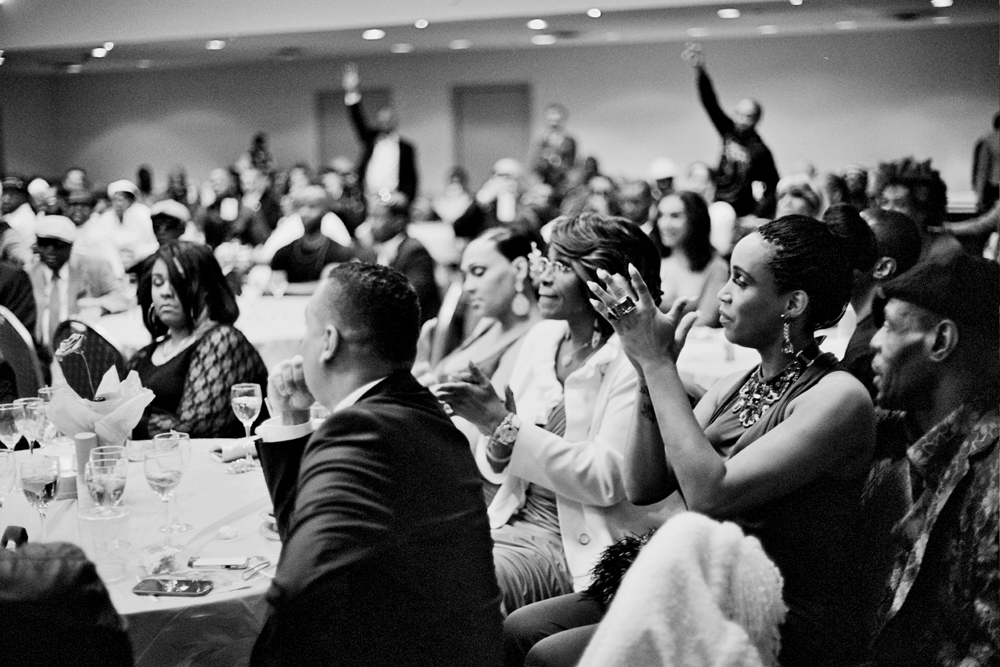
This event honoured those individuals who achieved the status of Icon during the period of 1986-1990.
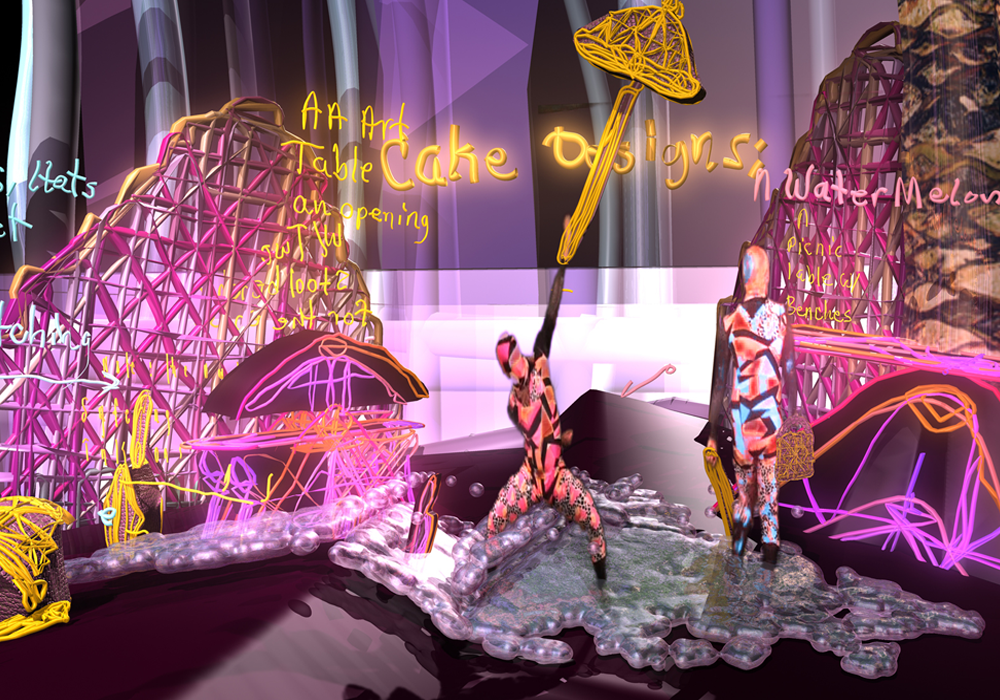
Emotional fantasies, towers of cakes, identity troubles, collapsed distance and time and Samuel R. Delany’s rarely seen 1971 film The Orchid.
For day four of Ultra-red’s project, the investigation will take up protocols for listening to the sound of freedom composed and facilitated by Fred Moten.
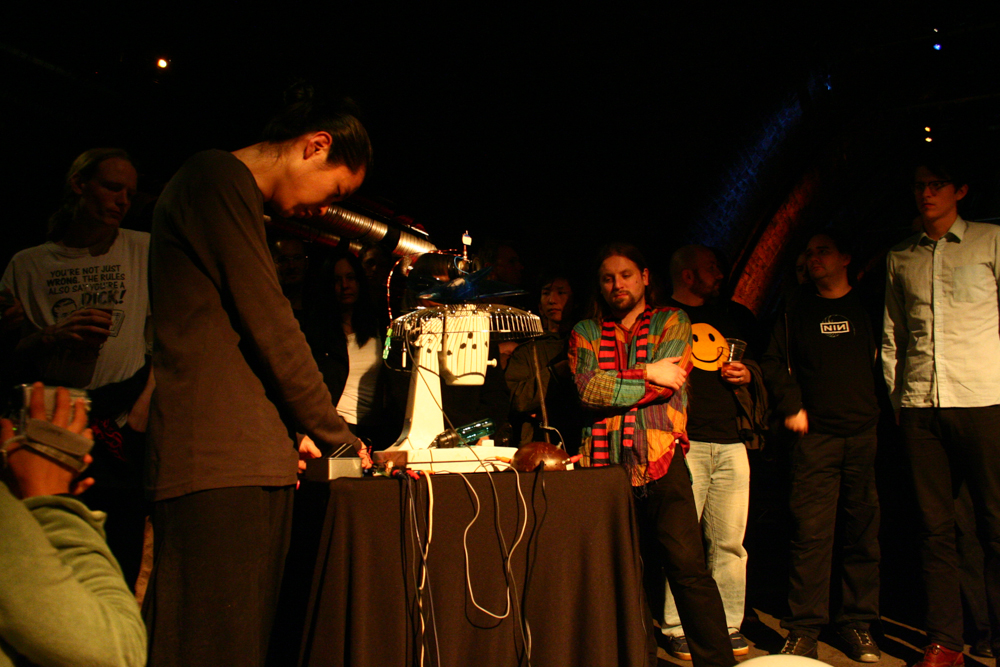
Umeda is a Japanese artist who is as fascinated in setting up interesting situations to observe, as he is in creating performances.
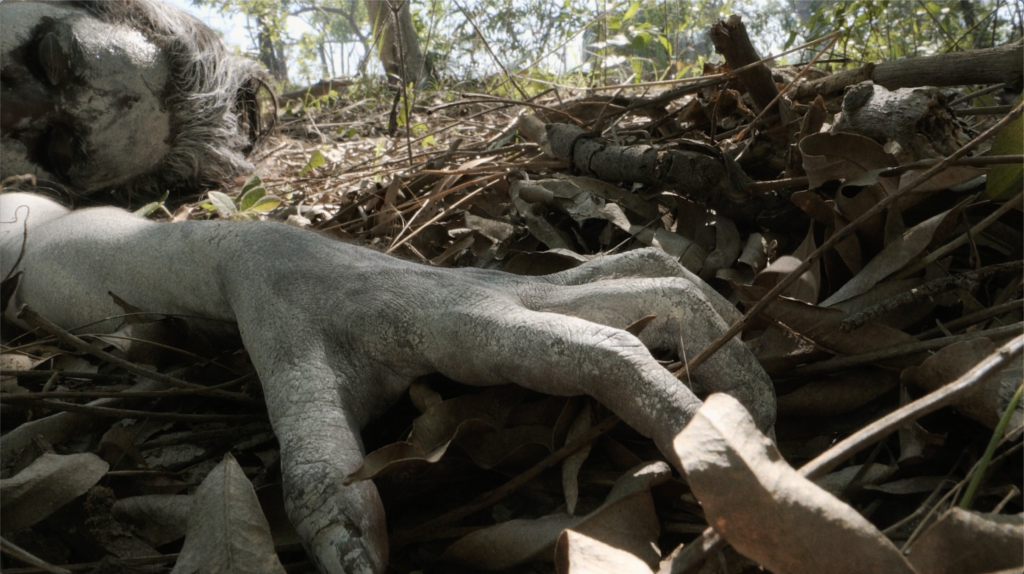
Watching films and chatting with Karrabing members about those films: as they attend to the memory and practice of the ancestral present and the ancestral catastrophe that Karrabing and their more-than-human world find themselves facing.
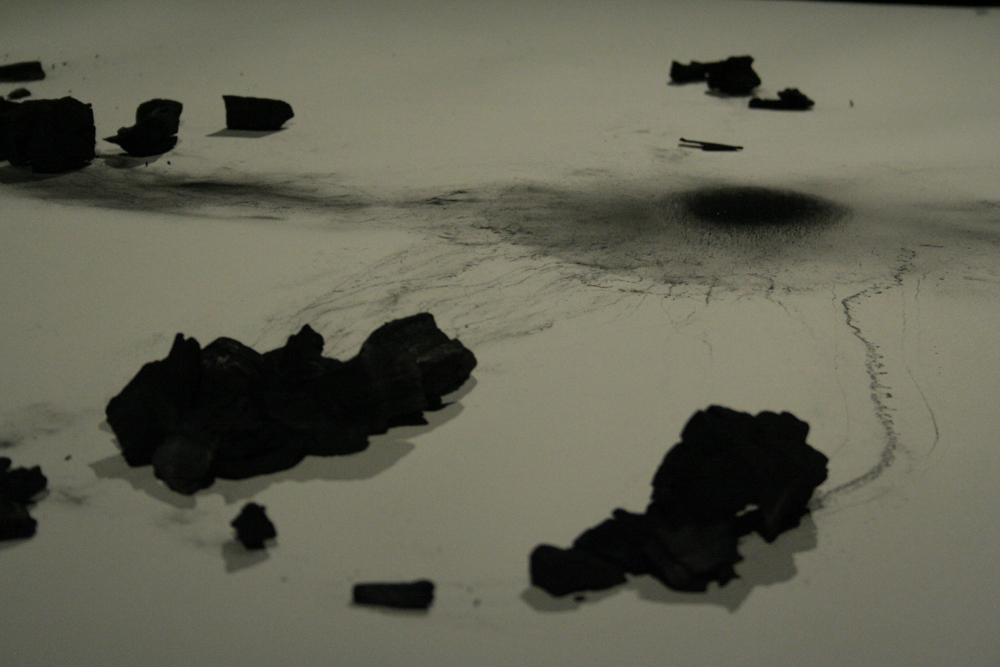
Laser beam sine tones used to draw delicate, abstract patterns by vibrating charcoal, placed atop of a great strip of paper running through the gallery; beautiful, fragile sound-created autonomous drawing.
Investigating the border between the audible and the visible means looking at the margins, the edges of creativity where artists test out new boundaries and define them anew.
Stripping back the domesticated ‘meaning’ of (everyday, mundane, kitchen) tools to reveal “a lexicon of rage and frustration.” Plus an allegorical use of mundane, everyday things as an examination of how meaning is constructed in film.
The Songspiels take on a mode of musical theatre developed by playwright Bertolt Brecht and composer Kurt Weill in the early twentieth century, presenting political and social concerns through the accessible and (often funny) form of song.
Screening of films by Duvet Brothers, David Critchley, David Hall, John Latham, Judith Goddard, Mike Leggett, Tony Sinden
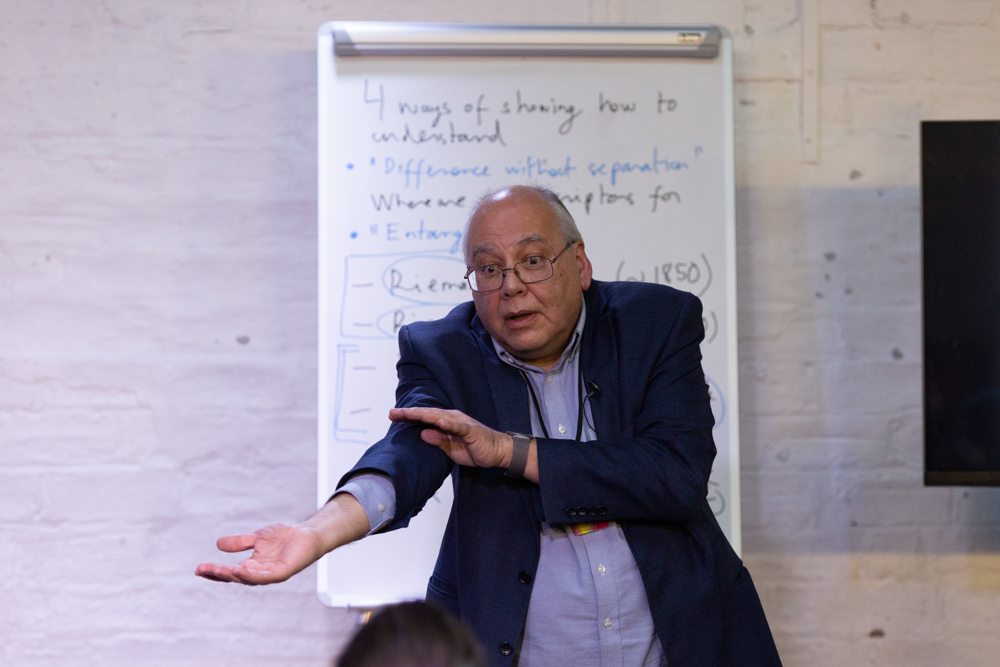
Fernando thinks that when maths is deep, it should be simple and able to be explained by hand gestures. By embodying ideas, we’re able to more clearly think about their cultural implications.