Consequences and complicities of conceptualism
Mark Sanders Vanessa Place
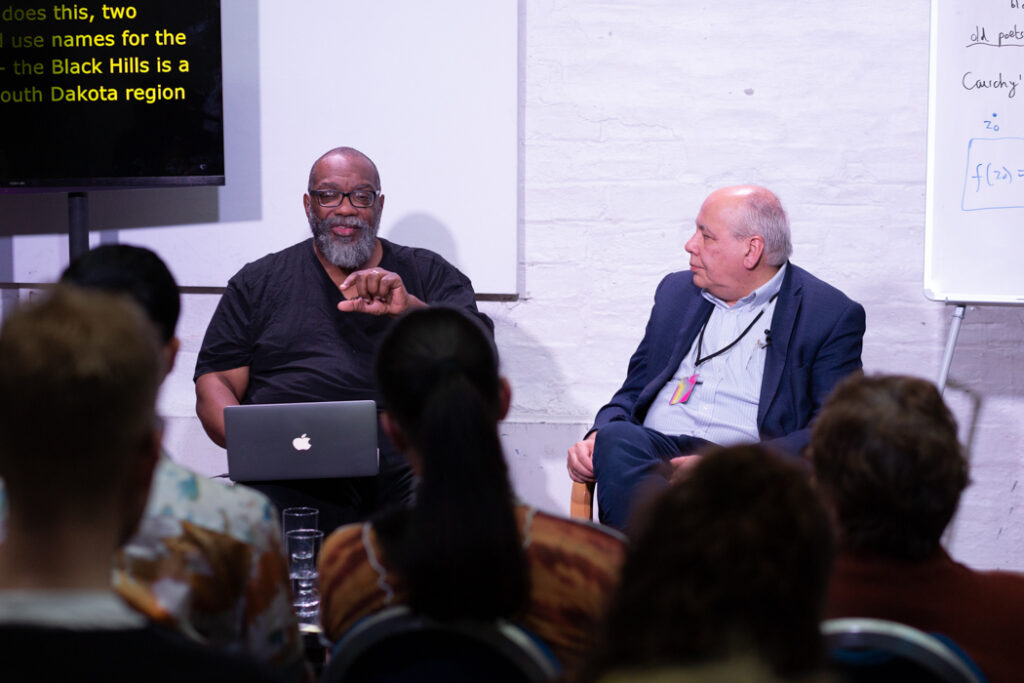
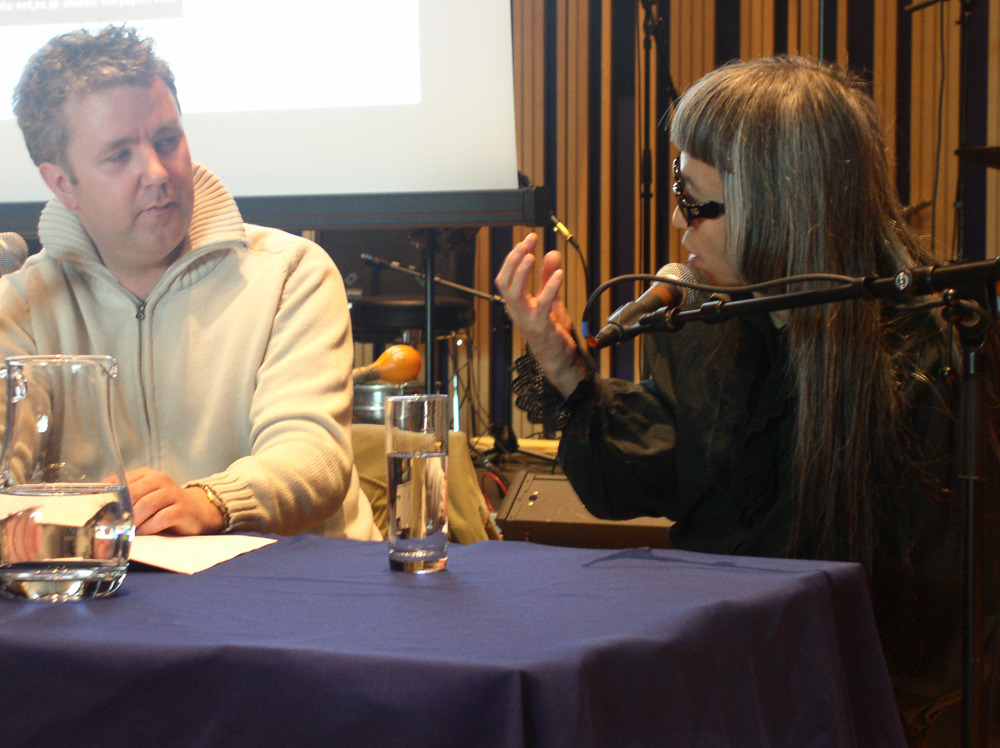
Conceptual writer and practicing lawyer Vanessa Place performs and talks with Mark Sanders, author of the brilliant “Complicities: The Intellectual and Apartheid”
Arika have been creating events since 2001. The Archive is space to share the documentation of our work, over 600 events from the past 20 years. Browse the archive by event, artists and collections, explore using theme pairs, or use the index for a comprehensive overview.
Conceptual writer and practicing lawyer Vanessa Place performs and talks with Mark Sanders, author of the brilliant “Complicities: The Intellectual and Apartheid”
Three (thankfully short) chats wherein we try and get at what’s eating us with regards to experimental music, and what we think might be worth salvaging.
Work that focuses in on the static hiss and background noise of recording and pushes it to the fore.
A recreation of one of Gustav Metzger’s celebrated auto destructive performances.
Dworkin asks: What would a non-expressive poetry look like? A poetry of intellect rather than emotion?
Kylie Minoise Vs Nackt Insecten feedback/ vocal physical threat ‘vs’ ecstatic electronic cloudbursts
French improviser, composer, writer & musical thinker of dry humour and elegant clarity. Sly conjurer of music from the unconsidered processes of music making.
If life is assaulted by power, where do we find spaces for living? A conversation with Peter Pál Pelbart.
Two figureheads of the minimalist electronica pulse, Ikeda and Nicolai have been responsible for some of the most innovative and ground-breaking music of the last decade, redefining experimental electronica.
A back and forth between Fred and Fernando on the transits and obstructions between mathematics and poetics, and how both help us to think from the other side.
Copying without Copying is 3 evenings of events that are about what happens when we speak, or when we hear someone speak on our behalf, when we share a collective moment of hearing and maybe understanding.
When we look, how do we objectify the body; how can we reflect on our (self) image as a construction?