


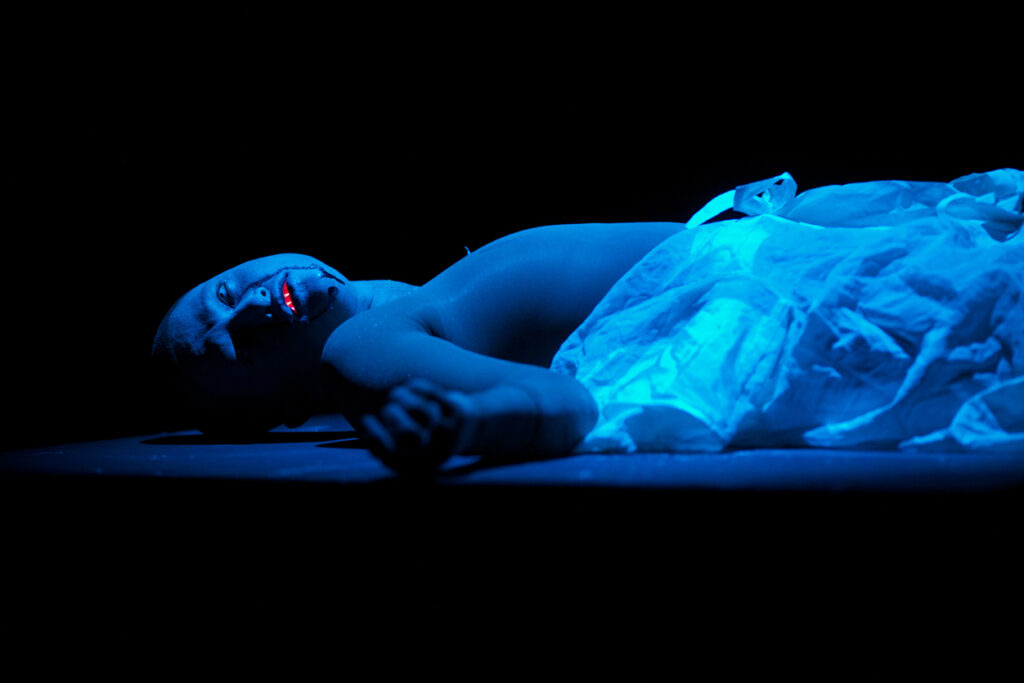
26 May 2013
Tramway
#untitled lipsync 3
boychild
The mutability of the body and the mobility of identity: queered pop culture, drag, lip-sync and performance.
Arika have been creating events since 2001. The Archive is space to share the documentation of our work, over 600 events from the past 20 years. Browse the archive by event, artists and collections, explore using theme pairs, or use the index for a comprehensive overview.
The mutability of the body and the mobility of identity: queered pop culture, drag, lip-sync and performance.
Bringing together artists working with music, sound, film and the moving image, KYTN 2008 saw performances, improvisations, screenings and installations over three days at DCA.
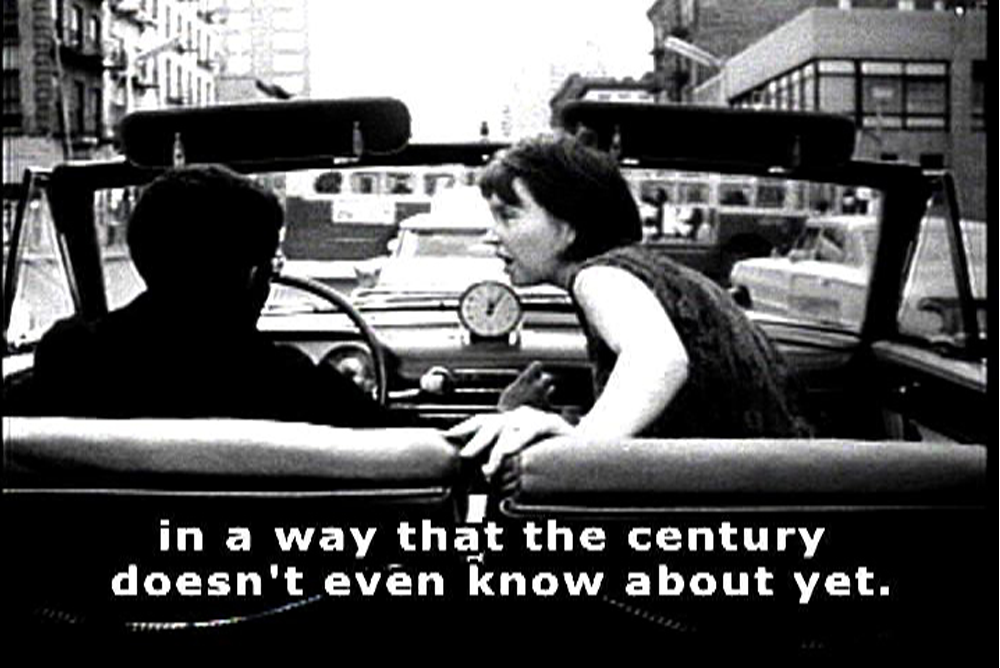
A parody of a (Manhattan) road movie and meditation on bifurcation, in paths traveled between the seen and the heard; a road trip played over and over from different perspectives.
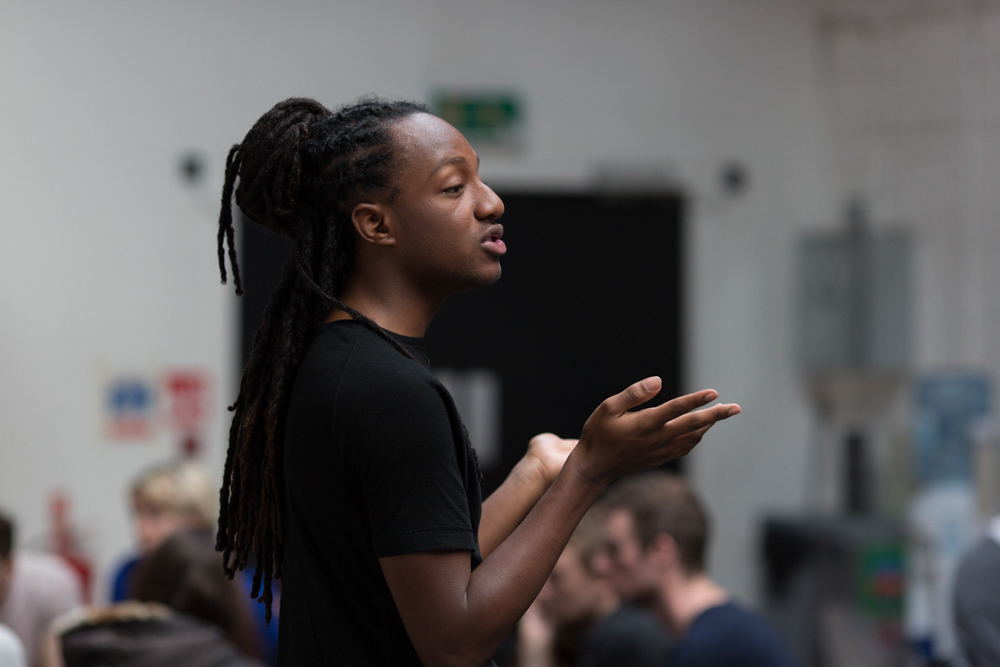
A collaborative social justice project that uses art, activism and awareness to combat the systemic oppression facing young, trans, queer & gender nonconforming people of colour.
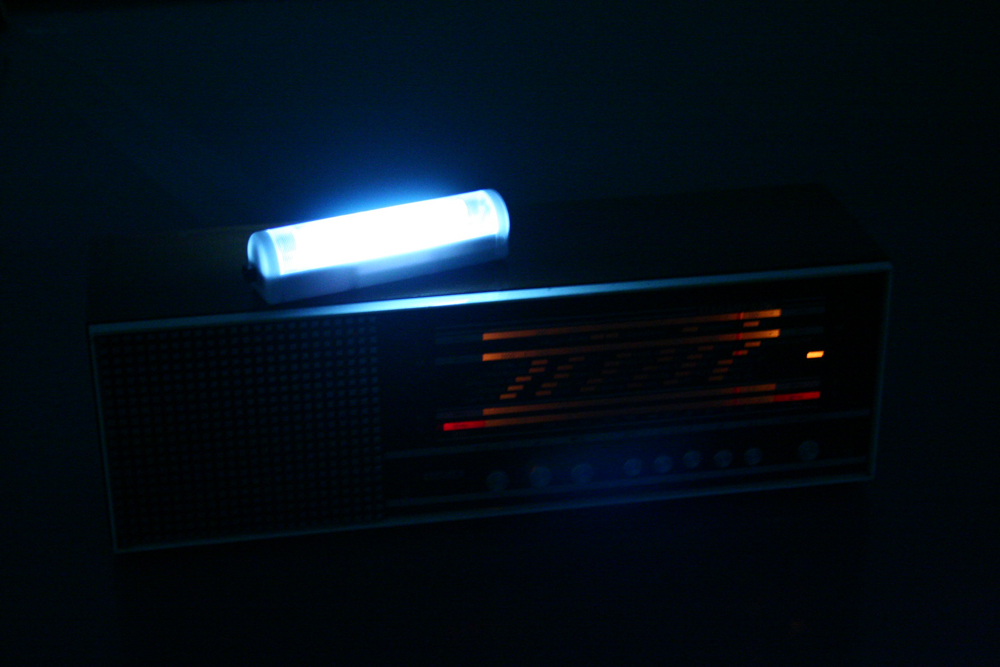
A drone installation populated by flourescent strip lights working in complicity with analogue radios – “all the lights just do their thing”.
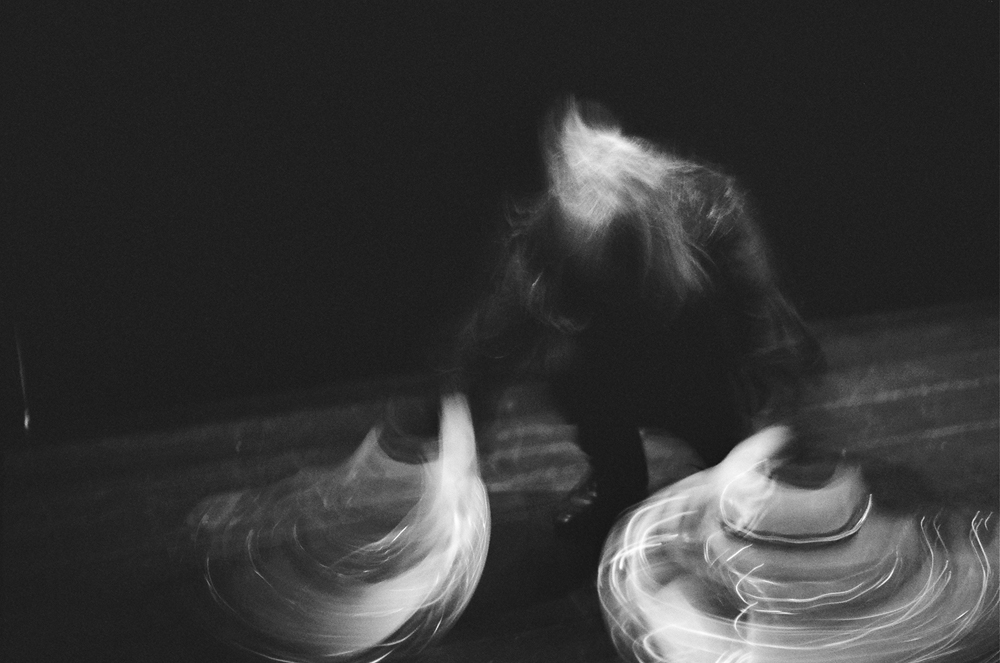
Haino exceeds expectation with a 4 hour solo performance on a collection of more than forty instruments from all over the world.
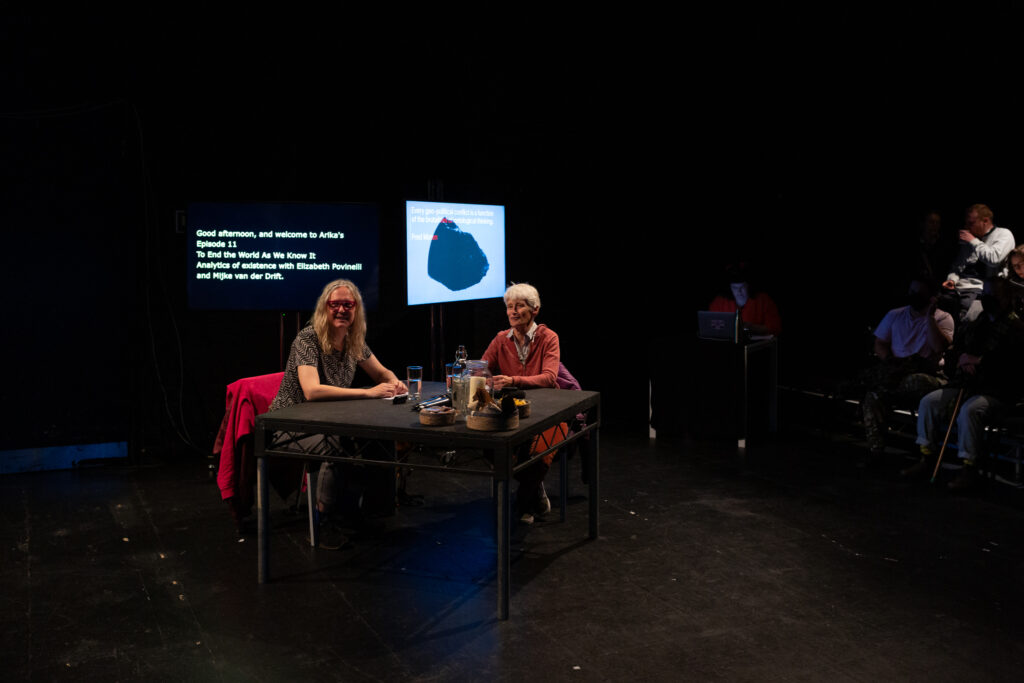
Elizabeth’s writing pulls apart toxic settler colonialism and the worldview used to justify it; working towards an alternative distribution of powers, so that ways of being otherwise can endure.
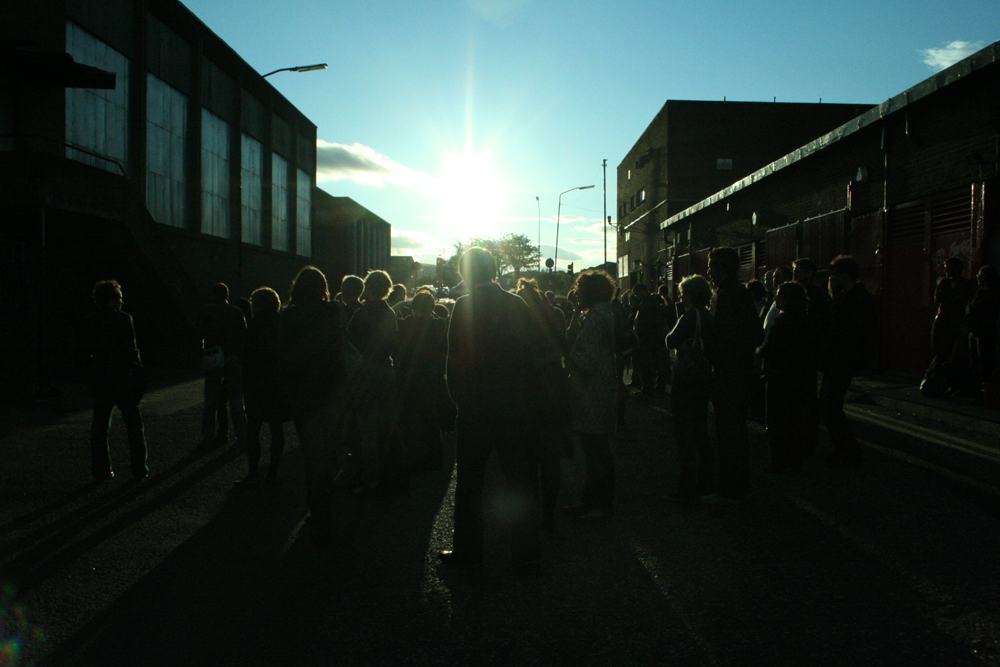
Location: Around and about the old public library in Easterhouse; disinvested in and left to rot by the council but which was shamelessly, hastily and superficially cleaned by them in expectation of our event.
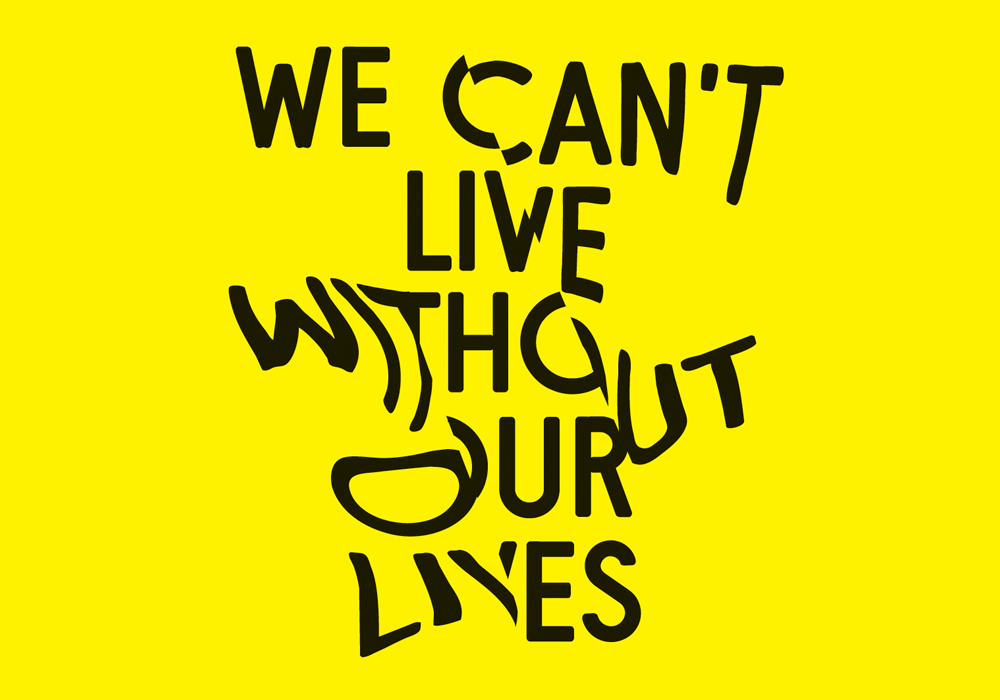
In a moment of social exhaustion, we want to ask how we might care for each other differently. We Can’t Live Without Our Lives is a 5-day exploration of care as a form of struggle and resistance, with communities who embody it.
If life is assaulted by power, where do we find spaces for living? A conversation with Peter Pál Pelbart.
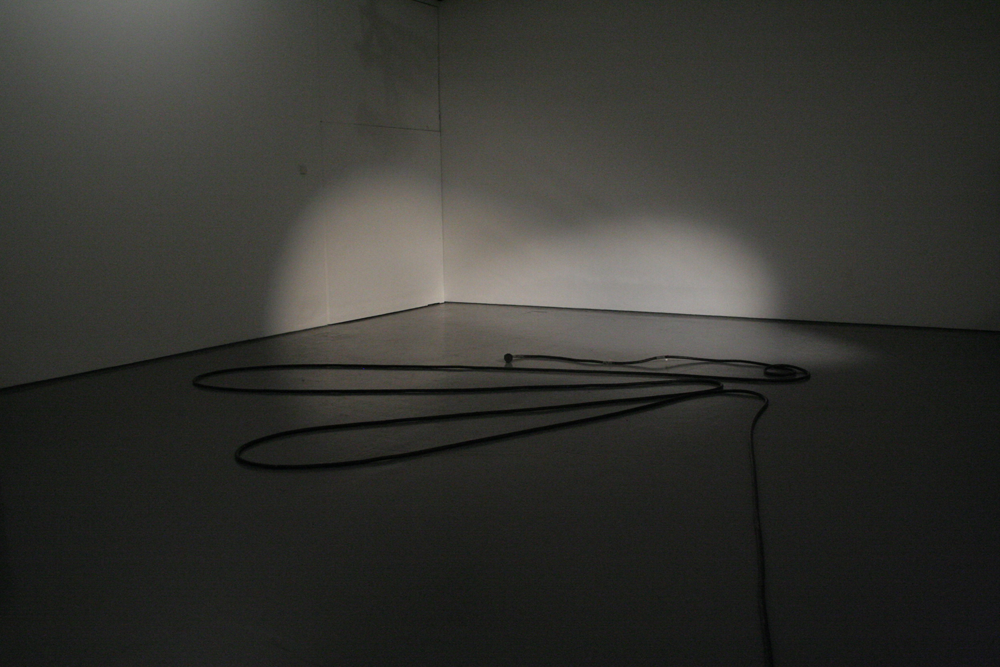
Instead of the one-way monologue of normal performance, what would be the result of an actual collective dialogue? Where would it go?
Do ideas emerging from particle physics help to re-think of blackness as a mode of life in which it’s possible to practice difference without separation?