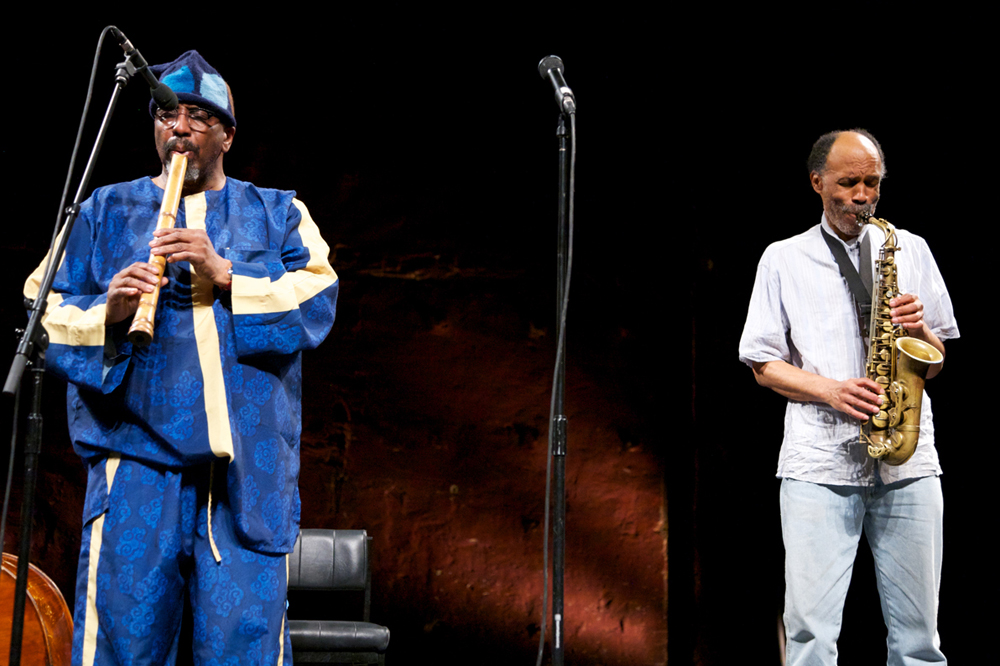
Kazuo Imai
Kazuo Imai
One of the most arresting and unique improvisers in Japan, creating an original and powerful body of free music.
Arika have been creating events since 2001. The Archive is space to share the documentation of our work, over 600 events from the past 20 years. Browse the archive by event, artists and collections, explore using theme pairs, or use the index for a comprehensive overview.
One of the most arresting and unique improvisers in Japan, creating an original and powerful body of free music.
Jarrod Fowler creates a social space where layered one-to-one live encounters with the audience become sonic material.
A film performance about Guy then, and Guy now, as a metaphor for the passing of time, which of course all film is inherently about.
Discussion with David Keenan: an author, critic and musician based in Glasgow, Scotland. He is best known for the reviews and features he has contributed to The Wire.
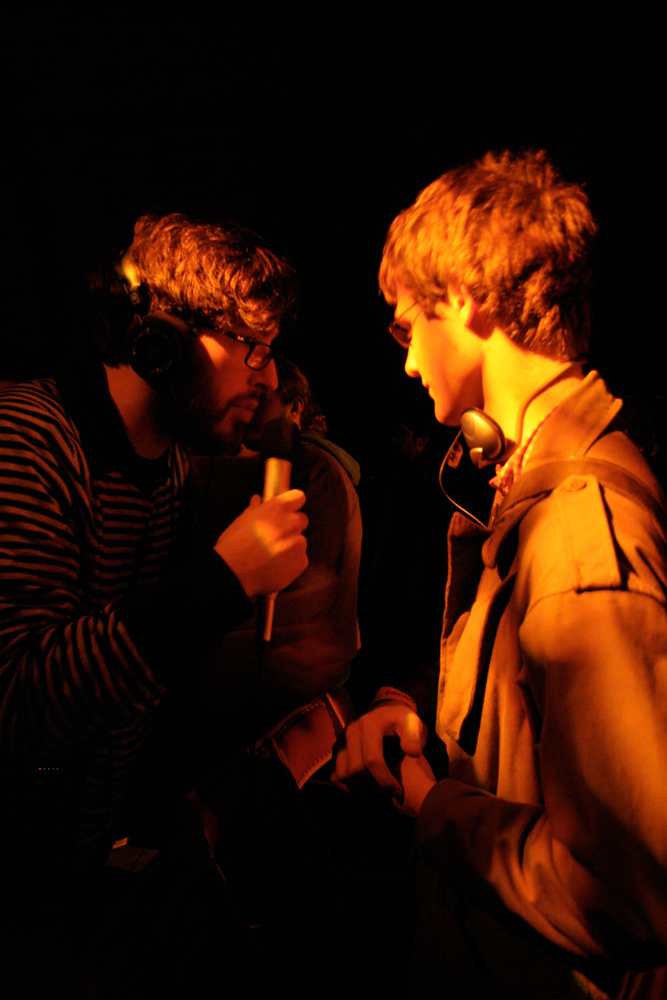
Listening to people listening to their own homes. Musicians and actors will listen back to recordings made in local peoples homes on headphones, and interpret/ translate what they are hearing.
Brother and sister stumble over the early morning horizon in a spectral haze of emotionally devastating lunar vocals and oblique, lithium-soaked folk.
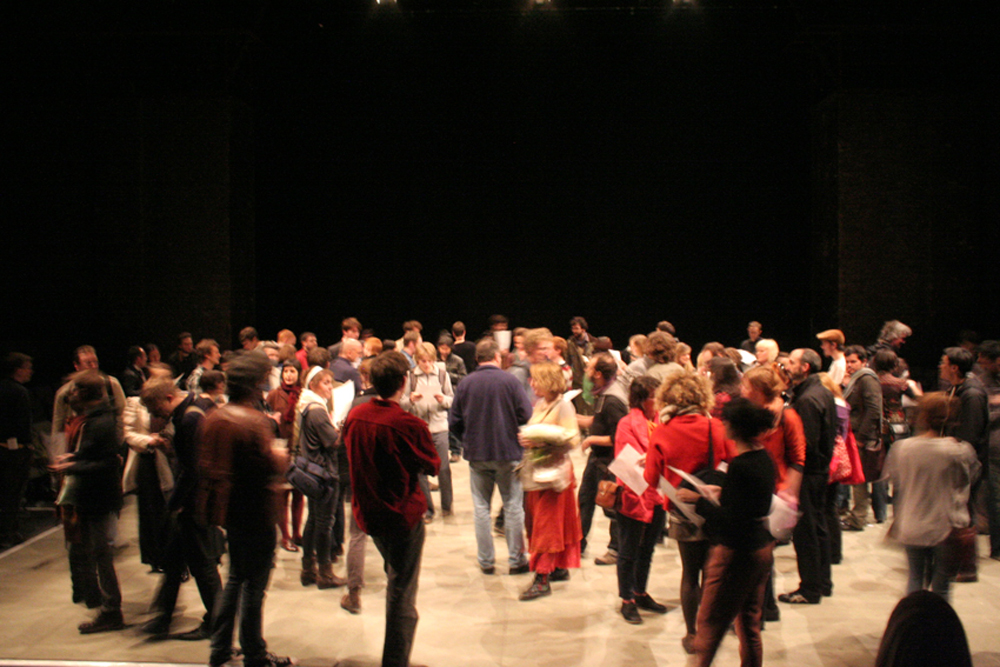
Paper Piece: Secrets is a performance for and with the whole audience, using paper, text, secrets, being in the crowd
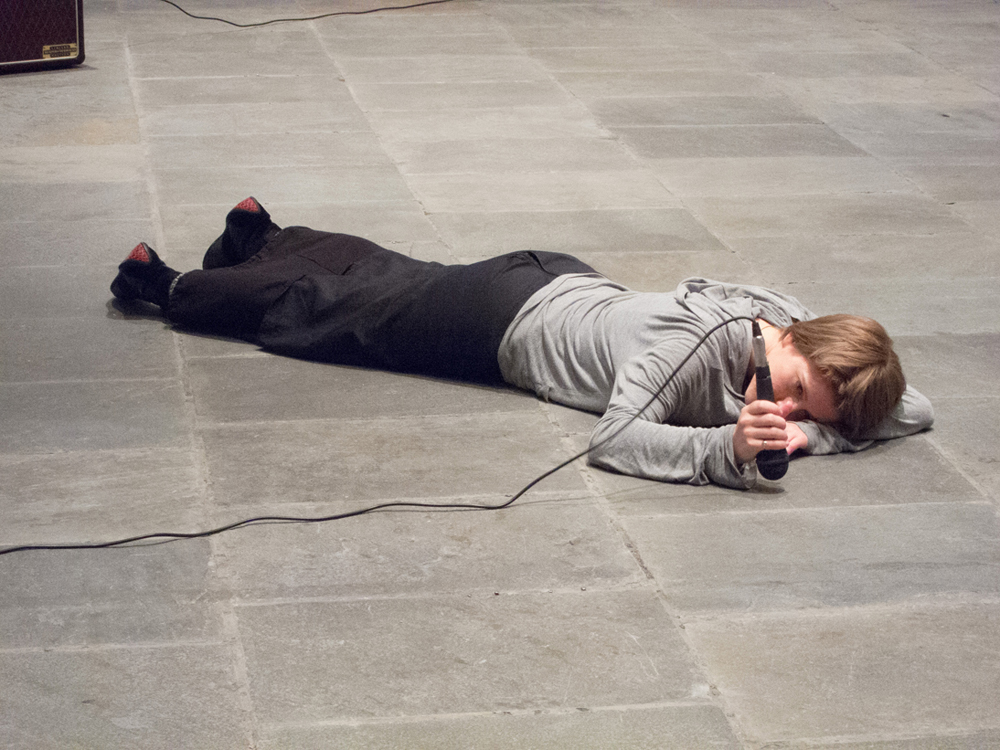
Sound as it is endured by space and the body: 15 participants lie face down and pound the floor with a microphone one thousand times, each person choosing their own rhythm and intensity.
Chip’s written some of the greatest of all Sci-Fi and Fantasy—page turning character driven diamond-hard novels and short stories: each a lens that refracts our real-life struggles and desires.
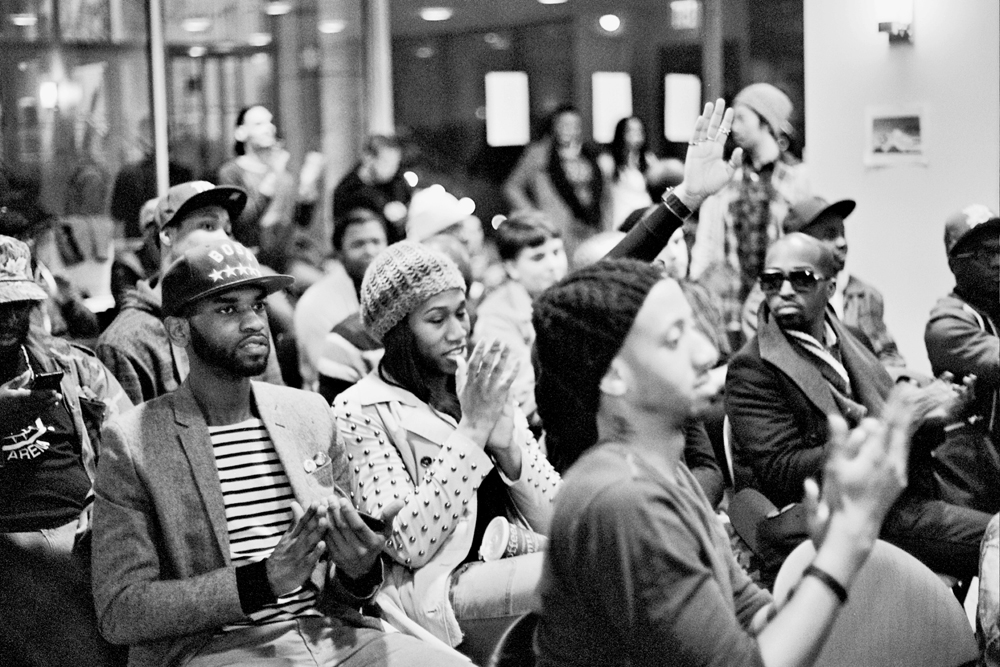
Open community meeting to discuss some of the prevalent concerns impacting the ballroom community.
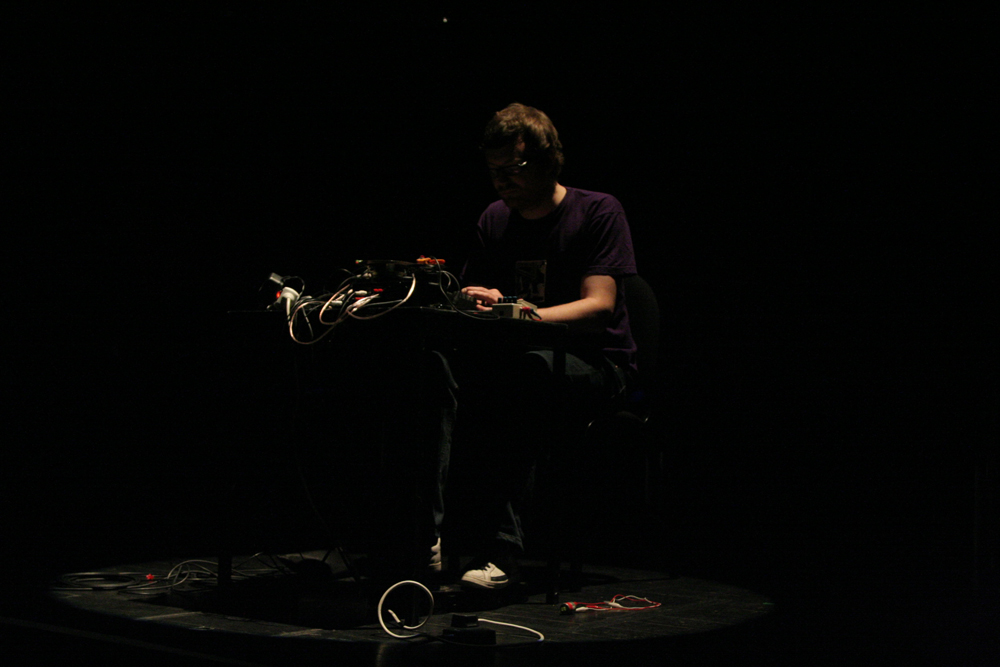
Solo by Jean-Philippe Gross, a French electro-acoustic improviser, working with mixing board, cheap mics, small speakers and an analog synth, built around a honed interest in feedback.
What might Carter and Parker’s collaboration tell us about our own performances of responsibility and liberty, whether individual, social or musical?