House
Eric La Casa Jean-Luc Guionnet
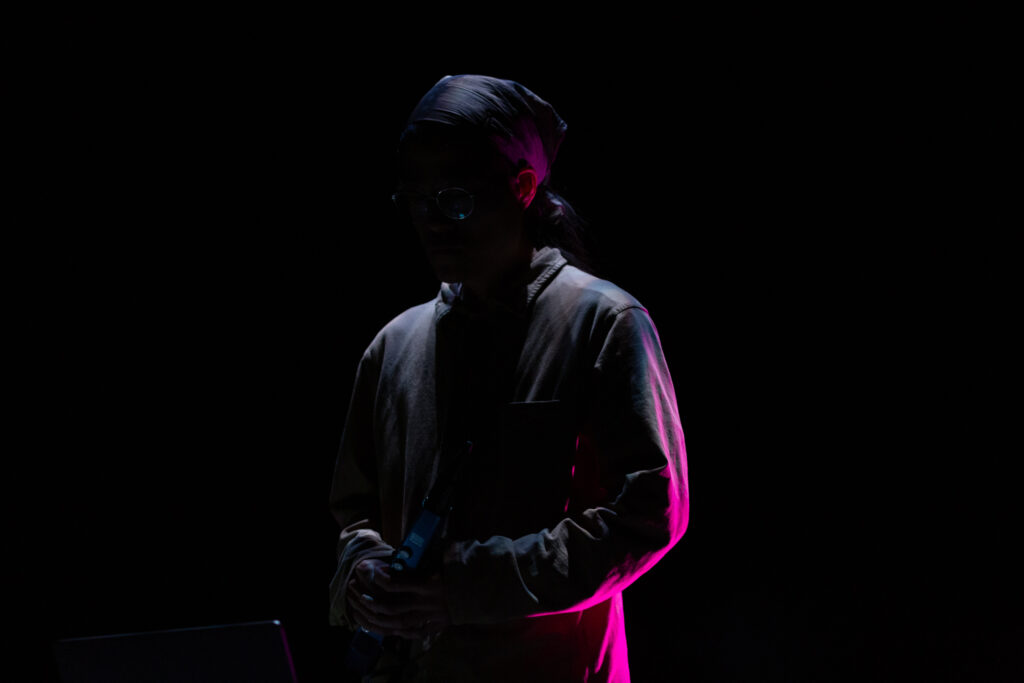
One-shot sonic portraits of 4 houses, their inhabitants and their relationship to sound, from 2 of the most deep-thinking field-recording artists around.
Arika have been creating events since 2001. The Archive is space to share the documentation of our work, over 600 events from the past 20 years. Browse the archive by event, artists and collections, explore using theme pairs, or use the index for a comprehensive overview.
One-shot sonic portraits of 4 houses, their inhabitants and their relationship to sound, from 2 of the most deep-thinking field-recording artists around.
“Beginning where you and me ends, where we don’t so much come but are already here.” Join James and Nisha to talk about breath, erotics and flesh, about our social, poetic cosubstantiality.
Koji Asano, Japanese composer and sound-artist performing slow groaning burbling tones, moaning echoes and drones.
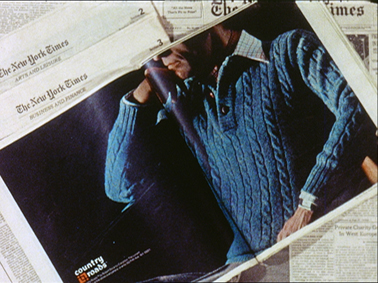
Argument is a provocative, multi-layered film essay, a trenchant analysis of the media and remains a critically relevant and critically inflammatory tract.
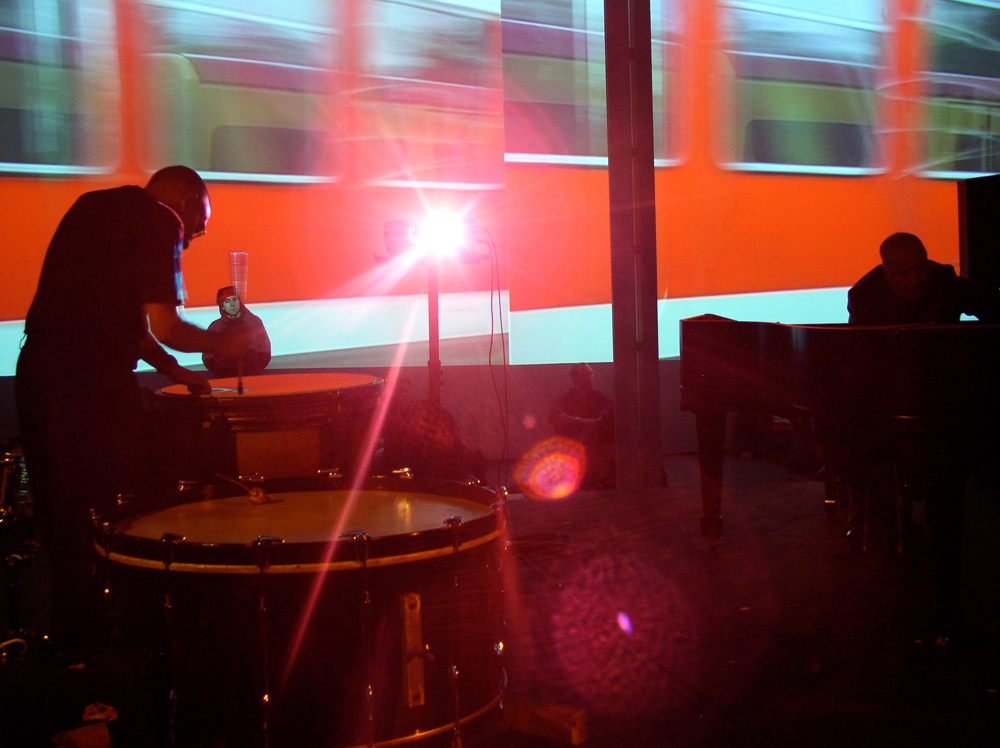
One of the most influential groups in improvised music, with the collective understanding that comes from listening keenly to each other for decades
A dense materialist experience at the limits of contemporary computer music, drawing on Korean Shamanism and Communism; striving to create a strange new vibration to the world that seems to contain the seed of everything.
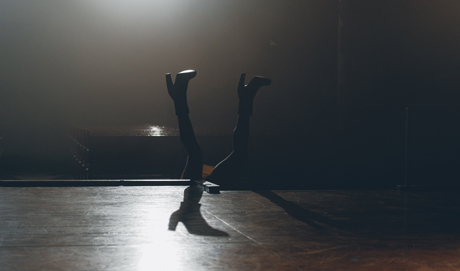
What would have happened in 1963 if someone from the voguing ball scene going on in Harlem had travelled downtown to perform alongside the early postmoderns at Judson Church?
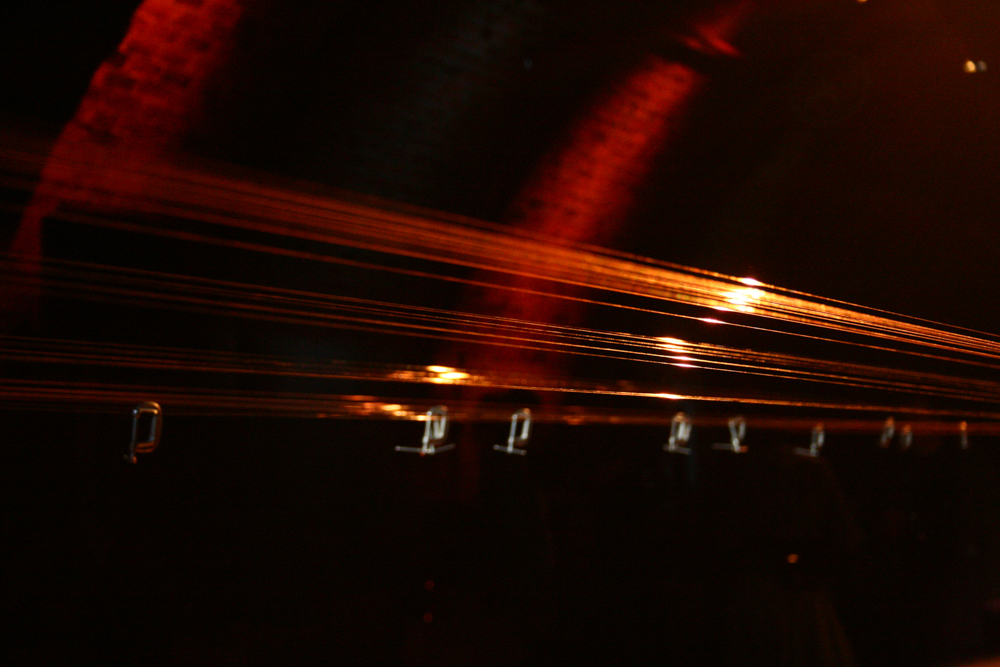
Long Stringed Instrument performance involving up to 100 wires strung in tension over a 40m arch.
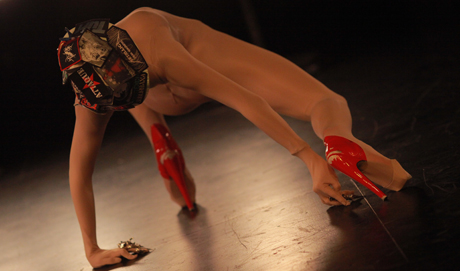
Sci-fi. After the club. Underground. Counter-narrative. Narrated movement. Cultural resistance. Wu Tsang and boychild’s collaborative performance series, will continue its evolution at Episode 9 with the addition of TOTAL FREEDOM.
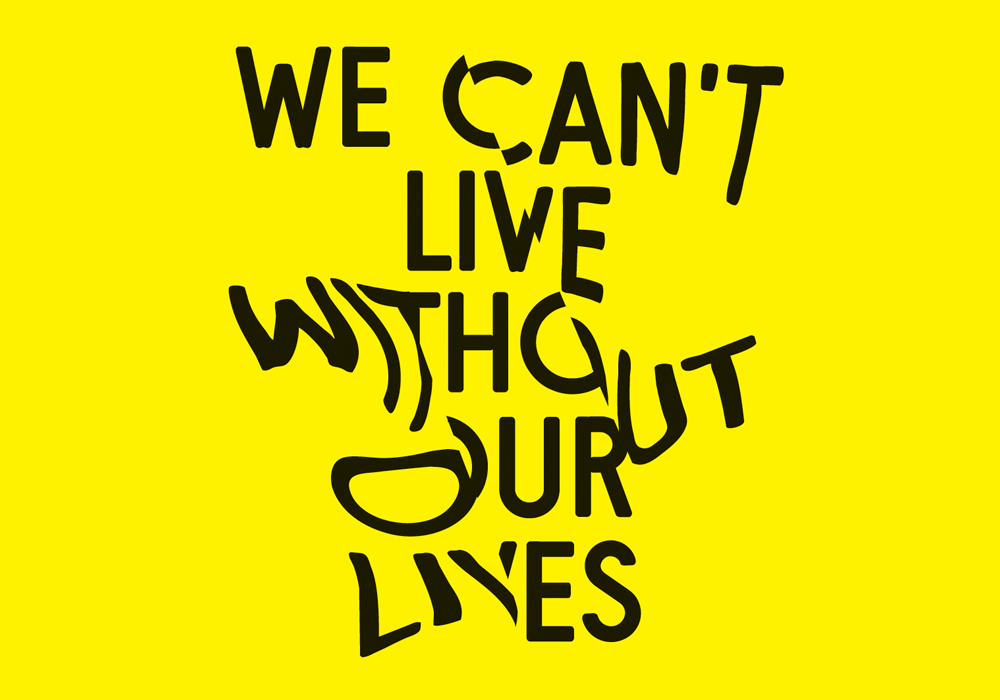
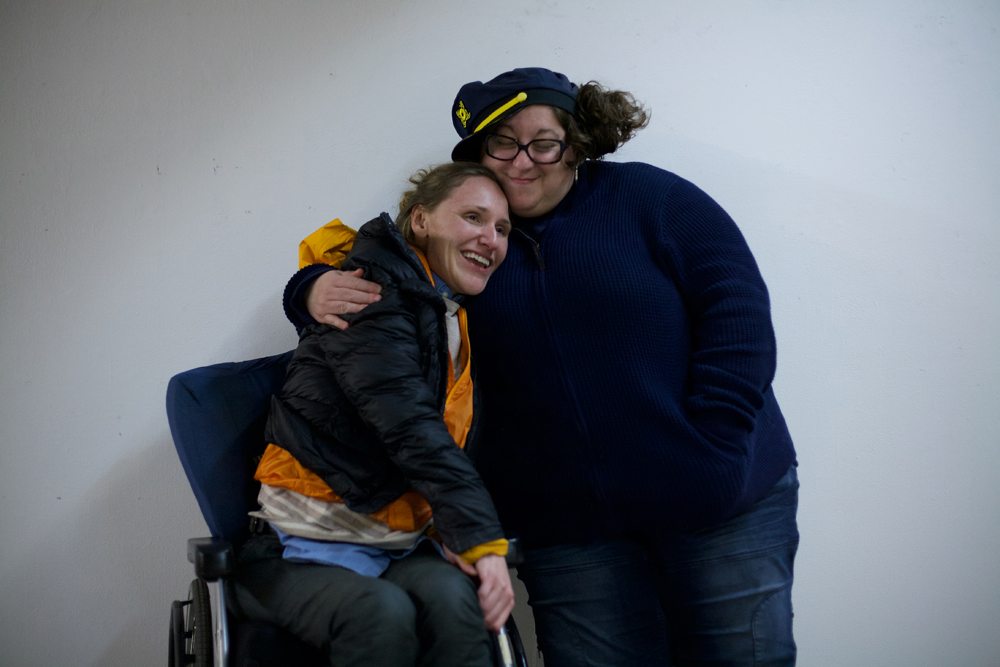
In a moment of social exhaustion, we want to ask how we might care for each other differently. We Can’t Live Without Our Lives is a 5-day exploration of care as a form of struggle and resistance, with communities who embody it.
How can we imagine bodies not as an end in themselves, but as a medium through which we can become one another’s means?
The first of two workshops that highlight correspondence as a way of working. Somewhere between song, speech, and logistical arrangement, these workshops invite participants to consider care as infrastructure.