Salon and Q&A
Kjell Björgeengen William Bennett Zoe Irvine
A day of presentations and discussions on the theme of audio visual perception in the context of experimental music, film and art.
Arika have been creating events since 2001. The Archive is space to share the documentation of our work, over 600 events from the past 20 years. Browse the archive by event, artists and collections, explore using theme pairs, or use the index for a comprehensive overview.
A day of presentations and discussions on the theme of audio visual perception in the context of experimental music, film and art.
4 days of performances, discussions, workshops, screenings with mutant dancers, prison abolitionist poets, transfeminist revolutionaries, haunted noise, science fiction, sex worker resistance, crip erotics, radical pornography and militant fiction.
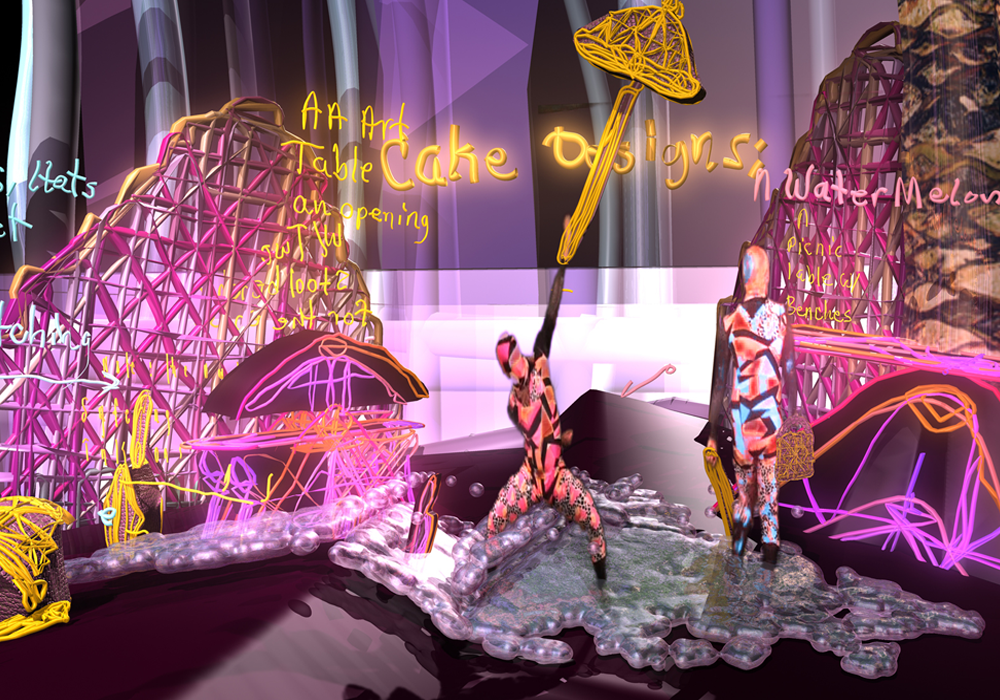
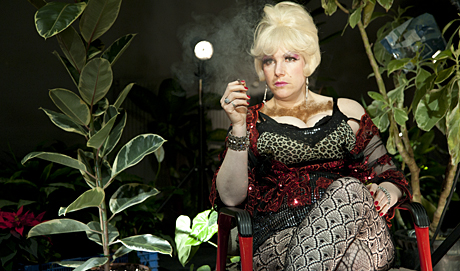
Emotional fantasies, towers of cakes, identity troubles, collapsed distance and time and Samuel R. Delany’s rarely seen 1971 film The Orchid.
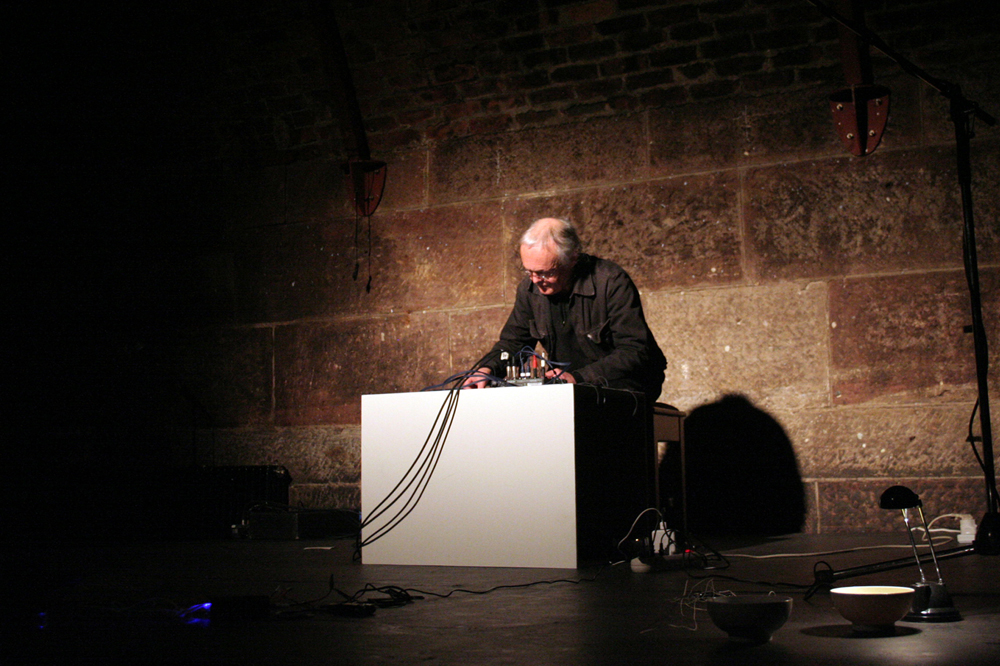
Julius’ “small music” features simple snatches of found sound, played back through small speakers, often set in bowls of pigment and dirt which shimmies in the vibrations.
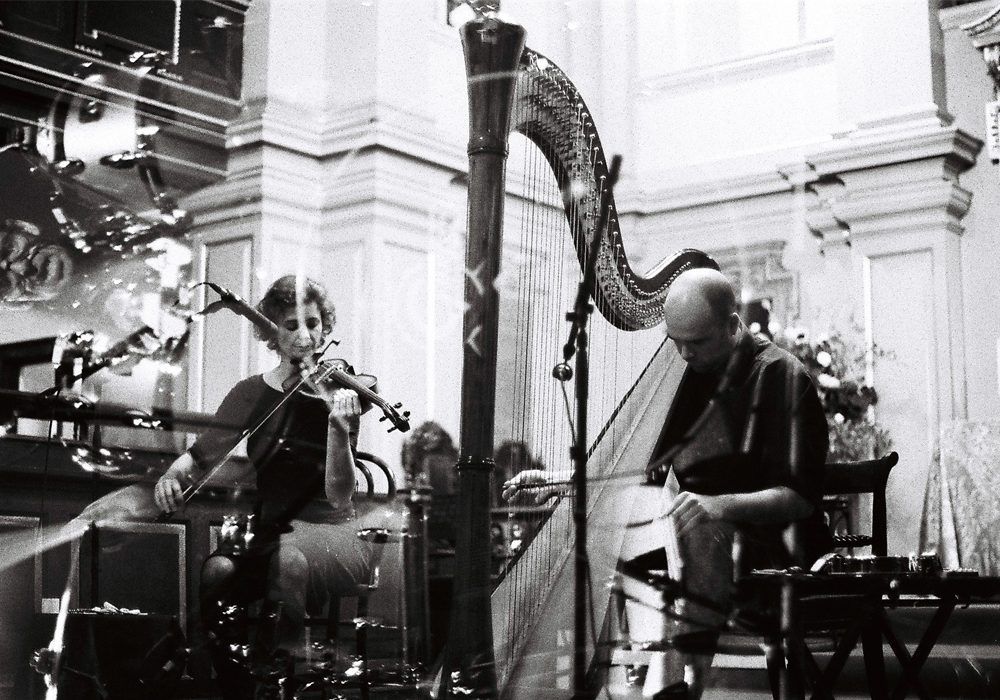
Performances at St Giles in the Fields, London by Jandek, Rhodri Davies & Angharad Davies, Rauhan Orkesteri.
Complexly interacting colossal drones by the creator of some of the most legendary yet least heard music of the 70’s.
An LSD trip gone right via dense explorations of post-Fahey steel and low level drone.
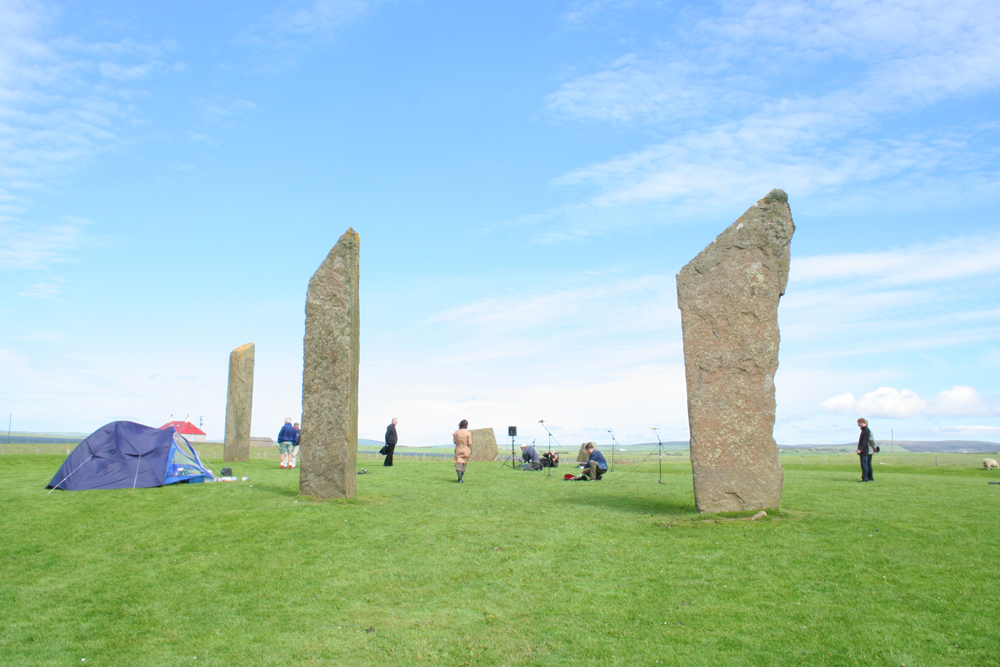
Akio Suzuki and John Butcher performing by the Stones of Stenness, instead of the Ring of Brodgar, because of bad weather.
Trans-temporal drag, sexuality and the re-staging of illegible moments in history.
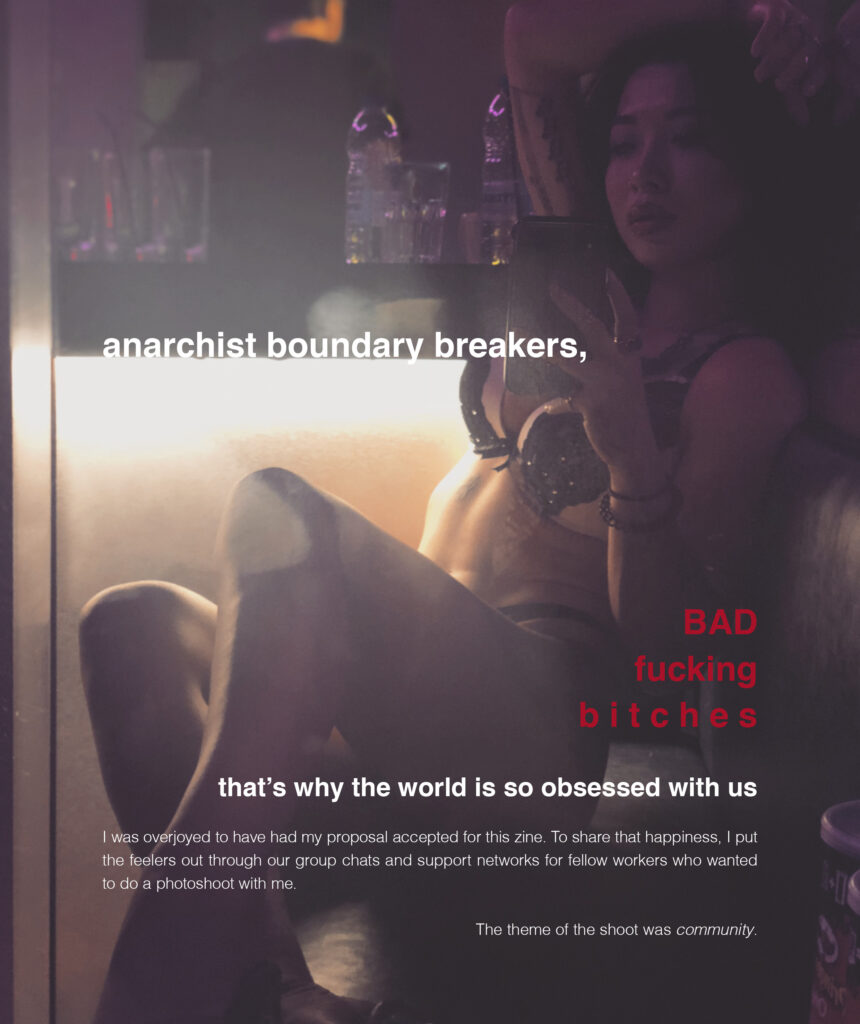
The Truth and Lies book project emerges as part of a rising tide of sex worker art and organised struggle to end criminalisation and stigmatisation of sex work.
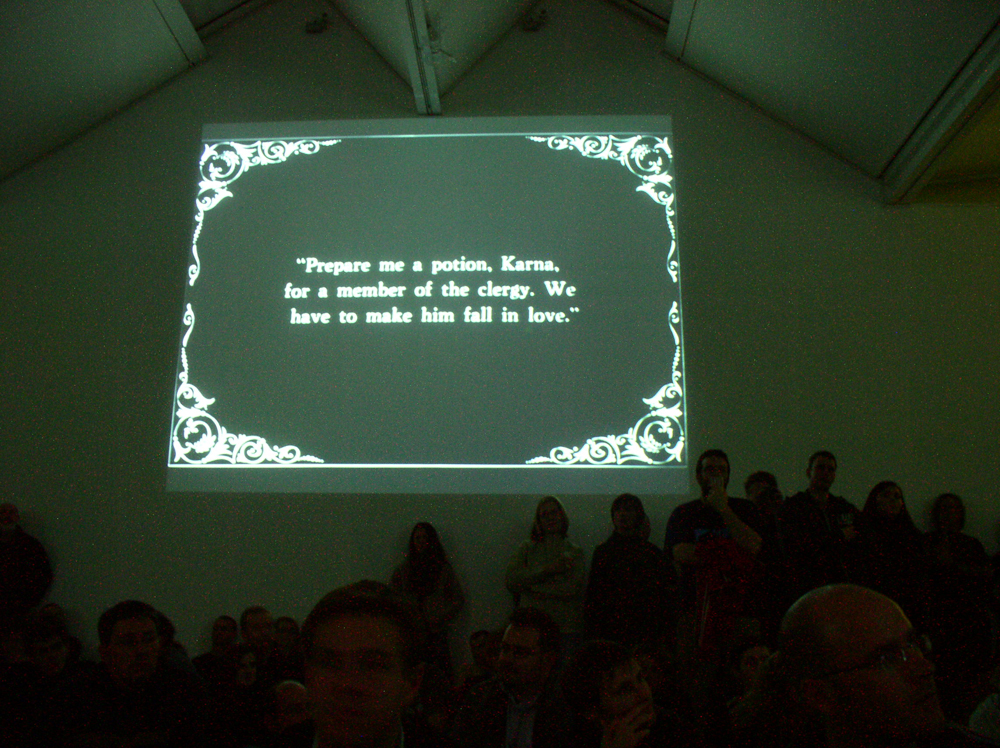
Mirror and Phantom Engineer performing an improvised soundtrack to Benjamin Christensen’s 1922 horror film prototype, Haxan: Witchcraft through the Ages.
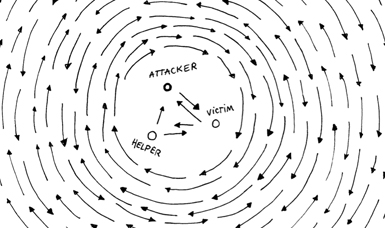
Final workshop exploring work, care and class. Does the ‘care industry’ summon forth its own class? Can this ‘affective class’, in their ability to care for others, militate against the carelessness of self-interest?