Relative
Jerron Herman
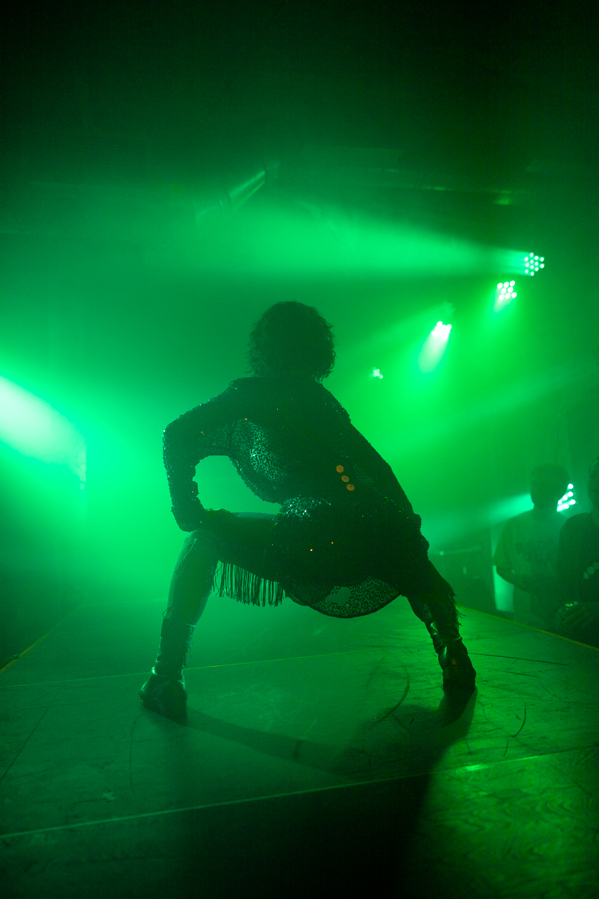
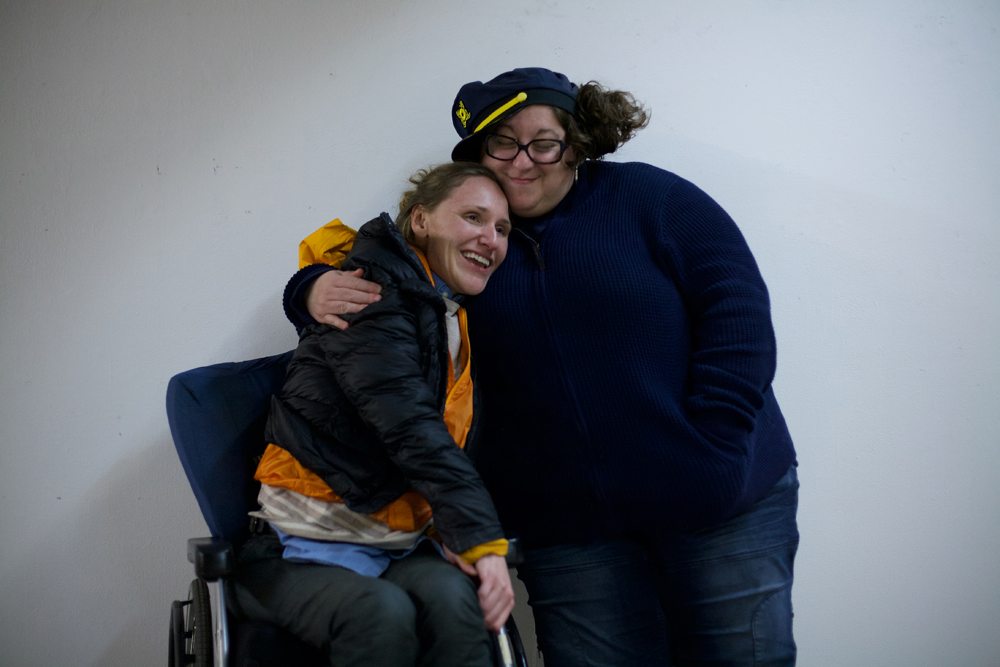
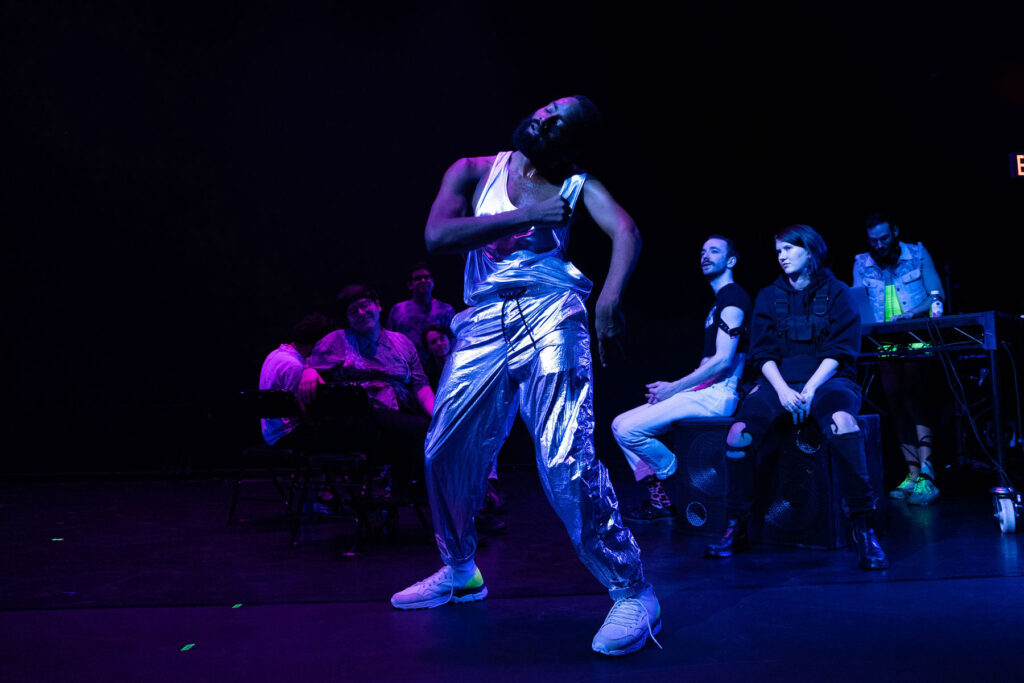
A dance party love letter to our community, expressing the joy of relation in the abstract and through actual physical proximity.
Arika have been creating events since 2001. The Archive is space to share the documentation of our work, over 600 events from the past 20 years. Browse the archive by event, artists and collections, explore using theme pairs, or use the index for a comprehensive overview.
A dance party love letter to our community, expressing the joy of relation in the abstract and through actual physical proximity.
A Study Session focused on the thinking of Ailton Krenak – one of the great leaders of the Brazilian indigenous movement – led by curators and artists Amilcar Packer Arissana Pataxó.
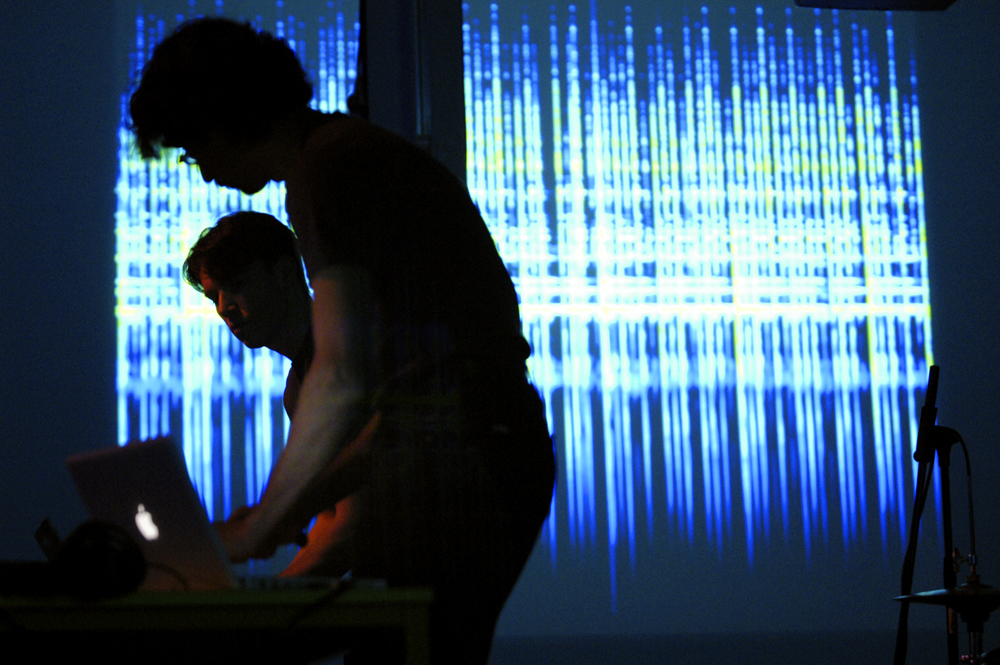
Live ISDN drone performance resonating between Dundee and an empty Montreal Grain Silo.
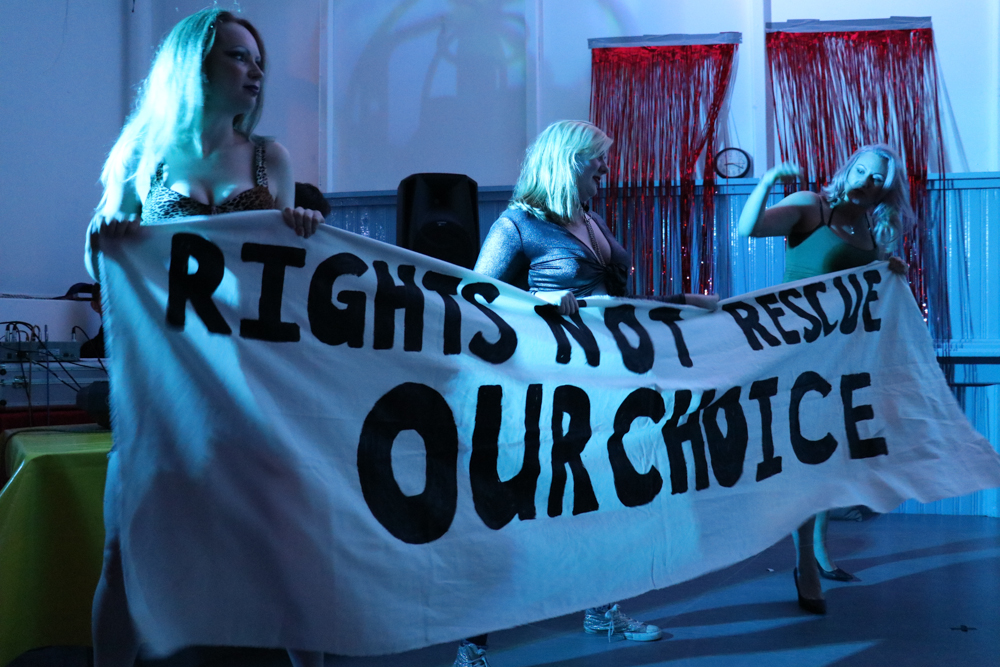
A party and fundraiser to support Sex Workers’ struggles and LGBT Unity with music and performances from the sex workers’ community and allies, plus DJ’s and dancing.
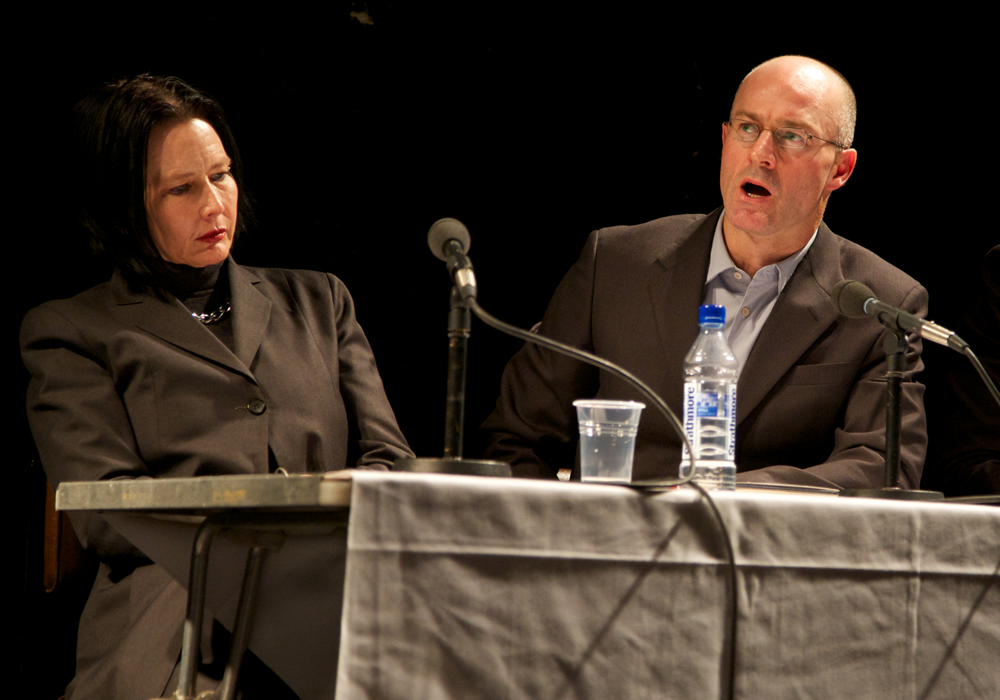
Conceptual writer and practicing lawyer Vanessa Place performs and talks with Mark Sanders, author of the brilliant “Complicities: The Intellectual and Apartheid”
If life is assaulted by power, where do we find spaces for living? A conversation with Peter Pál Pelbart.
A film as a translation of Monique Wittig’s landmark feminist novel Les Guérillères, in which a plural protagonist of militant feminists inhabit a fantastical, enigmatic and hallucinatory miasmatic space-time of post Hurricane Maria Puerto Rico.
Is it possible to dance our way out of the hardened stances and identity prisons we are locked in?
Social and party with all proceeds going to the Unity Centre, featuring DJ SETS with Dj@Christelle, DJ D-Harsh, Nena Etza & Moor Mother.
Includes: a classic of innovative computer graphics, ex-pat Scot McLaren on form, a riotous psychedelic oil show with a Soft Machine accompaniment, subtle manipulation of data feedback, a colourful road movie and a reworking of a lost Paul Sharits film.
Final workshop exploring work, care and class. Does the ‘care industry’ summon forth its own class? Can this ‘affective class’, in their ability to care for others, militate against the carelessness of self-interest?
The first of two workshops that highlight correspondence as a way of working. Somewhere between song, speech, and logistical arrangement, these workshops invite participants to consider care as infrastructure.