Screening Programme
Jacolby Satterwhite Paul Kindersley Samuel R. Delany Tiona McClodden
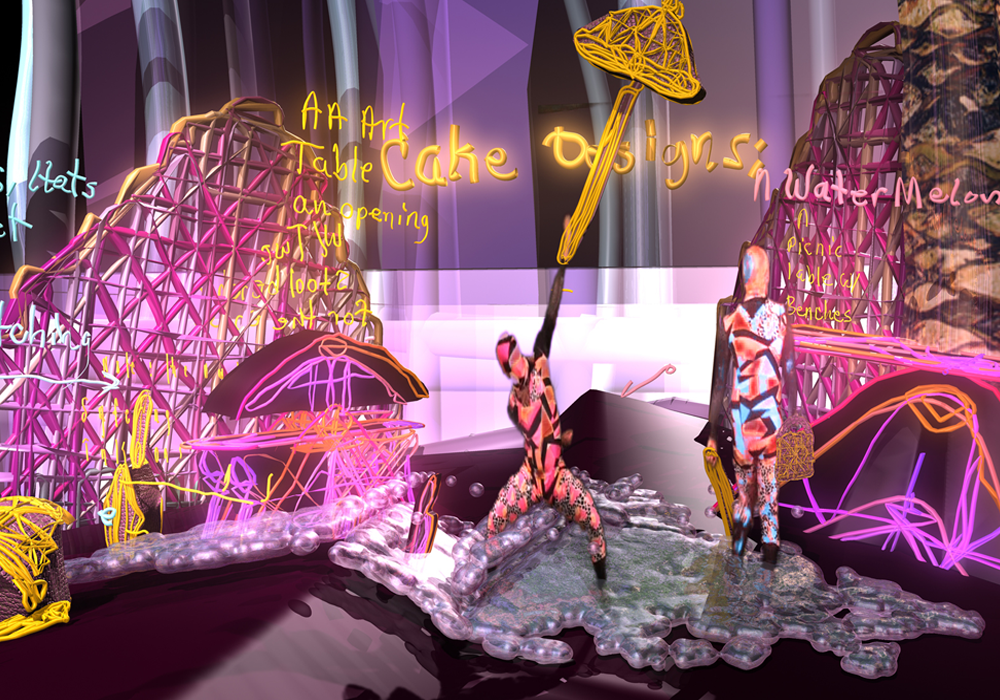
Emotional fantasies, towers of cakes, identity troubles, collapsed distance and time and Samuel R. Delany’s rarely seen 1971 film The Orchid.
Arika have been creating events since 2001. The Archive is space to share the documentation of our work, over 600 events from the past 20 years. Browse the archive by event, artists and collections, explore using theme pairs, or use the index for a comprehensive overview.
Emotional fantasies, towers of cakes, identity troubles, collapsed distance and time and Samuel R. Delany’s rarely seen 1971 film The Orchid.
A trance inducing, flickering investigation of structural and minimalist droning from one of the key thinkers in sound and image over the last 50 years
Quasi-theatrical multiple-projector pieces play with the relationship between performers, art and audiences.
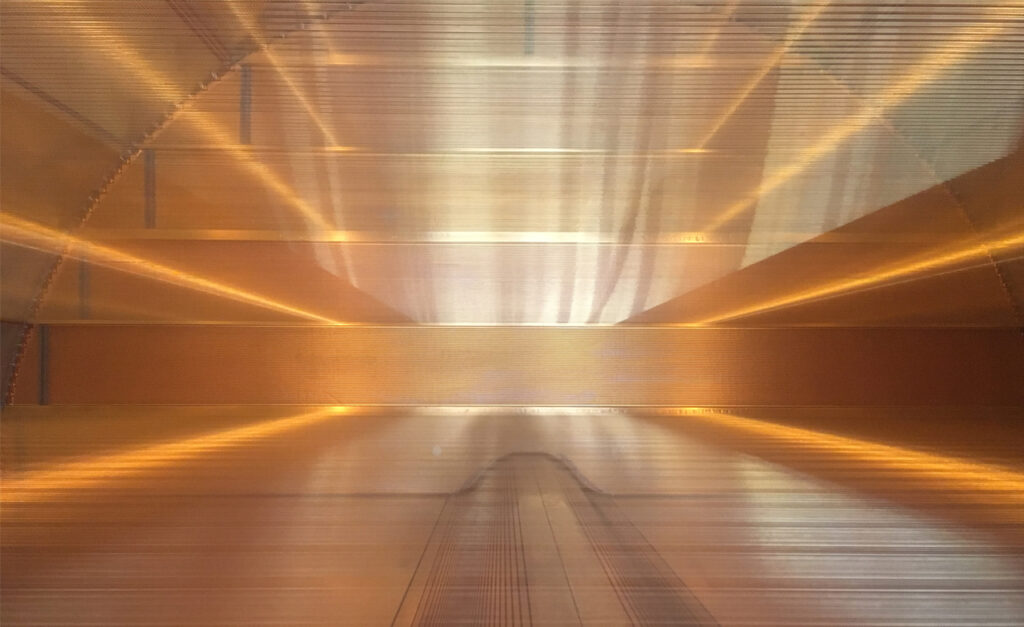
A system in which oscillators shake The Arches, seismographs pick up the harmonics that are then amplified through massive sub-bass PA.
Dundee. Progressive rhythmical guitar squall vs. post-highland discorporate dusk-jockey.
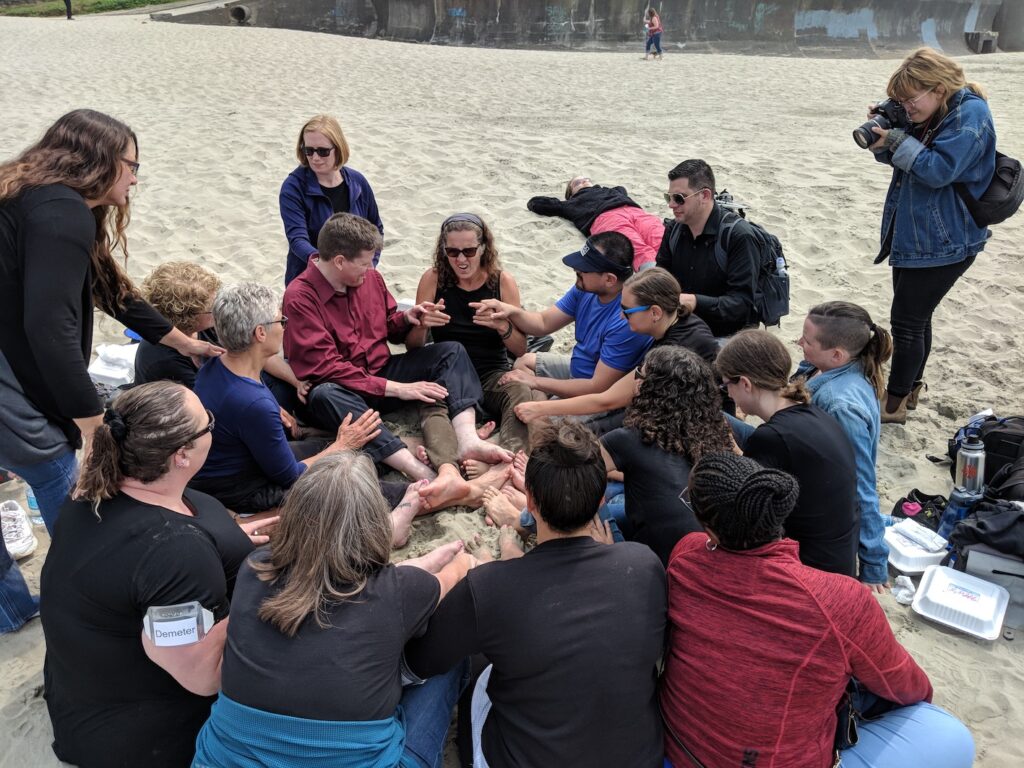
“Introduction to Protactile Theory” is a legendary seminar that facilitator John Lee Clark has designed to bring diverse communities into conversation with the Protactile movement.
Do ideas emerging from particle physics help to re-think of blackness as a mode of life in which it’s possible to practice difference without separation?
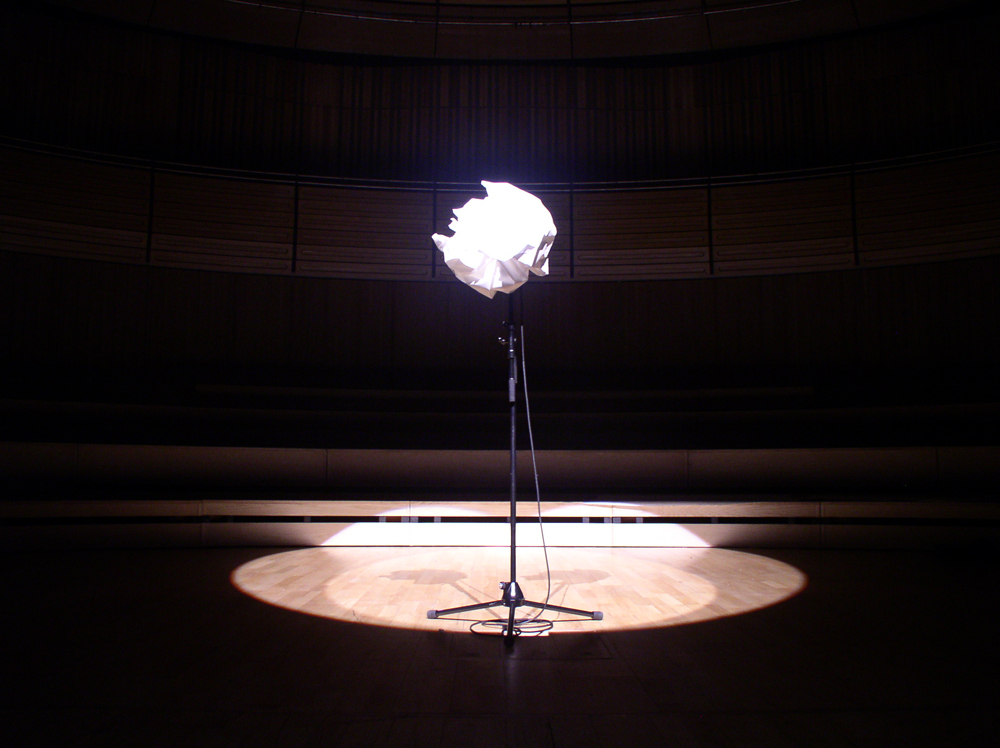
MICRO 1 – Wrap a live microphone with a very large sheet of paper. Make a light bundle. Keep the microphone live for another 5 minutes. T. Kosugi – (1961)
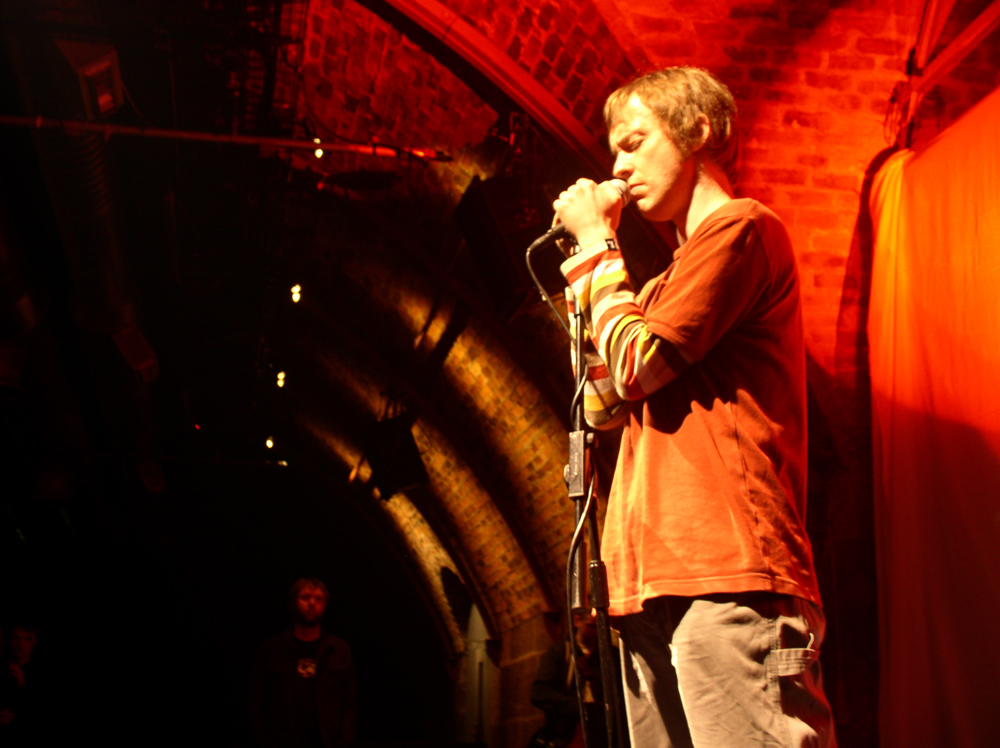
One of the most incessantly experimental musicians in the UK, Youngs’ aesthetic is entirely unique, never really part of any scene [whilst influencing many], steadfastly unafraid and honest
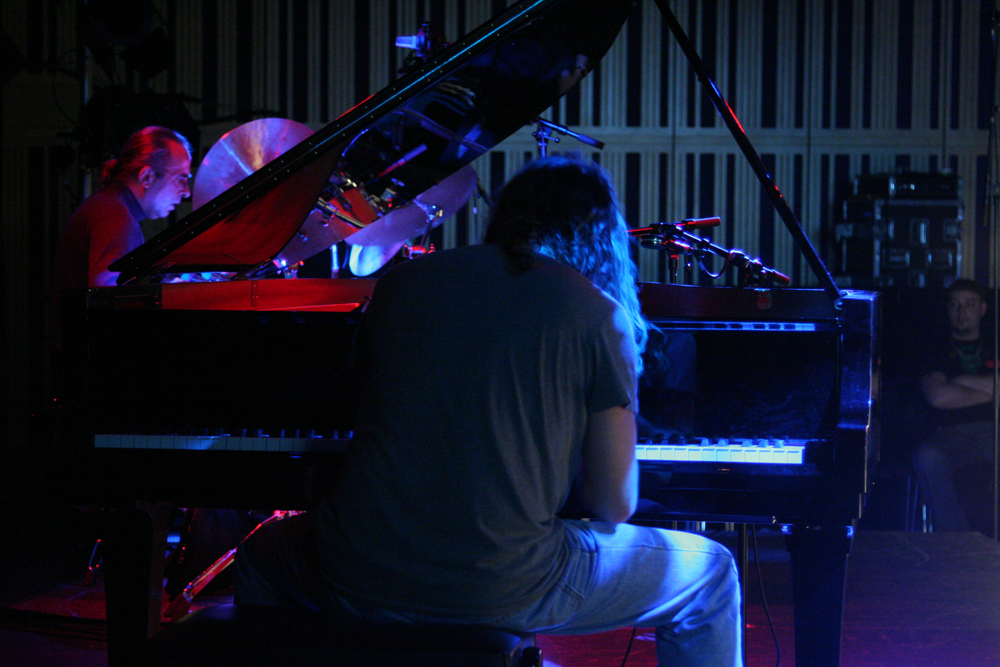
Free jazz pianist John Blum with an everywhere-at-once presence in duo with Jackson Krall, incendiary free jazz drummer and sound sculptor
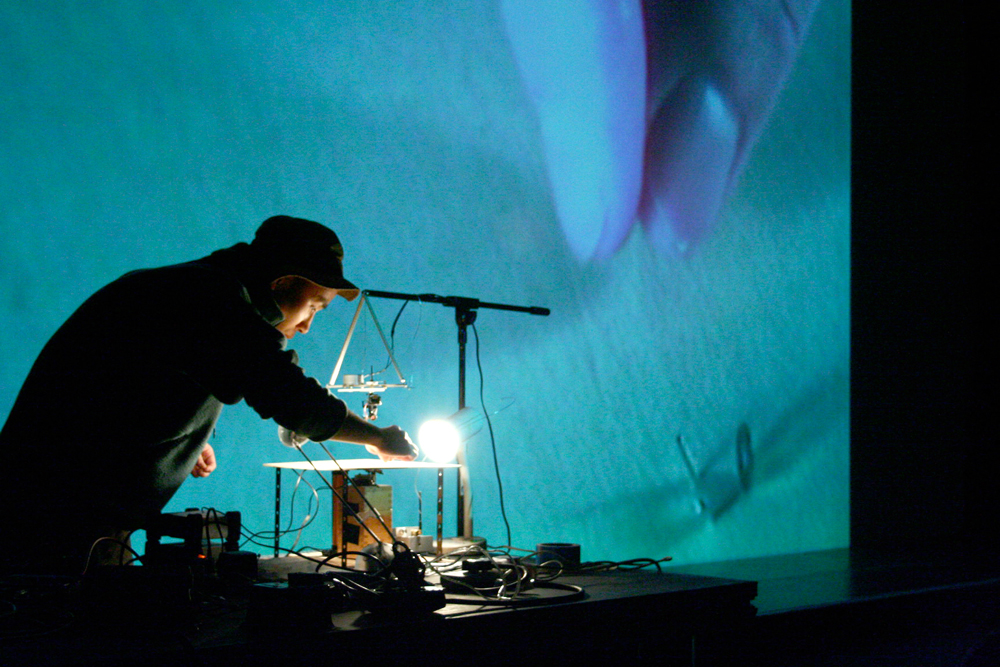
Kanta is a young Japanese artist with a home-made, short circuited take on electronics and physical phenomena which he uses in performance to produce close circuit systems of audio / video feedback.
What is the radical concept at the core of ‘rhythm’, expanded from simply musical or mathematical notions to encompass personal, social, collective rhythms?