Translation
Achim Wollscheid Kenneth Goldsmith
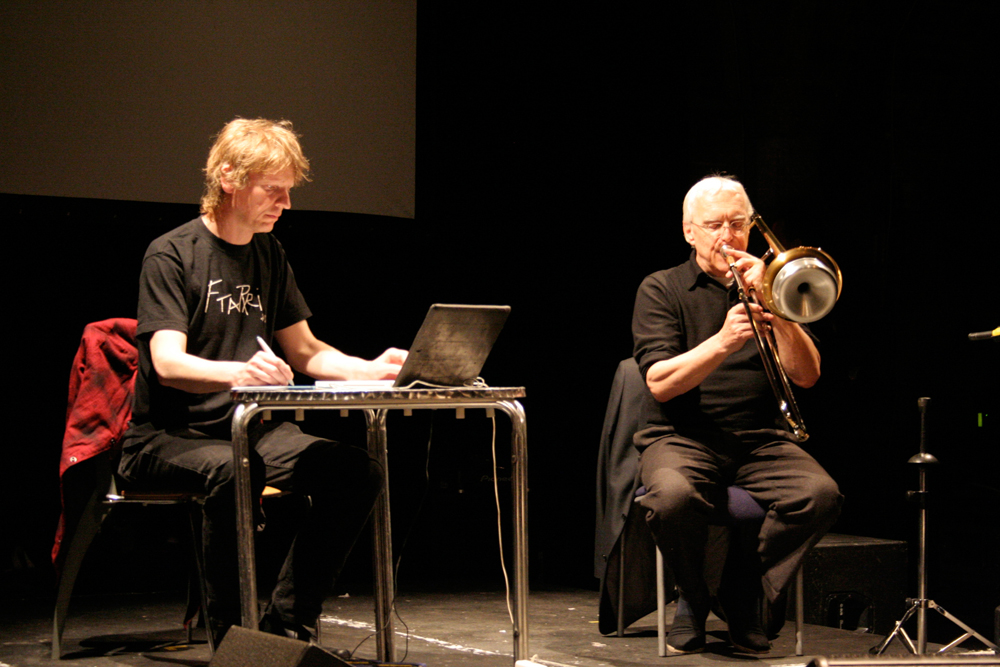
Kenneth Goldsmith reads extracts of his conceptual poetry and Achim Wollscheid manipulates mobile phone signals.
Arika have been creating events since 2001. The Archive is space to share the documentation of our work, over 600 events from the past 20 years. Browse the archive by event, artists and collections, explore using theme pairs, or use the index for a comprehensive overview.
Kenneth Goldsmith reads extracts of his conceptual poetry and Achim Wollscheid manipulates mobile phone signals.
In rethinking the body, the law, the state, gender, race, violence, care and empathy, how we might give humanness a different future?
A performed installation by one of Germany’s most interesting visual artists, based on edited transcripts of the 1961 trial of Adolf Eichmann in Jerusalem and the writings of Hannah Arendt
How do people living with disability see themselves in today’s sexualised culture? How do we imagine our crip sexual selves despite society wanting to reduce us to non-erotic bodies?
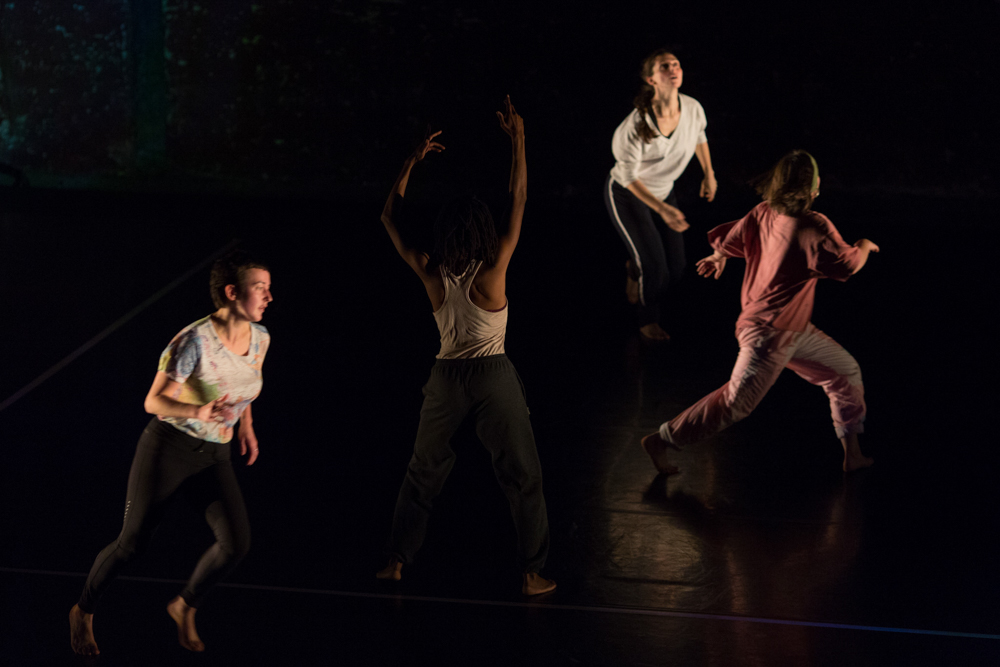
Beyond time, colorlines, ability, and sexuality, a movement exploration into what it means to see and be seen, how hearing contrast with what is actually being heard.
Three intimate 45 minute sessions, reading your political questions – using Tarot, Palmistry, Reiki, Astrology, and Philosophy, and the invented methods of Fake and Political Therapy.
Whether drawing their own fractured, abstract narrative, or re-contextualising, chewing up and spitting out someone else’s, each of the films here take a dramatic arc as their starting point and throw it to the wind.
Each organ is unique. The project is to find out what makes it unique.
Take a break and/ or hang in an Open Meet Up in IRL and URL
A series of three short performed situations and statements to be examined or judged from the most interesting young musician in Glasgow (we think).
How do communities formed under the duress of violent othering and the joy of solidarity – such as ballroom culture, Black diasporas, Zapatistas – reform bonds of kinship?
What might Carter and Parker’s collaboration tell us about our own performances of responsibility and liberty, whether individual, social or musical?