Diamanda Galás
Diamanda Galás
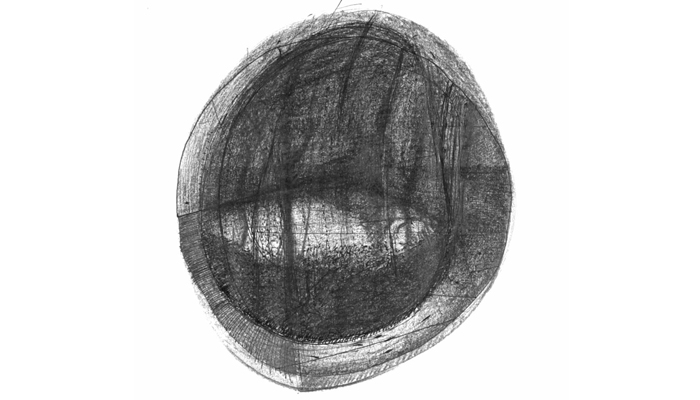
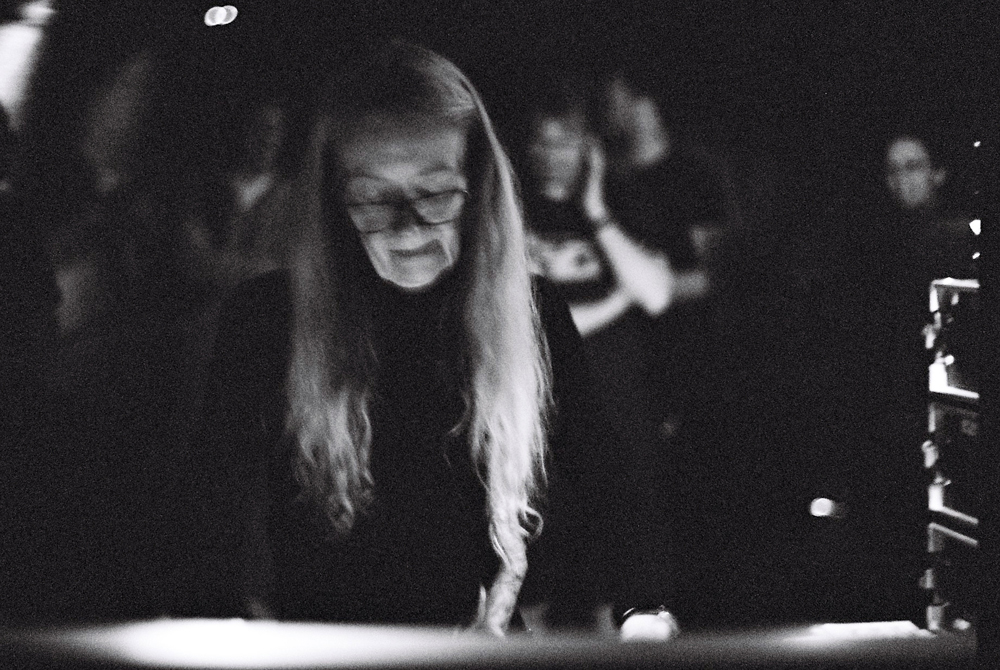
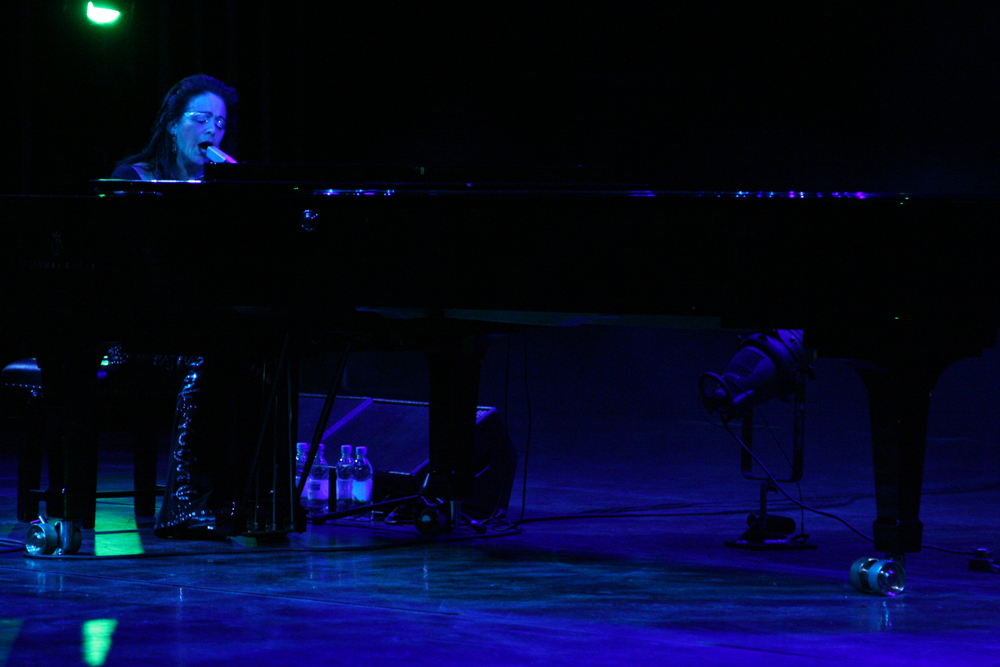
Solo performance by Diamanda Galás one of the great artists of the last forty years. Hers is an emotional expressionism of demonic shrieks, operatic falsettos, glottal clicks and diabolical growls.
Arika have been creating events since 2001. The Archive is space to share the documentation of our work, over 600 events from the past 20 years. Browse the archive by event, artists and collections, explore using theme pairs, or use the index for a comprehensive overview.
Solo performance by Diamanda Galás one of the great artists of the last forty years. Hers is an emotional expressionism of demonic shrieks, operatic falsettos, glottal clicks and diabolical growls.
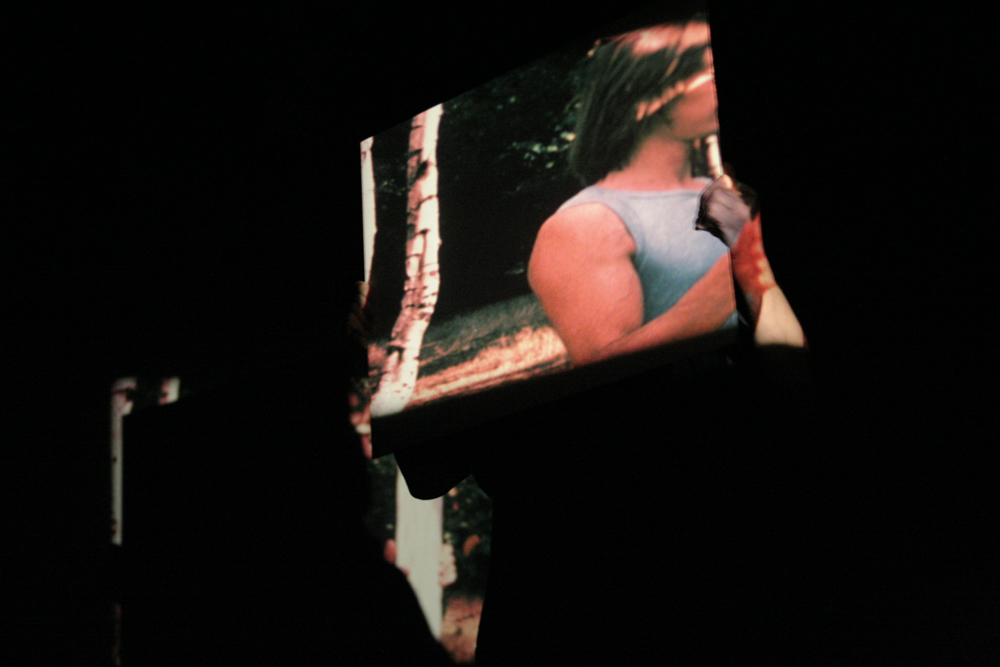
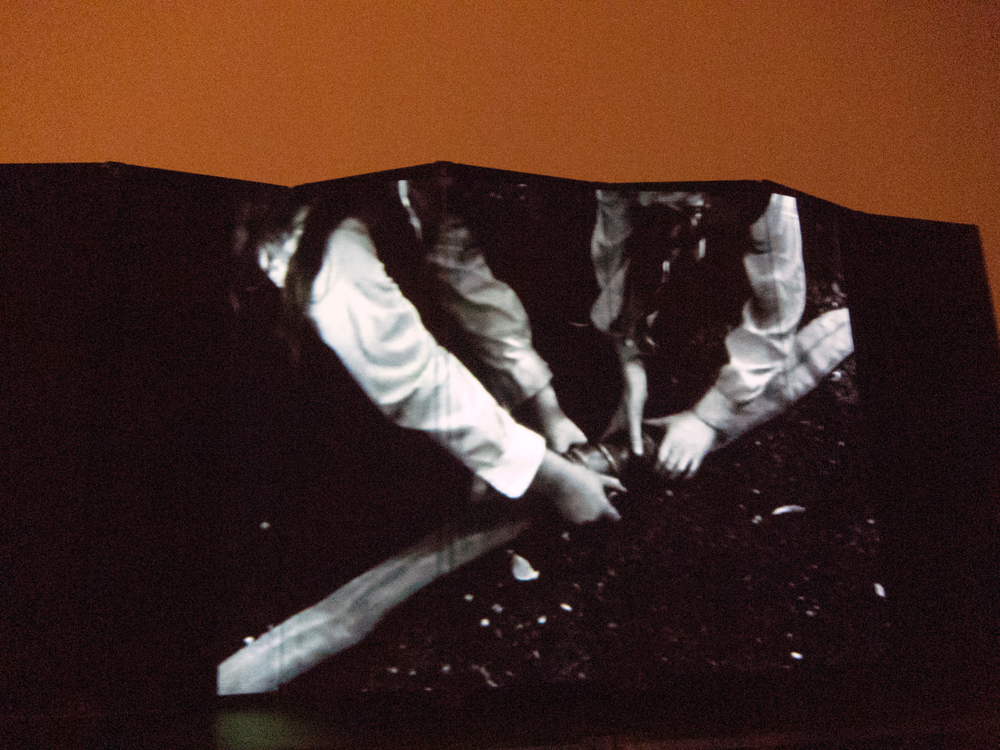
A film performance about Guy then, and Guy now, as a metaphor for the passing of time, which of course all film is inherently about.
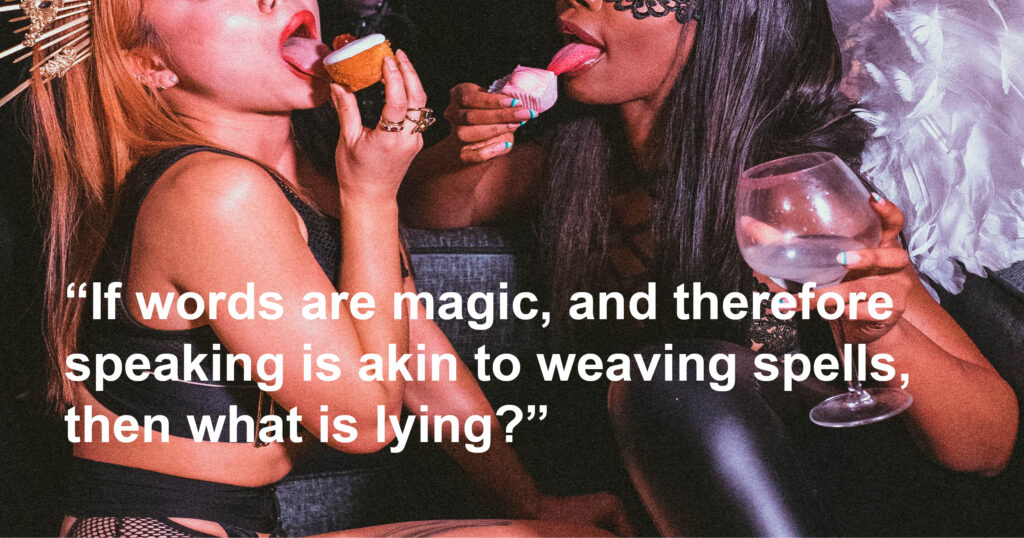
An evening extravaganza celebrating the London launch of Truth & Lies: an Anthology of Writing and Art by Sex Workers
Expect slutty DJs, playful performances, stripper poles, rococo cakes, union broads and intimate readings…
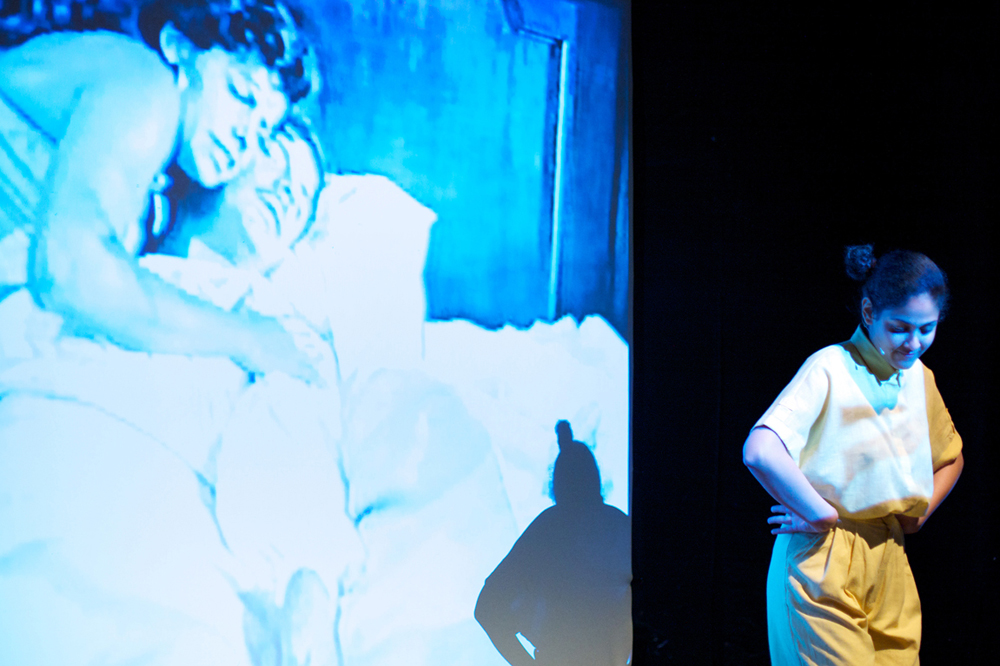
A performed film lecture exploring how the ‘Rumberas’ of Caribbean cinema of the 40’s and 50’s subverted demeaning images of themselves through dance, sound and a sociality that insisted on blackness as being a cultural performance, not simply due to skin colour.
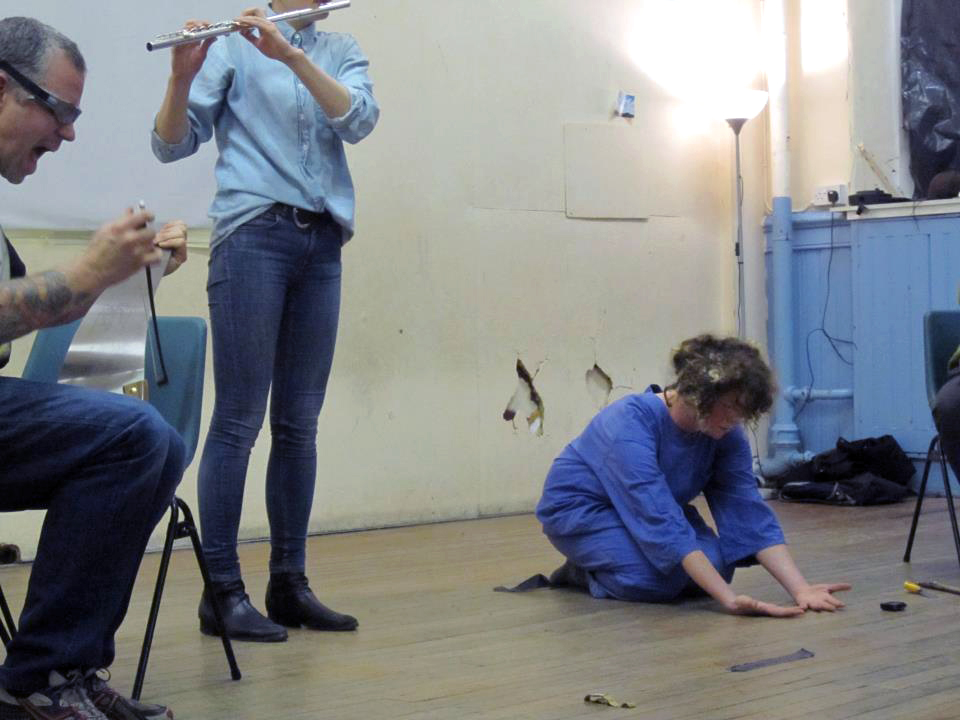
Performances of compositions by Jean-Luc Guionnet and others, with Julia Letitia Scott, Iain Campbell F-W, Neil Davidson, Fritz Welch, Liene Rozite, Emilia Beatriz.
Each organ is unique. The project is to find out what makes it unique.
A rare live performance which, although not a full installation, made use of the unique acoustic and spatial properties of the Arches to rattle the audience and help it locate its third ear.
Sonic ‘observations’ of the world, through micro recordings on a tiny scale and transformed into something musically compelling.
A bodiless treatise on narration, bored speakers, audience misbehaviour and police megaphones, but: is anybody listening?
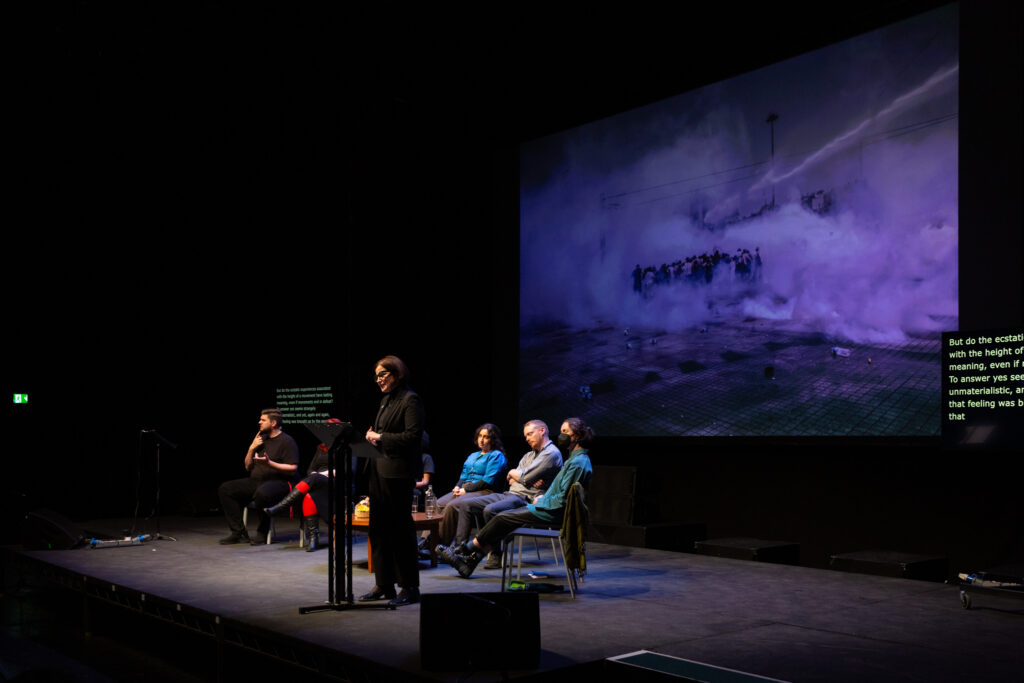
Four perspectives from people involved in different anti-capitalist and anti-racist struggles, considering how ideas of ‘ending’ have shaped their political thinking and praxis.
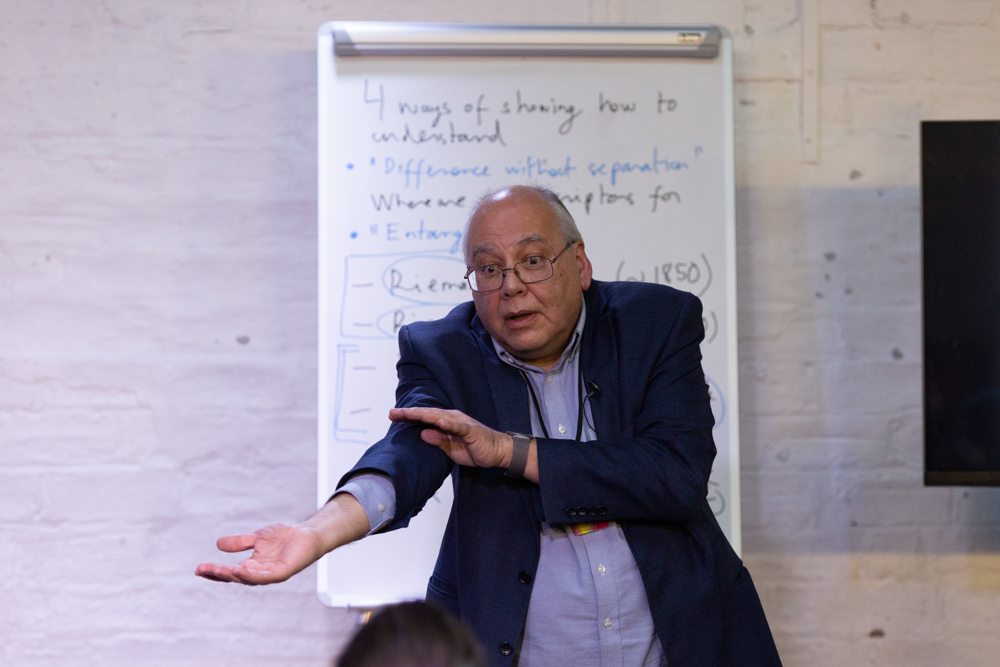
Fernando thinks that when maths is deep, it should be simple and able to be explained by hand gestures. By embodying ideas, we’re able to more clearly think about their cultural implications.
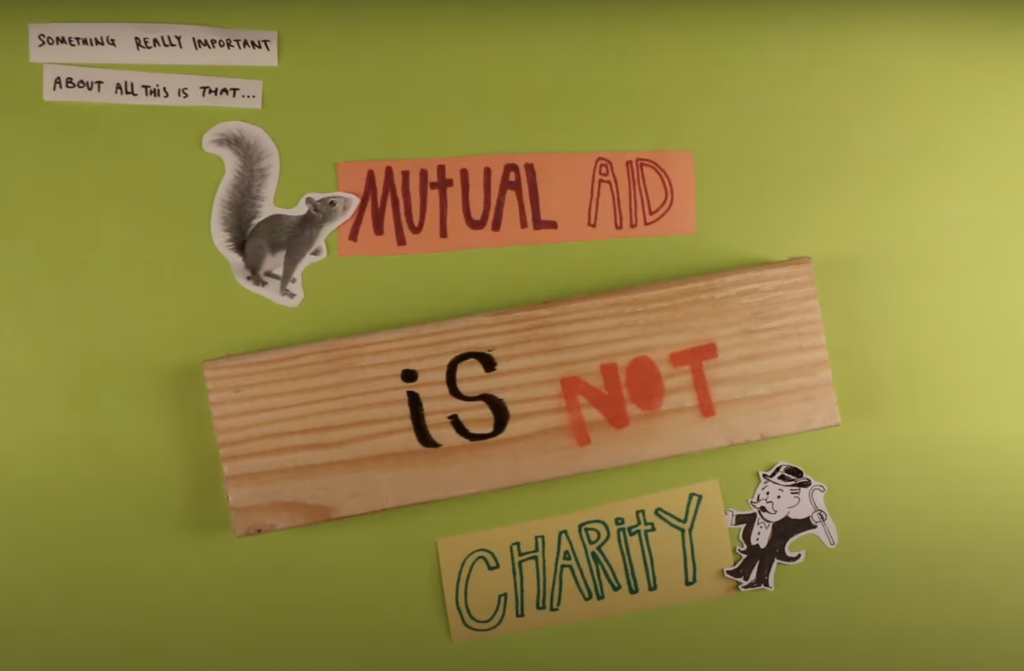
How do we make the connections between the mutual aid practices of our daily lives and anti-capitalist efforts to dismantle wider systems of exploitation?