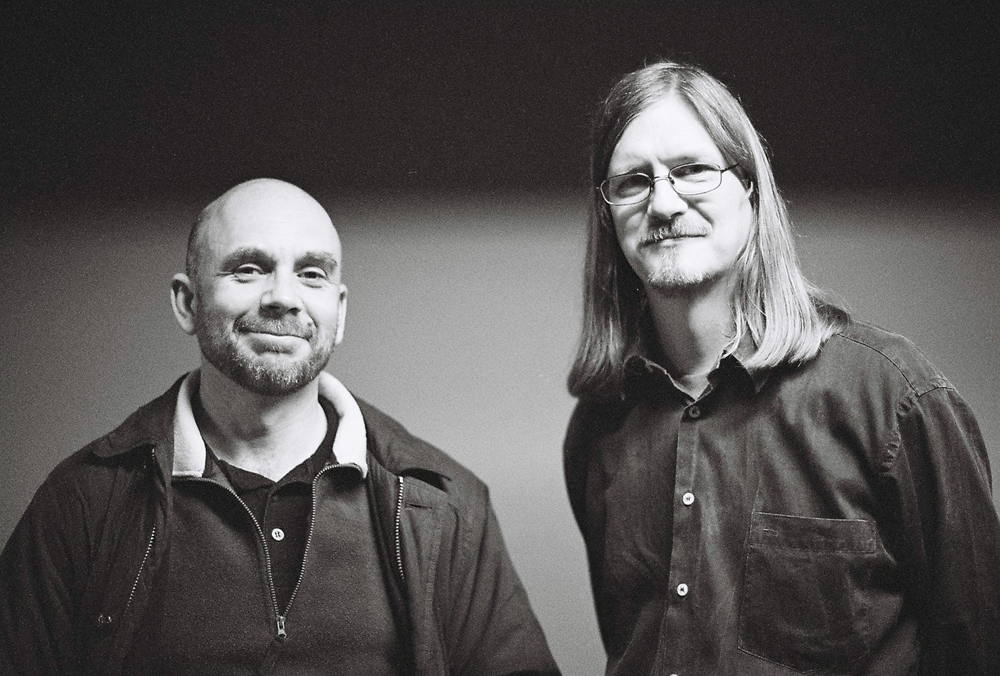
Talk by Alan Cummings: A personal history of the Japanese Underground
Alan Cummings
Talk charting the radical history of experimental music in Japan + the lowdown into the careers of many of the artists appearing at MLFC.
Arika have been creating events since 2001. The Archive is space to share the documentation of our work, over 600 events from the past 20 years. Browse the archive by event, artists and collections, explore using theme pairs, or use the index for a comprehensive overview.
Talk charting the radical history of experimental music in Japan + the lowdown into the careers of many of the artists appearing at MLFC.
Vajra are a Japanese psychedelic rock supergroup, hewn from the collective consciousness of Fushitsusha’s Keiji Haino, folk radical Kan Mikami and percussionist Toshiaki Ishitsuka.
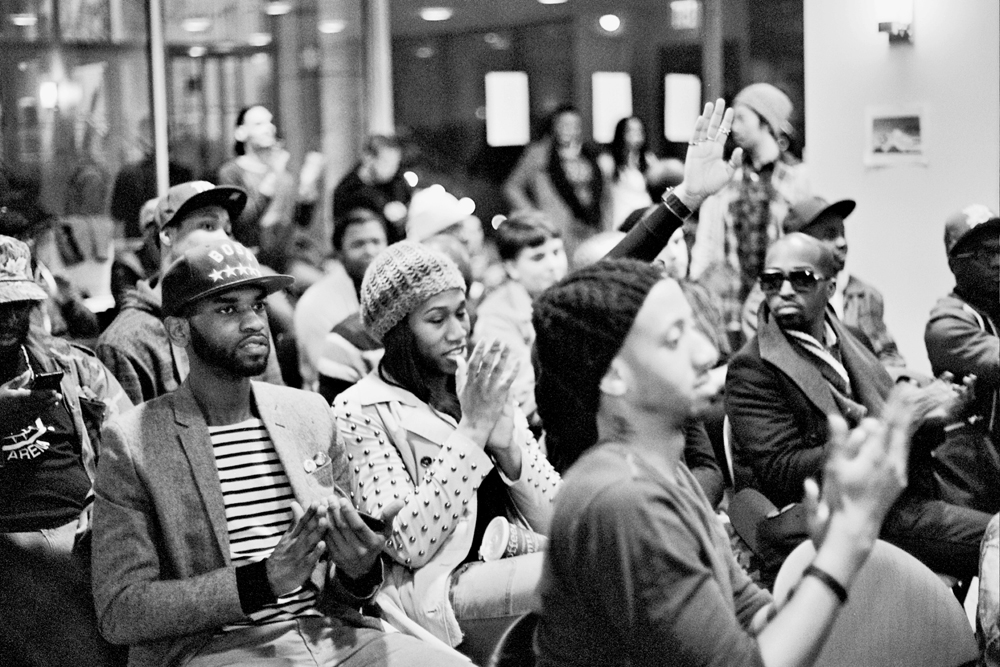
Organised by Twiggy Pucci Garcon and Pony Zion, The Masters Ball focuses on the work of 50 individuals designated within the scene as ‘masters’ in their respective performance categories, which include Vogue, Runway, and Face.
How do we make the connections between the mutual aid practices of our daily lives and anti-capitalist efforts to dismantle wider systems of exploitation?
In a moment of social exhaustion, we want to ask how we might care for each other differently. We Can’t Live Without Our Lives is a 5-day exploration of care as a form of struggle and resistance, with communities who embody it.
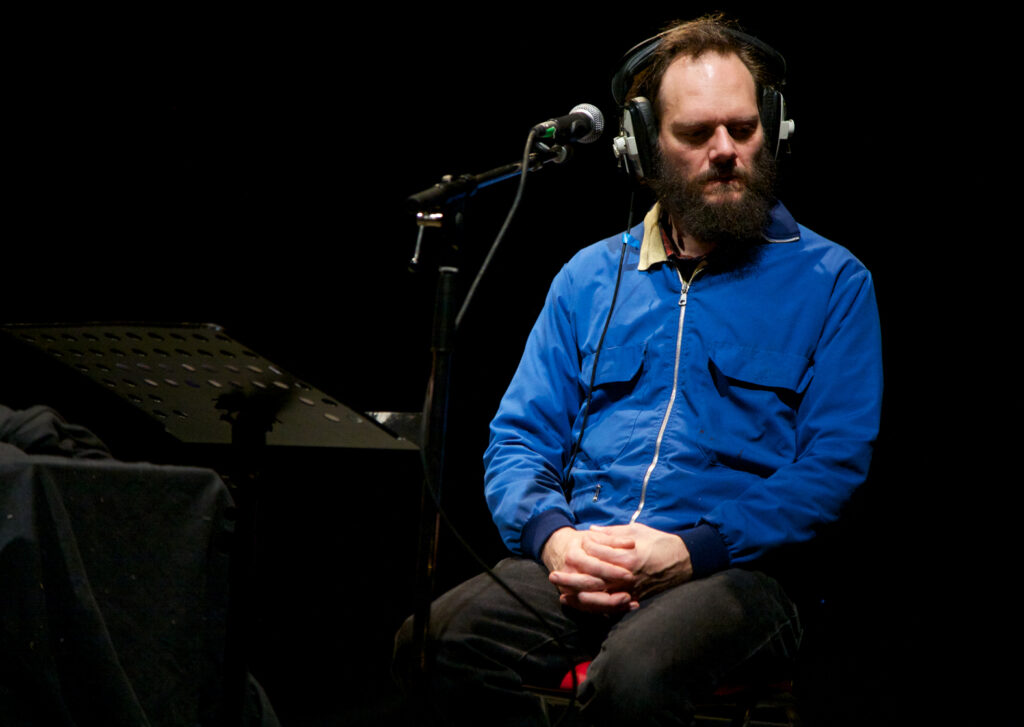
The Echo project is an installation as audio guide for a crowd. And at the same time it’s a private conversation: with you, as one of 20 people in a room, a sort of public intimacy.
With lo-fi dreams and high-def humor, Bande brings MC vibes to the day. Interluding music with spoken performance, the live extimacy of Bande’s presence reaches out via emo-techno-bridges.
A beautifully crisp, slowly evolving duo for cello and projected images. Abstract but still figurative; change only noticeable after the fact.
The Songspiels take on a mode of musical theatre developed by playwright Bertolt Brecht and composer Kurt Weill in the early twentieth century, presenting political and social concerns through the accessible and (often funny) form of song.
Offering a crip grief transformation and witness altar. A place to sit and breathe, remember our dead, wash our hands and leave offerings to and for loved ones we’ve lost – and for ourselves. Expect fire and a little bit of smoke. Concluding with a D/deaf centered social space with conversational interpreters available for those who do not speak ASL.
Film and sound stripped of ‘content’ and experienced spatially, to be looked at not on the screen but in the space of the gallery
What is happening when systems of repression try to grasp communities’ ways of being, living or surviving, applying laws of sexuality, gender or race to cast them as criminal?