Kuwayama & Kijima
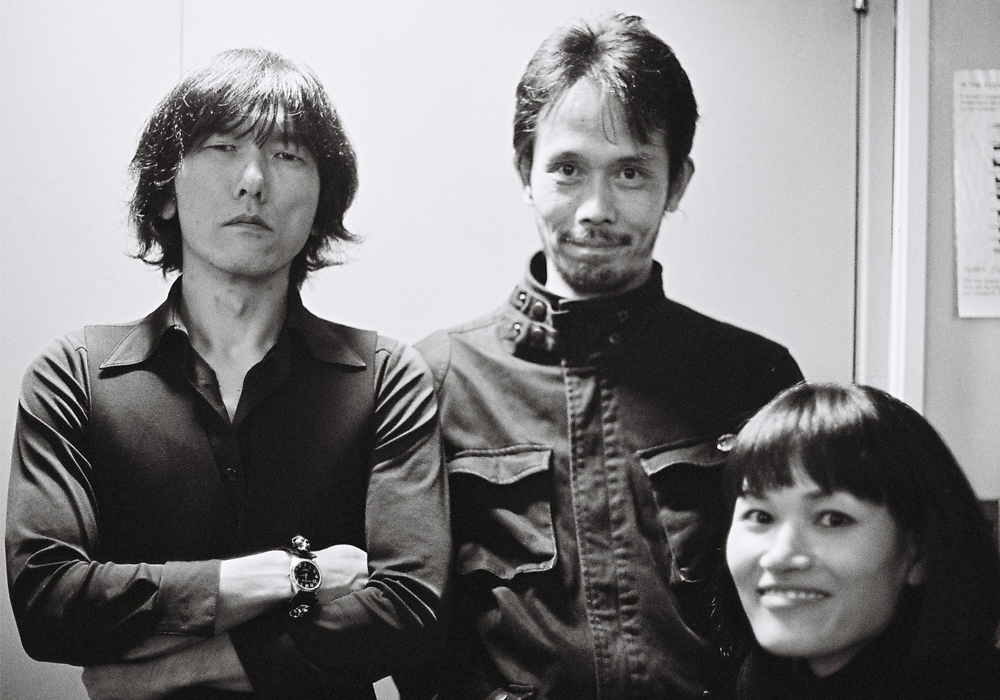
Kiyoharu Kuwayama Rina Kijima
Using violin and cello the duo map out a twilight sonic world that seems to tread the faultlines between improvisation and composition.
Arika have been creating events since 2001. The Archive is space to share the documentation of our work, over 600 events from the past 20 years. Browse the archive by event, artists and collections, explore using theme pairs, or use the index for a comprehensive overview.
Using violin and cello the duo map out a twilight sonic world that seems to tread the faultlines between improvisation and composition.
Jean-Luc Guionnet will be giving a talk as part of the music department’s ongoing series of colloquia.
Talk charting the radical history of experimental music in Japan + the lowdown into the careers of many of the artists appearing at MLFC.
For day two of Ultra-red’s project, the investigation will take up protocols for listening to the sound of freedom composed and facilitated by the Vogue’ology collective.
Formed as a means to realise William Bennett’s goal of “a sound that could bludgeon an audience into submission”
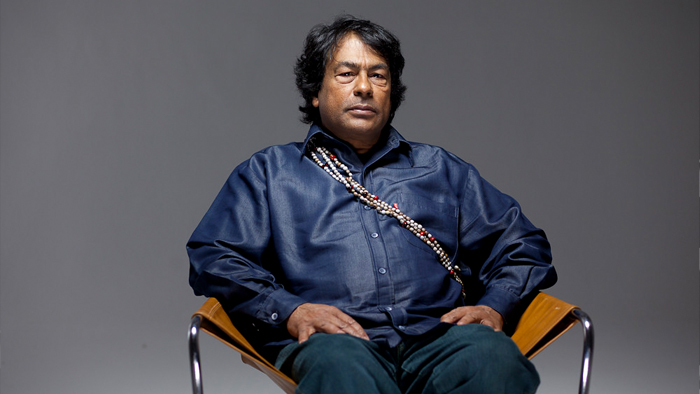
A recorded a conversation that grounds the Episode, exploring Ailton Krenak’s thinking and distinct poetics of life; as it work against capitalism and fascism, as a denunciation of political alliances, and maybe even of ‘politics’.
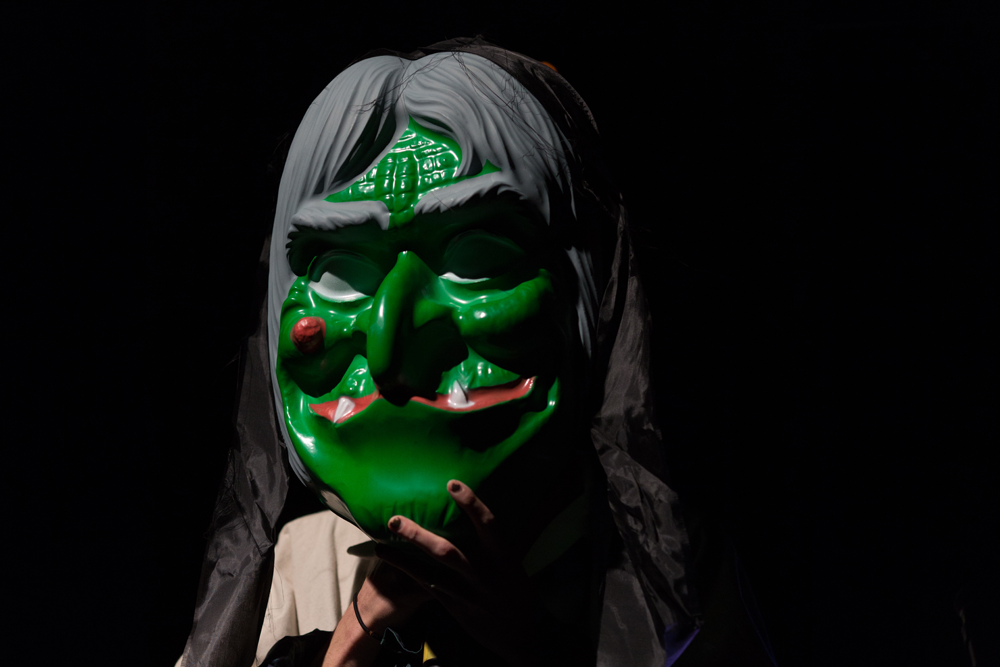
A somehow hyper-modern, ancient and folkloric lip-synced, made-up, fashioned performance.
An audio and video investigation of gender cults, Catholicism, hauntings and nuns’ use of audio devices…
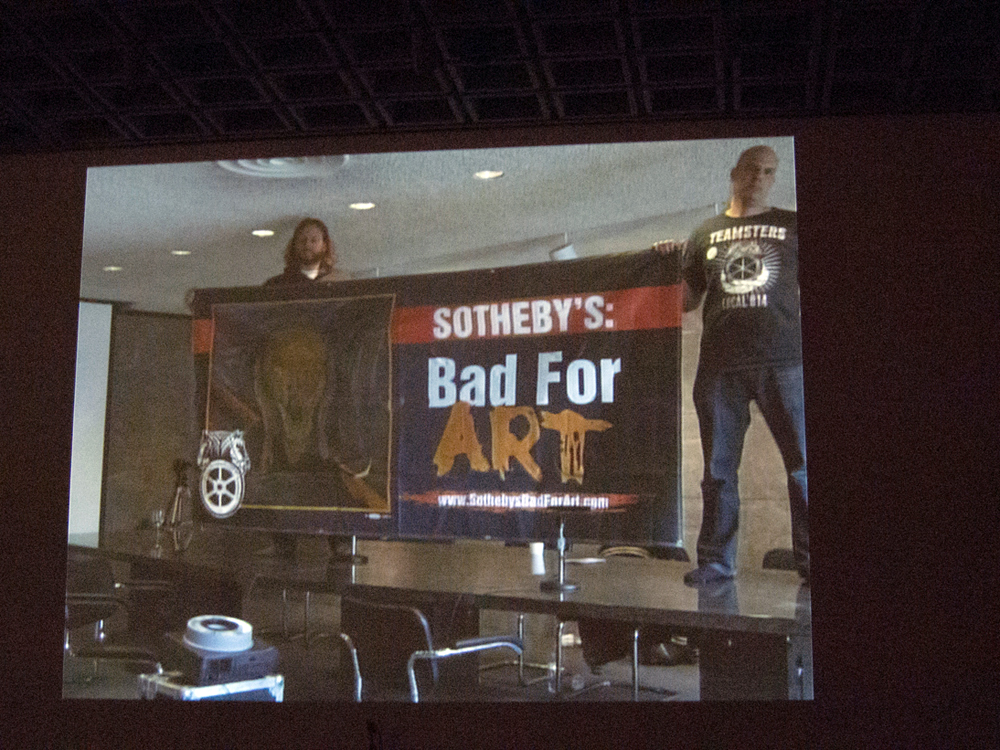
When one calls a strike, who hears the call, who attunes and listens to it? How to listen to the call of a strike? What prevents one from hearing this call or stops one from listening to it?
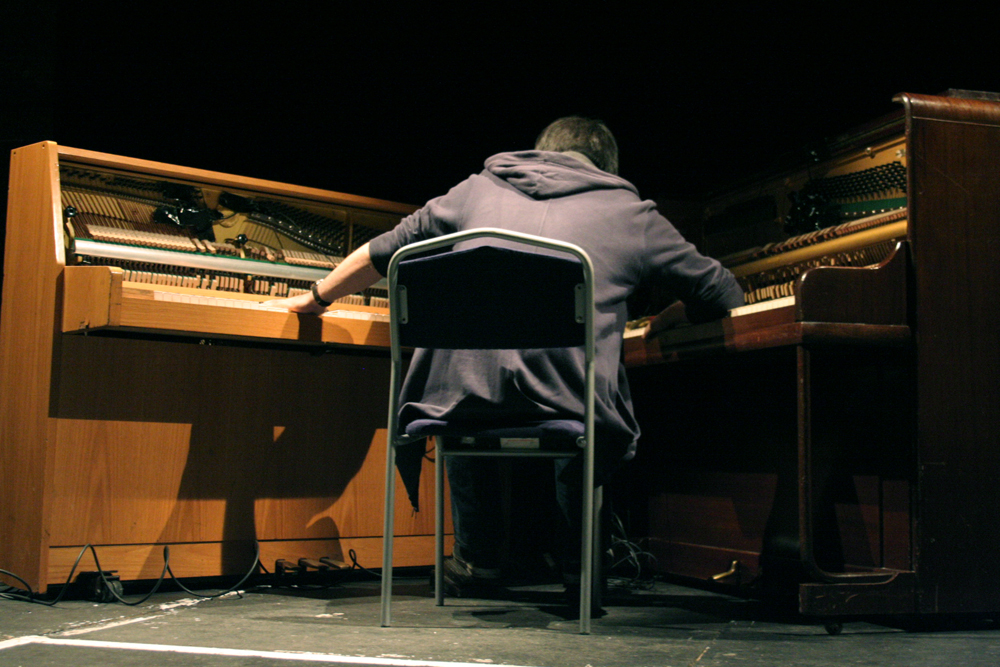
Sachiko’s very simple, pure sine tones and structures. Otomo on double pianos. Filament’s music isn’t composed and it isn’t improvised: it’s a hybrid of the two.
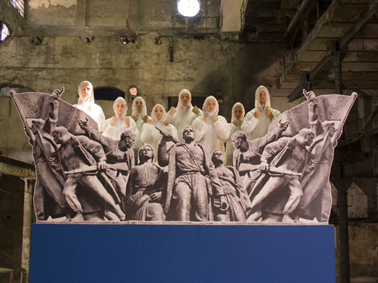
The Songspiels take on a mode of musical theatre developed by playwright Bertolt Brecht and composer Kurt Weill in the early twentieth century, presenting political and social concerns through the accessible and (often funny) form of song.
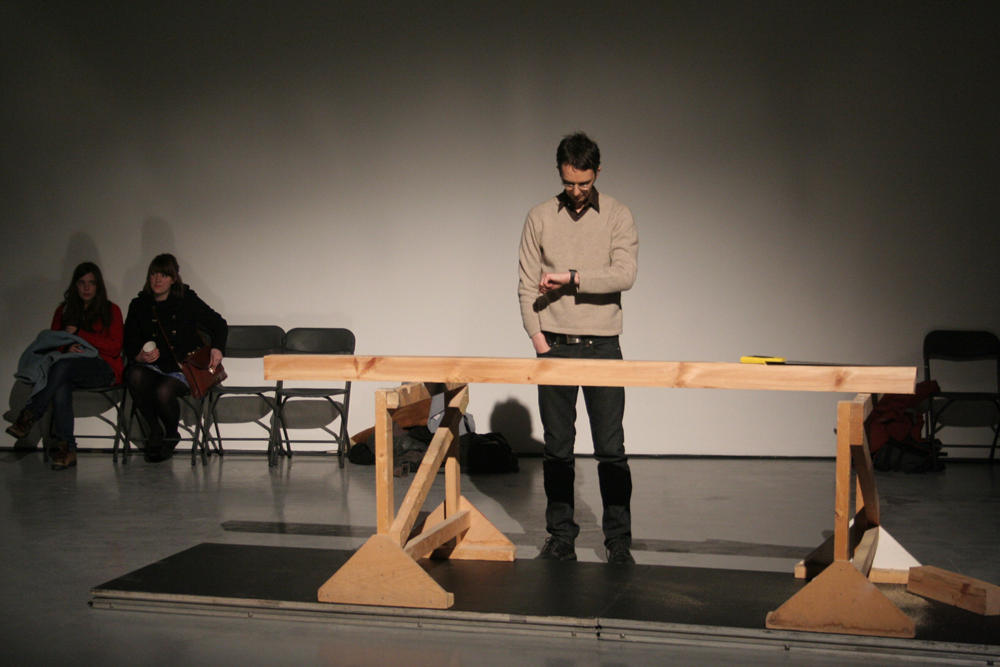
Can we use sound, repetition and difference to personally and collectively engage with space, time and labour?