Icon’s Lunch
Various Artists
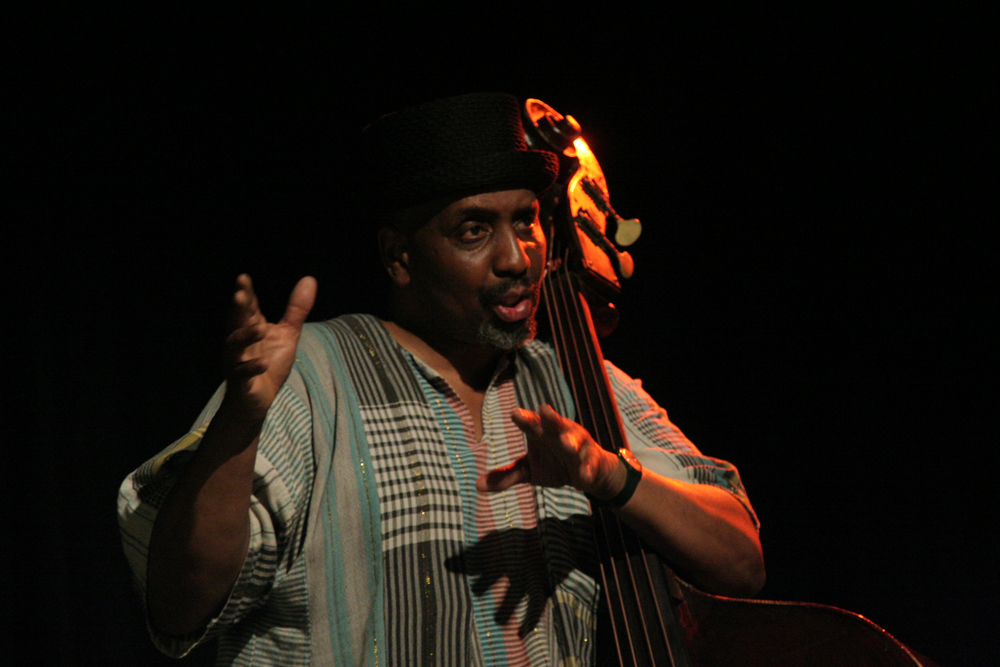
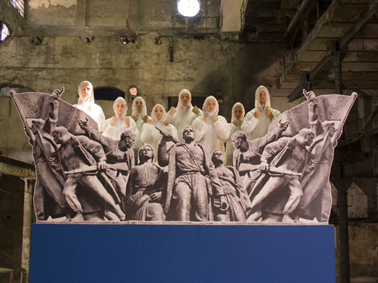
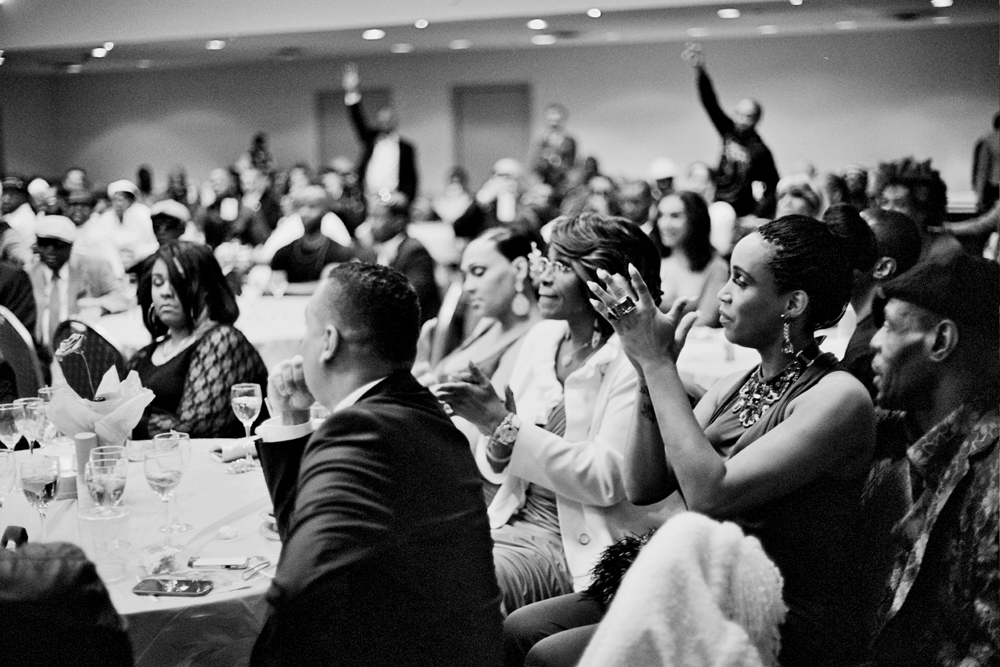
This event honoured those individuals who achieved the status of Icon during the period of 1986-1990.
Arika have been creating events since 2001. The Archive is space to share the documentation of our work, over 600 events from the past 20 years. Browse the archive by event, artists and collections, explore using theme pairs, or use the index for a comprehensive overview.
This event honoured those individuals who achieved the status of Icon during the period of 1986-1990.
A testimony to poverty from Chris’s own experiences, and an invitation to engage with an all too typical situation and context through a kind of imaginary listening.
The practice of North African Indigenous revolutionary love, in the face of European capitalist violence and settler colonialism, with one of the most vital anti-colonial thinkers in Europe.
Adamantly analogue, inspiring and frequently chaotic in performance, Metamkine draw no distinction between image and sound; during their intuitively improvised performances music and images are created simultaneously and equitably.
The site of the former Abbeyhill Station on the 1903 Leith branch of the Edinburgh and Dalkeith railway, overgrown and leading to as yet un-regenerated ‘wasteland’; taxi’s for 80 people, each instructed to take different routes between locations and; a slice of land concealed behind corporate business park branding off the Wester Approach Rd, apparently of no conceivable use and named ‘Chateaux de Scum’ by those who use it anyway.
What’s the relationship between the eternal hum of the oceanic beloved and the persistence of vorticity in fluid dynamics? And how does Alice Coltrane’s harp help us stay there?
Dworkin asks: What would a non-expressive poetry look like? A poetry of intellect rather than emotion?
William cradles, hammers, and rains down blows, plucking and using 2 bows to attack the strings above and below the bridge, all in the service of a fiery and passionate creativity.
A cinema of the mind, a film to take place in the viewers’ imagination(s).
The Songspiels take on a mode of musical theatre developed by playwright Bertolt Brecht and composer Kurt Weill in the early twentieth century, presenting political and social concerns through the accessible and (often funny) form of song.
Can a musician create a sonic photograph; something with a depth of field, where you can hear sounds and their interconnections, much as you see objects and their relationships in a photo? Could a filmmaker use musical concepts to represent landscape?
Killer of Sheep is an undisputed masterpiece of African-American filmmaking and one of the most poetic, perceptive dramas ever made about family and community.