Shadowed Spaces
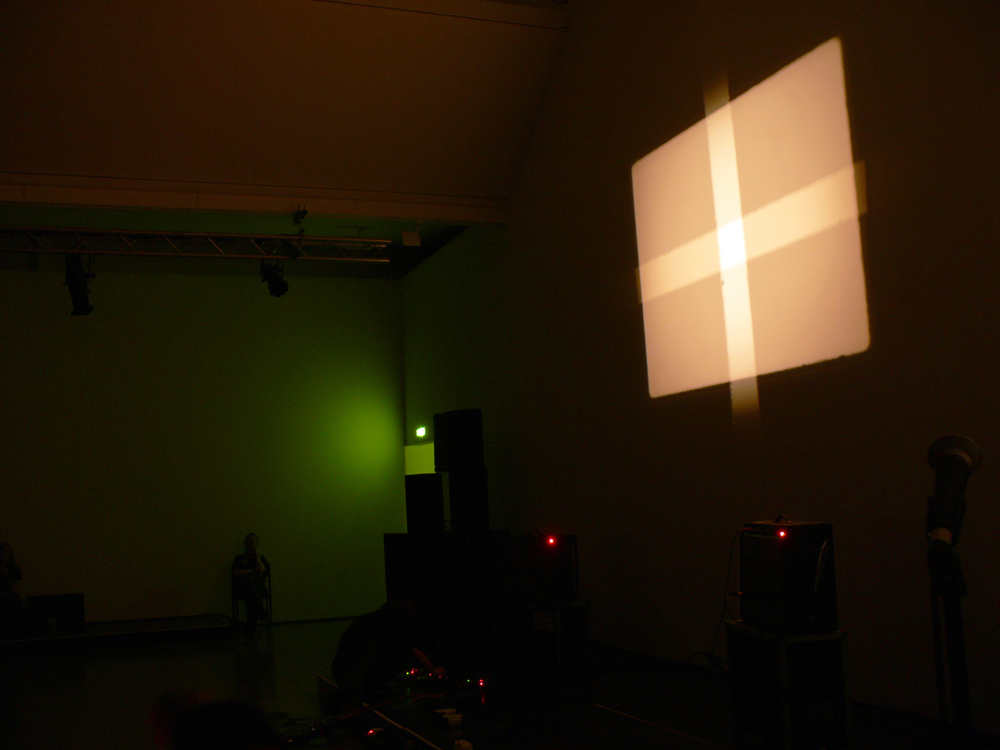
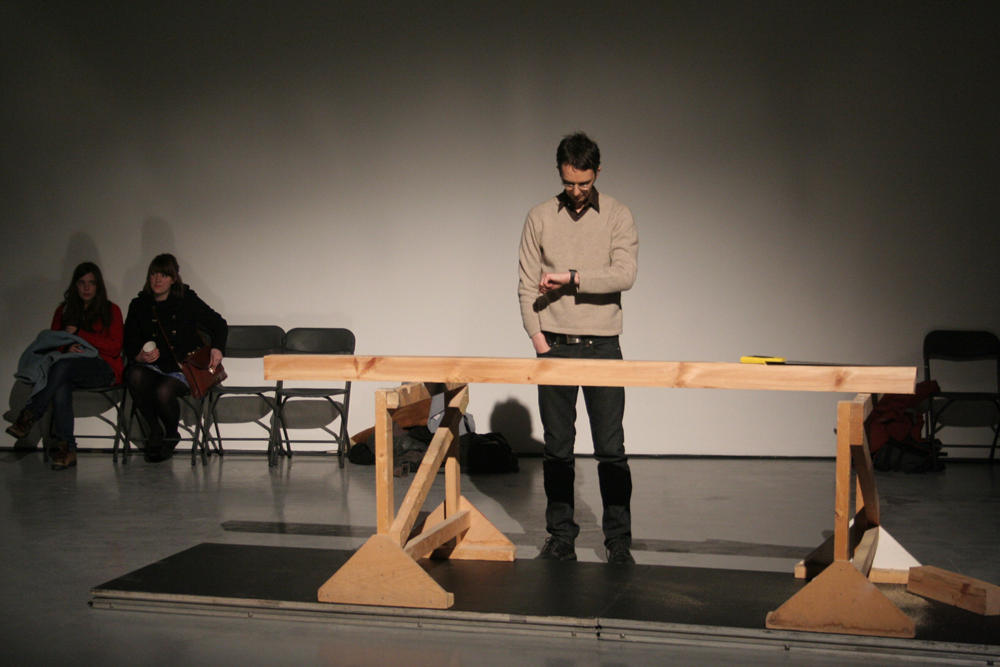
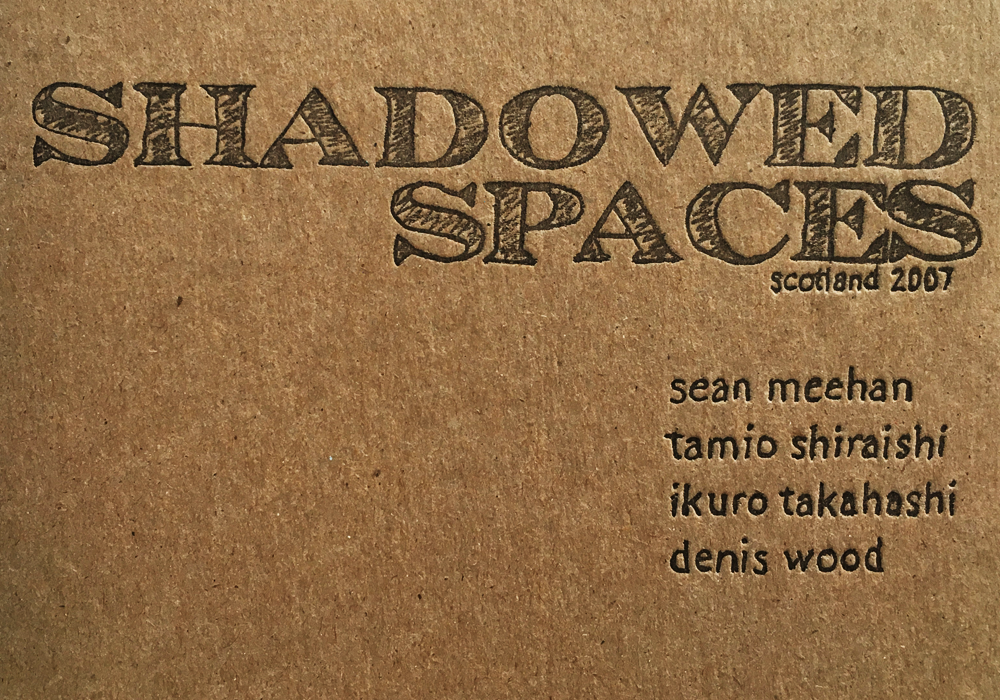
There exist places in our towns and cities that are created not by design, but by circumstance. Shadowed Spaces was a tour of overlooked, bypassed and unconsidered nooks and crannies with 3 musicians.
Arika have been creating events since 2001. The Archive is space to share the documentation of our work, over 600 events from the past 20 years. Browse the archive by event, artists and collections, explore using theme pairs, or use the index for a comprehensive overview.
There exist places in our towns and cities that are created not by design, but by circumstance. Shadowed Spaces was a tour of overlooked, bypassed and unconsidered nooks and crannies with 3 musicians.
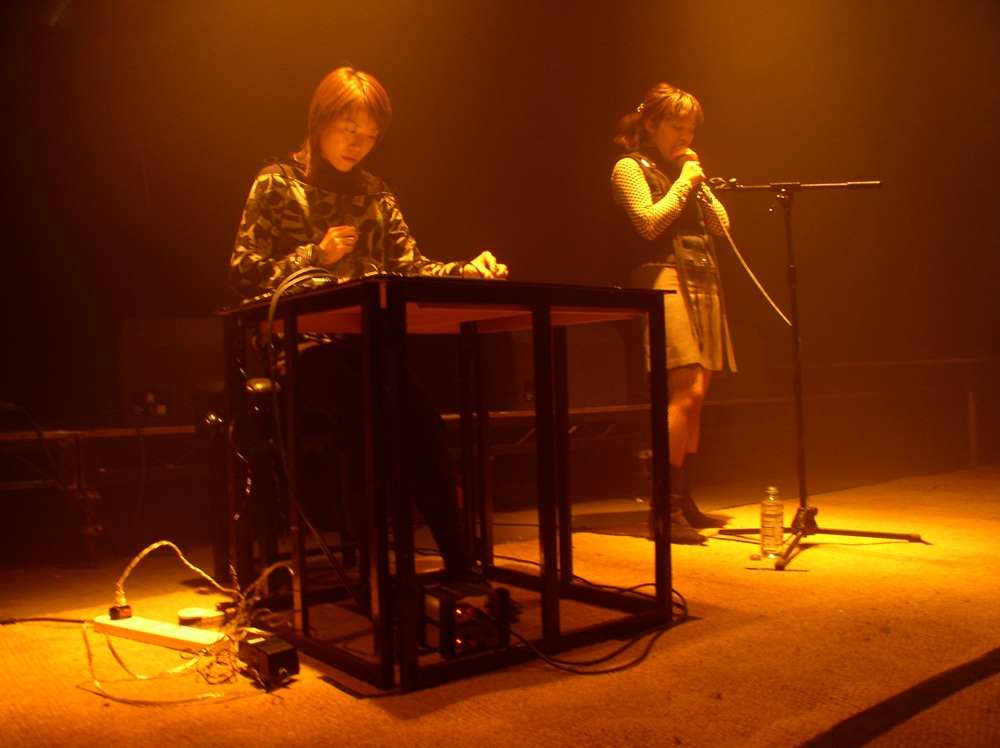
A concrete walkway ending in mid air, a ridiculously tight squeeze between three office buildings and various other sites of Labour politician and council leader T. Dan Smith’s modernist regeneration projects and ‘slum clearances’ of the 1950’s and 60’s.
Sachiko M and Ami Yoshida, two of the most prominent members of the Onkyo movement, place much more emphasis on sound texture than on musical structure, distilling elements of techno, noise, and electronic music into a unique hybrid.
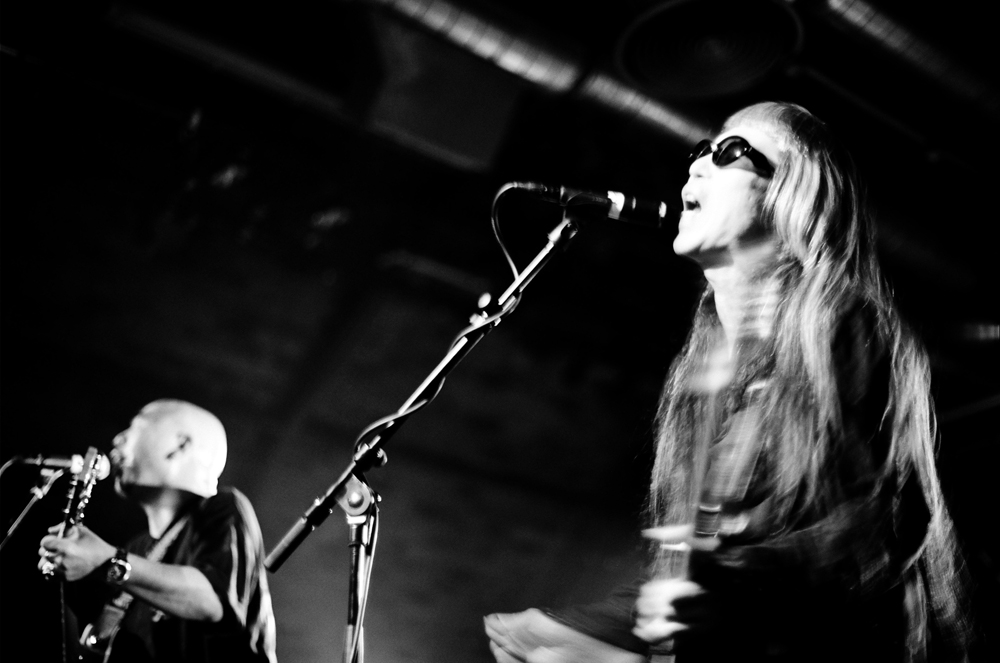
Vajra are a Japanese psychedelic rock supergroup, hewn from the collective consciousness of Fushitsusha’s Keiji Haino, folk radical Kan Mikami and percussionist Toshiaki Ishitsuka.
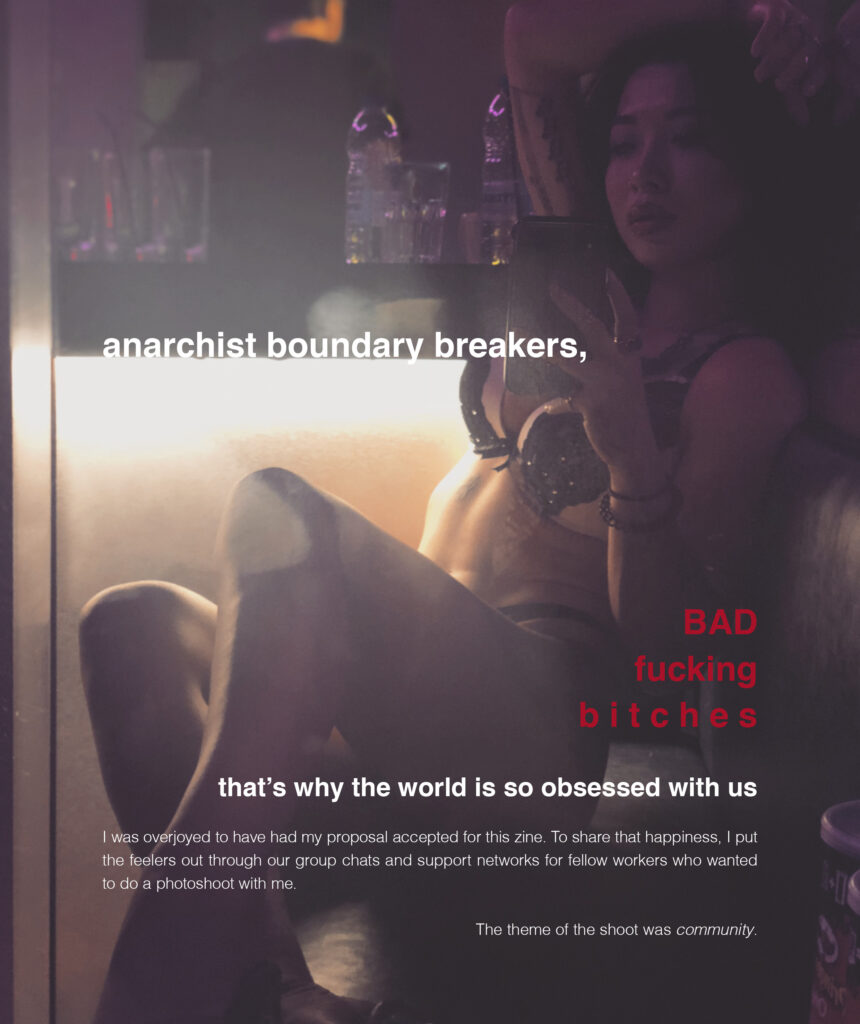
The Truth and Lies book project emerges as part of a rising tide of sex worker art and organised struggle to end criminalisation and stigmatisation of sex work.
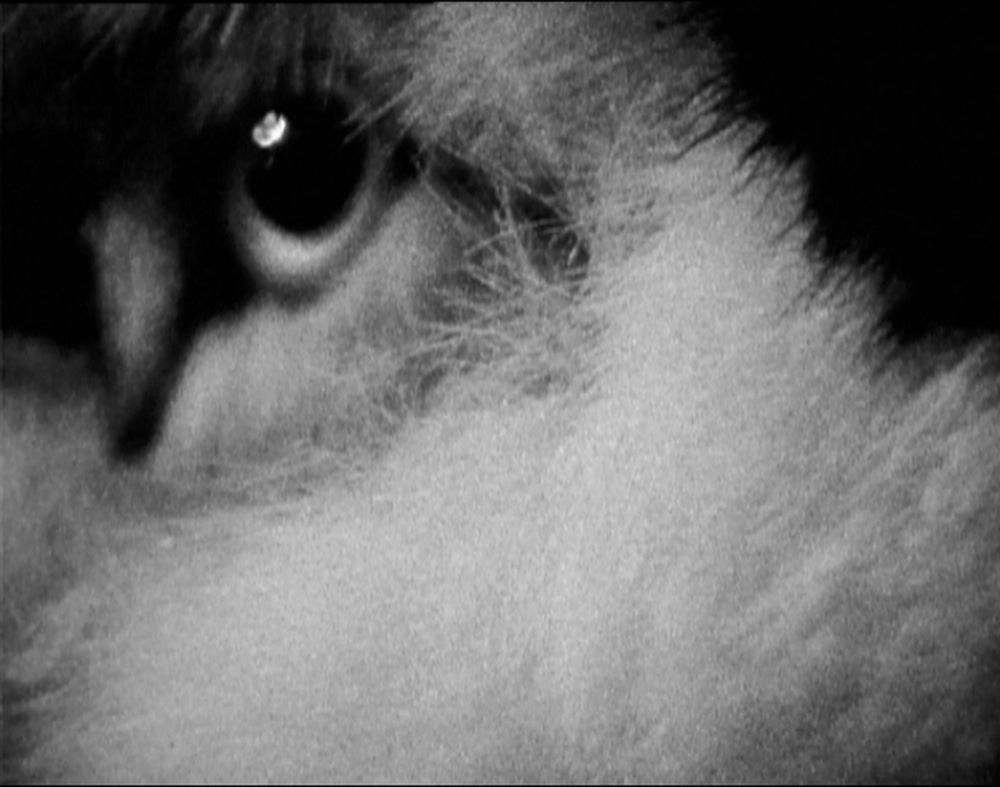
The second of two short film programmes featuring works that blur the boundaries between music and film from artists who cross and redefine those long held divisions. This programme highlights contemporary works.
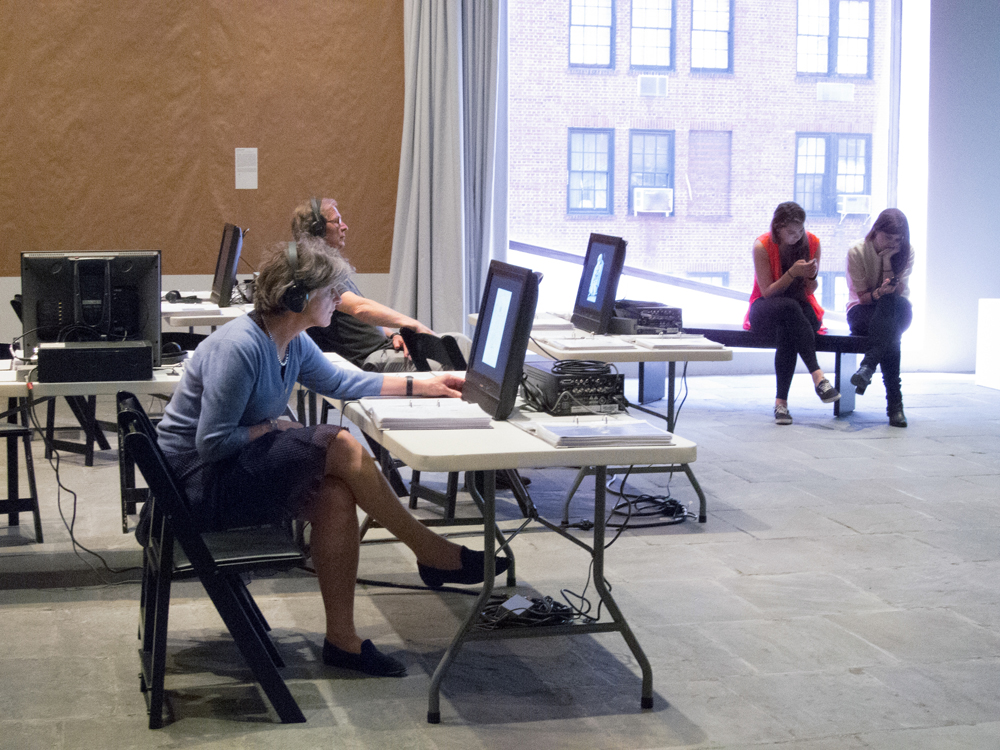
A temporary archive and research space tracing the ways in which sound and audition move through everyday life.
A collaboration bringing together artists with a shared gravitational heft to their work; an intense and concentrated accumulation of detail and power.
How can we imagine bodies not as an end in themselves, but as a medium through which we can become one another’s means?
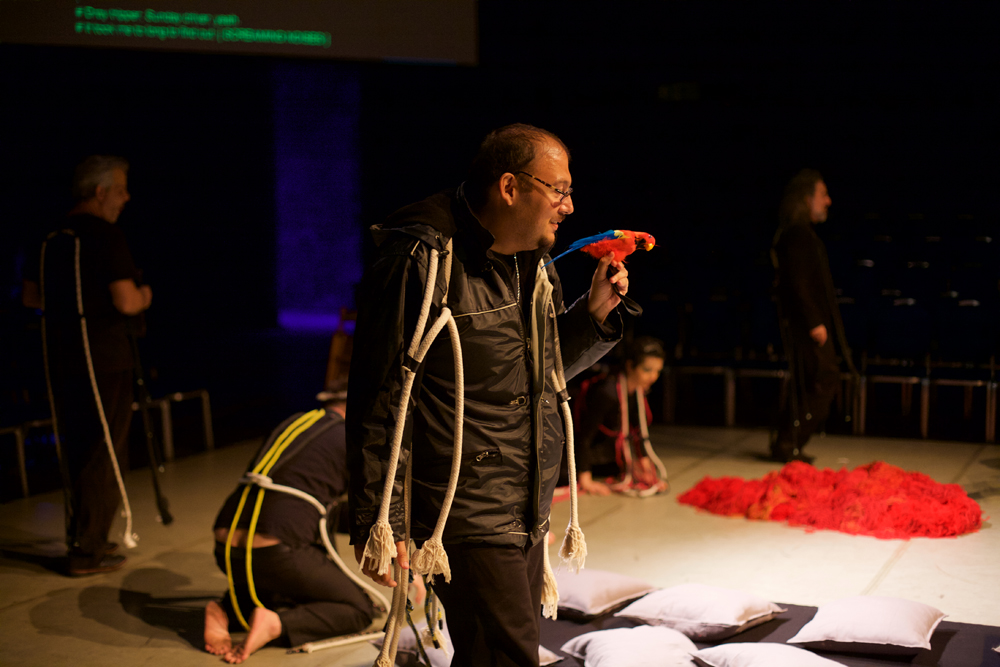
Inhabiting a different kind of energy, Ueinzz’s open rehearsals reveal a glimpse into their ongoing daily theatrical modes of caring – multiplying the ways in which their plays are meant to be felt, rather than understood.
How do poetry and maths stitch together pictures of our fractured situation from its wreckage and relics, from the debris of hope and the well of residues that make us what we are?
Can we use sound, repetition and difference to personally and collectively engage with space, time and labour?