Investigation: Jean-Luc Guionnet
What’s the best way to spend time with a musician when they visit a city to perform? And when the musician in question has a great deal to say, what sort of concert do you organise to do justice to that?
Arika have been creating events since 2001. The Archive is space to share the documentation of our work, over 600 events from the past 20 years. Browse the archive by event, artists and collections, explore using theme pairs, or use the index for a comprehensive overview.
What’s the best way to spend time with a musician when they visit a city to perform? And when the musician in question has a great deal to say, what sort of concert do you organise to do justice to that?
Recently rediscovered but still very pertinent, Kino Beleške presents a series of speech acts and performative gestures by protagonists of the new artistic practice in former Yugoslavia: each a personal take on the role of art in society.
When we look, how do we objectify the body; how can we reflect on our (self) image as a construction?
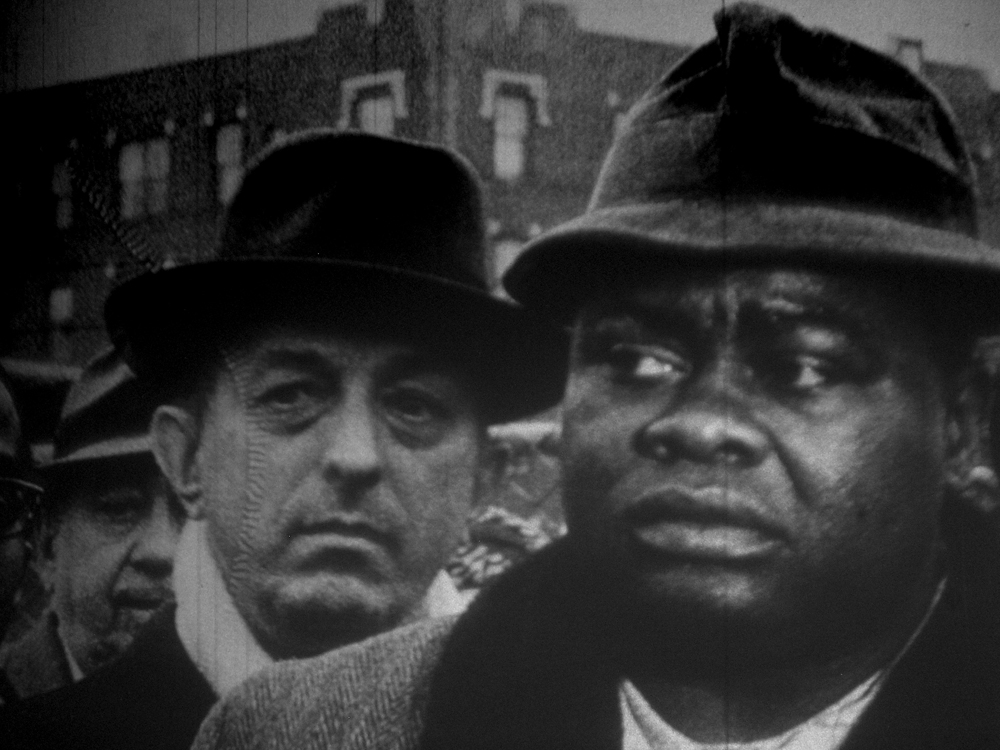
A double bill of A (imageless) film of nothing but a sound recording and its transcription and a found film of news interviews about Malcolm X’s assasination, where the filmmaker decided to add nothing to it, except our attention.
The pieces in the programme switch between silent film/ imageless sound, but we wanted to have a think about how ideas can take up residency on either side of the sound/ image border, without having to inhabit both at the same time.
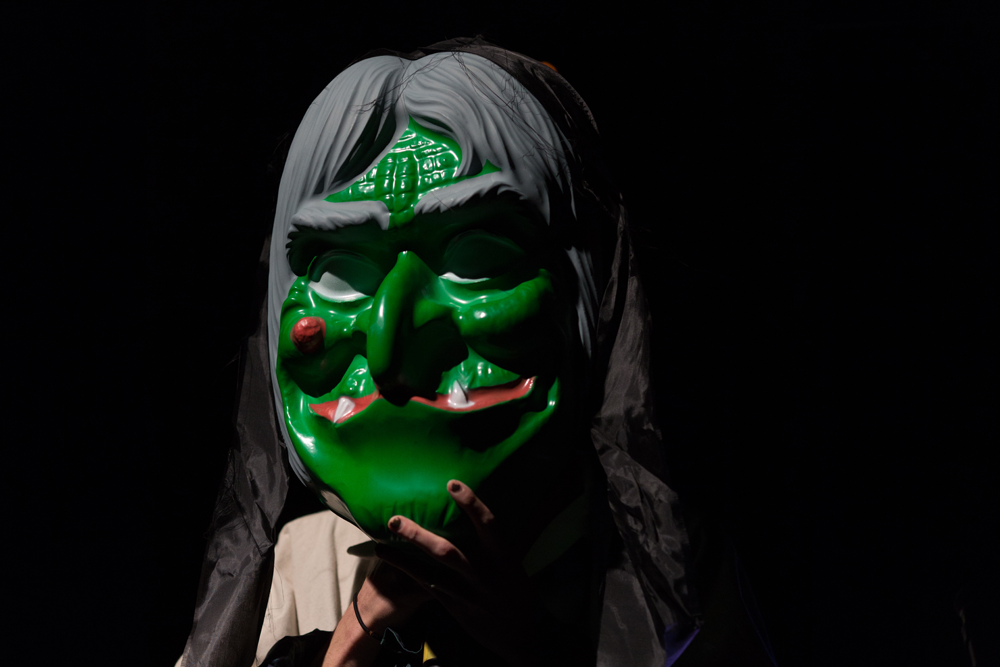
A somehow hyper-modern, ancient and folkloric lip-synced, made-up, fashioned performance.
How do poetry and maths stitch together pictures of our fractured situation from its wreckage and relics, from the debris of hope and the well of residues that make us what we are?
Strickland Distribution and Ultra-red give a practical sound workshop bringing together walk participants to discuss the issues raised during the walk
The first of two workshops that highlight correspondence as a way of working. Somewhere between song, speech, and logistical arrangement, these workshops invite participants to consider care as infrastructure.
Watching films and chatting with Karrabing members about those films: as they attend to the memory and practice of the ancestral present and the ancestral catastrophe that Karrabing and their more-than-human world find themselves facing.
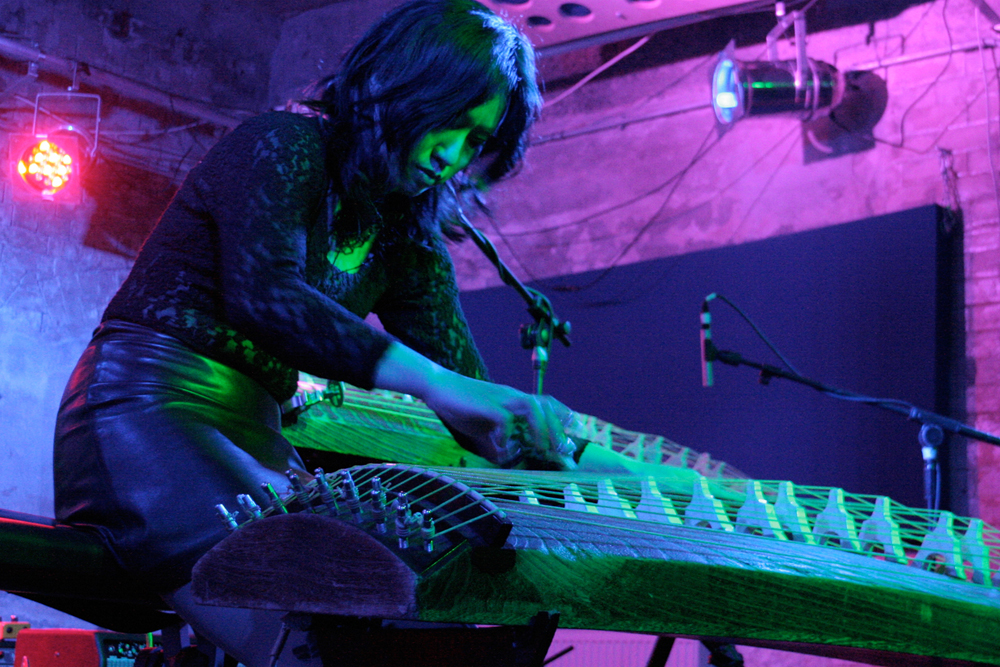
Sometimes delicate, sometimes harsh and jarring, Yagi’s koto solos are as much inspired by Nancarrow or Cage as they are traditional.
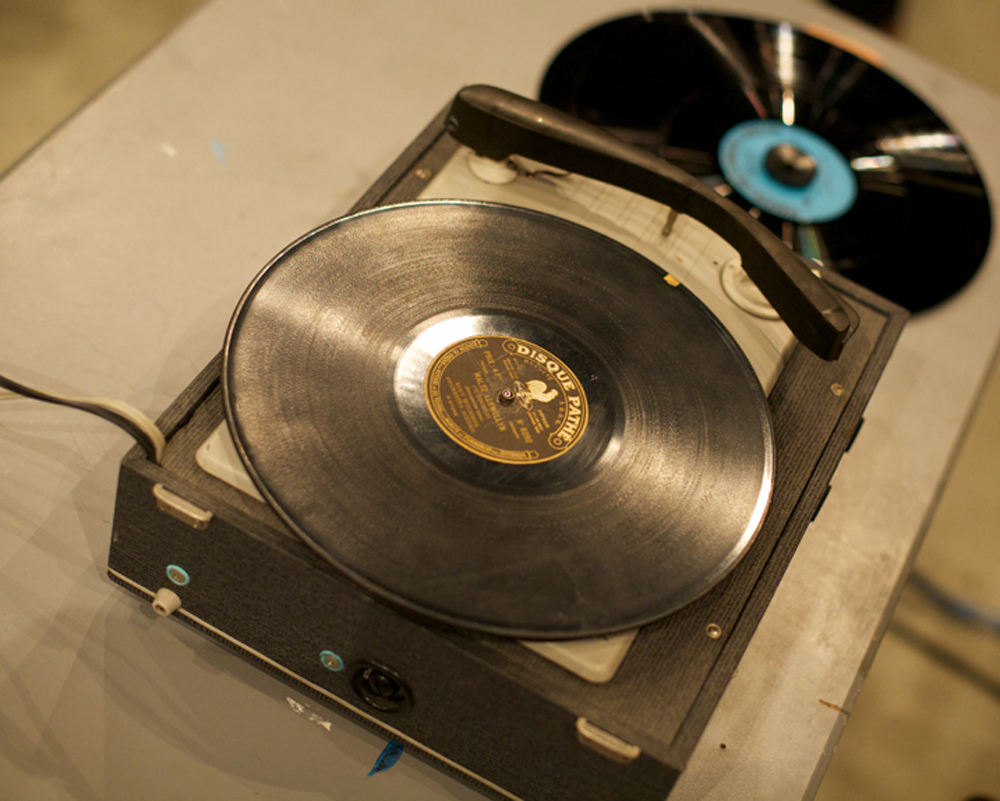
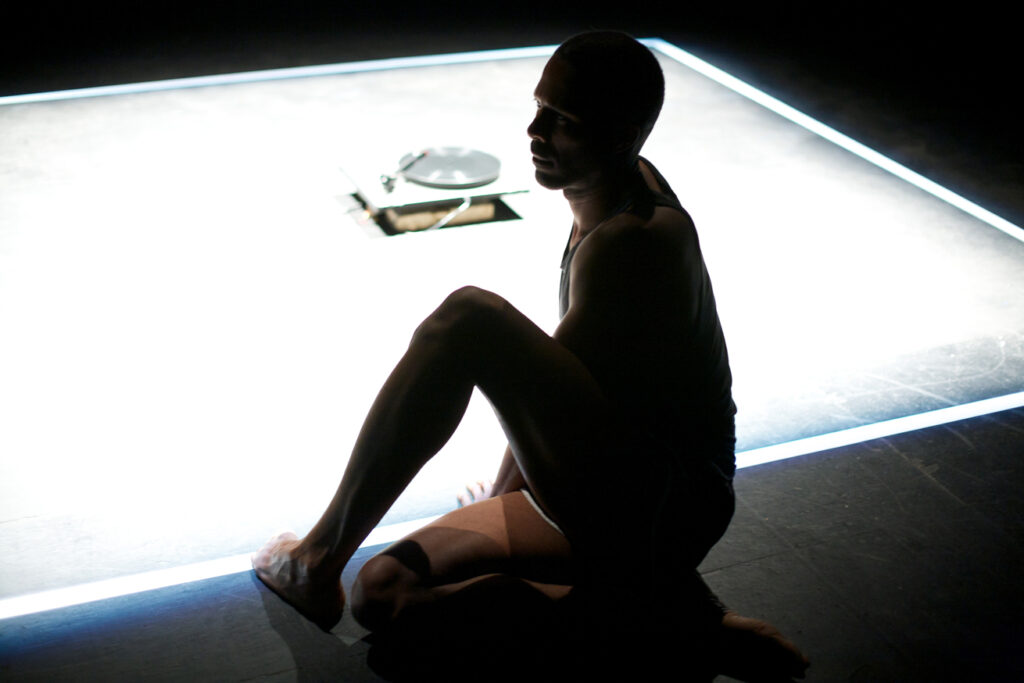
A carefully thought out, simple but rich performance using just a turntable, teach yourself foreign language LP’s, the impeccable timing of a percussionist, and an idea.