Sachiko
Wordless, reverb drenched voice, ghosted electronics, seething and ferocious electronic damage and Patty Waters style vocal mania.
Arika have been creating events since 2001. The Archive is space to share the documentation of our work, over 600 events from the past 20 years. Browse the archive by event, artists and collections, explore using theme pairs, or use the index for a comprehensive overview.
Wordless, reverb drenched voice, ghosted electronics, seething and ferocious electronic damage and Patty Waters style vocal mania.
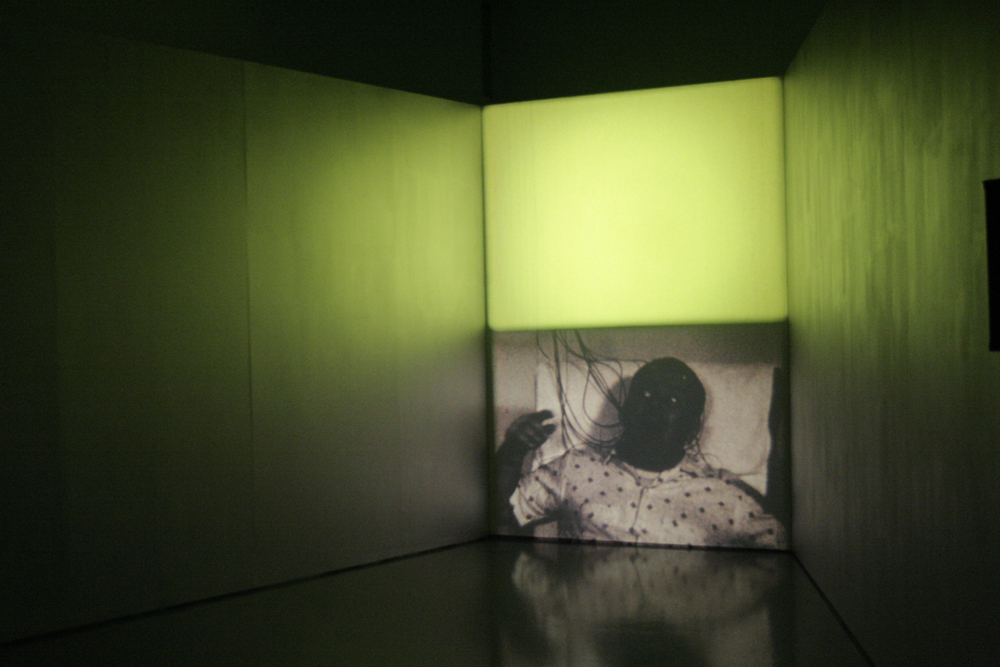
Setting up a minimal procedure to explore the interaction between a person and the (documentary) film/ video process. What initially seems simple ends up contrarily distanced and intimate, public and private.
Formed as a means to realise William Bennett’s goal of “a sound that could bludgeon an audience into submission”
A somehow hyper-modern, ancient and folkloric lip-synced, made-up, fashioned performance.
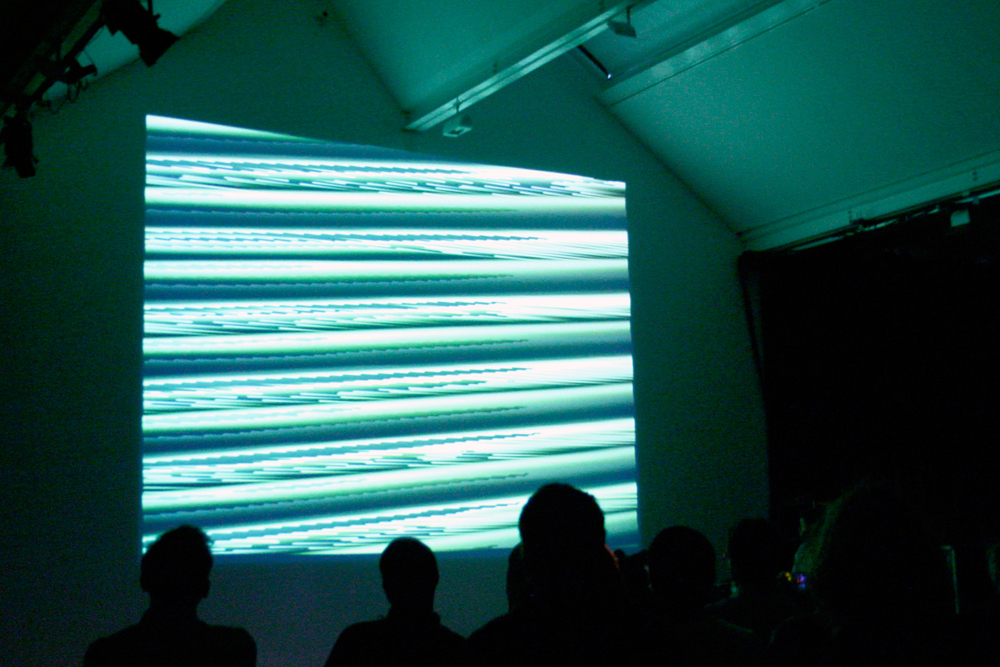
The reknowned artist Kjell Bjørgeengen works collaboratively with innovative musicians to make complex installations. Channels of flickering light are produced in response to and from sound.
Andrew Chalk & Christoph Heemann return with their diaphanous, impressionistic drone duo; their slowly evolving and enthralling works flutter and quiver with elegantly restrained, miniature sound events.
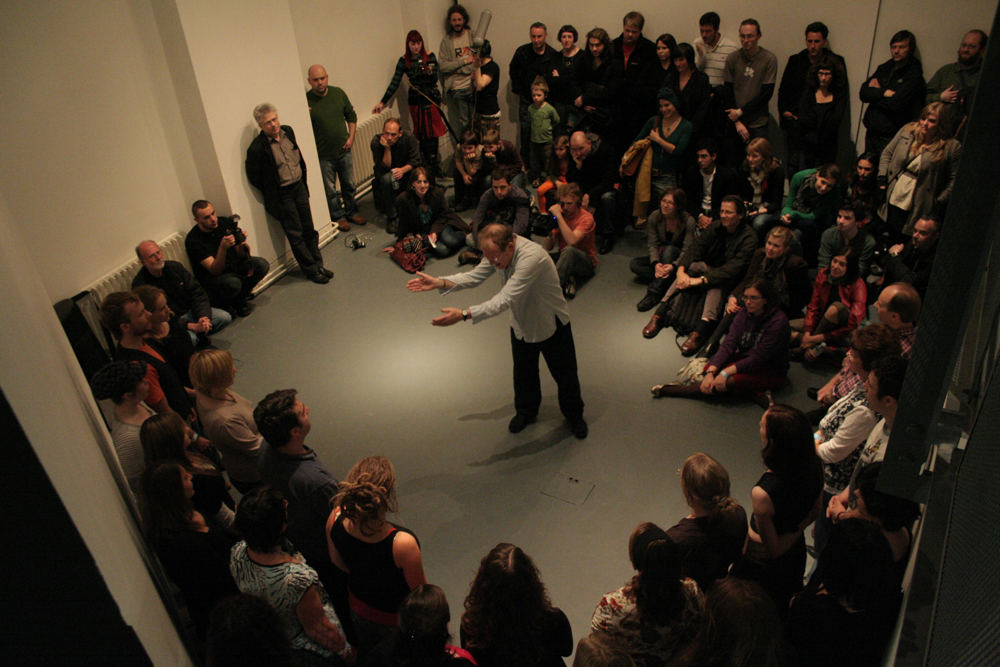
For day two of Ultra-red’s project, the investigation will take up protocols for listening to the sound of freedom composed and facilitated by the Vogue’ology collective.
By focusing on the things that most people don’t notice or pass by uncaring – Steve Roden crafts gentle, sparse and metaphorically loaded compositions.
Killer of Sheep is an undisputed masterpiece of African-American filmmaking and one of the most poetic, perceptive dramas ever made about family and community.
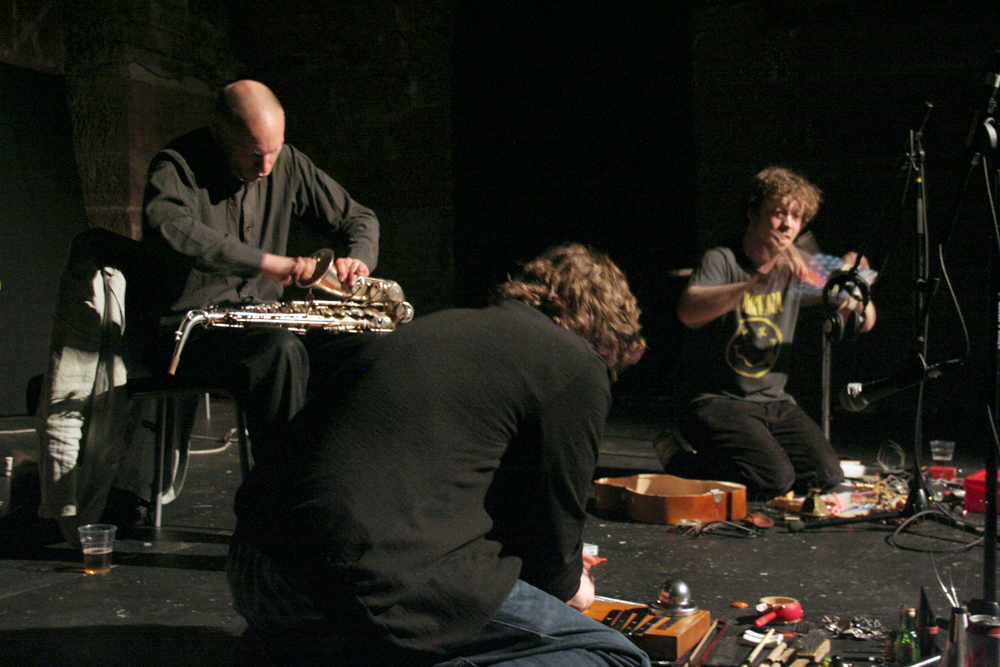
John Butcher plays and manipulates a feeding back saxophone. Benedict Drew on electronics, broken cables and standing waves.
Work that focuses in on the static hiss and background noise of recording and pushes it to the fore.
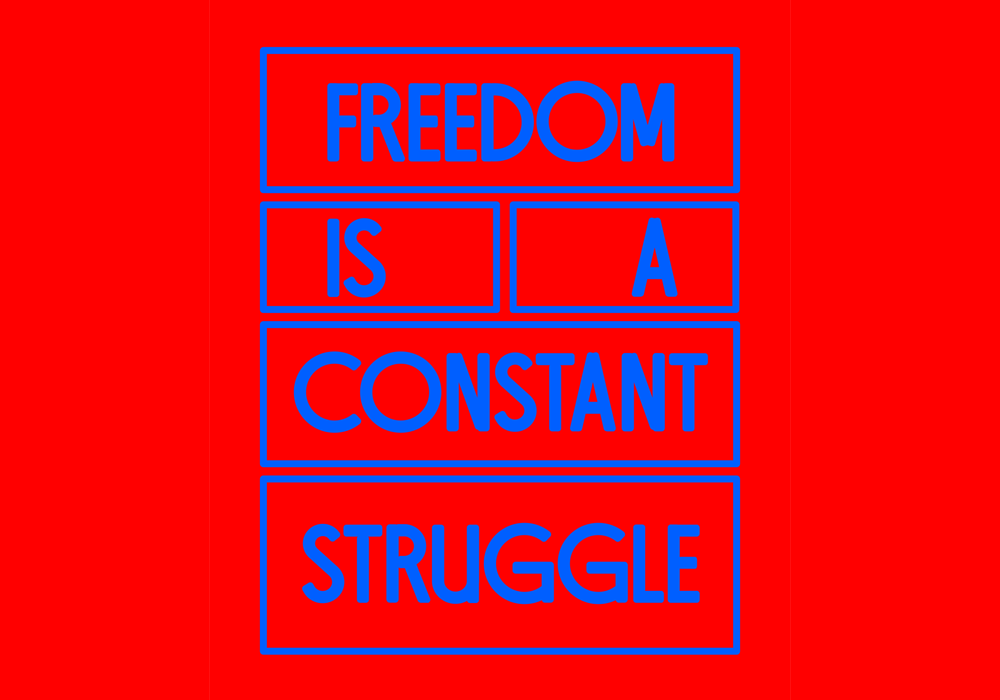
How do you know what you want? Should freedom be doing what you ought, not doing what you want? How might a philosopher and artist turn this thinking into an enabling condition in the context of noise and improvisation?