Thuja & Keith Evans
Keith Evans Thuja
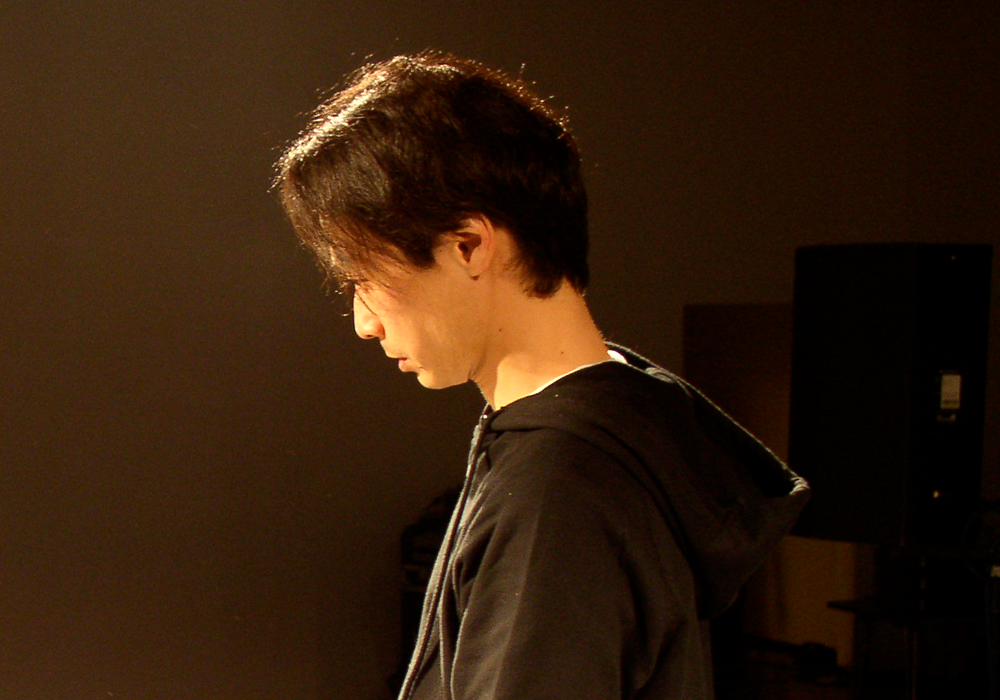
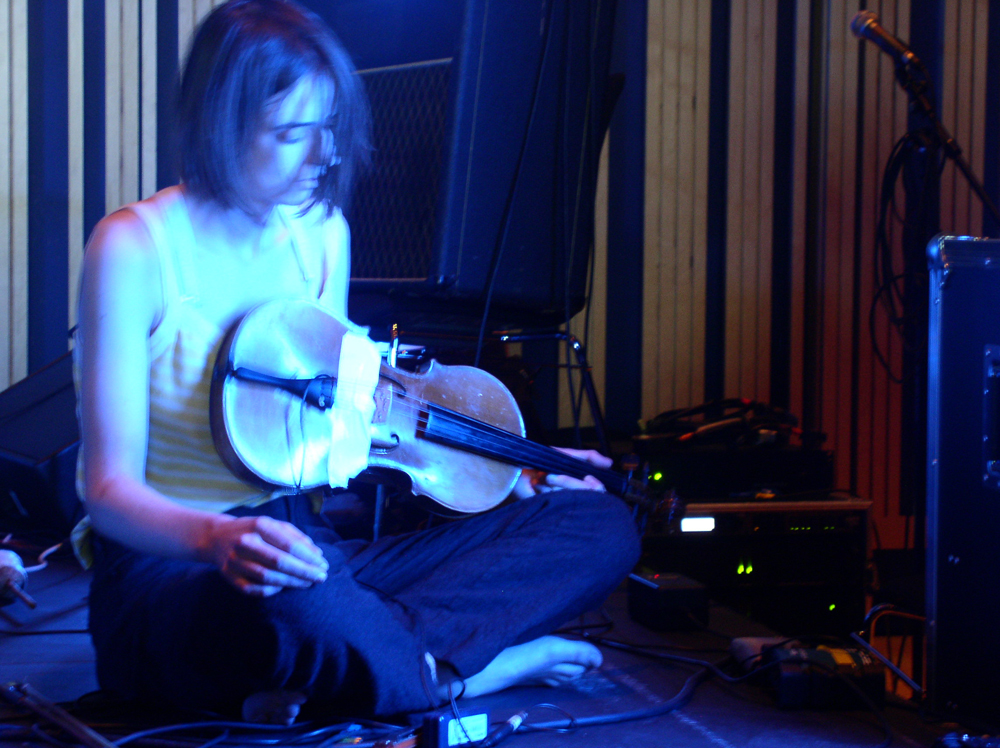
Thuja specialise in a unique and abstract folk music, a devoutly organic tapestry deeply rooted in the sway and bow of nature.
Arika have been creating events since 2001. The Archive is space to share the documentation of our work, over 600 events from the past 20 years. Browse the archive by event, artists and collections, explore using theme pairs, or use the index for a comprehensive overview.
Thuja specialise in a unique and abstract folk music, a devoutly organic tapestry deeply rooted in the sway and bow of nature.
African American history, avant-garde jazz riffs and activism intertwine in experimental verse of extraordinary and affecting beauty that has to be heard.
Italian duo of brothers Maurizio and Roberto Opalio utilising an array of acoustic and electric guitars, various toy-instruments and toy-microphones.
A three-day celebration surveying all manner of diverse musical activities, which at their core share a basic kinship: one of exploration and the discovery of musical expresssion.
Has neoliberal capitalism locked down social experience? Are our seemingly subjective desires, our identities, pre-packaged by dominating social structures?
Noise music for the eyes: projectors turned into instruments, B&W film loops into a thrumming riot of colour, motion and sound.
A public walk from George Square to the Barras market bringing contributions from researchers, activists and artists in a form of live critical praxis
A stroboscopic and intense sensory overload of flashing abstract forms, cut to ribbons by modified projectors.
A testimony to poverty from Chris’s own experiences, and an invitation to engage with an all too typical situation and context through a kind of imaginary listening.
Ubuntu Women Shelter, National Ugly Mugs and the Sex Workers Union warmly invite you to a generative conversation (and Q&A) about the needs and rights of migrant sex workers in Scotland.
The struggle for sex workers’ rights and how we can understand it in the continuum of care work and other forms of invisibilised and precarious work.
A conversation between Philip and Moten: how do we read NourbeSe’s anti-narrative poetic lament in Glasgow today, given the city’s role in the history of slavery?