Mobedique Hors Acvé
Ueinzz
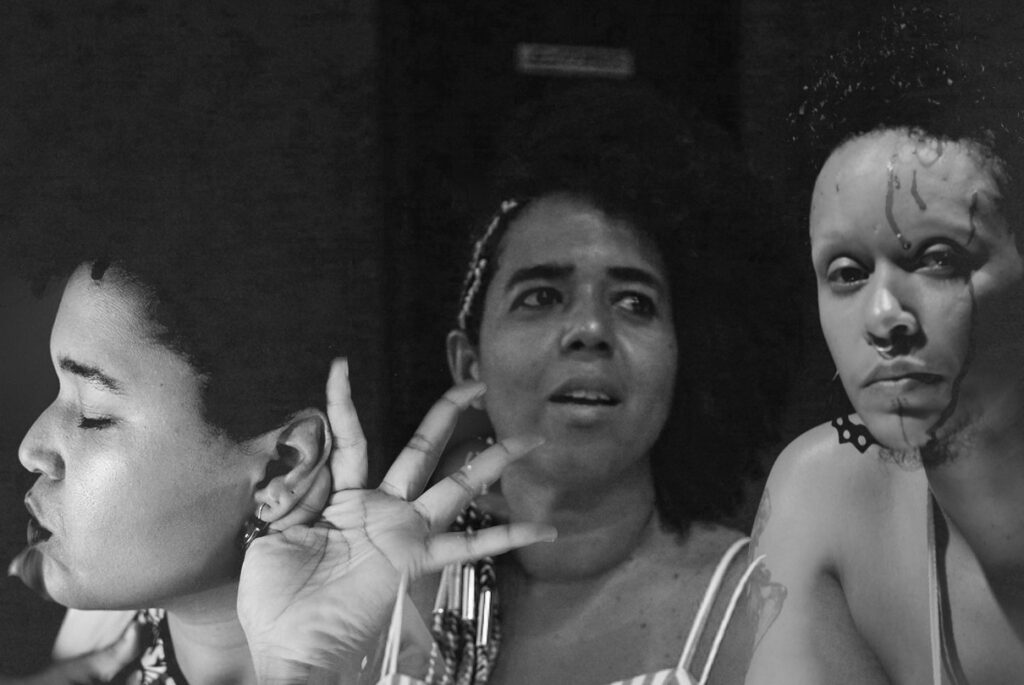
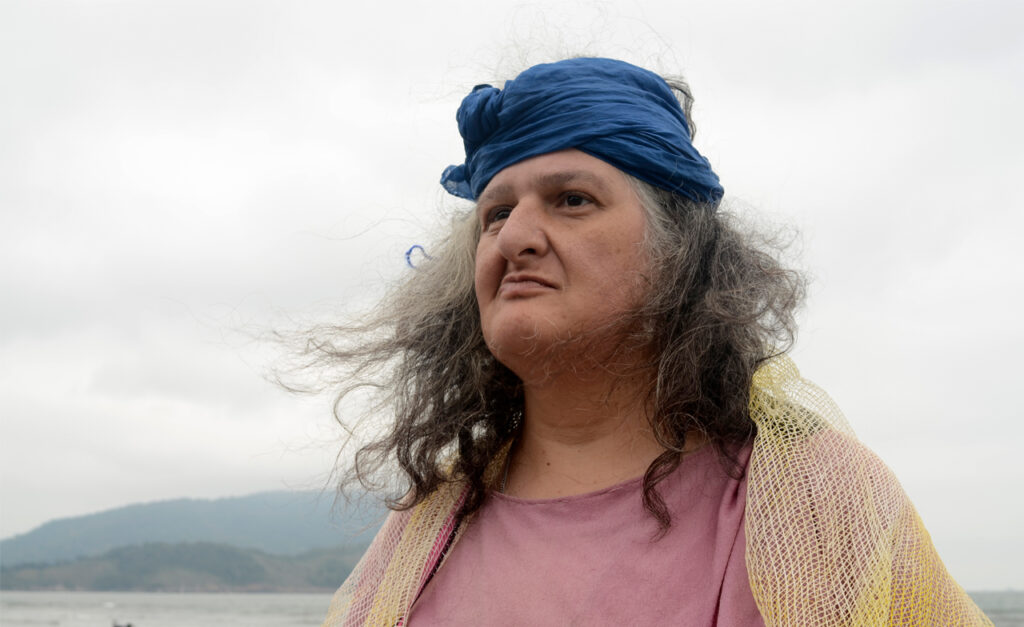
A community of those without community, for a community to come. A schizo-scenic video-collage of the disturbing ‘normality’ of Moby Dick.
Arika have been creating events since 2001. The Archive is space to share the documentation of our work, over 600 events from the past 20 years. Browse the archive by event, artists and collections, explore using theme pairs, or use the index for a comprehensive overview.
A community of those without community, for a community to come. A schizo-scenic video-collage of the disturbing ‘normality’ of Moby Dick.
A collaborative performance where sound and image are created, performed and mediated by light, water and glass.
Instead of the one-way monologue of normal performance, what would be the result of an actual collective dialogue? Where would it go?
Patented 60 cycle hums, static pops, and terse electron pinpricks mutated into perfect, post-techno grooves and synaesthesic video
Film and sound stripped of ‘content’ and experienced spatially, to be looked at not on the screen but in the space of the gallery
One-shot sonic portraits of 4 houses, their inhabitants and their relationship to sound, from 2 of the most deep-thinking field-recording artists around.
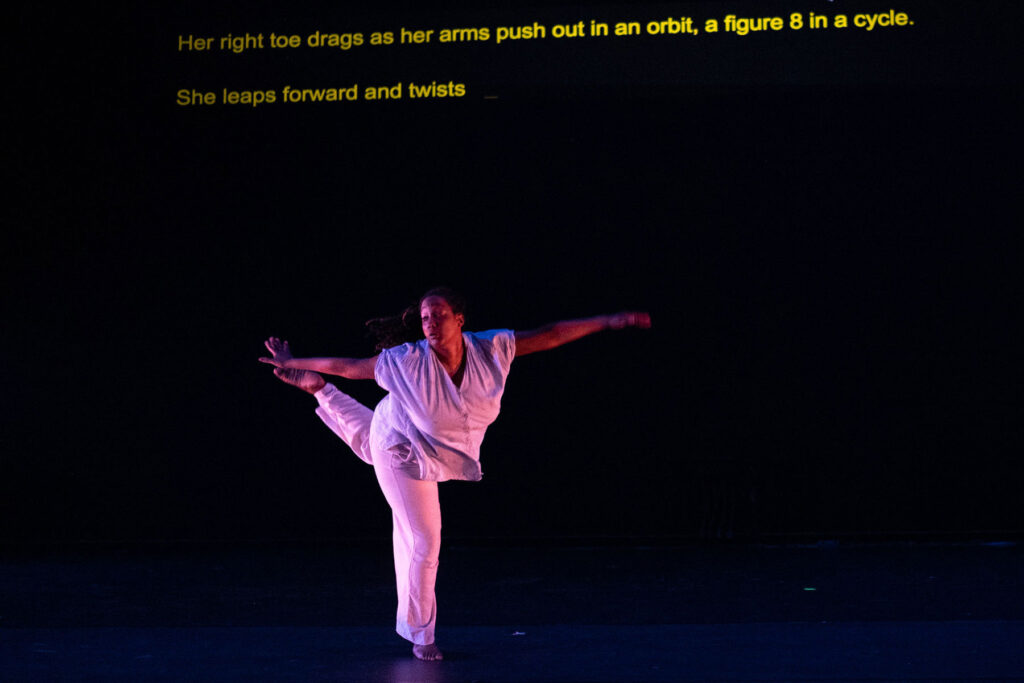
Beyond time, colorlines, ability, and sexuality, a movement exploration into what it means to see and be seen, how hearing contrast with what is actually being heard.
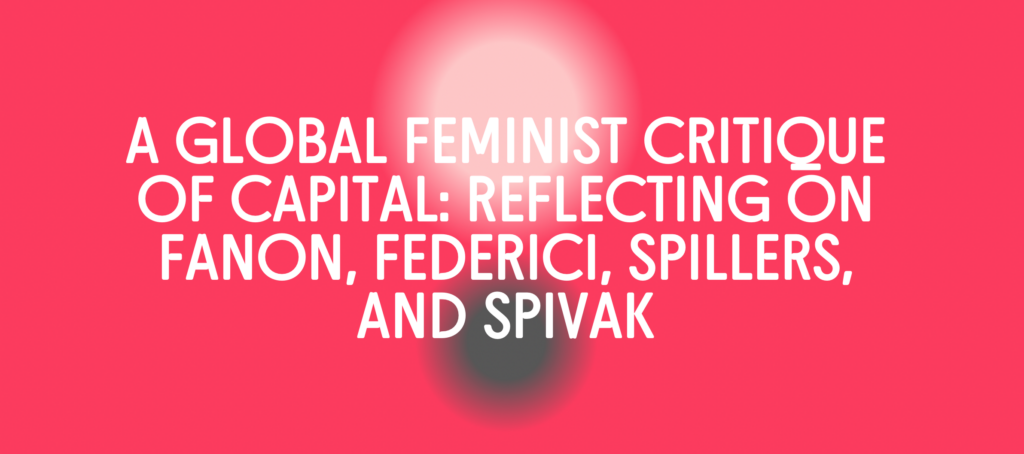
A conversation and livestream considering a global feminist critique of capital with Silvia Federici, Hortense Spillers and Gayatri C. Spivak.
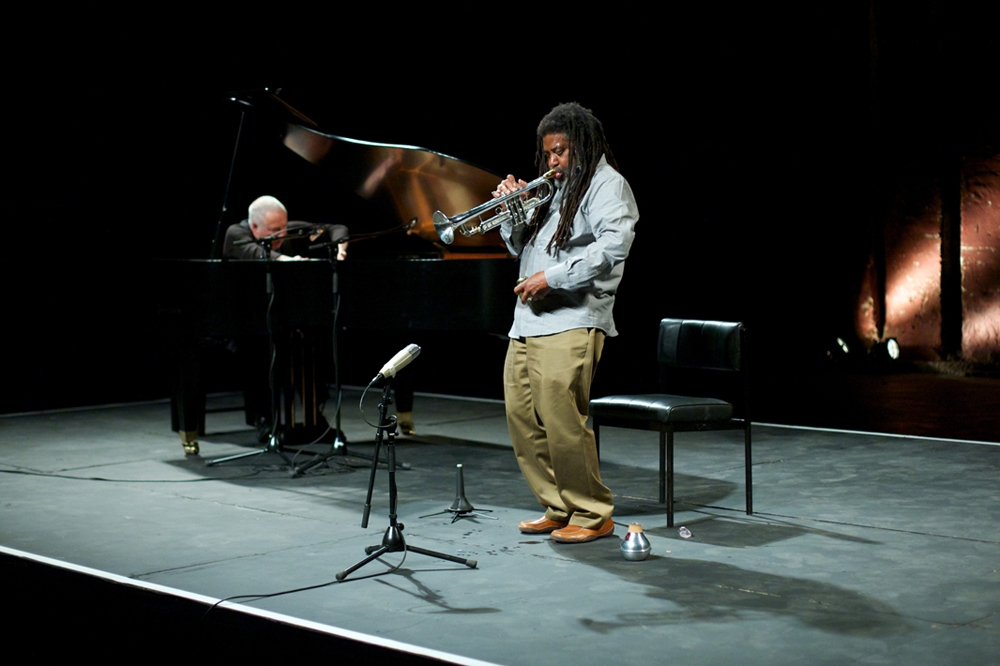
How might two of the great musicians working within contrasting traditions of freedom collaborate? What might this produce: musically, socially, allegorically?
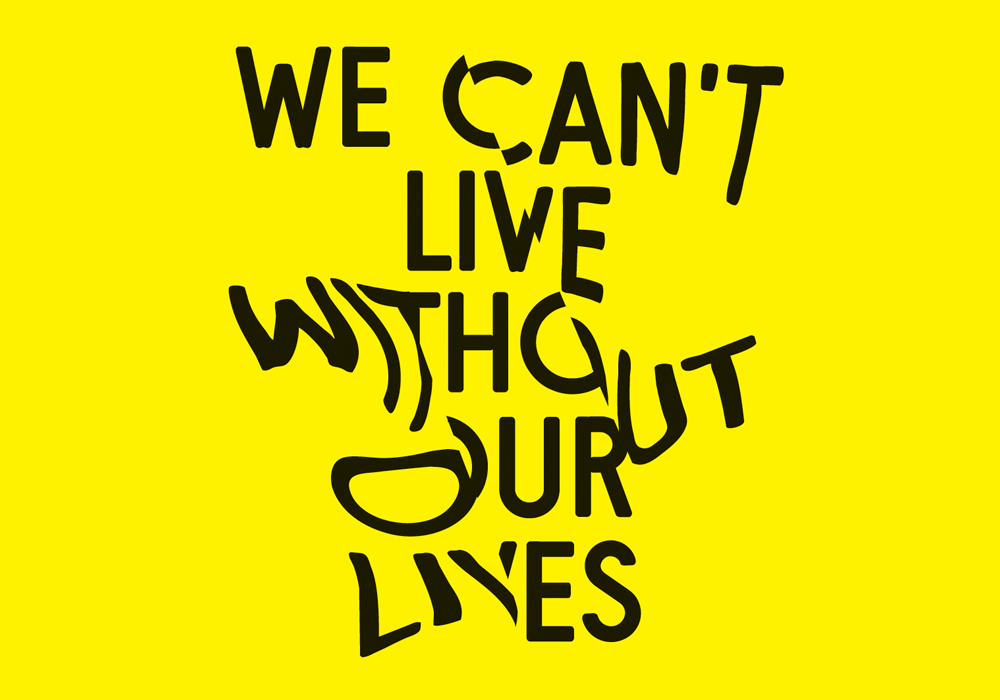
In a moment of social exhaustion, we want to ask how we might care for each other differently. We Can’t Live Without Our Lives is a 5-day exploration of care as a form of struggle and resistance, with communities who embody it.
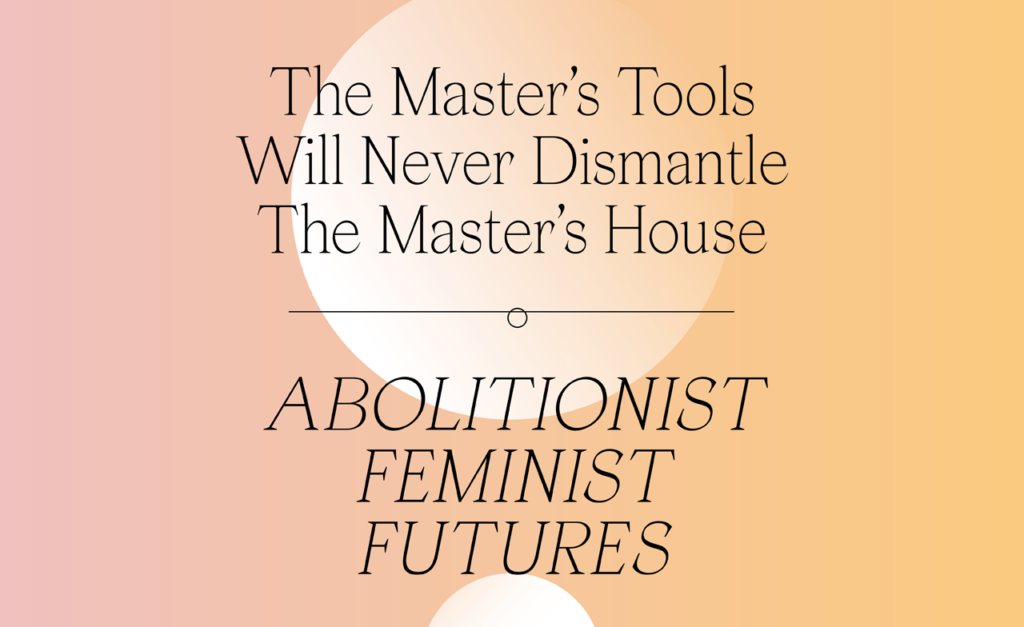
A panel exploring how to dismantle the master’s house — its material edifices and ideological architecture — and the construction of abolitionist futures in the present.