Self Cancellation – Sand
Robin Hayward
Robin Hayward – exploring the micro-sounds of a tuba, filling slowly with sand.
Arika have been creating events since 2001. The Archive is space to share the documentation of our work, over 600 events from the past 20 years. Browse the archive by event, artists and collections, explore using theme pairs, or use the index for a comprehensive overview.
Robin Hayward – exploring the micro-sounds of a tuba, filling slowly with sand.
Folk poet, actor and bon viveur Kan Mikami in duo with Jojo Hiroshige, a founding member of Japanese Noise band Hijokaidan.
Boston duo of saxophonist Bhob Rainey and trumpeter Greg Kelley approach their improvisations with a slew if extended techniques and pregnant silences.
Freak-out group for the 21st century perform a live soundtrack to Ira Cohen’s infamous psychedelic masterpiece ‘The Invasion of Thunderbolt Pagoda’
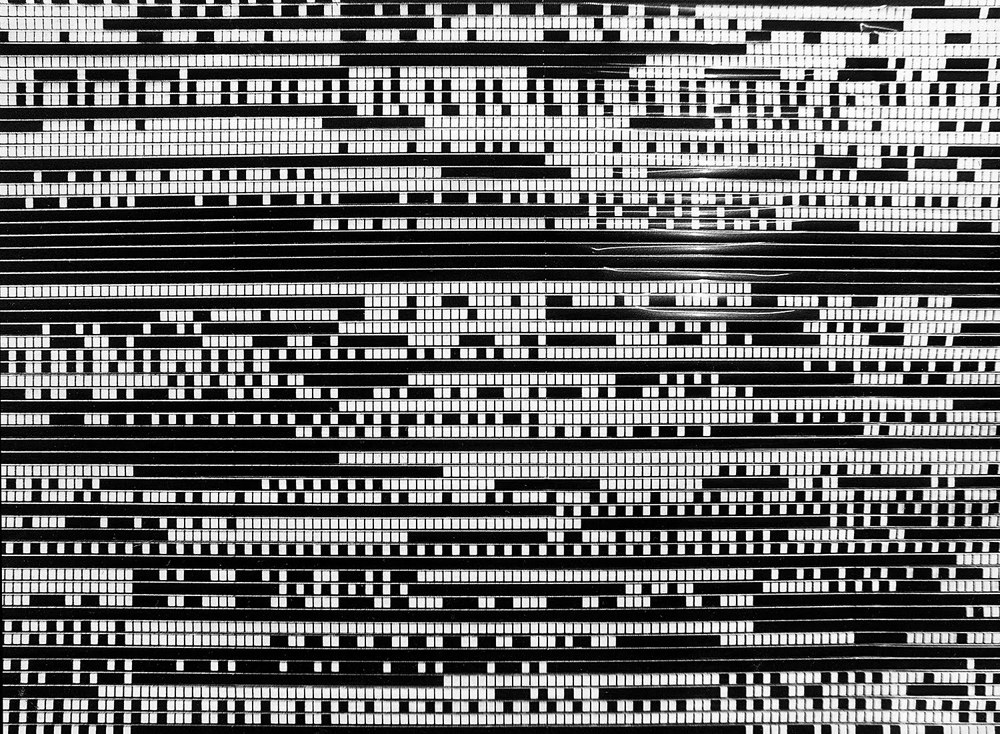
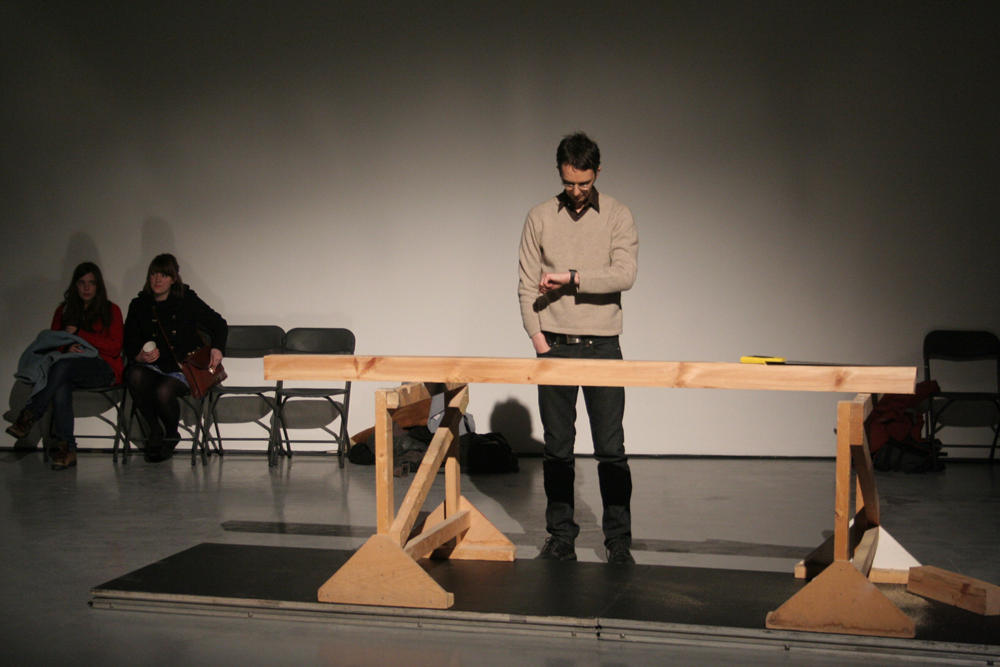
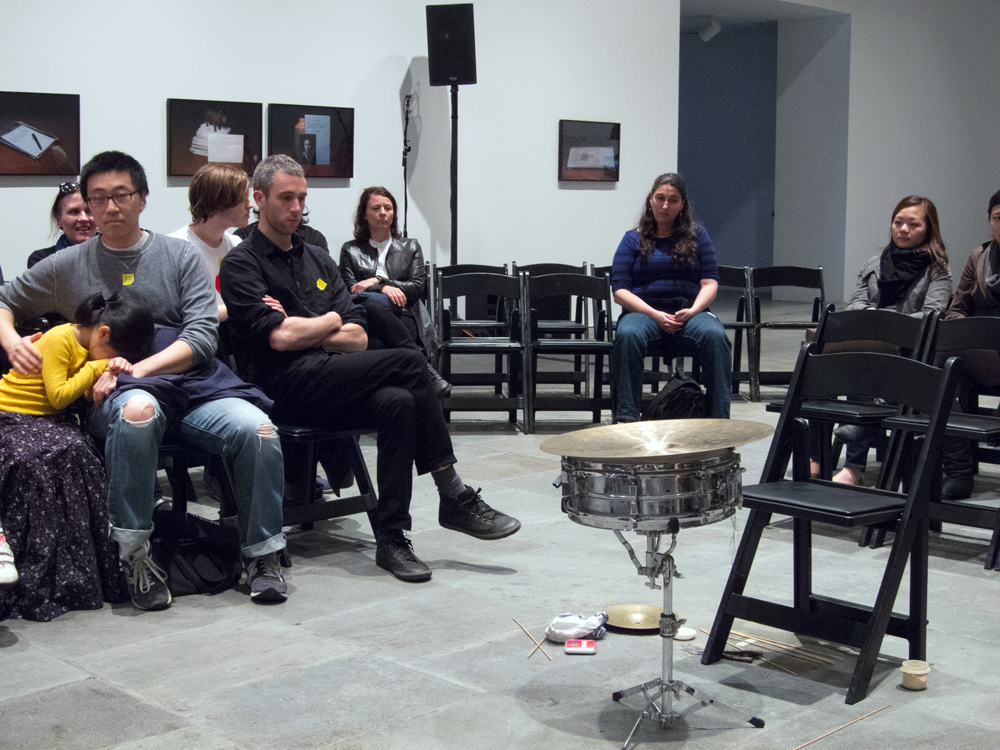
Performance of a Sudoko based graphic score giving rise to a process of self cancellation.
The practice of North African Indigenous revolutionary love, in the face of European capitalist violence and settler colonialism, with one of the most vital anti-colonial thinkers in Europe.
The pieces in the programme switch between silent film/ imageless sound, but we wanted to have a think about how ideas can take up residency on either side of the sound/ image border, without having to inhabit both at the same time.
Over 3 days Episode 8 celebrates all the unruly ways we escape attempts to constrain us, tear down the walls of normative culture and build joy in flight.
Personal Spaces: inversion of a territorial bell, confusing the realms between rehearsal and performance, public and private space.
An extravagant debauch of plush toys and ritual. Palestine performed a version of Strumming Music, a trance inducing investigation into overtone systems achievable on a Bosendorfer Imperial Piano.
Heat-mapped bodies, found porn films, Korean psyche-folk, creepy police intrusion and self-defence.
If life is assaulted by power, where do we find spaces for living? A conversation with Peter Pál Pelbart.