Criminal Case 40/61: Reverb
Andrea Geyer
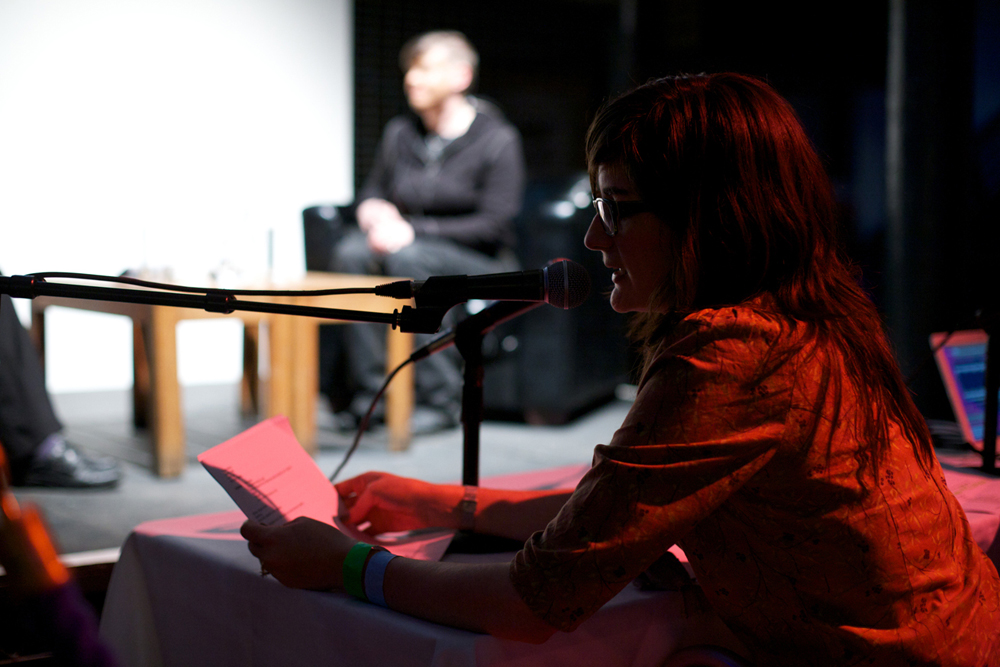
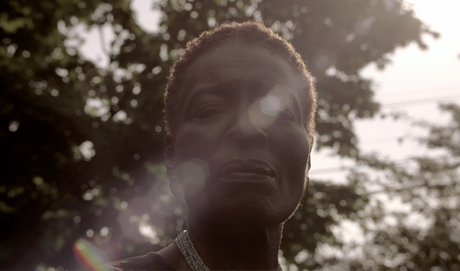
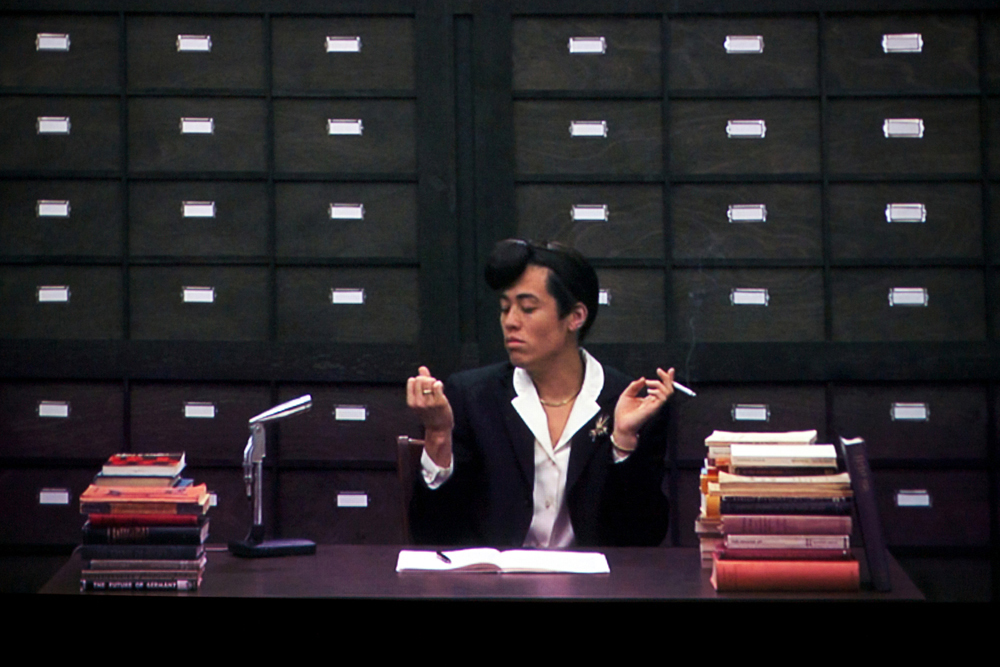
A performed installation by one of Germany’s most interesting visual artists, based on edited transcripts of the 1961 trial of Adolf Eichmann in Jerusalem and the writings of Hannah Arendt
Arika have been creating events since 2001. The Archive is space to share the documentation of our work, over 600 events from the past 20 years. Browse the archive by event, artists and collections, explore using theme pairs, or use the index for a comprehensive overview.
A performed installation by one of Germany’s most interesting visual artists, based on edited transcripts of the 1961 trial of Adolf Eichmann in Jerusalem and the writings of Hannah Arendt
A series of reality dramas happening over the course of the weekend.
A performed filmic conversation on queer and black world making.
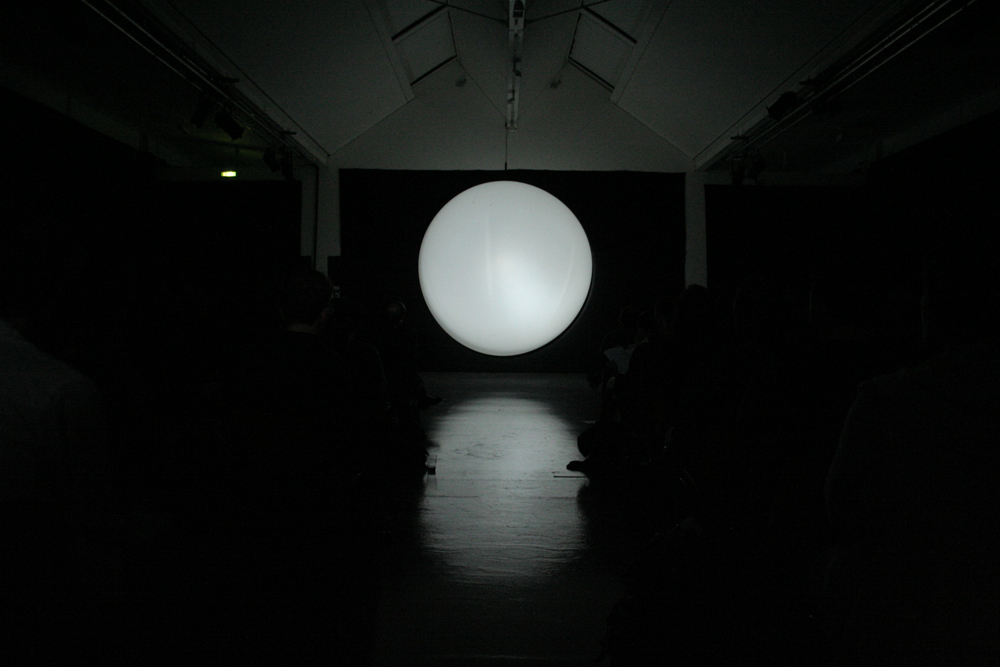
60 minutes of hard ass minimal film, projected onto a weather balloon and accompanied by the inspired poetic rant of a visionary Frenchman.
The ongoing development of [b]reach, an abolitionist black queer retelling of Marge Piercy’s incredible feminist utopian novel Woman on the Edge of Time.
Heat-mapped bodies, found porn films, Korean psyche-folk, creepy police intrusion and self-defence.
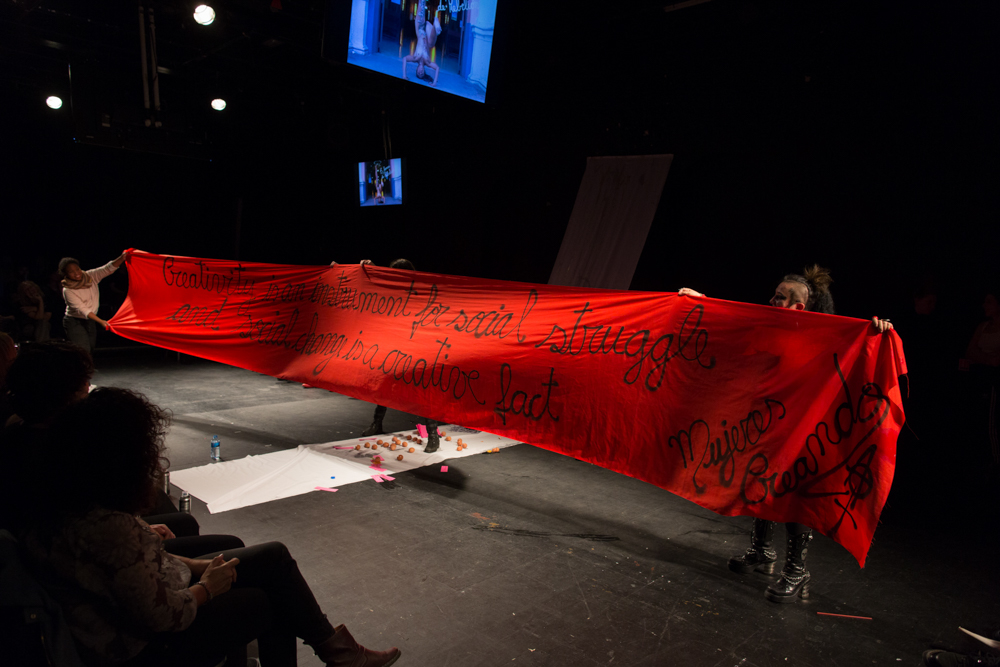
A sort of prayer and conference, a sort of scream and dialogue – a monologue and declaration at the time, addressing how we can build complicity with one another.
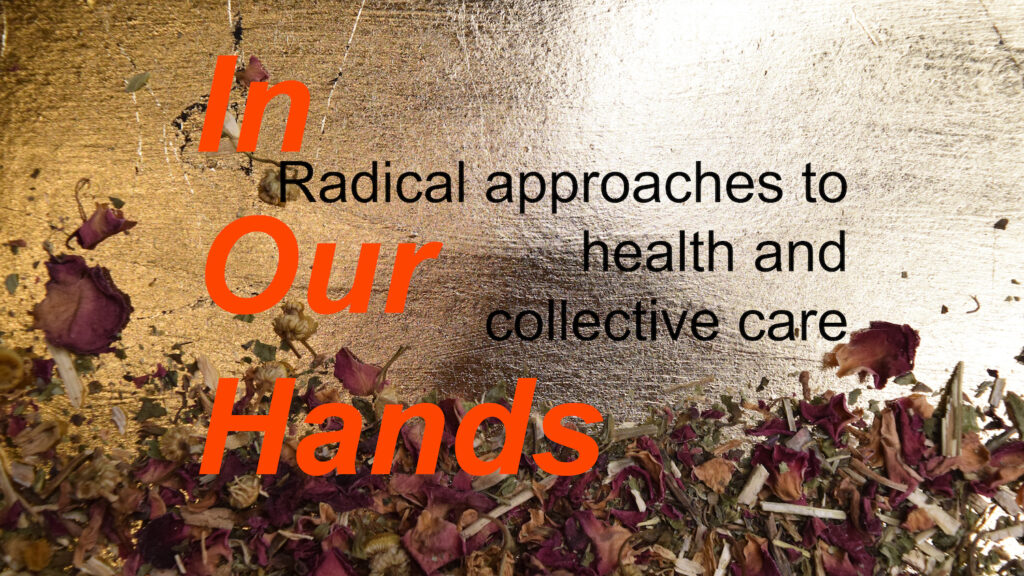
In Our Hands is a ten week programme of workshops facilitated by Lisa Fannen, Omikemi and Clay. The sessions explore radical approaches to health and collective care in the context of movement for liberation and social justice.
Relative patterns of occlusion and exposure occupy two screens. Each exposure fires a stroboscopic flash of colour: yellow for one screen; blue for the other, filling the centre of both screens with colour, haloed with after-images.
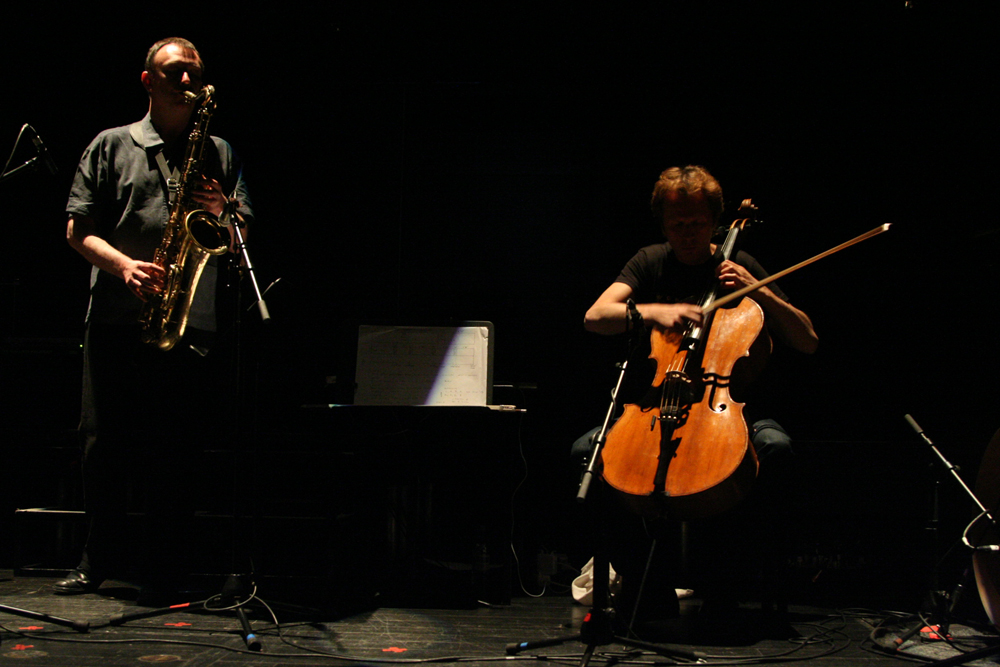
With a signature spartan sound and long term preoccupation in structural tactics (subtle shifts in density, drawn out stasis) Polwechsel blur the boundaries between individual instruments.
In rethinking the body, the law, the state, gender, race, violence, care and empathy, how we might give humanness a different future?
Discussion: If we approach “care as an event” rather than as a “contract of exchange” then what becomes possible in how we know, care for, and appreciate each other?