Filament: Sachiko M & Otomo Yoshihide
Otomo Yoshihide Sachiko M
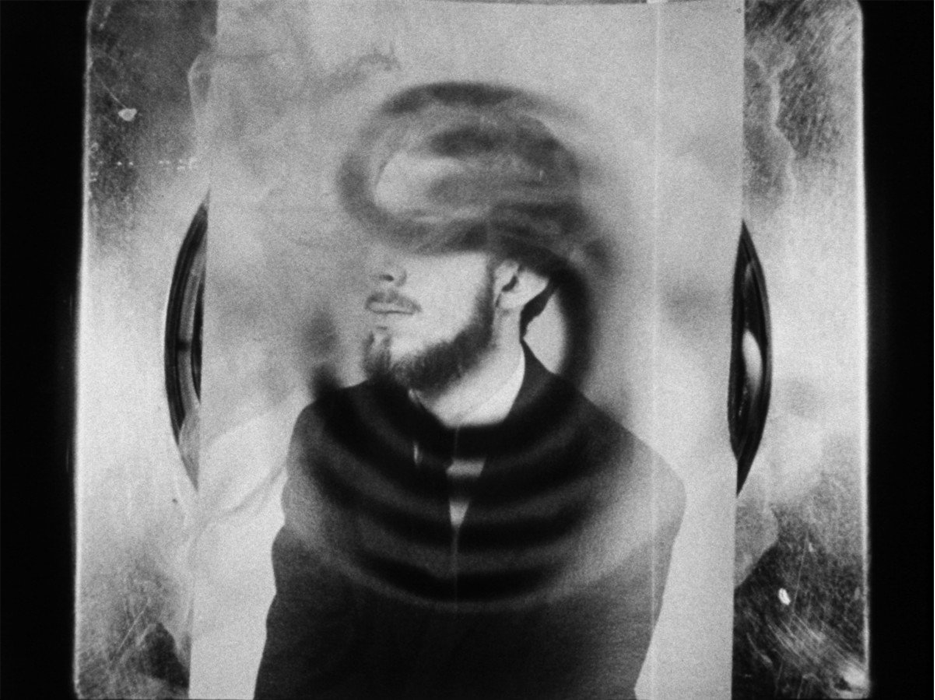
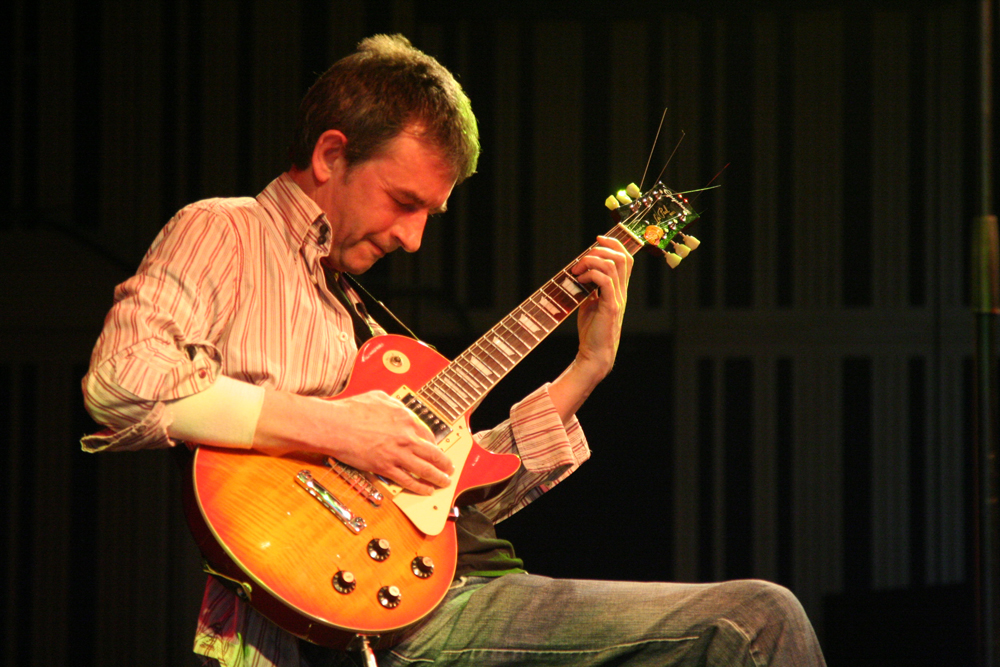
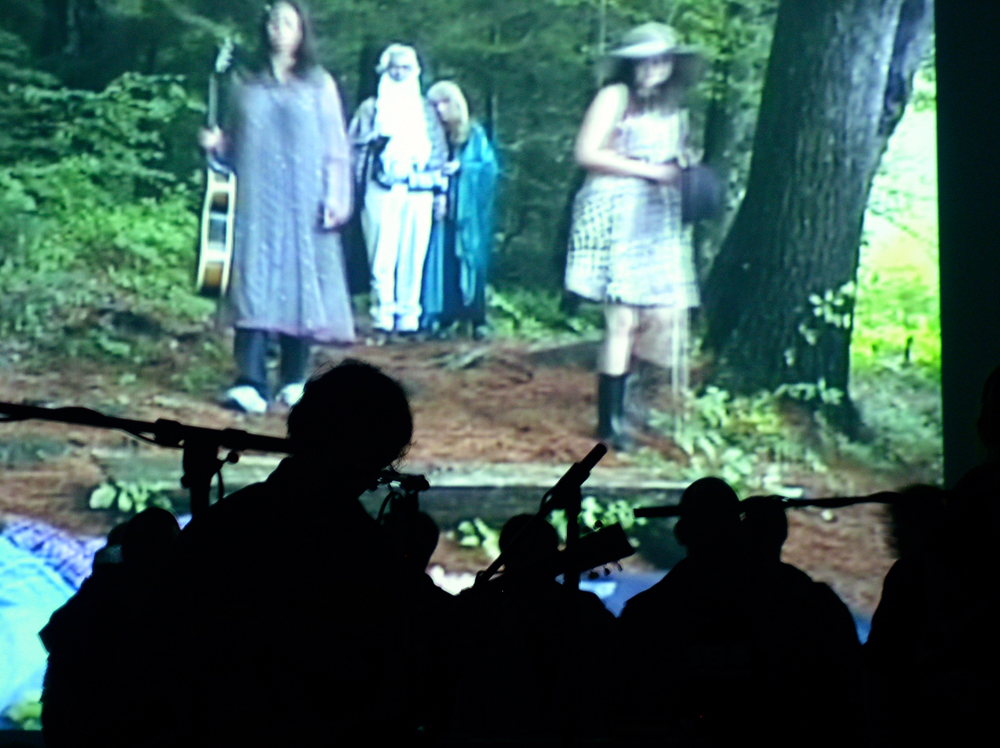
Sachiko’s very simple, pure sine tones and structures. Otomo on double pianos. Filament’s music isn’t composed and it isn’t improvised: it’s a hybrid of the two.
Arika have been creating events since 2001. The Archive is space to share the documentation of our work, over 600 events from the past 20 years. Browse the archive by event, artists and collections, explore using theme pairs, or use the index for a comprehensive overview.
Sachiko’s very simple, pure sine tones and structures. Otomo on double pianos. Filament’s music isn’t composed and it isn’t improvised: it’s a hybrid of the two.
Trans-temporal drag, sexuality and the re-staging of illegible moments in history.
Julius’ “small music” features simple snatches of found sound, played back through small speakers, often set in bowls of pigment and dirt which shimmies in the vibrations.
A three-day celebration surveying all manner of diverse musical activities, which at their core share a basic kinship: one of exploration and the discovery of musical expresssion.
A cast of pioneering spirits over an expanded three day festival including Jandek (one year on from his first ever show at INSTAL 04), JO-JO, Tetuzi Akiyama,Tom Bruno, Pauline Oliveros, a legendary Hijokaiden performance and Henri Chopin.
Bruno’s liberated improvisational approach stretches beyond the lyrical, tough as nails rhythmic bursts and expressive, swinging attack of his drumming.
Is it possible to dance our way out of the hardened stances and identity prisons we are locked in?
Originally billed as a duo of Ingar Zach and Derek Bailey, John Butcher stood in for Bailey at the last minute.
One of the most incessantly experimental musicians in the UK, Youngs’ aesthetic is entirely unique, never really part of any scene [whilst influencing many], steadfastly unafraid and honest
An improvisation that may or may not involve (typical) improvisation.
Radu plays a trombone, Klaus creates pure sine waves: they sound on their own, or sometimes together and often with considerable space and silence.
How do people living with disability see themselves in today’s sexualised culture? How do we imagine our crip sexual selves despite society wanting to reduce us to non-erotic bodies?