


16 May 2010
FACT
Craig Dworkin
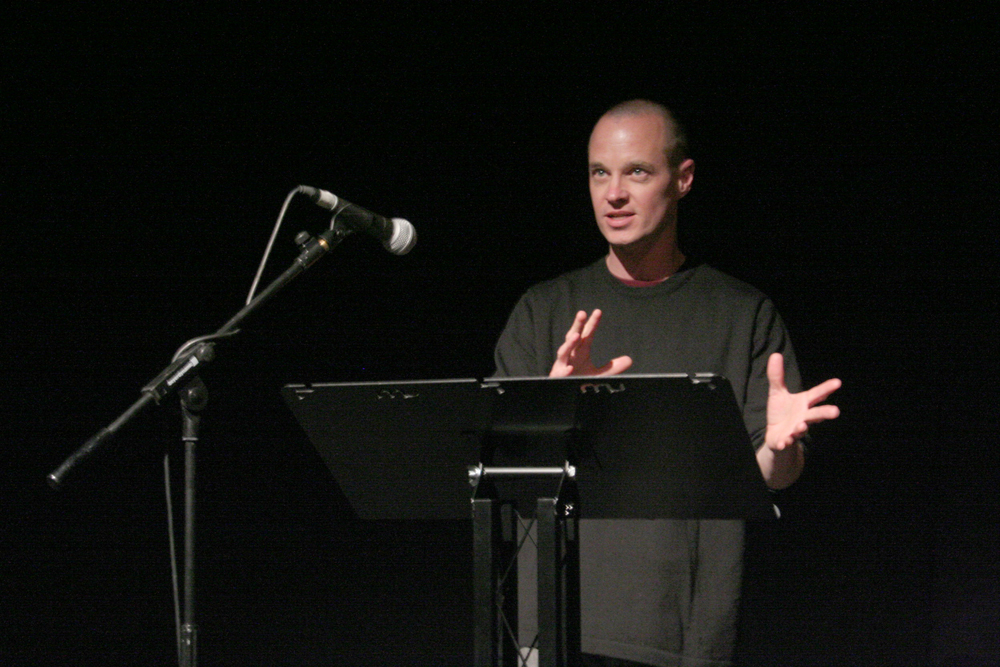
Dworkin asks: What would a non-expressive poetry look like? A poetry of intellect rather than emotion?
UNINSTAL
Arika have been creating events since 2001. The Archive is space to share the documentation of our work, over 600 events from the past 20 years. Browse the archive by event, artists and collections, explore using theme pairs, or use the index for a comprehensive overview.
Dworkin asks: What would a non-expressive poetry look like? A poetry of intellect rather than emotion?
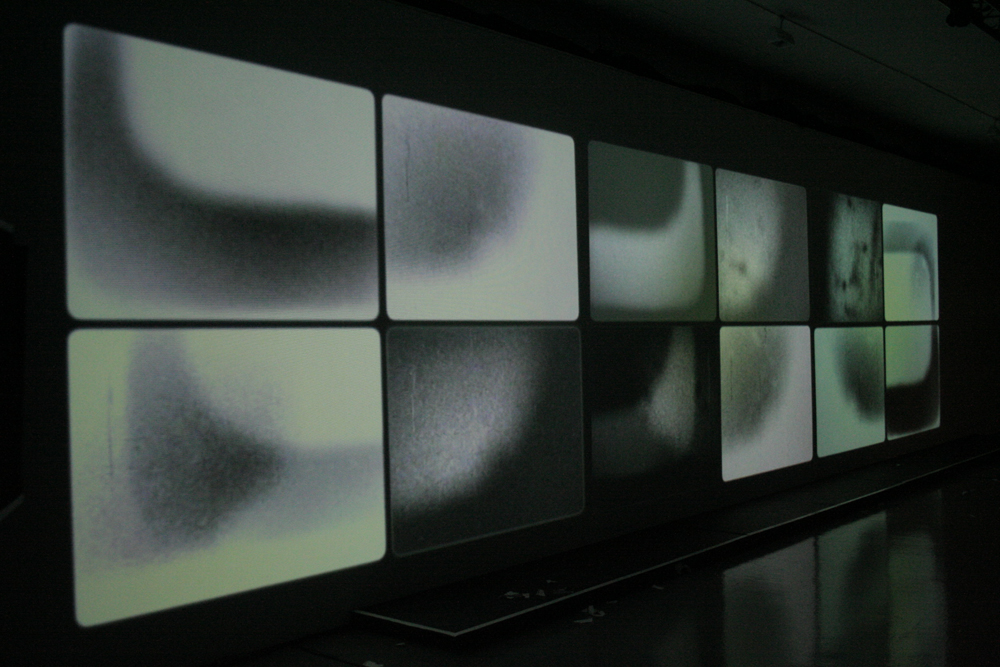
A poetic multi-screen performance about “the inadequacy of the arbitrary passing moment and the impossibility of permanence”. About time and change.
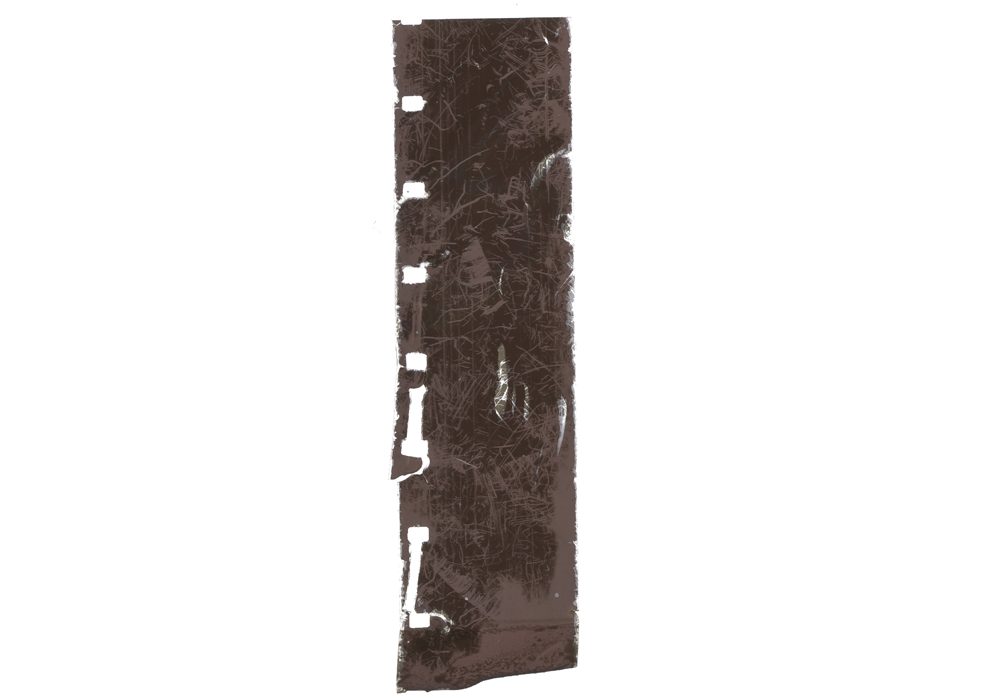
Includes: solar flares, insect fireworks, a new film from Ian Helliwell, pulsating glaciers, an apple being eaten alive, sea ravaged stock, crushed blackberries and film that has literally risen from the grave.
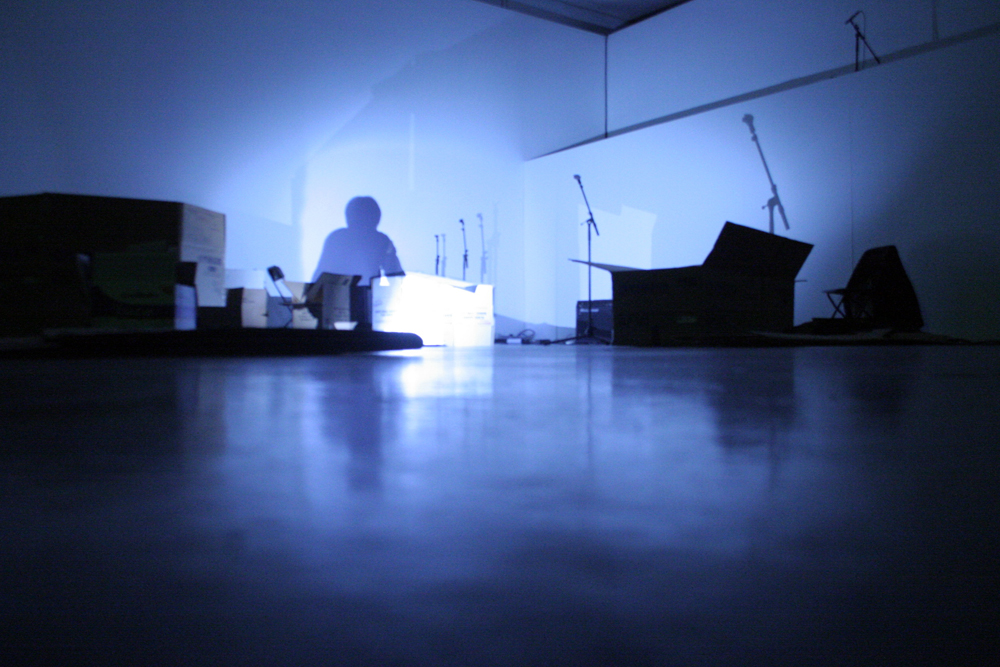
Taku’s actions strip back musical performance to one of its original proposals: what is an action and how does it create a situation for spending time together, for paying attention?
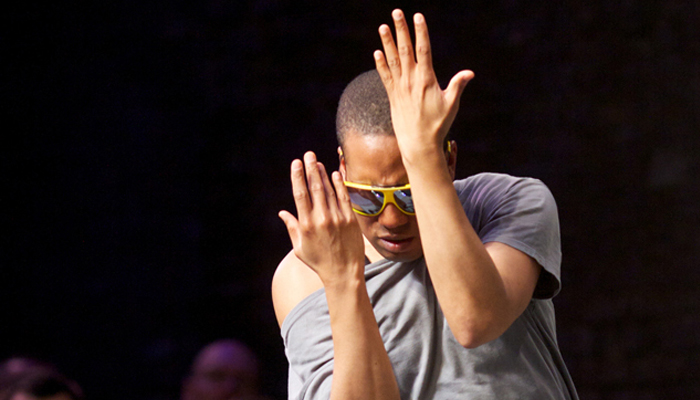
A meditation on how all of us perform — sometimes reinforcing, sometimes subverting — the shifting categories of gender, sexuality and race.
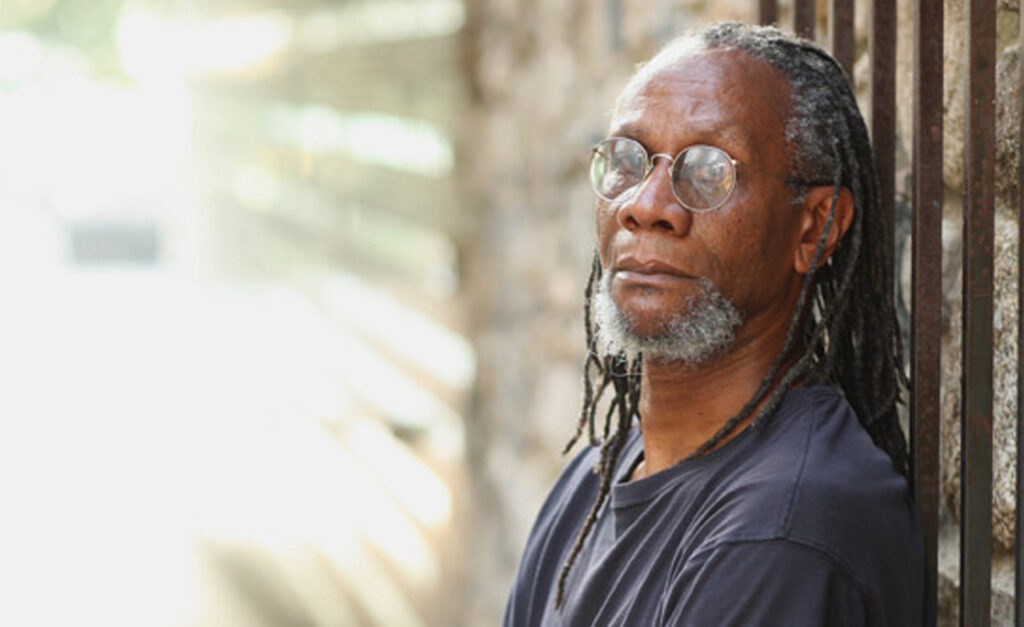
“Mackey composes realist-mythic layering of lyrical prose unlike anything being written today.” — New York Times. “Our greatest living epic poet…Mackey’s poetry and criticism have reinvented modernism for our time.”— LitHub
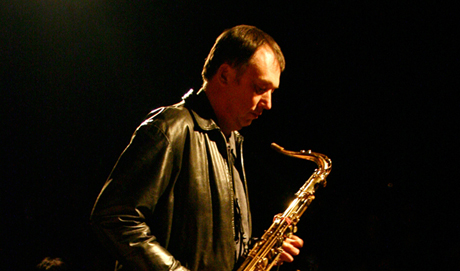
John Butcher plays and manipulates a feeding back saxophone. Benedict Drew on electronics, broken cables and standing waves.
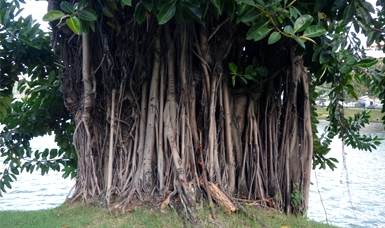
Dir: Maurizio Lazzarato & Angela Melitopoulos
A filmic constellation exploring Felix Guattari’s anti-patriarchal, anti-colonialist, anti-psychiatric, animist ideas of care and the self. And an Introduction to the Episode.
Glasgow. Low-end drone guitarage army in praise of the open chord.
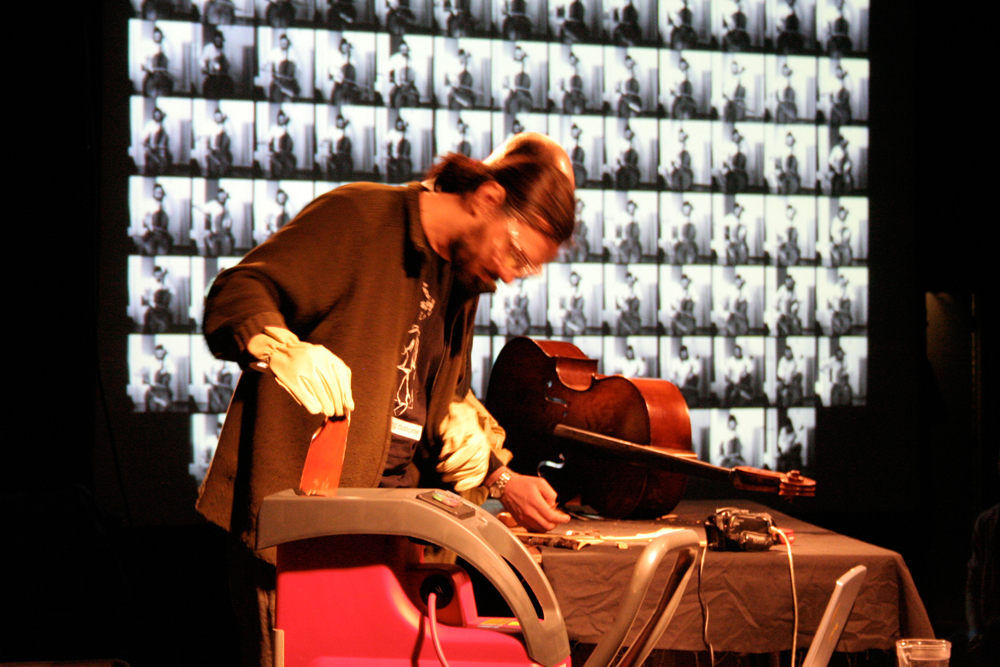
Nikos played every note that it’s possible to play on the cello, all played back as a one hour drone, while the cello was turned to powder and bottled.
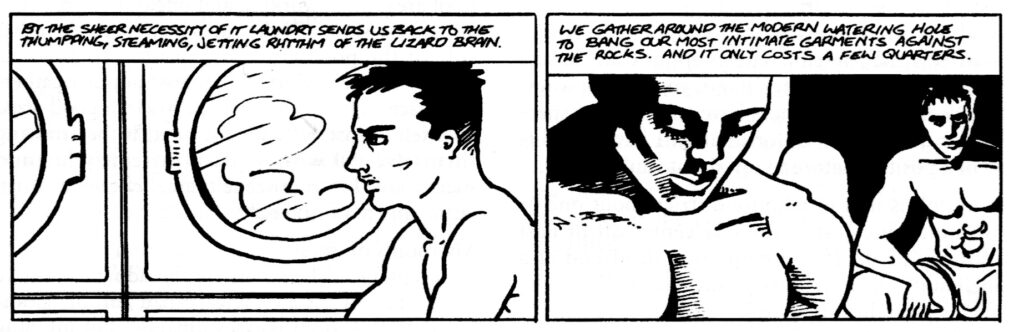
Could cruising and random public sex be the basis of an ethically organised society? A discussion with Jackie Wang, Samuel R. Delany and Huw Lemmey.