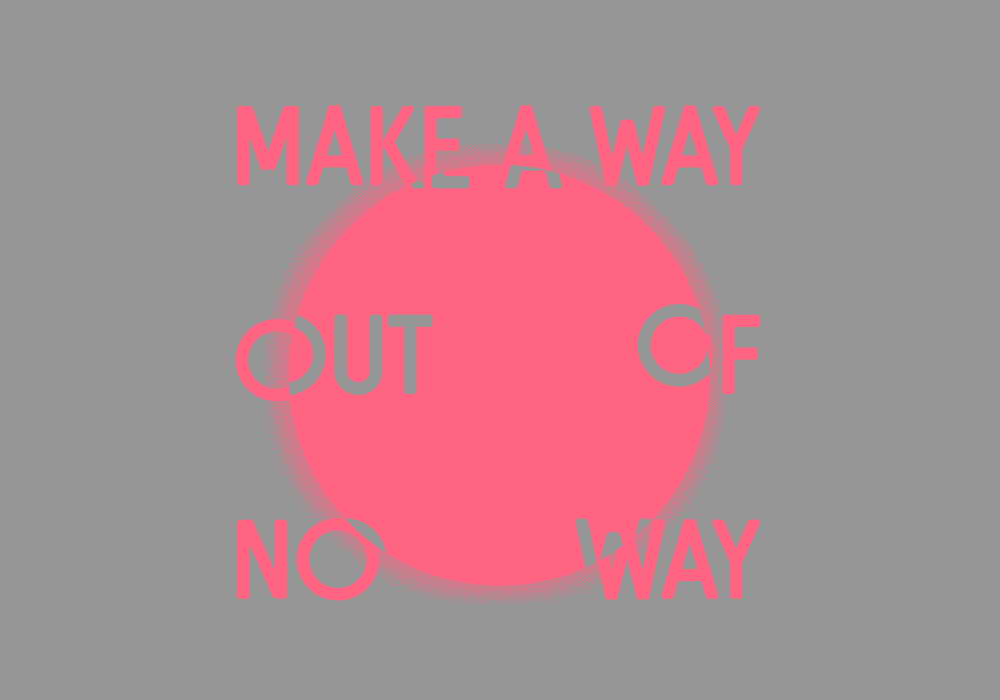
Episode 6: Make a Way Out of No Way
A 3-day exploration – through performance, screenings and discussion – of the art and politics of wayward communities who refuse to be bound by the fictions of race and sex.
Arika have been creating events since 2001. The Archive is space to share the documentation of our work, over 600 events from the past 20 years. Browse the archive by event, artists and collections, explore using theme pairs, or use the index for a comprehensive overview.
A 3-day exploration – through performance, screenings and discussion – of the art and politics of wayward communities who refuse to be bound by the fictions of race and sex.
A whistle stop tour of visual and material culture that has anchored the sex workers rights movement through the decades until today.
A performance of Ueinzz’s new play. Each Ueinzz performance is a process of reinvention, between exhaustion and a fleeting vision: singular, collective, anonymous, plural, suspensive, intensive, unworking life.
The second in a series of workshops for workers and non-workers who care. What does the sharing of vulnerability entail? Can such a sharing inform progressive social relations?
Ray and Thomas talking about how cognitive neuroscience is unlocking the physical basis of personal experience.
If life is assaulted by power, where do we find spaces for living? A conversation with Peter Pál Pelbart.
A celebration of the release of four books written by members of, and focused on about the House and Ballroom scene.
Haino exceeds expectation with a 4 hour solo performance on a collection of more than forty instruments from all over the world.
Like walking through the abstracted amalgamation of 30 or so storms, trays of water shaken by thunder, light bouncing off pools.
The first of two workshops that highlight correspondence as a way of working. Somewhere between song, speech, and logistical arrangement, these workshops invite participants to consider care as infrastructure.
A conversation between influential figures thinking through Blackness and Indigeneity, asking: what if we took seriously the possibility that this world, as we know it, may be coming to an end? We dread the loss of this world, but have we begun to imagine the one to come?
One of the most compelling Indigenous voices of her generation discusses practices of Indigenous Resurgence drawn from Nishnaabeg poetic knowledge.