Declarative Mode (1976 – 1977)
Paul Sharits
Paul Sharits is one of our all time heroes, and one of the great artist filmmakers of the 20th Century.
Arika have been creating events since 2001. The Archive is space to share the documentation of our work, over 600 events from the past 20 years. Browse the archive by event, artists and collections, explore using theme pairs, or use the index for a comprehensive overview.
Paul Sharits is one of our all time heroes, and one of the great artist filmmakers of the 20th Century.
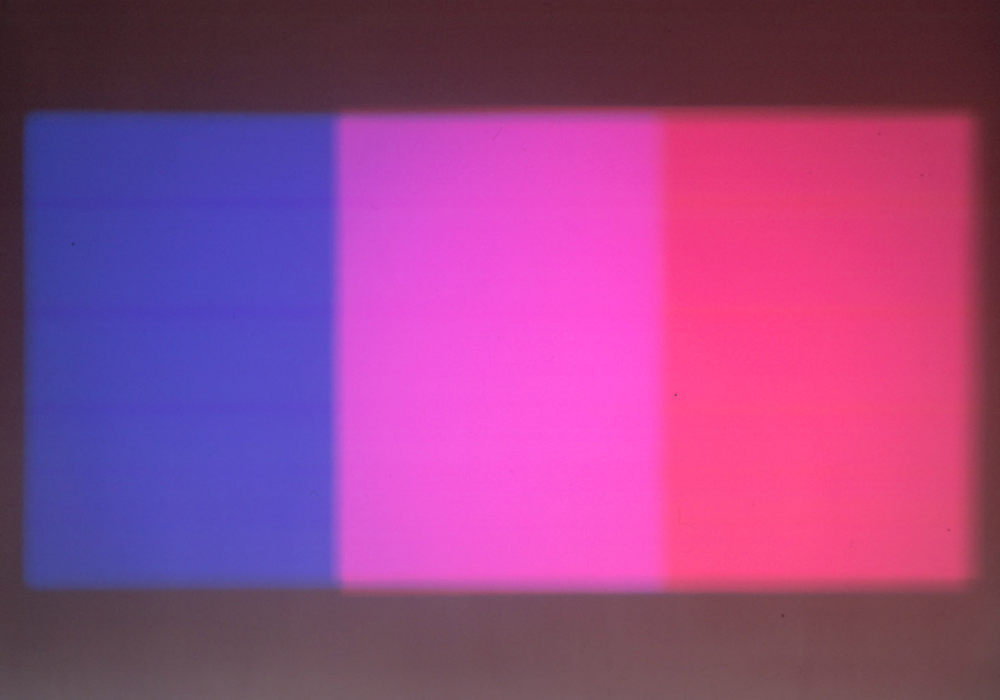
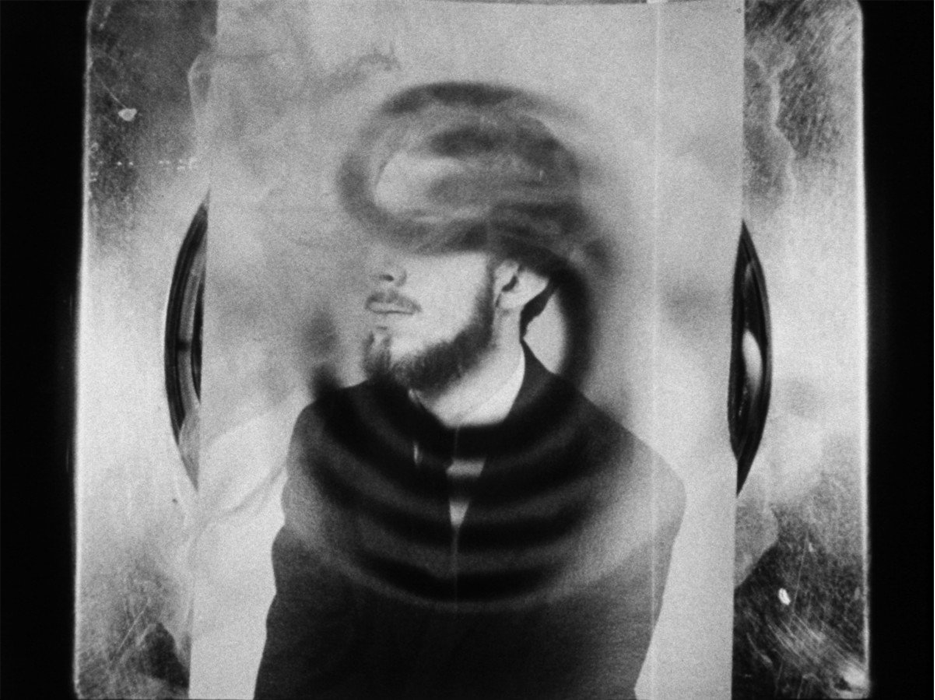
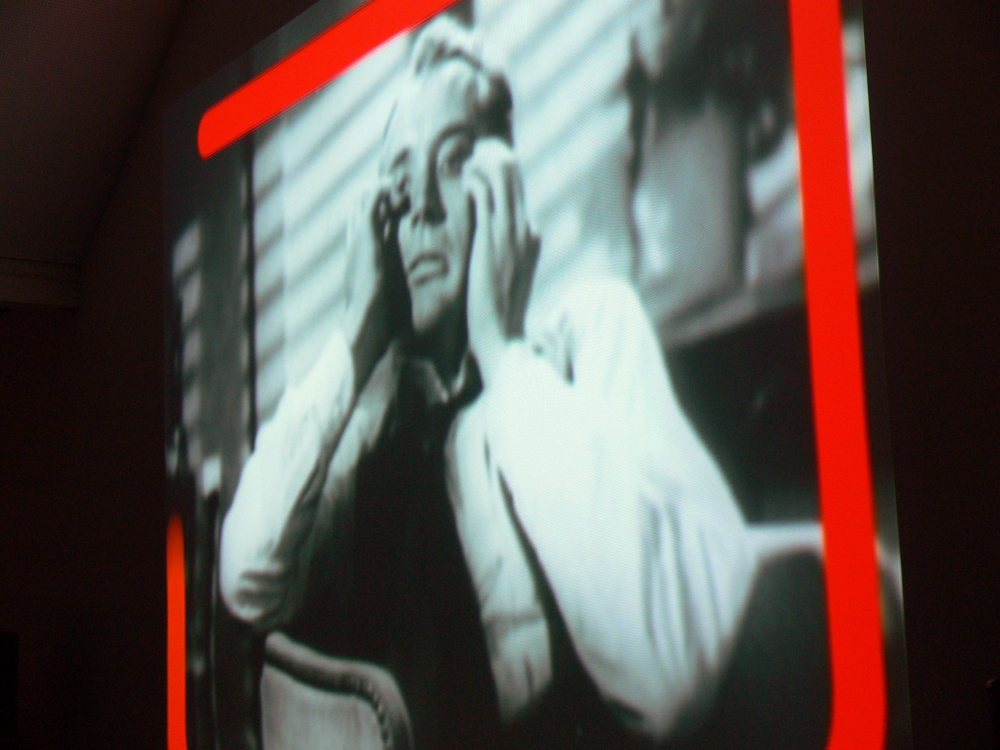
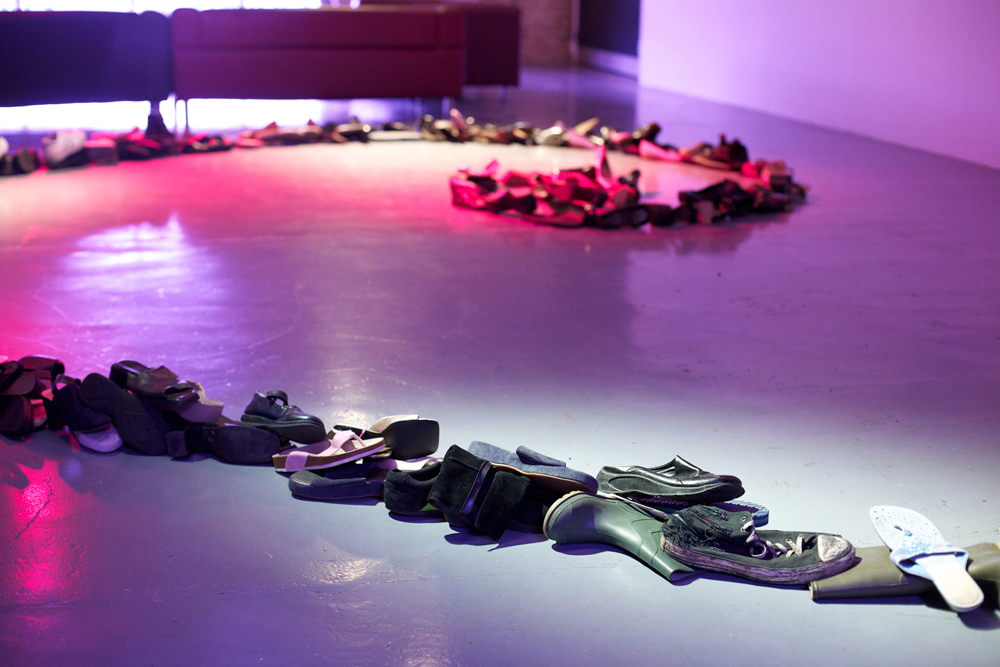
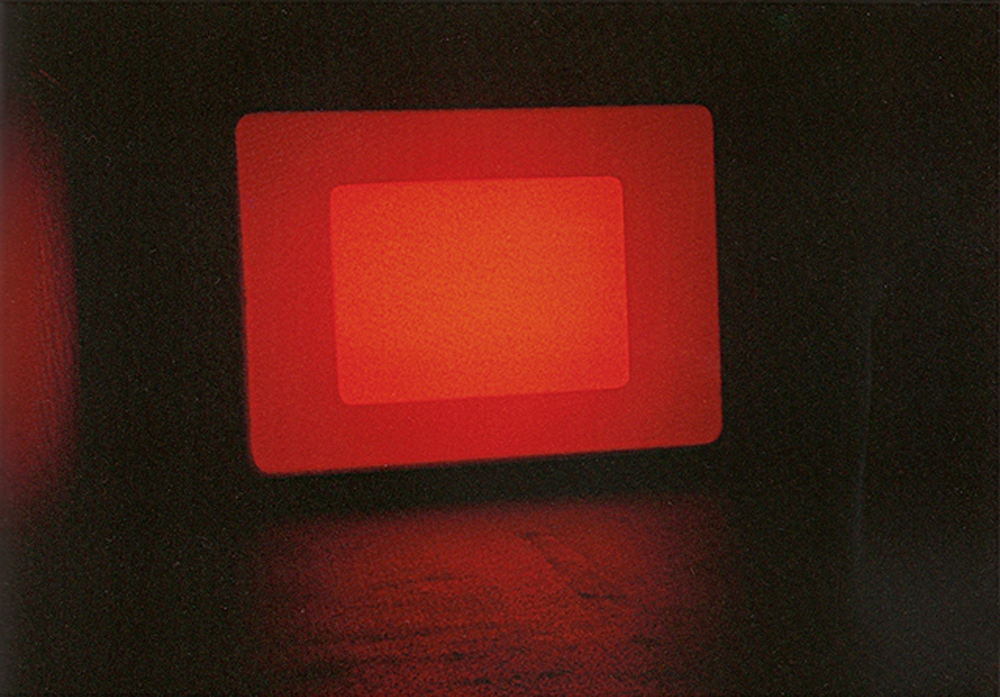
Paul Sharits’ Shutter Interface is a multi screen installation born of an intent to reveal the material substance of cinema in its purest form: spatially.
A programme that looks at how sound and image can be treated as variants in a collection of ordered objects; at how to create meaning from the similar, and to notice difference.
Brother and sister stumble over the early morning horizon in a spectral haze of emotionally devastating lunar vocals and oblique, lithium-soaked folk.
Stripping back the domesticated ‘meaning’ of (everyday, mundane, kitchen) tools to reveal “a lexicon of rage and frustration.” Plus an allegorical use of mundane, everyday things as an examination of how meaning is constructed in film.
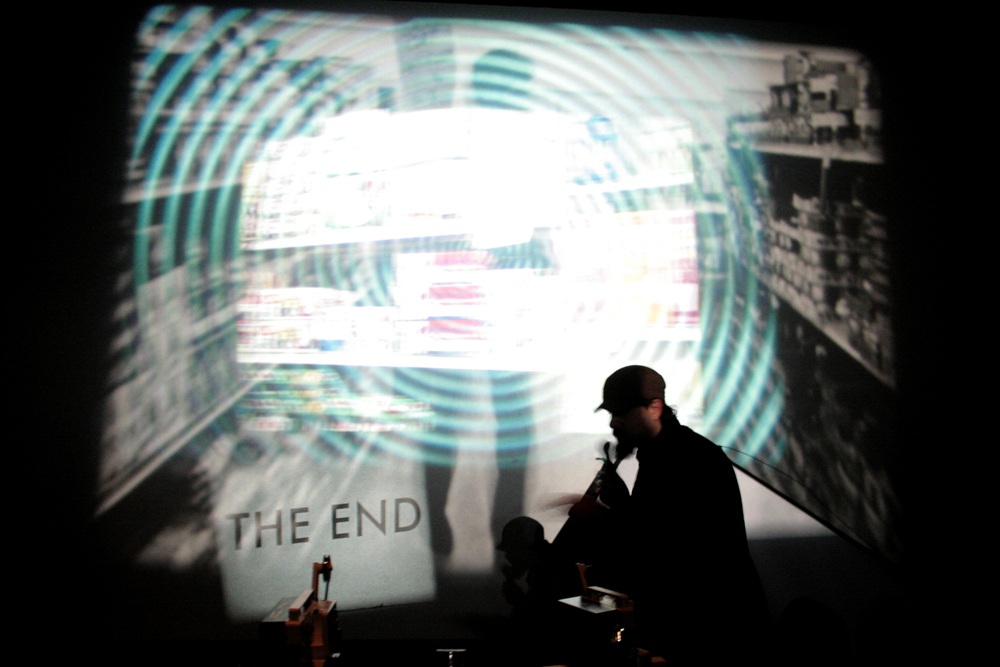
A silent collage of found film footage partially layered with computer graphics to provide a framework in which live music can develop.
The worlds leading radio art station brings you: a performance, a radio show, an installation, an endurance test.
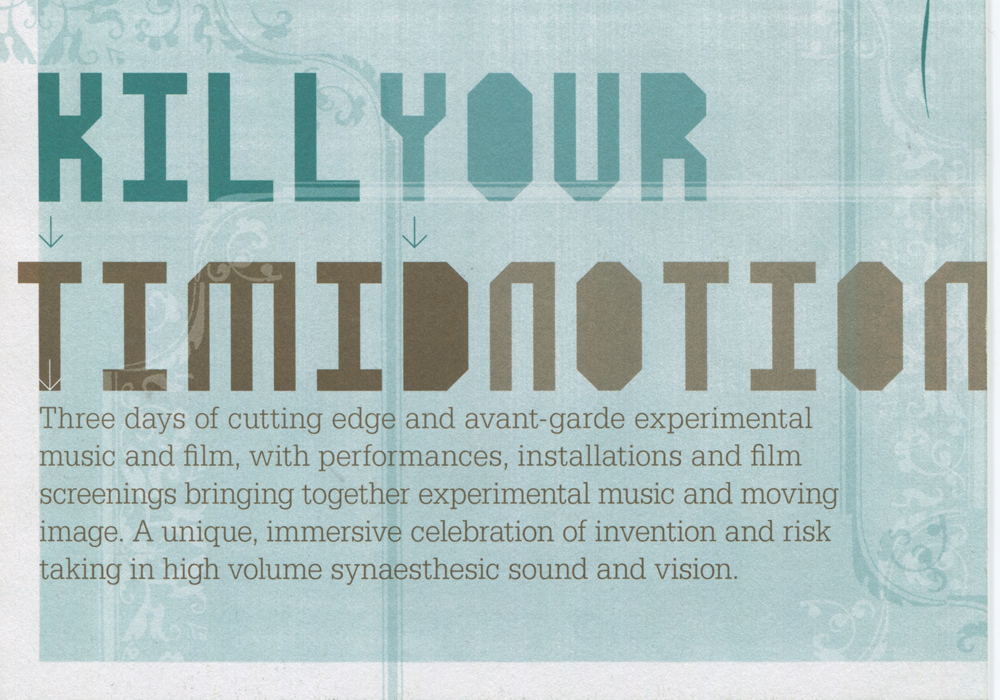
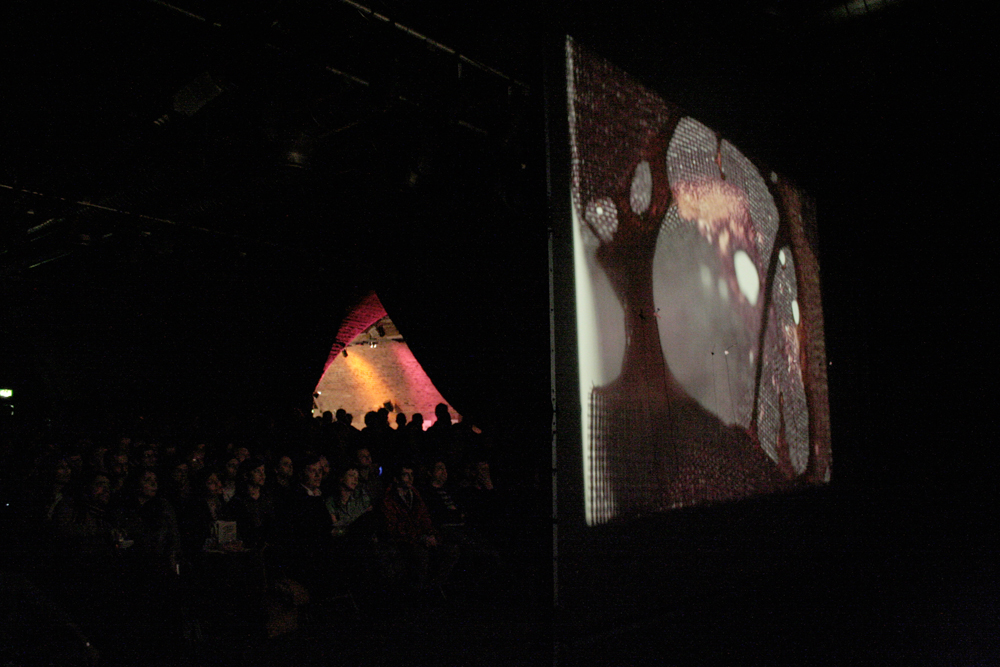
Taking over the gallery spaces at Dundee Contemporary Arts, the first Kill Your Timid Notion presented a 3 day programme of live immersive experiences and specially curated film programmes.
A recreation of one of Gustav Metzger’s celebrated auto destructive performances.
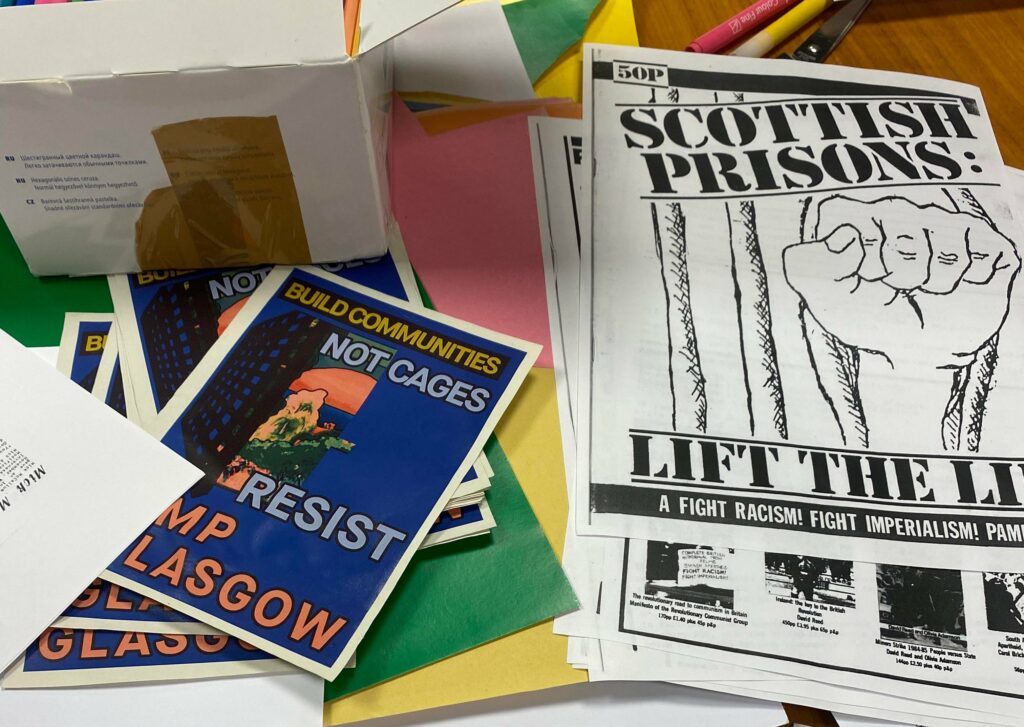
How do people both inside and outside of prison work together to dismantle the criminal justice system and build a society based on collective care?
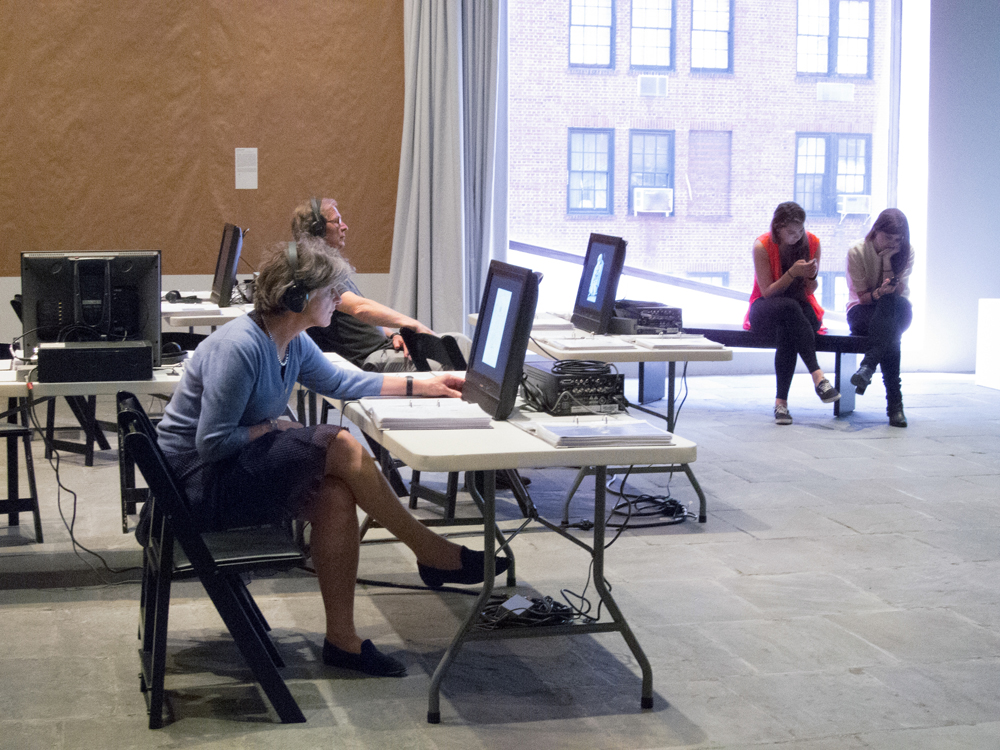
A temporary archive and research space tracing the ways in which sound and audition move through everyday life.
Quasi-theatrical multiple-projector pieces play with the relationship between performers, art and audiences.