Paragon Ensemble
Paragon Ensemble
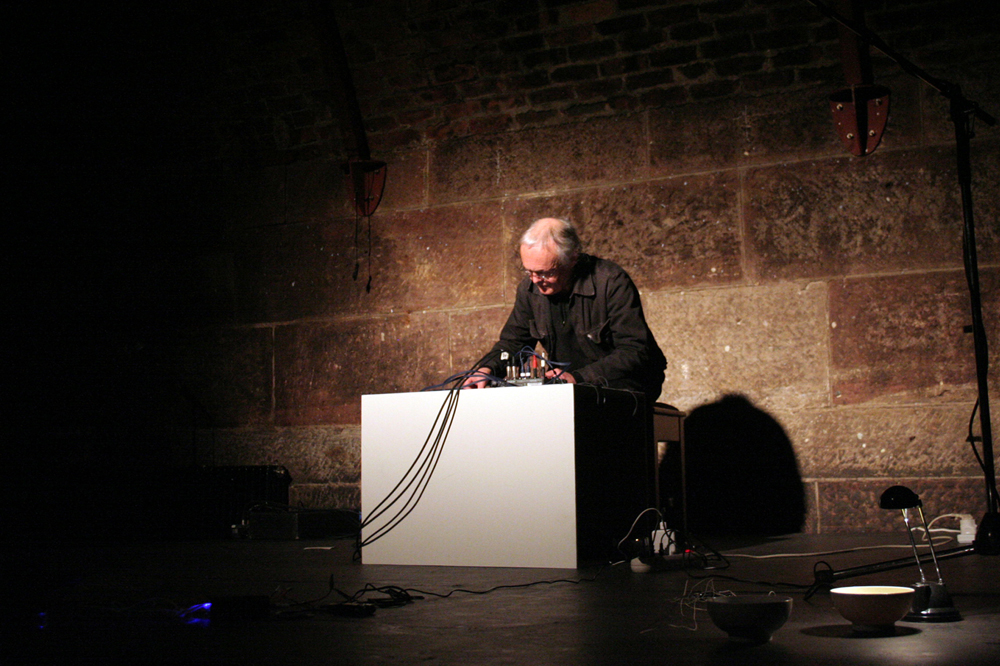
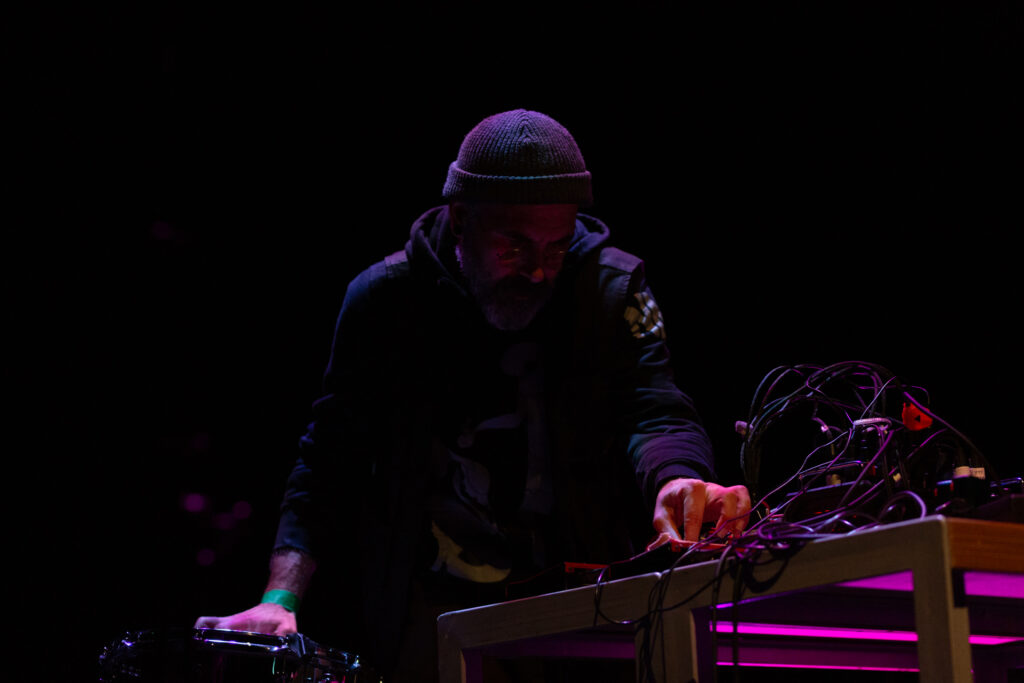
The program of composed music including Feldman’s Instruments III, Ligeti’s piece for 100 Metronomes Poeme Sympathetique, and Rebonds B by Iannis Xenakis.
Arika have been creating events since 2001. The Archive is space to share the documentation of our work, over 600 events from the past 20 years. Browse the archive by event, artists and collections, explore using theme pairs, or use the index for a comprehensive overview.
The program of composed music including Feldman’s Instruments III, Ligeti’s piece for 100 Metronomes Poeme Sympathetique, and Rebonds B by Iannis Xenakis.
Miniscule free-noise hissy-fits and broken instrument scrape/ squeal jams from the fools what brought you Giant Tank.
What would a world and an ethics look like free from the destructive consequences of the Western mind?
The first of two workshops that highlight correspondence as a way of working. Somewhere between song, speech, and logistical arrangement, these workshops invite participants to consider care as infrastructure.
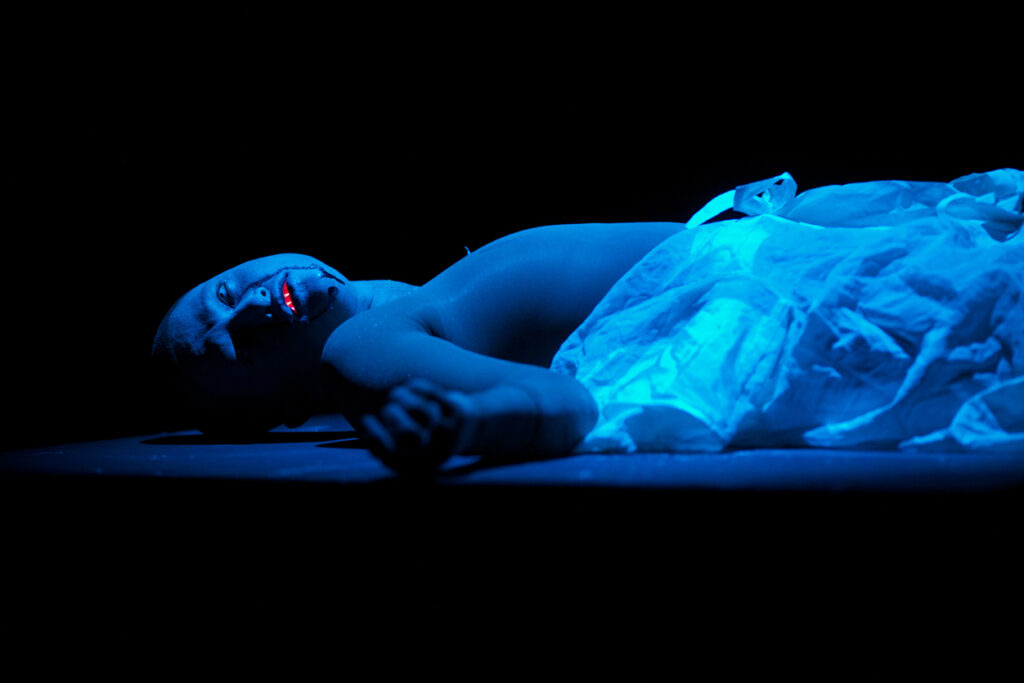
The mutability of the body and the mobility of identity: queered pop culture, drag, lip-sync and performance.
If life is assaulted by power, where do we find spaces for living? A conversation with Peter Pál Pelbart.
Julius’ “small music” features simple snatches of found sound, played back through small speakers, often set in bowls of pigment and dirt which shimmies in the vibrations.
The most sophisticated synthetic music around: timbrally otherwise body music as sonified fictions and auditive sociograms.
Gravitational Feel is an engine for intensifying the differentiation of our entanglement, which you continually reprogramme in the mutual rub, shift and lap of its sonic, wooden, steel, textile and human material.
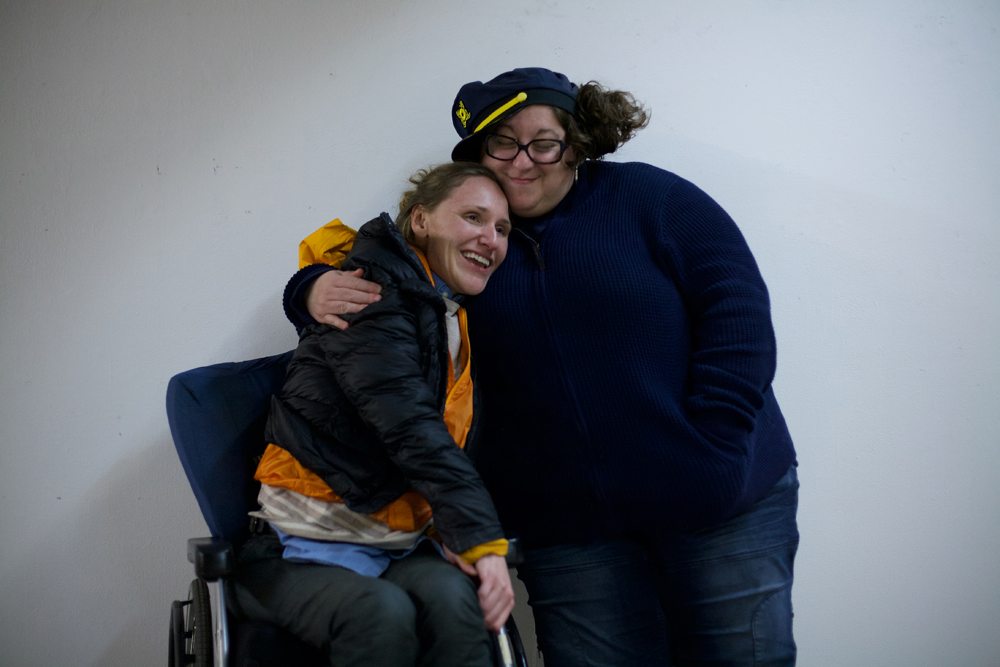
In this workshop we will imagine ourselves as time travellers from a glorious and chaotic neurodivergent-led future.
Arika is working in partnership with Decriminalised Futures on a multi year collaboration featuring multiple creative projects exploring sex worker lives, experiences and movement struggles.
There are core ways in which our listening to the radio differs from other kinds of listening. What happens when we pay attention to how we pay attention?