


18 June 2026
Collective Art Workshop
Scotland for Decrim
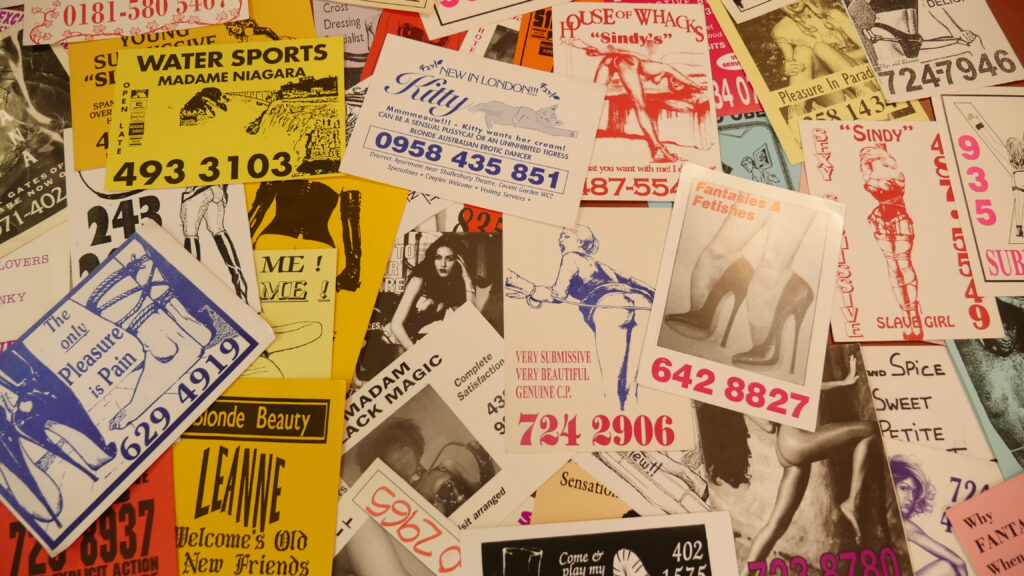
Sex worker only Collective Art Workshop led by the Hard Labour project from Scotland for Decrim.
Arika have been creating events since 2001. The Archive is space to share the documentation of our work, over 600 events from the past 20 years. Browse the archive by event, artists and collections, explore using theme pairs, or use the index for a comprehensive overview.
Sex worker only Collective Art Workshop led by the Hard Labour project from Scotland for Decrim.
Databases carry the same seeds of creativity that early documentary makers saw in film. Both can empower people by helping them to master information, both can be claimed to represent some kind of reality or truth.
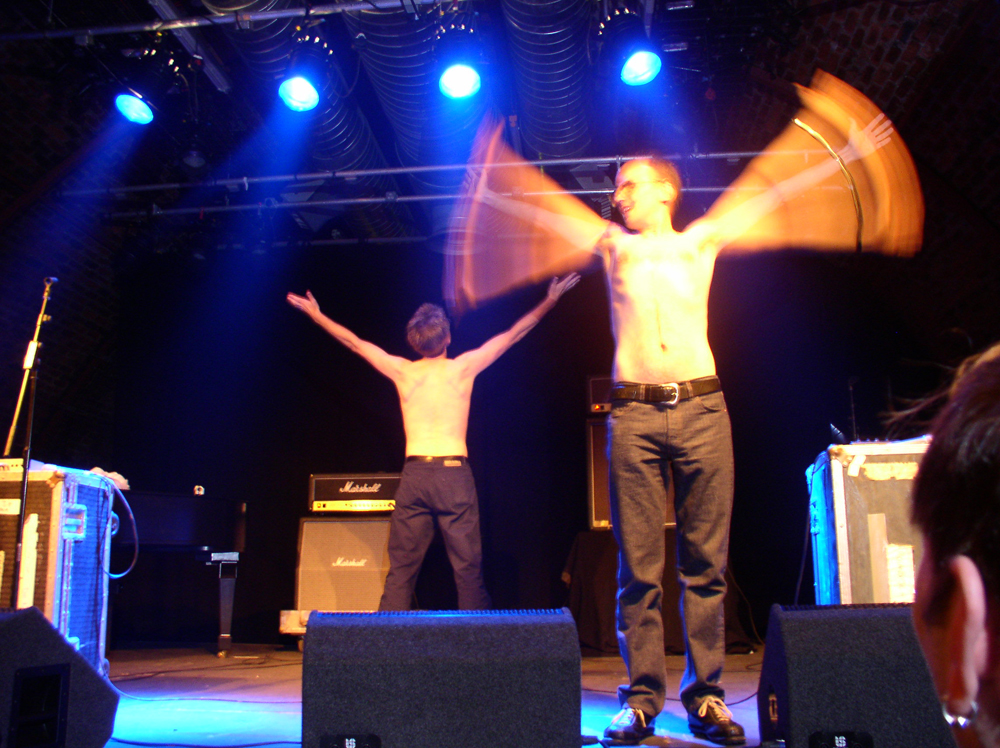
Formed as a means to realise William Bennett’s goal of “a sound that could bludgeon an audience into submission”
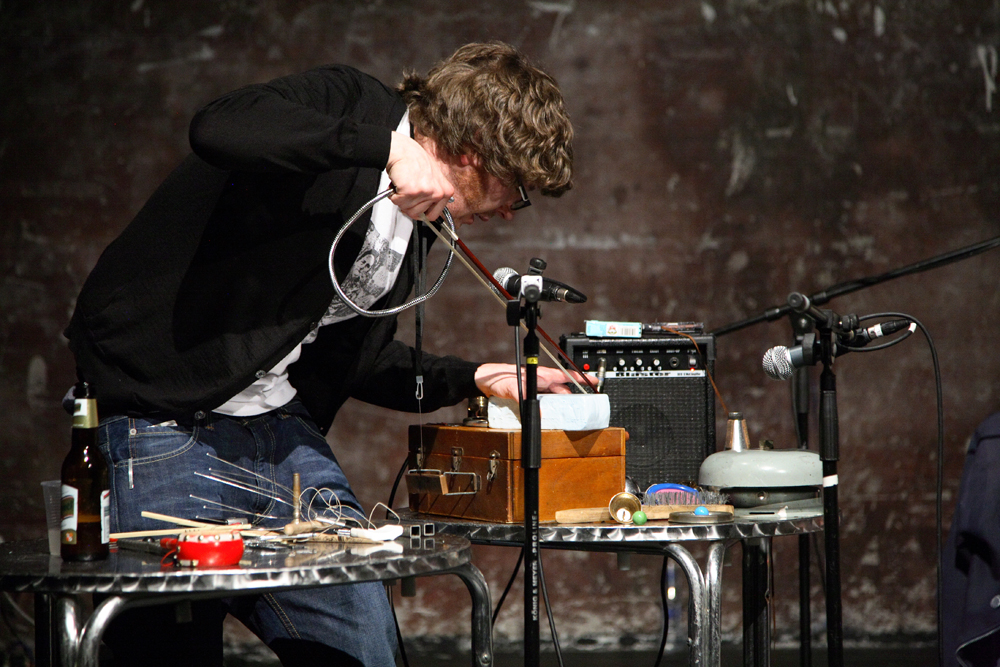
Dead Labour Process drool-tape farmer, squeaking/creaking Usurper brother and Peeesseye’s yodelling traps-man hold a real OUT splutter party.
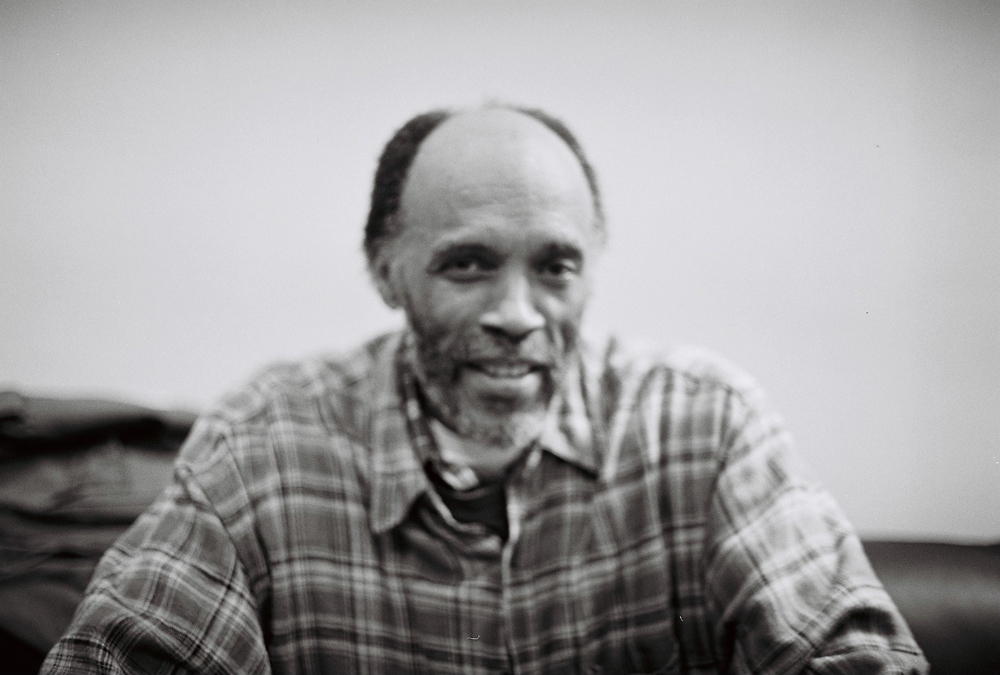
Free-jazz chat with Sabir Mateen, Daniel Cater, Andrew Barker – hosted by Byron Coley.

Hartmut is going to talk a little about his work at large and the politics of how his films are constructed. And we’ll screen one of his best films: B-52.
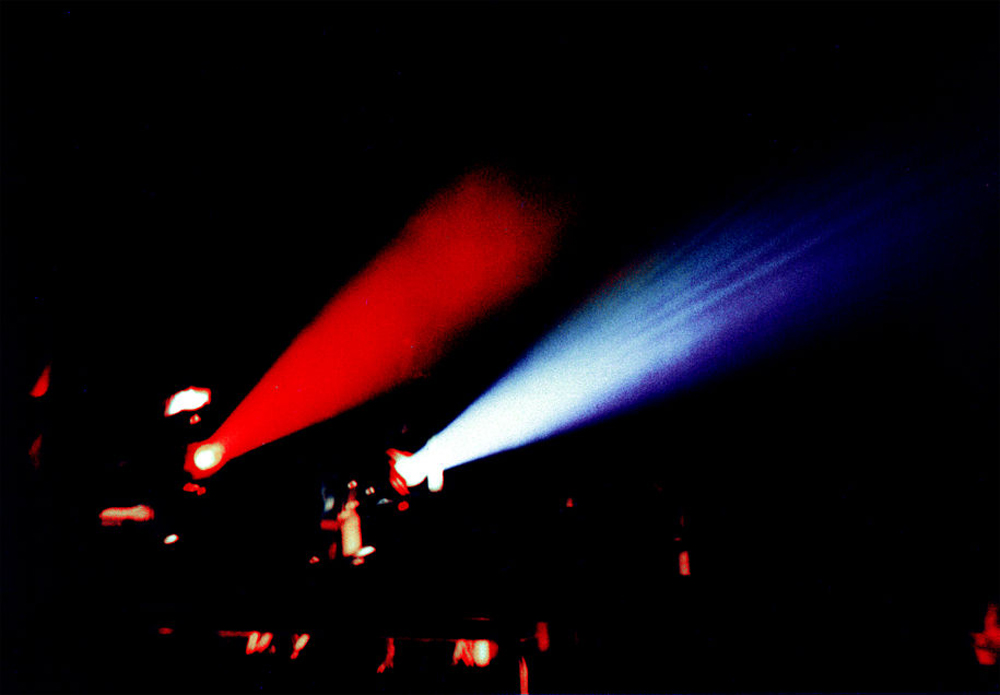
Dual projections of pulsating shards of film, treated in crystallized salts and dyes merge with the whirring of projectors, distilled into particles of sound.
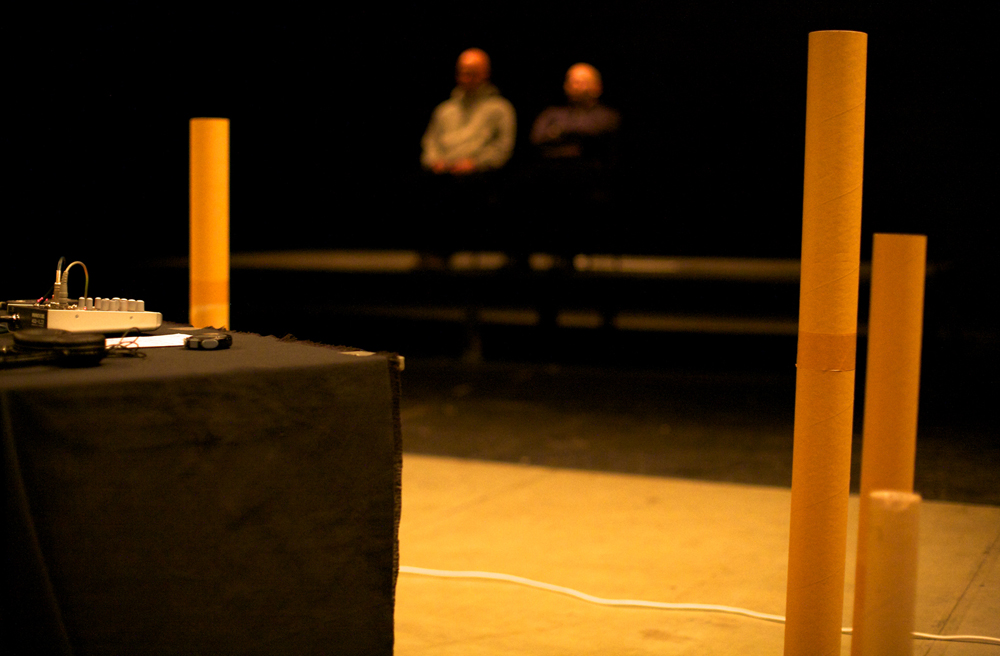
Intriguing, underground, Berlin based musicians interested in the borders between music and theatre, language, the visual arts, politics.

Whether drawing their own fractured, abstract narrative, or re-contextualising, chewing up and spitting out someone else’s, each of the films here take a dramatic arc as their starting point and throw it to the wind.

Akio Suzuki and John Butcher performing in an abandoned oil tanker on Hoy.
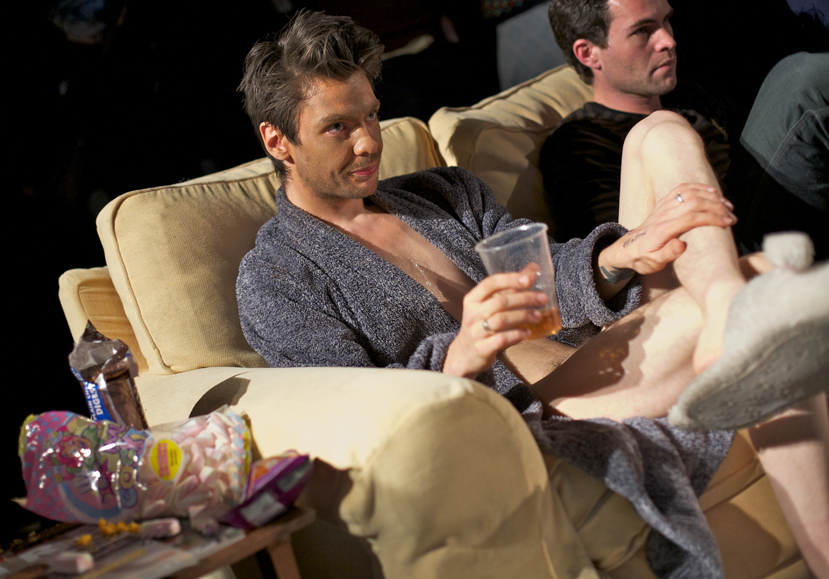
A series of three short performed situations and statements to be examined or judged from the most interesting young musician in Glasgow (we think).
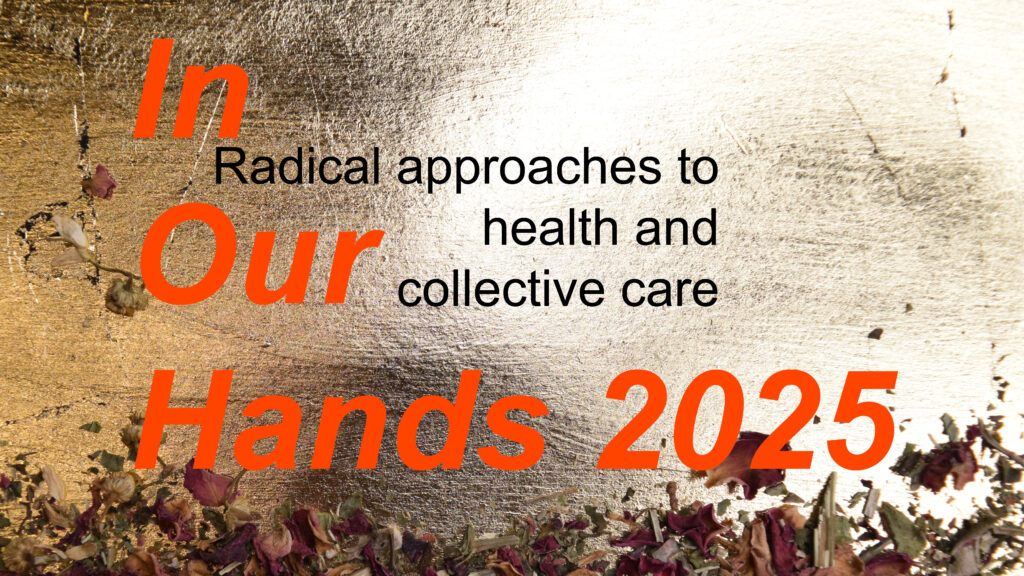
In Our Hands is a nine week programme of workshops exploring radical approaches to health and collective care in the movement for liberation and social justice.