Paramedia
Yasunao Tone
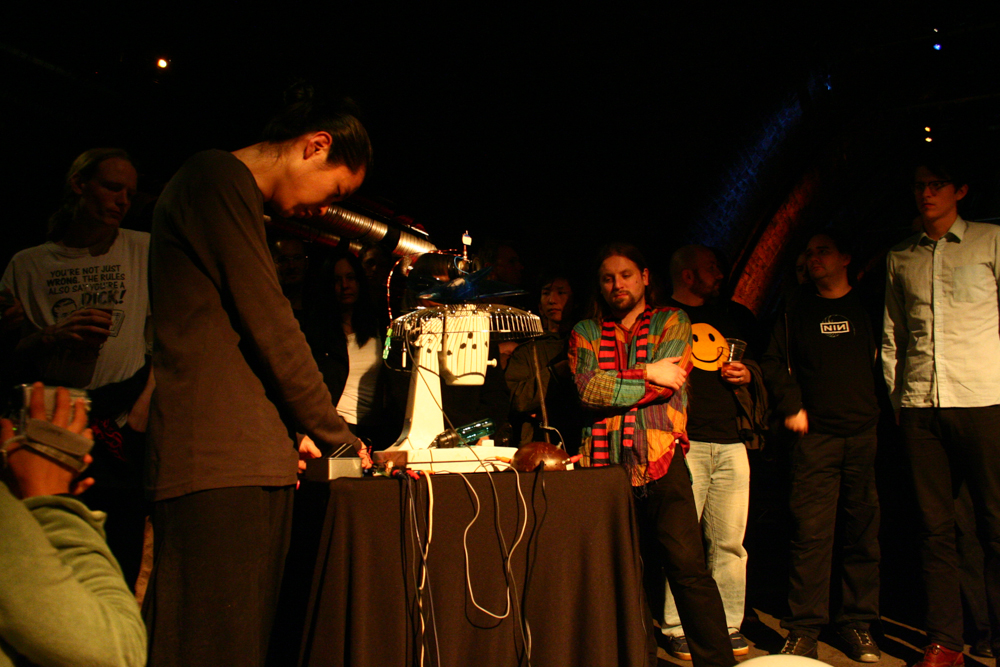
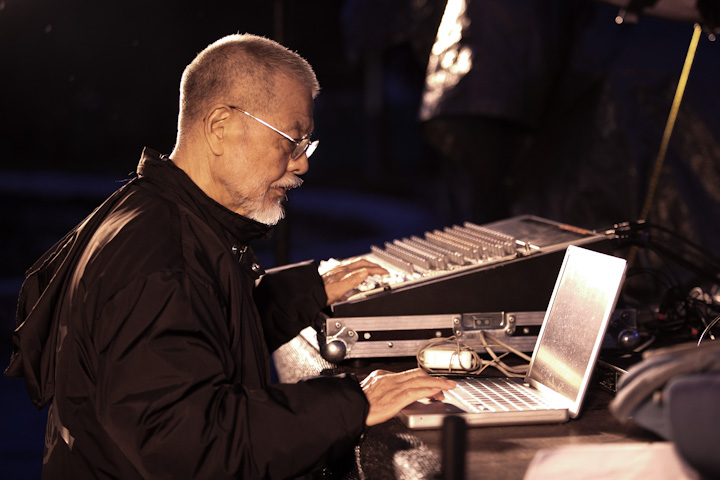
A dense, hard, immersive, chaotic spatial performance in sound: a momentary gap in consciousness, free of order or decision.
Arika have been creating events since 2001. The Archive is space to share the documentation of our work, over 600 events from the past 20 years. Browse the archive by event, artists and collections, explore using theme pairs, or use the index for a comprehensive overview.
A dense, hard, immersive, chaotic spatial performance in sound: a momentary gap in consciousness, free of order or decision.
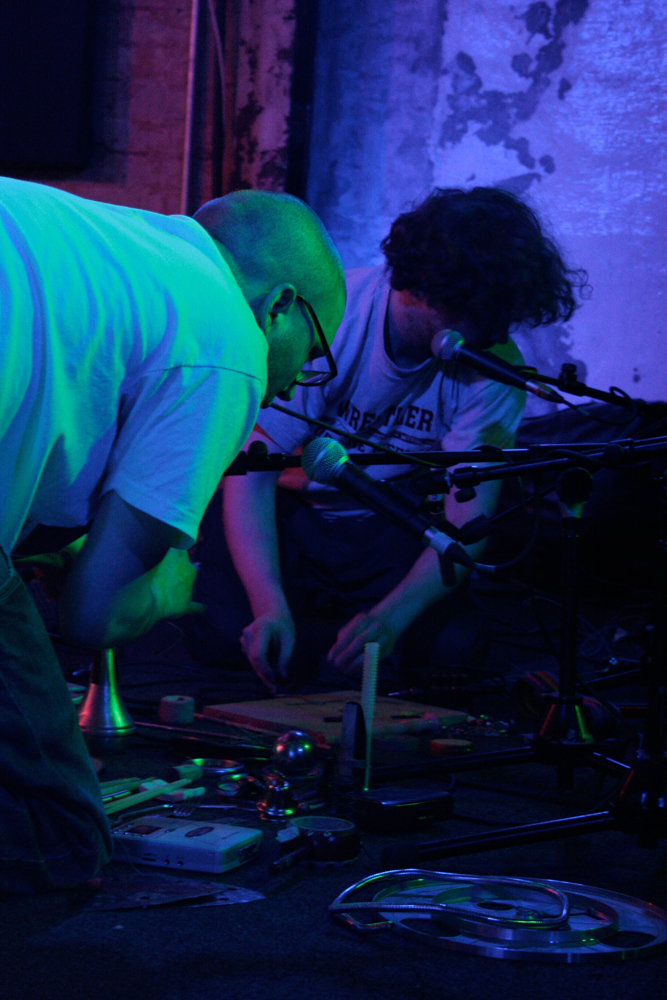
This set continues on from the Bud Neill inspired clatter using the contents of the Usurper twin’s pockets.
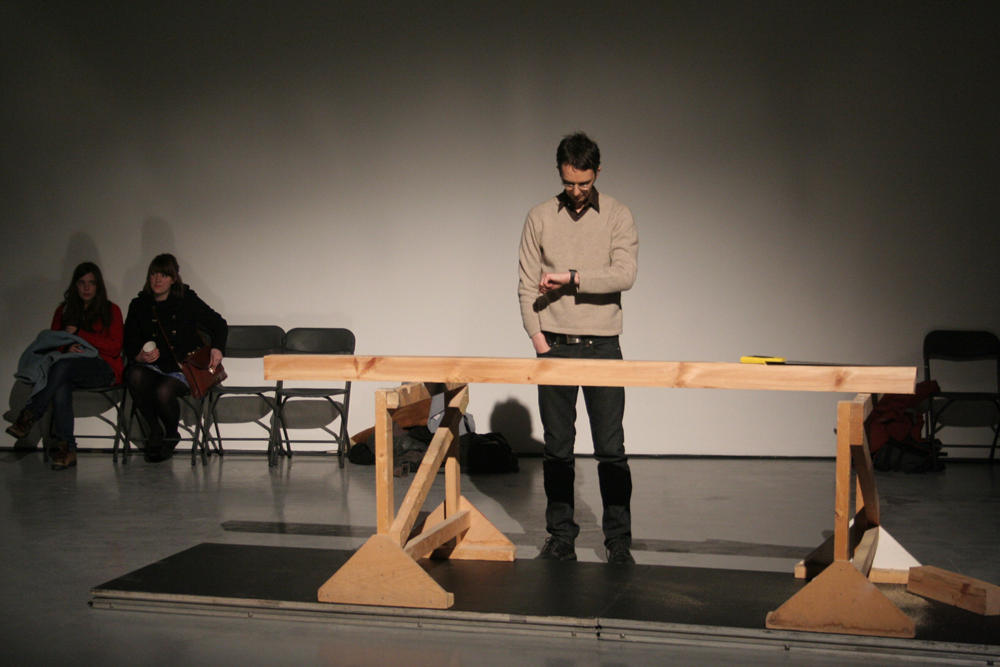
Umeda is a Japanese artist who is as fascinated in setting up interesting situations to observe, as he is in creating performances.
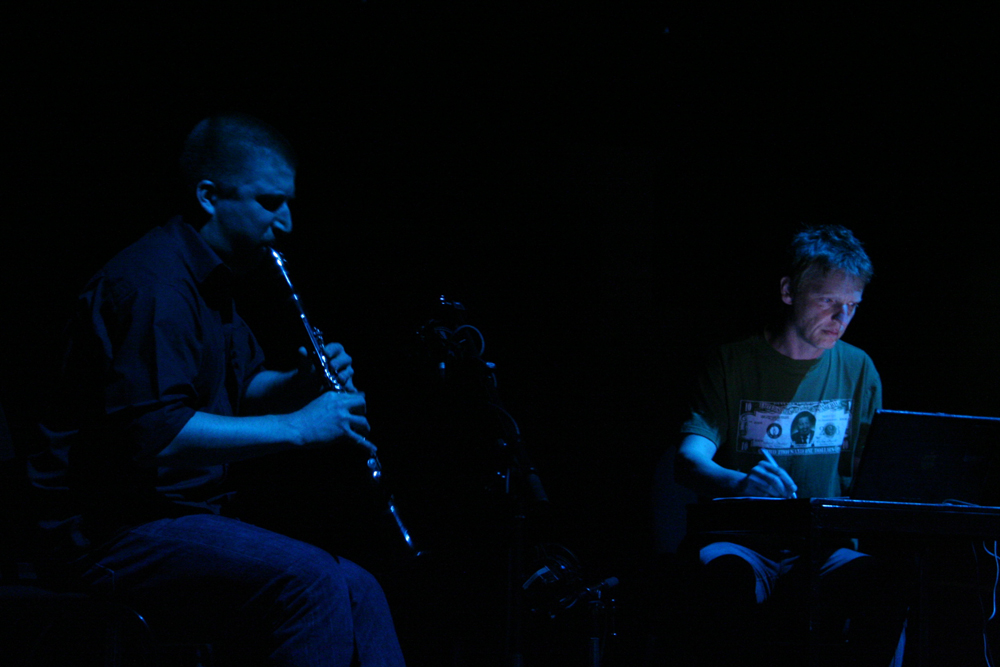
Los Glissandinos work with clarinet and sine tones beating and thrumming in your middle ear, all beautifully paced and serene, but with just enough steely menace broiling under the surface to keep you on edge.
How can we imagine bodies not as an end in themselves, but as a medium through which we can become one another’s means?
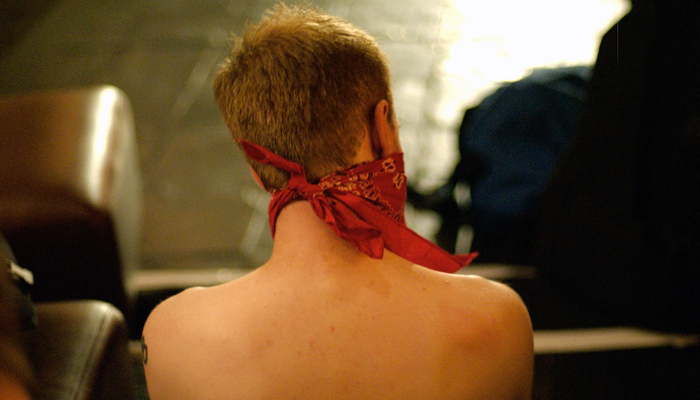
Thirty lucky Instal punters experience Kylie’s pre-match aggro workout one-on-one in the darkness of an Arches dressing room.
In the Foyer at the Tramway we will screen a documentary from the Sex Workers’ Festival of Resistance 2017 and La Llamada by Eduardo Restrepo Castaño.
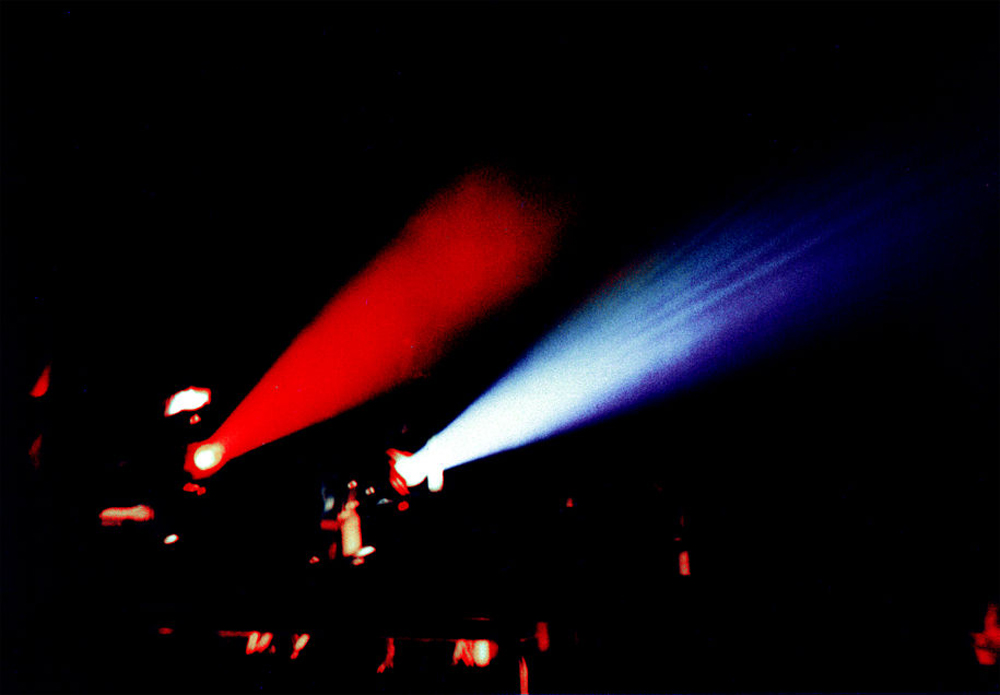
Dual projections of pulsating shards of film, treated in crystallized salts and dyes merge with the whirring of projectors, distilled into particles of sound.
Music is full of refracted brass and wind tones, distorted tape loops, dead silent air and the occasional piercing shard of sound.
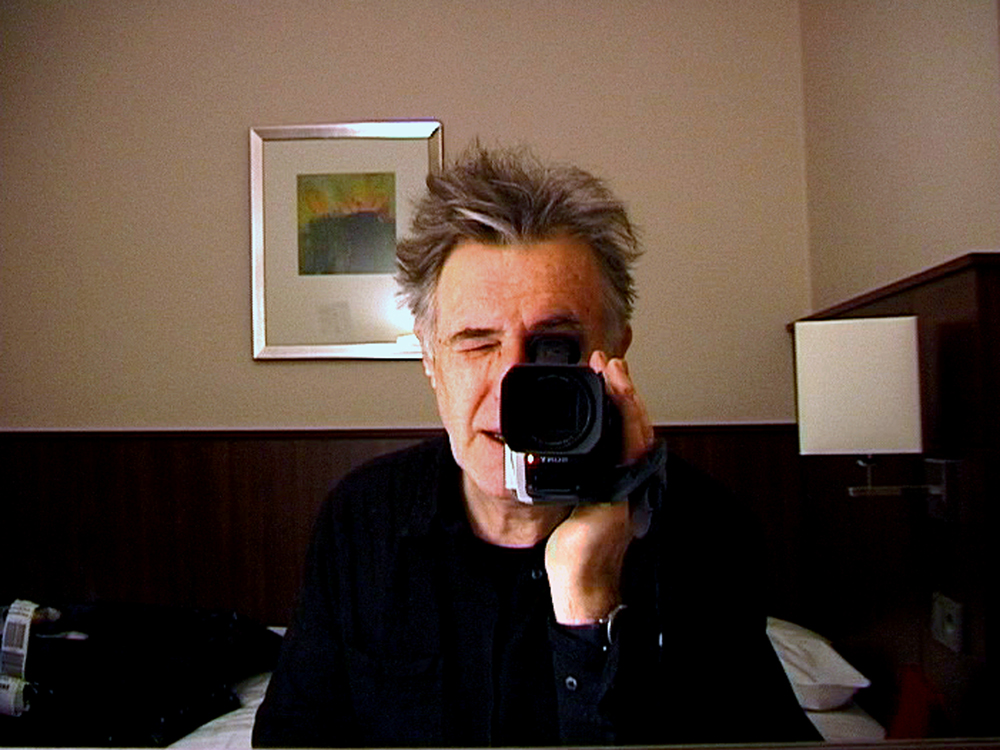
These simple, one-take videos, relate personal experiences to the current conflicts in the Middle East via the most basic of means (a hotel room, a camcorder, John’s personal thoughts, concerns and convictions).
Bruno’s liberated improvisational approach stretches beyond the lyrical, tough as nails rhythmic bursts and expressive, swinging attack of his drumming.
Can we use sound, repetition and difference to personally and collectively engage with space, time and labour?