Filament: Sachiko M & Otomo Yoshihide
Otomo Yoshihide Sachiko M
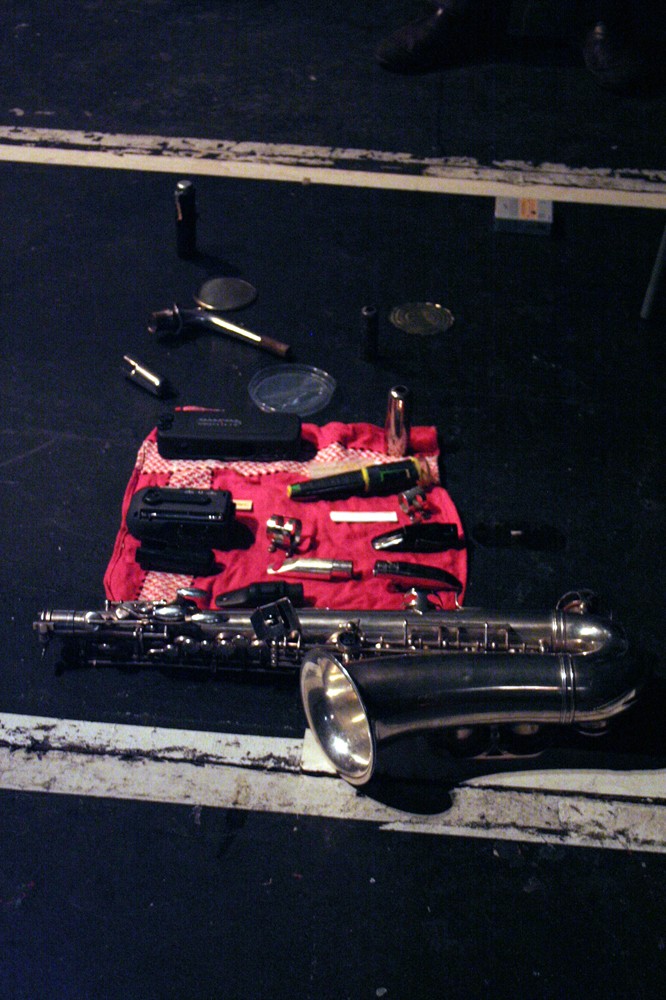
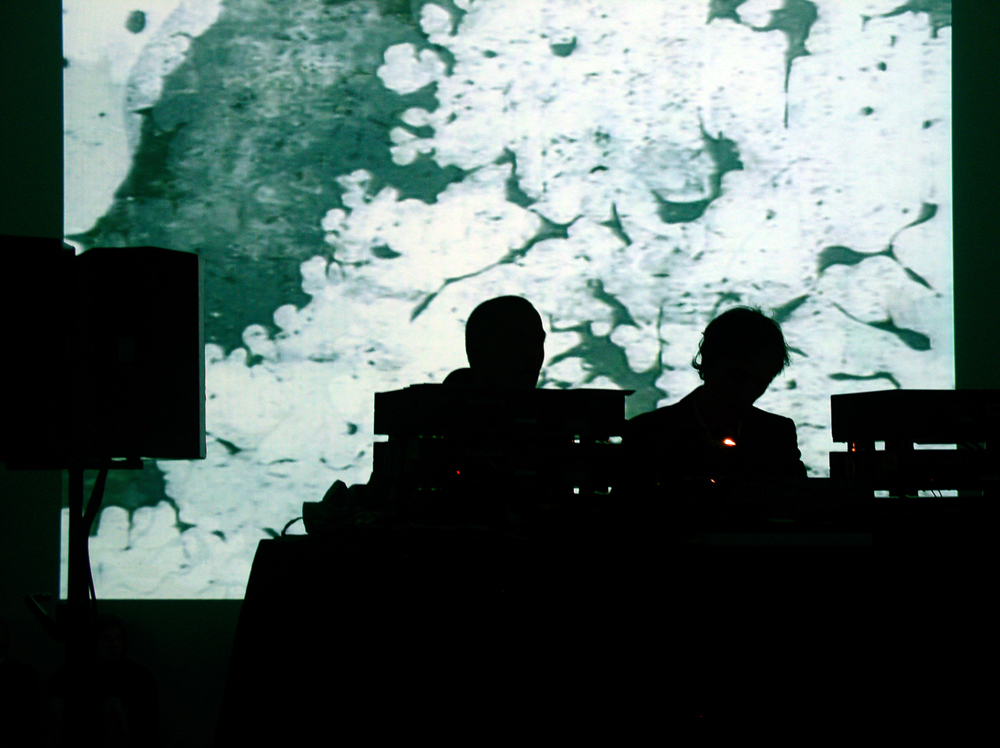
Sachiko’s very simple, pure sine tones and structures. Otomo on double pianos. Filament’s music isn’t composed and it isn’t improvised: it’s a hybrid of the two.
Arika have been creating events since 2001. The Archive is space to share the documentation of our work, over 600 events from the past 20 years. Browse the archive by event, artists and collections, explore using theme pairs, or use the index for a comprehensive overview.
Sachiko’s very simple, pure sine tones and structures. Otomo on double pianos. Filament’s music isn’t composed and it isn’t improvised: it’s a hybrid of the two.
When one calls a strike, who hears the call, who attunes and listens to it? How to listen to the call of a strike? What prevents one from hearing this call or stops one from listening to it?
An audio/ video, lecture/ performance exploring the queer and companionly inter-activity of human-animal relations.
Somewhere between performance, stripped down theatre and an intense kind of public learning or maybe even a public hearing.
Trans-temporal drag, sexuality and the re-staging of illegible moments in history.
A Feral Choir of people who’ve never improvised with their voices before, conducted by improviser yodeller, composer Phil Minton.
A community of those without community, for a community to come. A schizo-scenic video-collage of the disturbing ‘normality’ of Moby Dick.
A system in which oscillators shake The Arches, seismographs pick up the harmonics that are then amplified through massive sub-bass PA.
Ray and Thomas talking about how cognitive neuroscience is unlocking the physical basis of personal experience.
This session focuses in on the defiant mutual aid practices of early and DIY feminist movements in the UK, that attempted to shift and radicalise care and kinship away from the domain of the nuclear family.
How do poetry and maths stitch together pictures of our fractured situation from its wreckage and relics, from the debris of hope and the well of residues that make us what we are?
There are core ways in which our listening to the radio differs from other kinds of listening. What happens when we pay attention to how we pay attention?