William Parker
William Parker
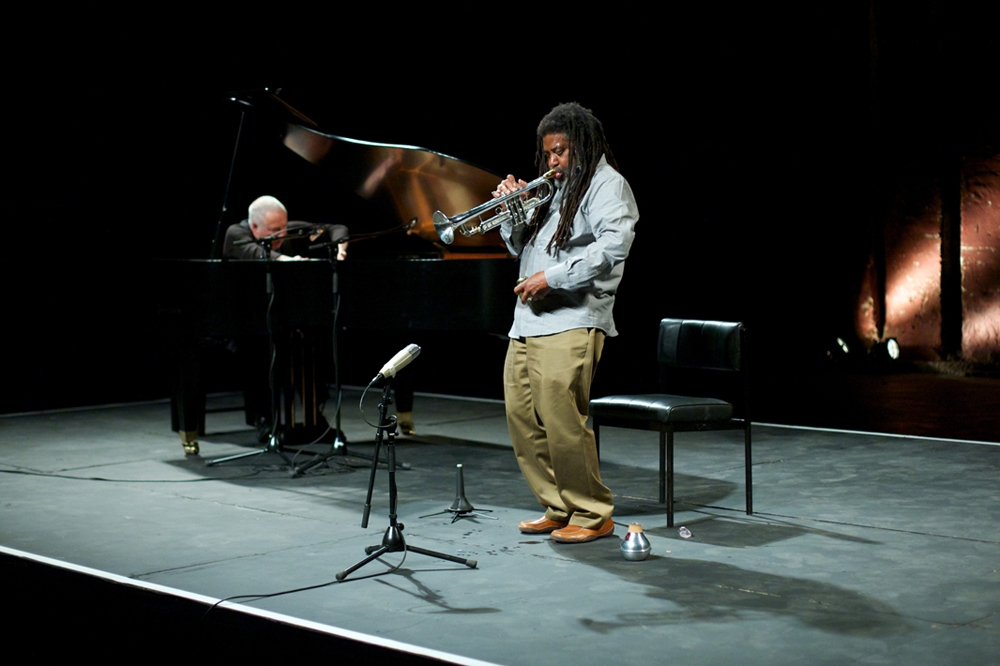
William cradles, hammers, and rains down blows, plucking and using 2 bows to attack the strings above and below the bridge, all in the service of a fiery and passionate creativity.
Arika have been creating events since 2001. The Archive is space to share the documentation of our work, over 600 events from the past 20 years. Browse the archive by event, artists and collections, explore using theme pairs, or use the index for a comprehensive overview.
William cradles, hammers, and rains down blows, plucking and using 2 bows to attack the strings above and below the bridge, all in the service of a fiery and passionate creativity.
Complexly interacting colossal drones by the creator of some of the most legendary yet least heard music of the 70’s.
This set continues on from the Bud Neill inspired clatter using the contents of the Usurper twin’s pockets.
Seven women recite monologues composed from texts from the vibrant years of the Weimar Republic. A kind of cultural echo: an experience of histories brought to the present.
A sung-through Nubian musical ballet. A darkly humorous take on sexual trauma and what magical and ancestral tools might heal it.
The second in a series of workshops for workers and non-workers who care. What does the sharing of vulnerability entail? Can such a sharing inform progressive social relations?
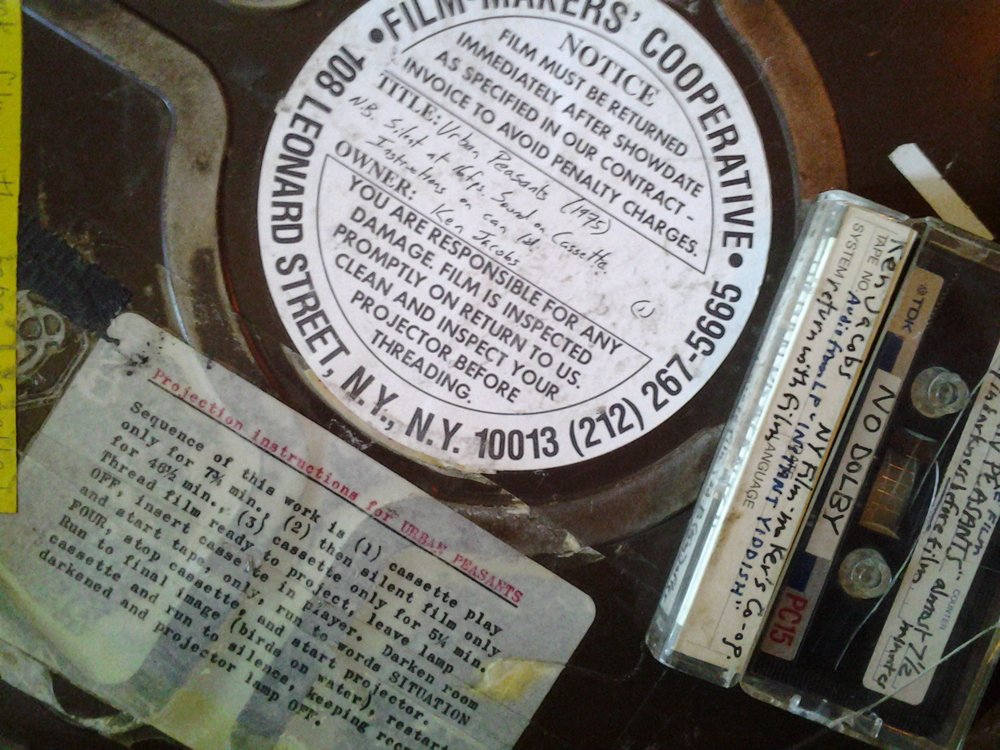
Sound and image slipping out of synch and into discord, the programme includes (in London at least) a very special version of Hollis Frampton’s masterful (nostalgia) with a live narration by Michael Snow.
An original and beautifully simple performed installation forging a direct link between sound and image.
Solo by Jean-Philippe Gross, a French electro-acoustic improviser, working with mixing board, cheap mics, small speakers and an analog synth, built around a honed interest in feedback.
Simon Morris is joined by Nick Thurston as they attempt to read aloud whilst peddling on exercise bikes.
Somewhere between performance, stripped down theatre and an intense kind of public learning or maybe even a public hearing.
What is the radical concept at the core of ‘rhythm’, expanded from simply musical or mathematical notions to encompass personal, social, collective rhythms?