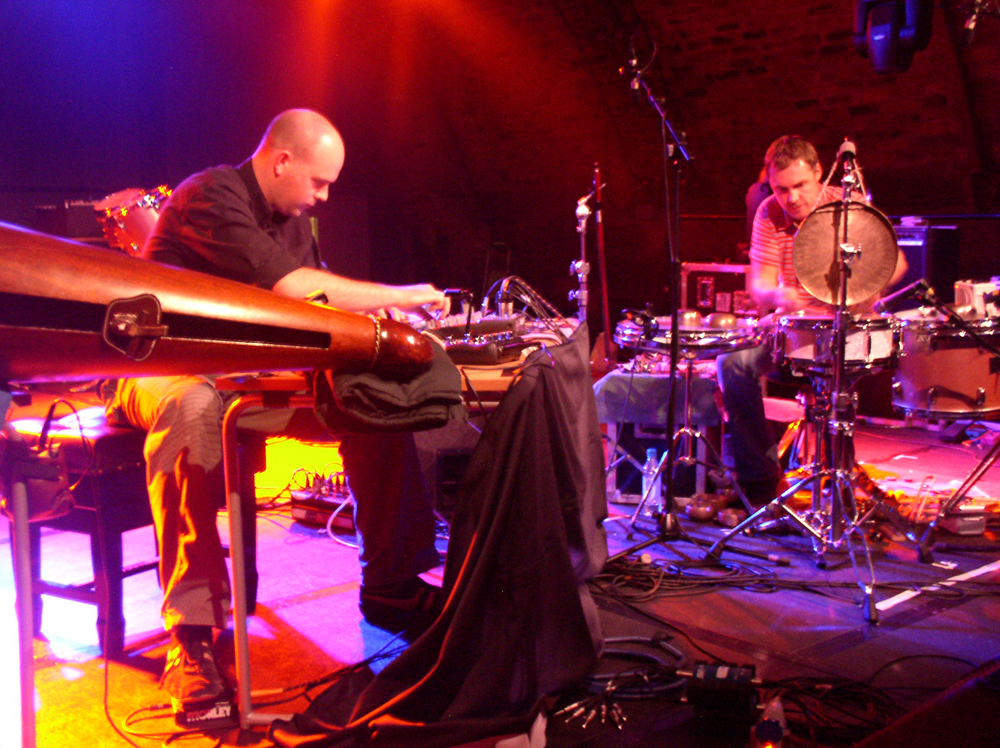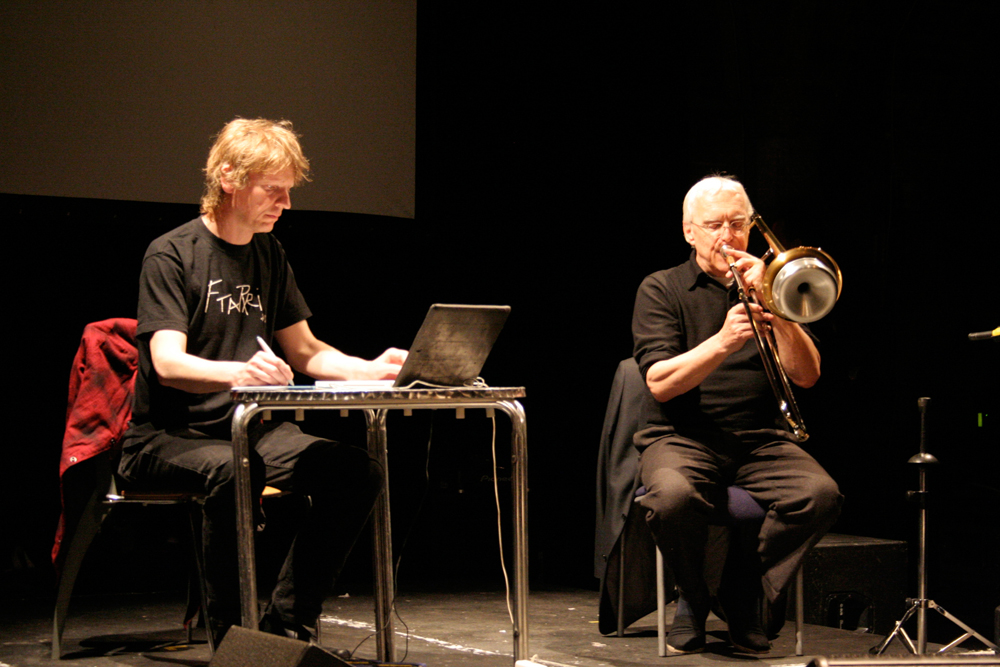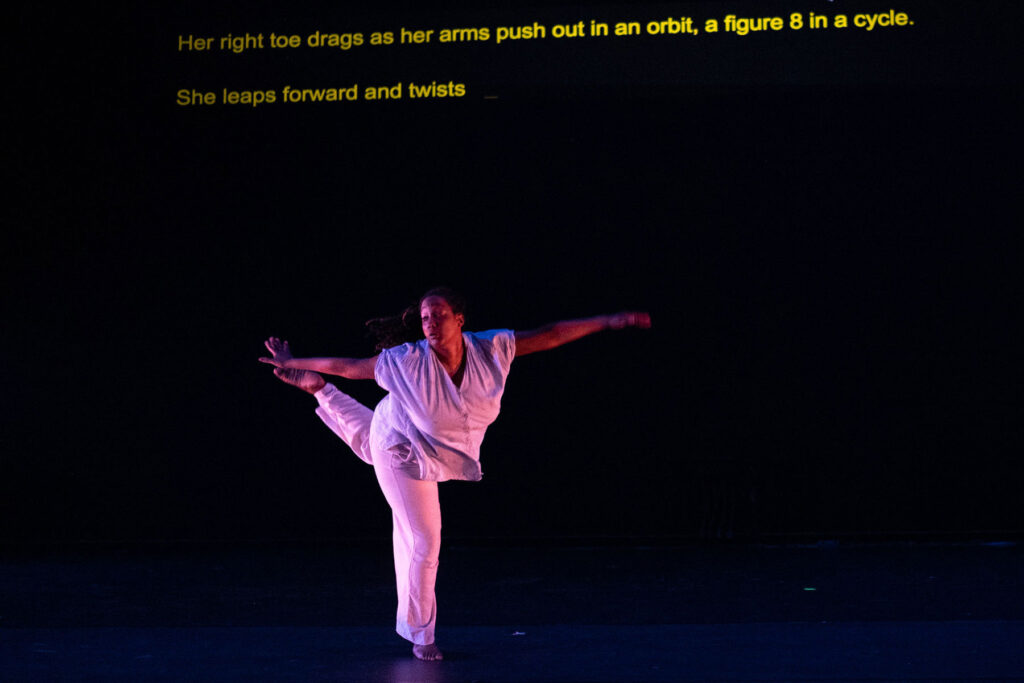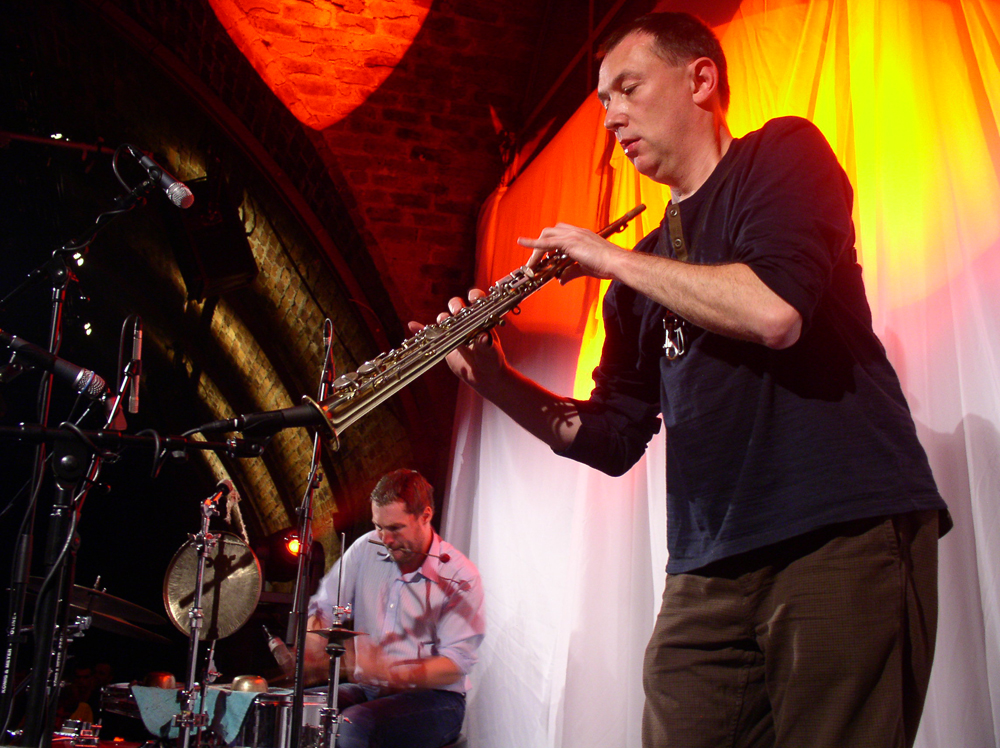
Ki: Mico, Tamio Shiraishi & Fritz Welch
Fritz Welch Mico Tamio Shiraishi
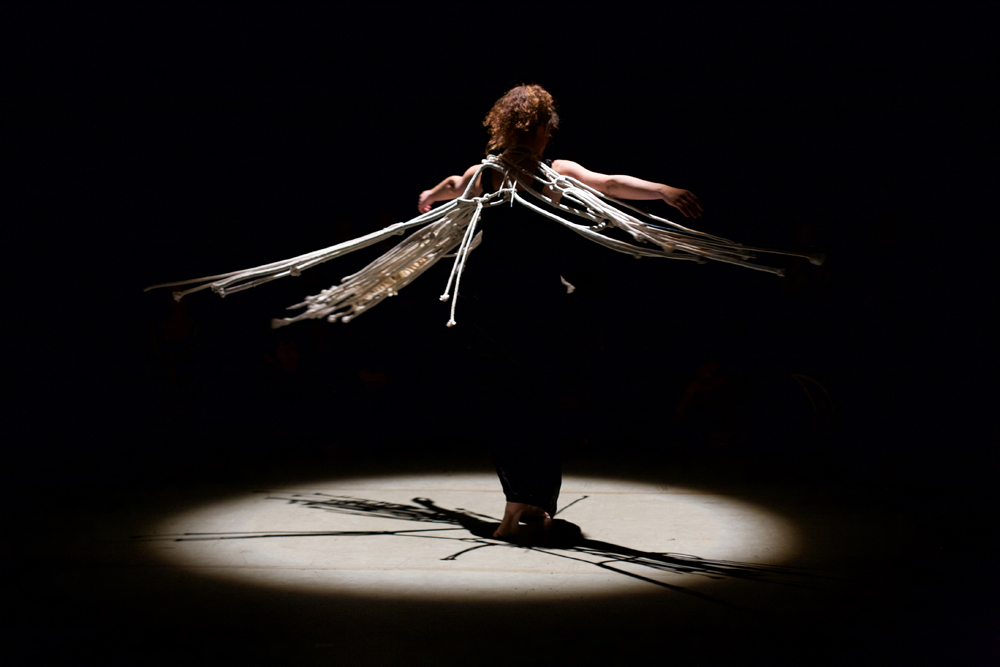
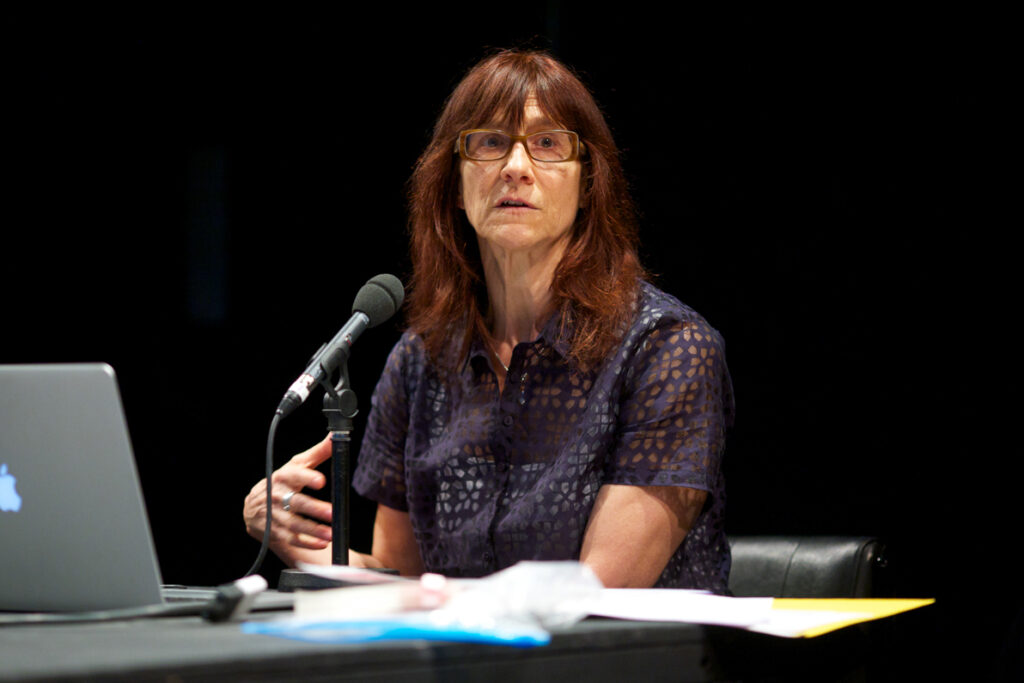
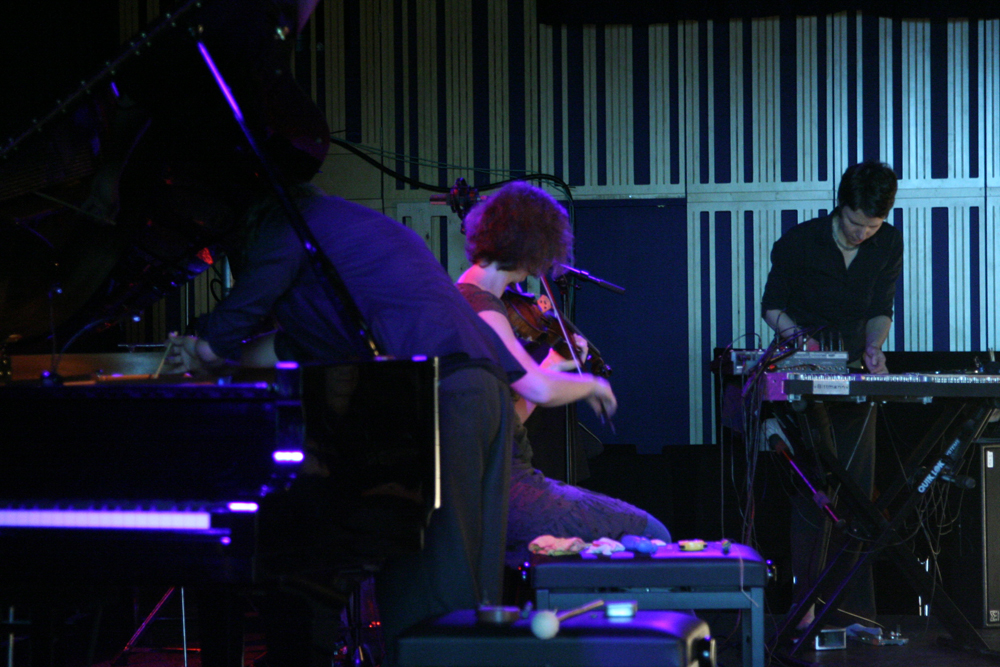
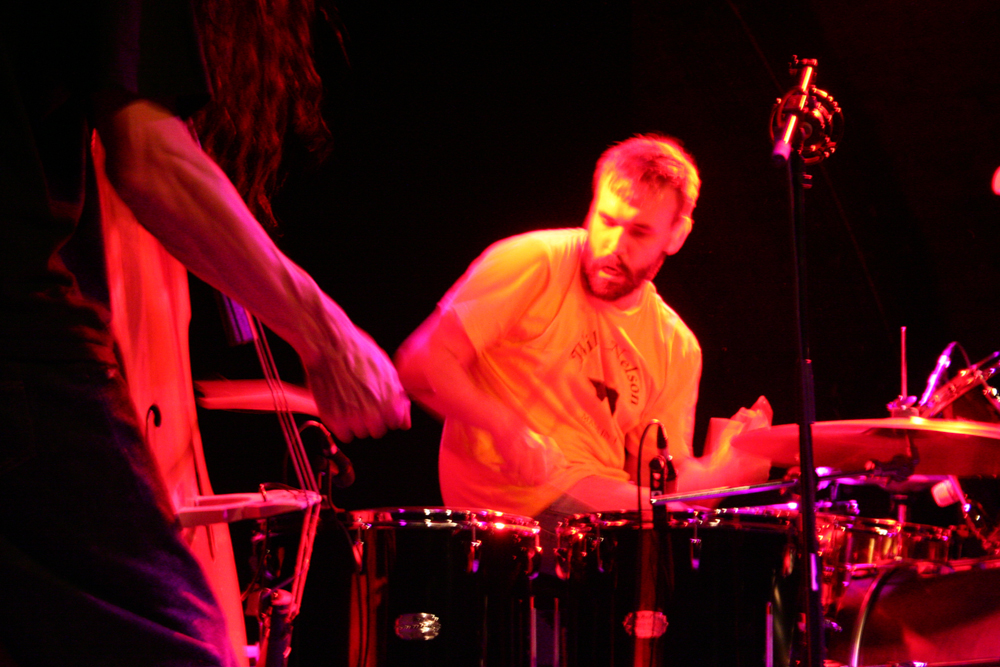
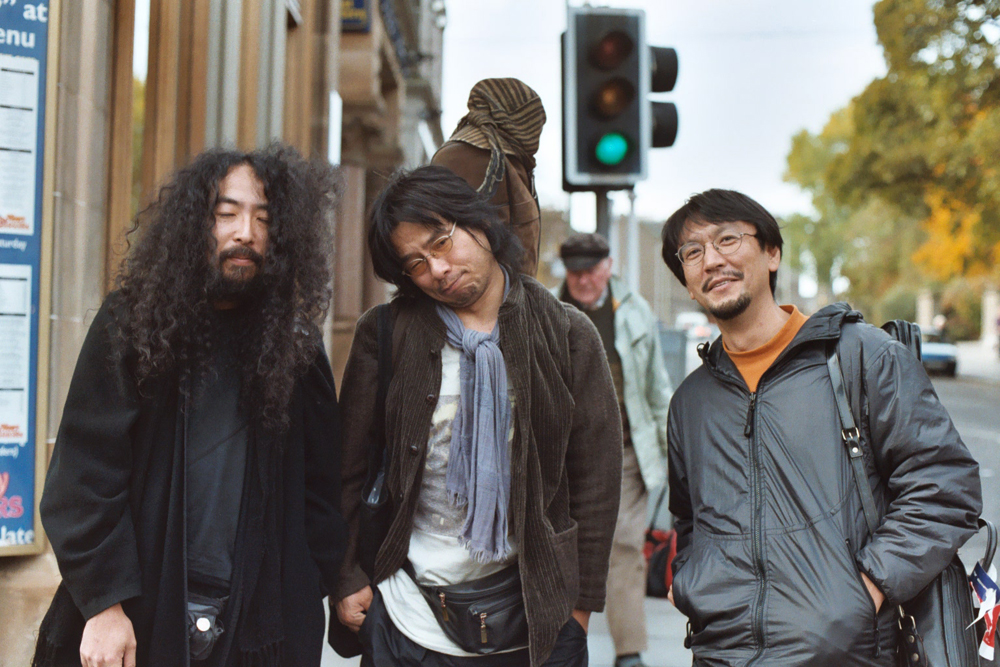
A trio of Tamio’s screaming and immovable slabs of sound; Mico’s dance/ performance/ piano; Fritz’s absurd, flailing percussion/ voice.
Arika have been creating events since 2001. The Archive is space to share the documentation of our work, over 600 events from the past 20 years. Browse the archive by event, artists and collections, explore using theme pairs, or use the index for a comprehensive overview.
A trio of Tamio’s screaming and immovable slabs of sound; Mico’s dance/ performance/ piano; Fritz’s absurd, flailing percussion/ voice.
Two bottomless brunch writing workshops—with readings—speculating the relationship between space, infrastructure, technologies and sex.
Minimal details and otherworldly glistening drones, rich with sustained metallic timbres that breathe with the scrapped pulse of bowed metal.
A collaborative social justice project that uses art, activism and awareness to combat the systemic oppression facing young, trans, queer & gender nonconforming people of colour.
Tiny fragments of sound recombined and woven into spare and precise, violent yet beautiful pieces
When one calls a strike, who hears the call, who attunes and listens to it? How to listen to the call of a strike? What prevents one from hearing this call or stops one from listening to it?
African American history, avant-garde jazz riffs and activism intertwine in experimental verse of extraordinary and affecting beauty that has to be heard.
What might Carter and Parker’s collaboration tell us about our own performances of responsibility and liberty, whether individual, social or musical?
A party and fundraiser to support Sex Workers’ struggles and LGBT Unity with music and performances from the sex workers’ community and allies, plus DJ’s and dancing.
Performances at Anthology Film Archives by by Loren Mazzacane Connors, Alan Licht & Jandek.
Recently rediscovered but still very pertinent, Kino Beleške presents a series of speech acts and performative gestures by protagonists of the new artistic practice in former Yugoslavia: each a personal take on the role of art in society.
How do communities practice being one another’s means, addressing their material problems facing them replicating the state’s violent logic of who is disposable.