Used Sound
Jean-Luc Guionnet Ray Brassier Seijiro Murayama
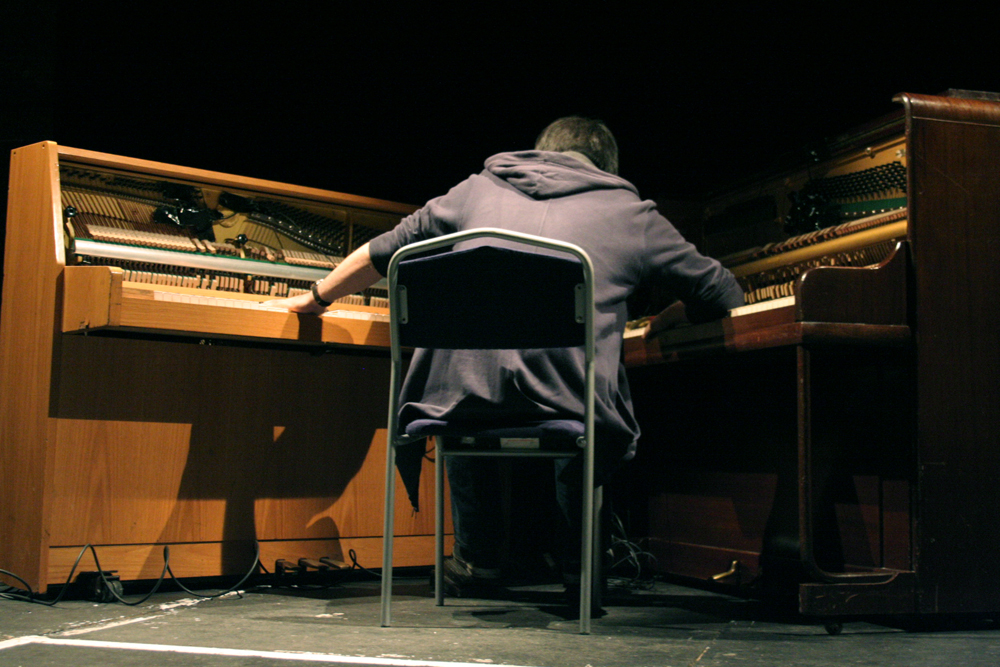
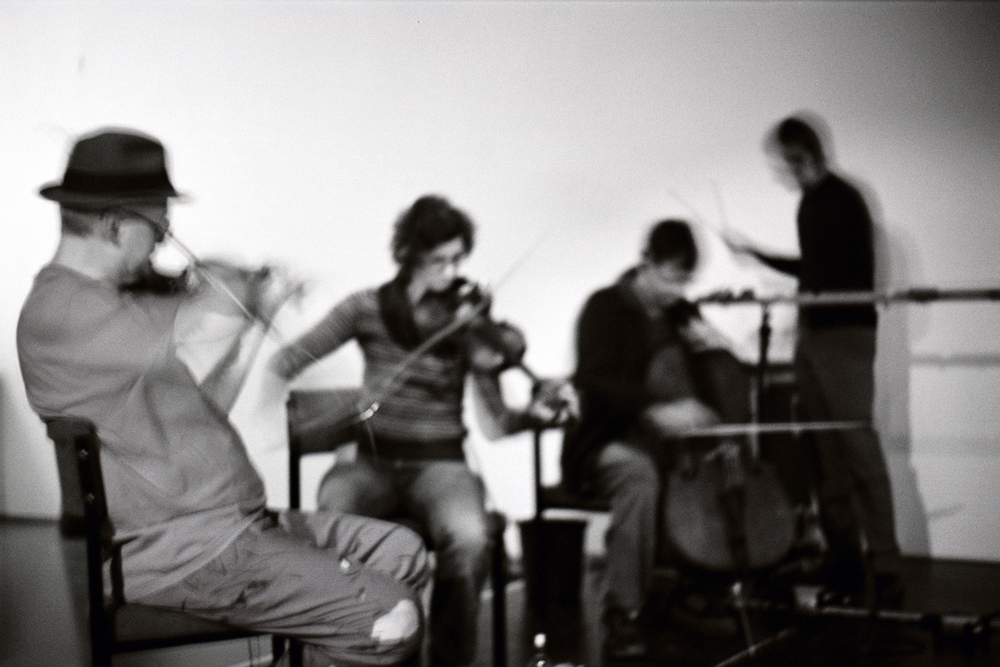
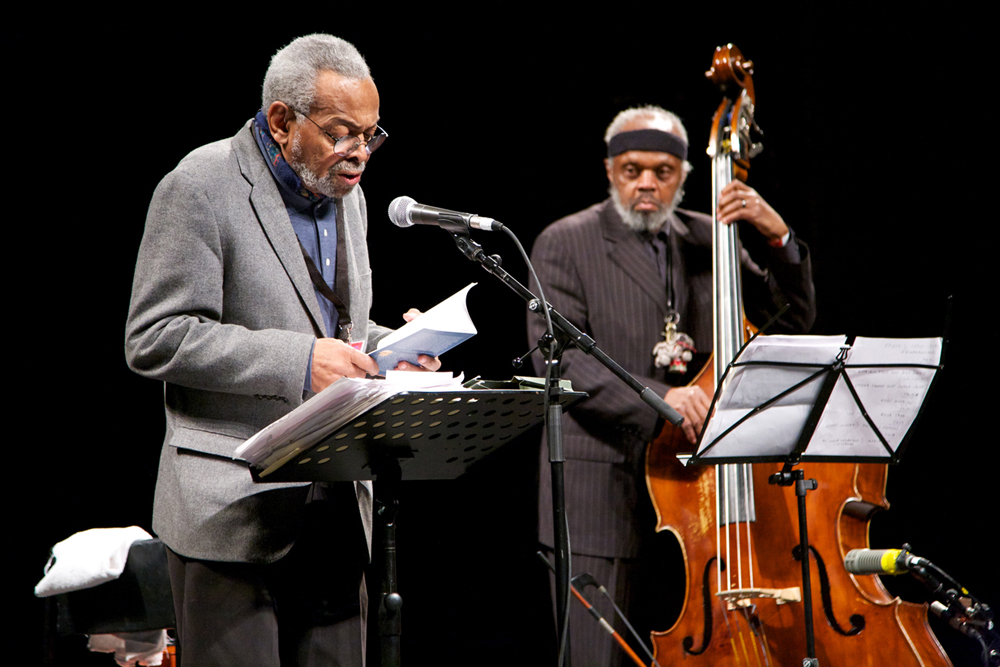
A full-blooded, emotional attempt to reinvigorate improvisation from a musically inclined philosopher and two philosophically inclined improvisers.
Arika have been creating events since 2001. The Archive is space to share the documentation of our work, over 600 events from the past 20 years. Browse the archive by event, artists and collections, explore using theme pairs, or use the index for a comprehensive overview.
A full-blooded, emotional attempt to reinvigorate improvisation from a musically inclined philosopher and two philosophically inclined improvisers.
An invitation into languages field of touch; to speak in feeling together.
Offering a crip grief transformation and witness altar. A place to sit and breathe, remember our dead, wash our hands and leave offerings to and for loved ones we’ve lost – and for ourselves. Expect fire and a little bit of smoke. Concluding with a D/deaf centered social space with conversational interpreters available for those who do not speak ASL.
Sound as it is endured by space and the body: 15 participants lie face down and pound the floor with a microphone one thousand times, each person choosing their own rhythm and intensity.
Inspired by the supernatural horror of H. P. Lovecraft, black metal and a sense of worry as to what constitutes an object, or a world.
In a moment of social exhaustion, we want to ask how we might care for each other differently. We Can’t Live Without Our Lives is a 5-day exploration of care as a form of struggle and resistance, with communities who embody it.
Looking at and listening to different ideas about sound and music, INSTAL 09’s collection of artists included Tetsuo Kogawa, vocalist Joan La Barbara, Phil Minton (and his Century FC feral choir), Austrian Actionist Hermann Nitsch, Steve McCaffery and many more.
Three intense solo performances for drums (both played and screamed through), cymbal, voice, credit card, bird whistle, and guitar amplifier/leads.
A sung-through Nubian musical ballet. A darkly humorous take on sexual trauma and what magical and ancestral tools might heal it.
This performance brings together film, text and speech and temporarily constructs a filmic space to think through questions of resistance, and the choice and consequence of action vs. inaction: what does it mean to choose to not take part?
Hartmut is going to talk a little about his work at large and the politics of how his films are constructed. And we’ll screen one of his best films: B-52.
Post consideration and post rationalisation… How do we think about experimental music and film after the performance?