Music for a Long Time
Rolf Julius
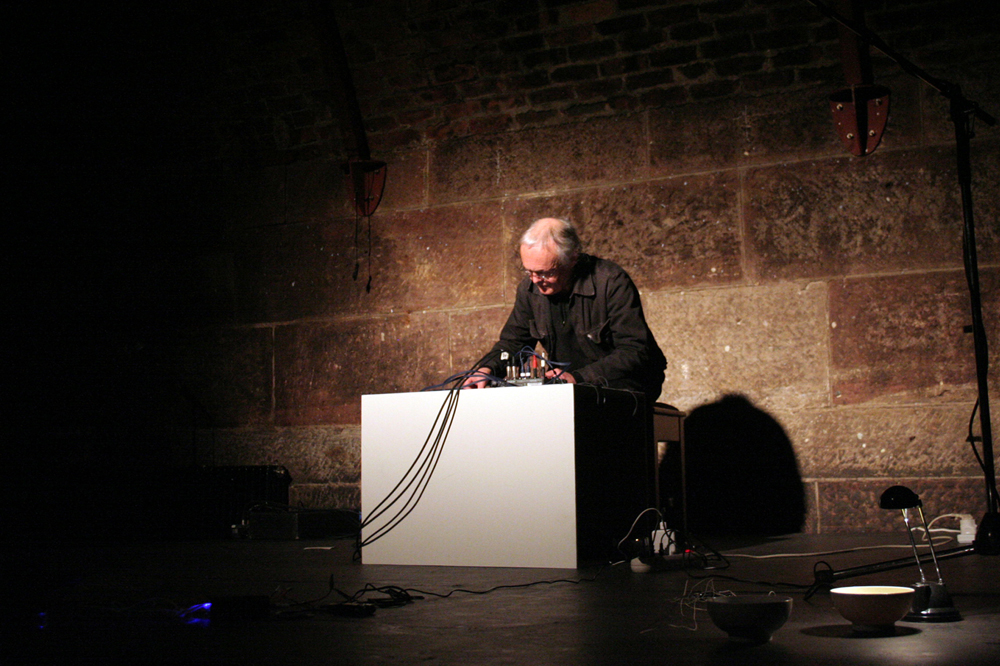
Julius’ “small music” features simple snatches of found sound, played back through small speakers, often set in bowls of pigment and dirt which shimmies in the vibrations.
Arika have been creating events since 2001. The Archive is space to share the documentation of our work, over 600 events from the past 20 years. Browse the archive by event, artists and collections, explore using theme pairs, or use the index for a comprehensive overview.
Julius’ “small music” features simple snatches of found sound, played back through small speakers, often set in bowls of pigment and dirt which shimmies in the vibrations.
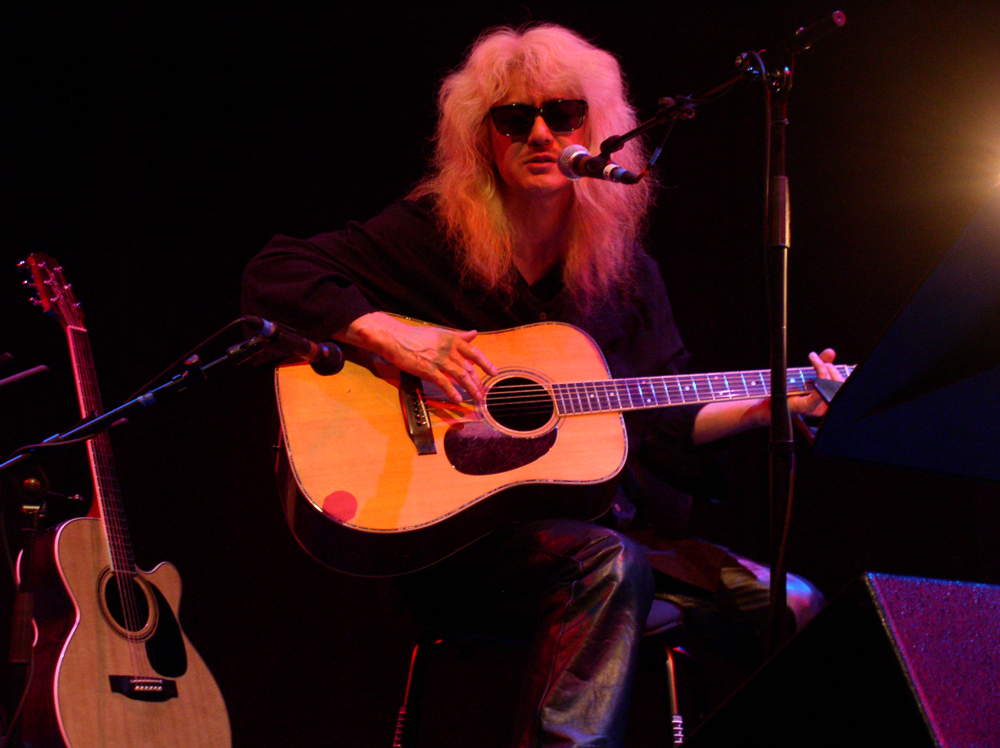
A confrontational and somehow shamanic stance; introspective silences shattered by savage jabs at the strings, whirlwind strums dying into spartan chords
The final iteration of Arika’s INSTAL festivals, the 2010 edition was an experimental festival of experimental music – 3 days of events at the Tramway that explored un-average ideas about sound and music.
Complexly interacting colossal drones by the creator of some of the most legendary yet least heard music of the 70’s.
The first of two workshops that highlight correspondence as a way of working. Somewhere between song, speech, and logistical arrangement, these workshops invite participants to consider care as infrastructure.
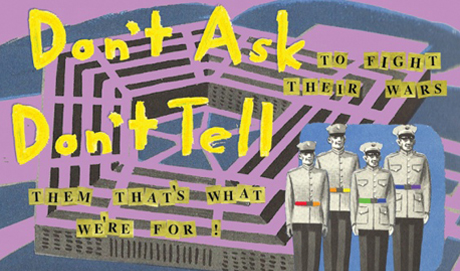
Criminal Queers visualises a radical trans/queer struggle against the prison industrial complex, working to abolish the multiple ways our hearts, genders, and desires are confined.
Sarah Washington uses electronics and wind-up radios, running out of charge to repsond to the festivals’ Self Cancellation provocation.
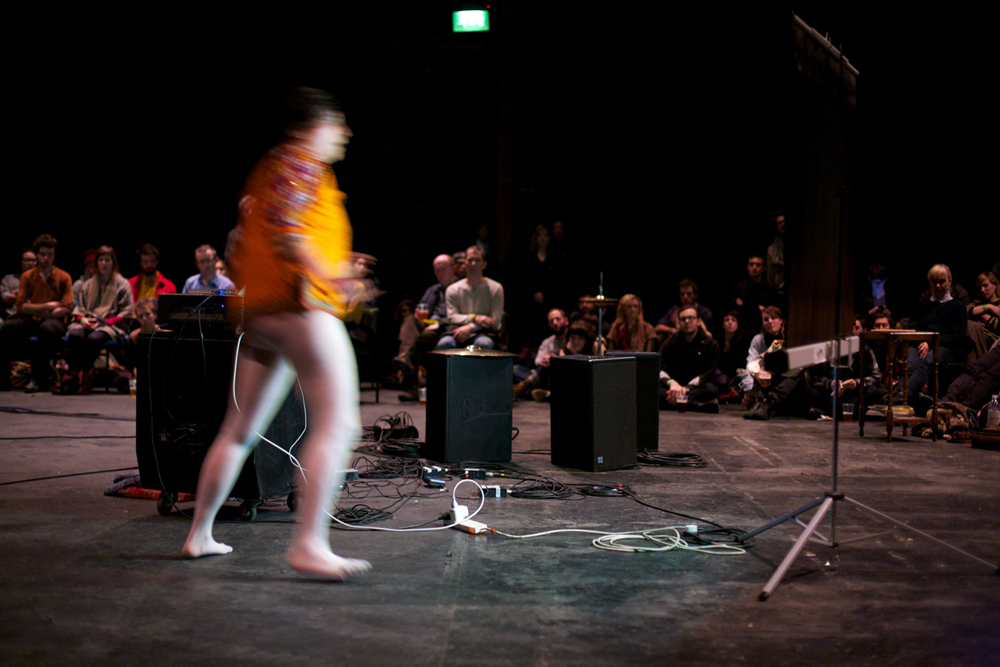
Slapstick comedy, monologue, and a kind of live sculpture transformed through video, props, musical instruments and make-up.
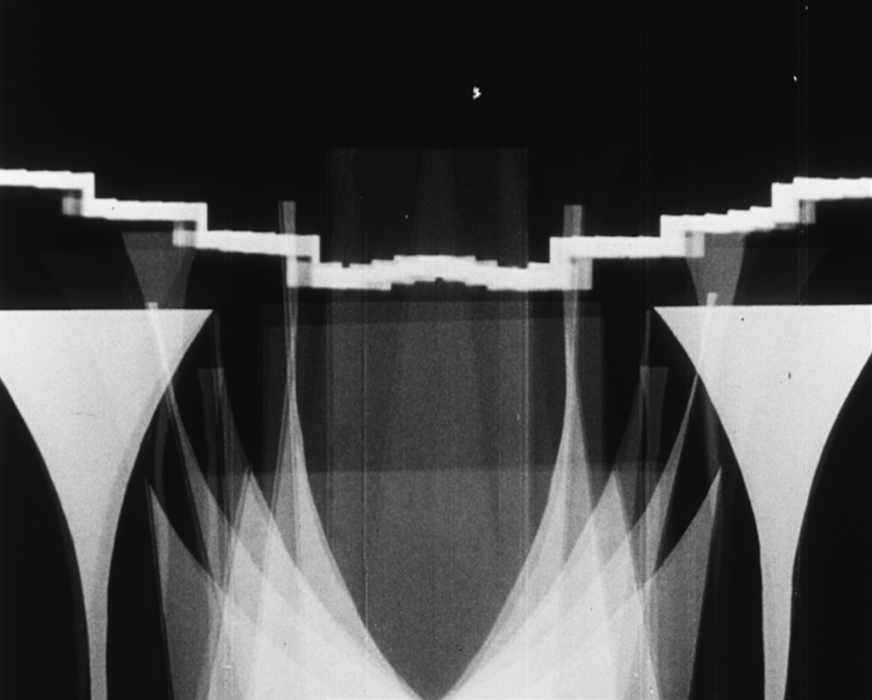
Includes: tamed TV snow, video feedback of racing particles, a remake of a polish photogram film destroyed in WWII, a visual and aural representation of Gestalt theory, hole-punched film and Guy Sherwin’s Cycles 3 double-projection.
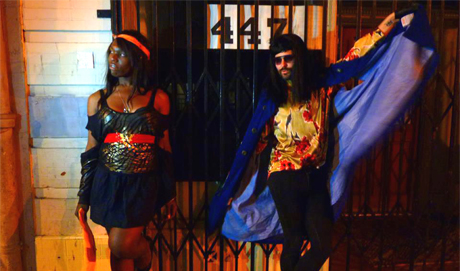
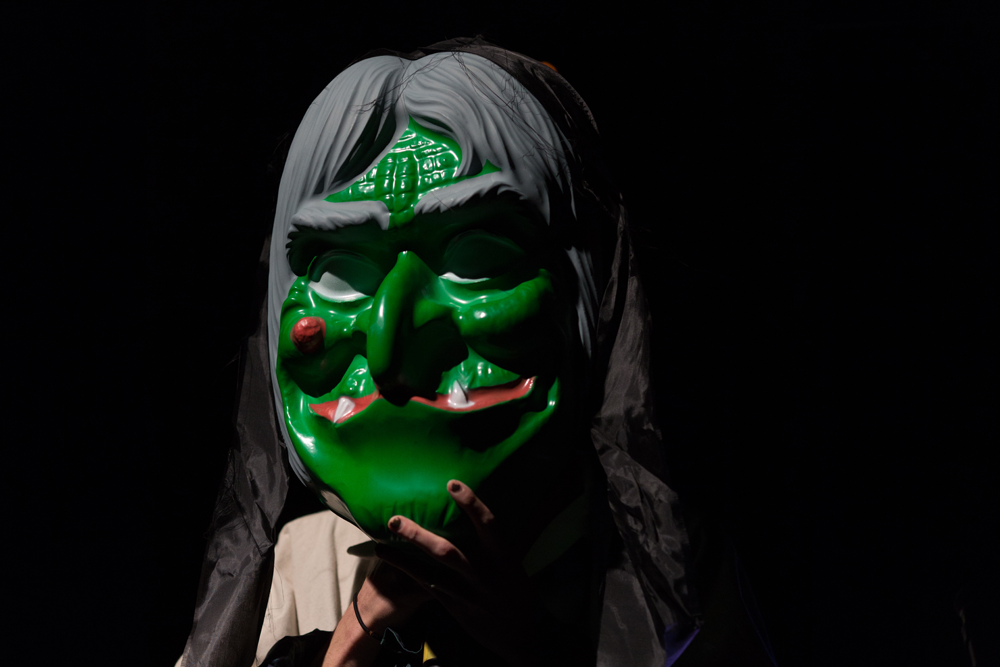
A somehow hyper-modern, ancient and folkloric lip-synced, made-up, fashioned performance.
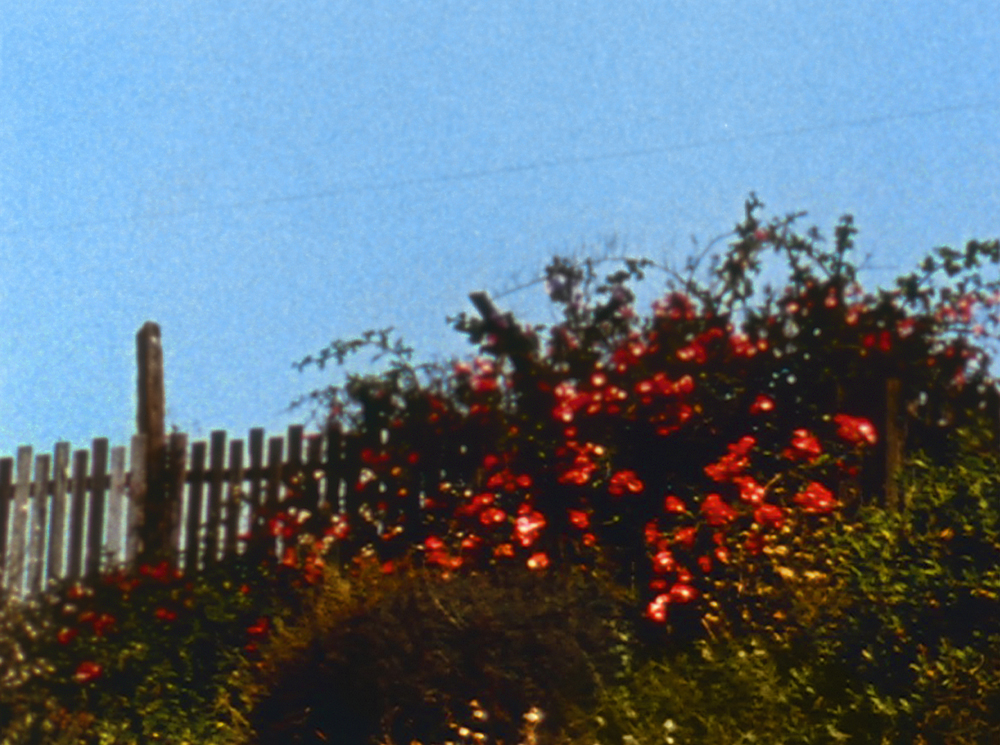
Each of these films addresses place, landscape or location and the personal reaction to their magical or concrete properties. Watch out for Kren’s structural, throbbing investigation of a forest and Baillie’s intimate and humble essay on a blind guitarist and the relationship between songs of Mexican revolutionaries and the people and places they looked to inspire.
What does it mean to resist seeking assimilation or inclusion within, or let our demands be co-opted by the very systems we seek to dismantle?