Sex Work 101: The World’s Oldest Oppres(Profes)sion
A 101 panel on sex work in Scotland, hosted by National Ugly Mugs, Sex Workers Union, Scotland for Decrim (Decrim Now) host

Arika have been creating events since 2001. The Archive is space to share the documentation of our work, over 600 events from the past 20 years. Browse the archive by event, artists and collections, explore using theme pairs, or use the index for a comprehensive overview.
A 101 panel on sex work in Scotland, hosted by National Ugly Mugs, Sex Workers Union, Scotland for Decrim (Decrim Now) host
An open conversation hosted by Saidiya Hartman and Fred Moten around ‘fugitivity’ and ‘waywardness’ and what it means to be in flight, excessive or ungovernable.
A voice that can vault from an elegantly whispered insinuation to asphyxiated and murderous barks or squalls in a heartbeat.
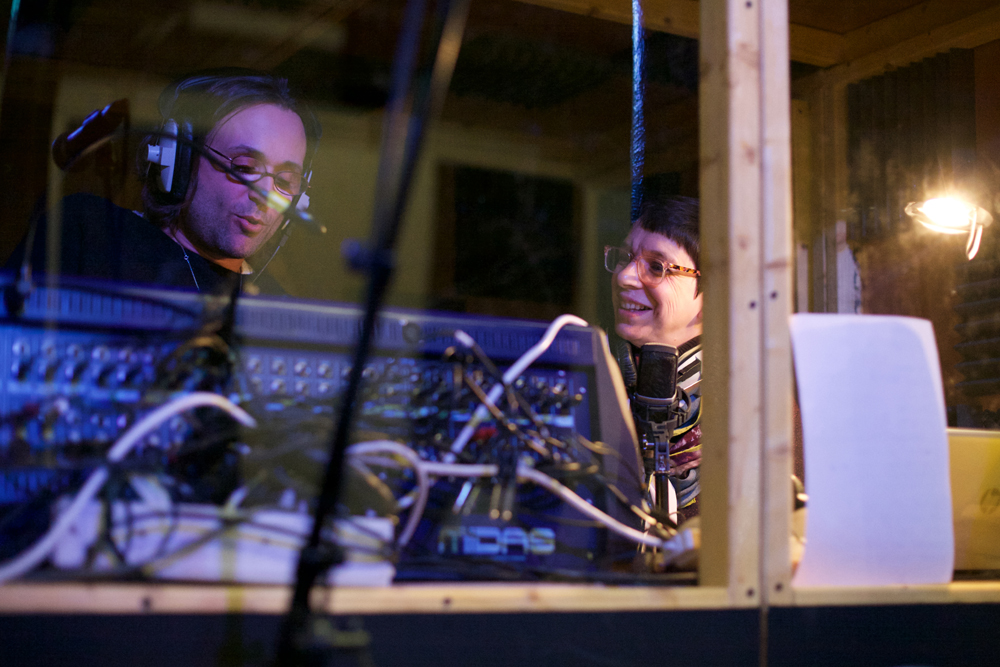
(Cyber)feminist, non-essentialist transgender and queer daily radio shows using the formula of morning radio as an arch way of thinking about the scripted behaviour and controlled empathy of systematic care.
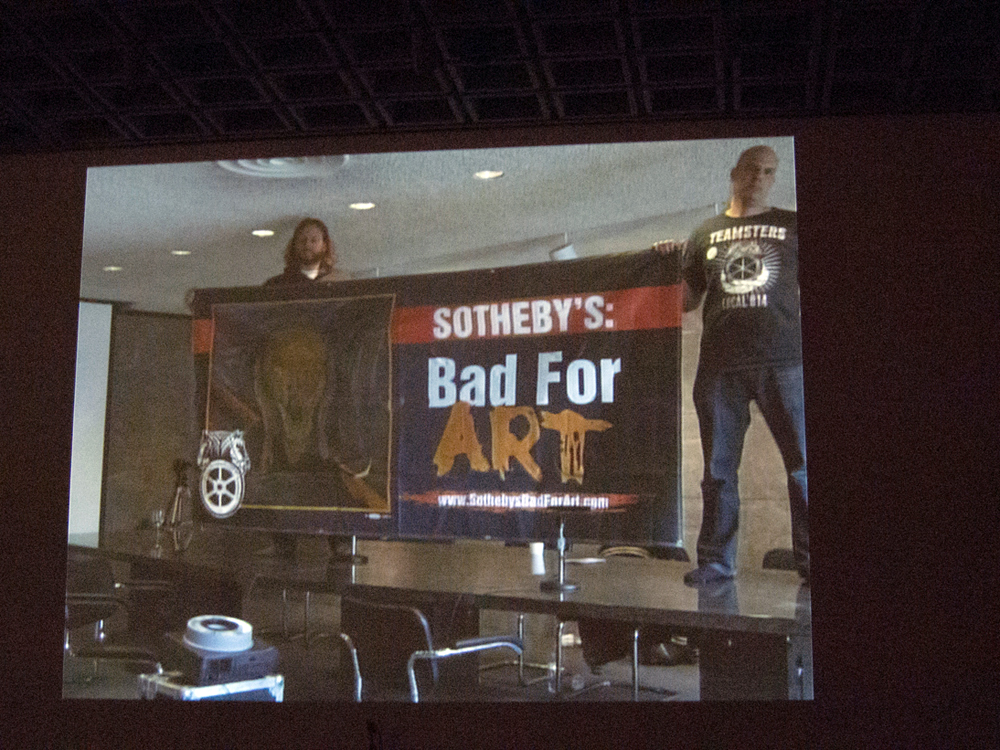
When one calls a strike, who hears the call, who attunes and listens to it? How to listen to the call of a strike? What prevents one from hearing this call or stops one from listening to it?
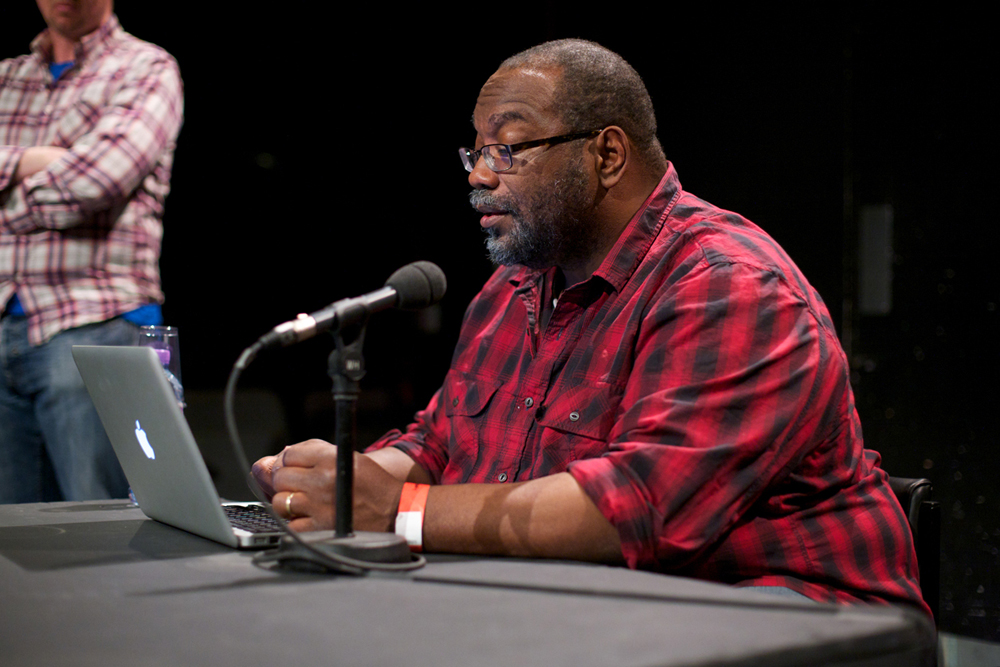
In many ways, this Episode is our attempt to engage with Fred’s incredible writing: with his proposal that all black performance (culture, politics, sexuality, identity, and blackness itself) is improvisation.
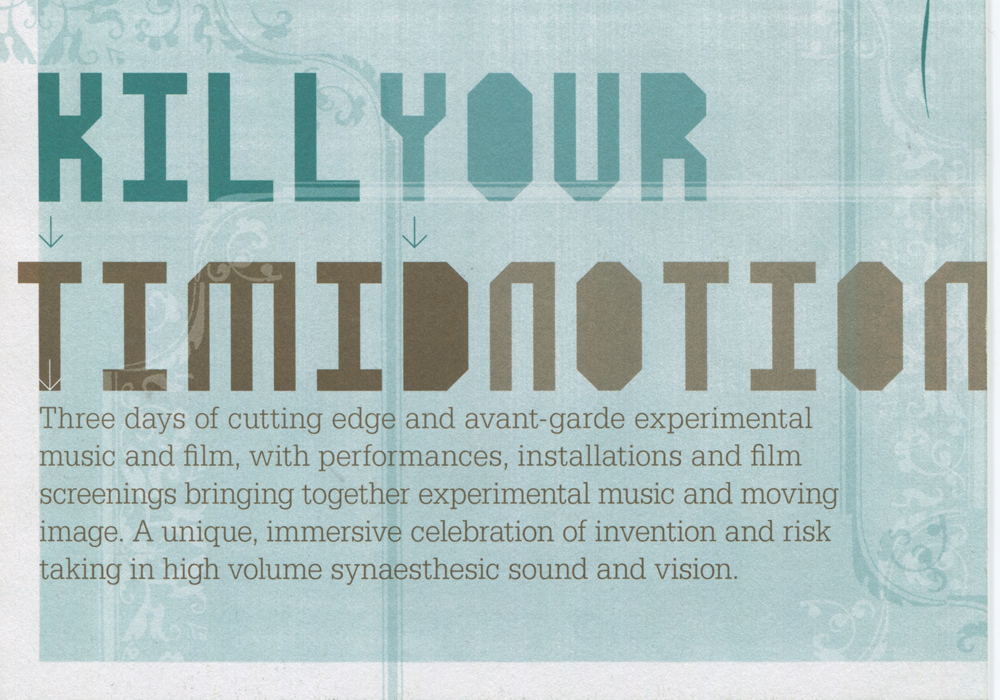
Taking over the gallery spaces at Dundee Contemporary Arts, the first Kill Your Timid Notion presented a 3 day programme of live immersive experiences and specially curated film programmes.
How do grassroots feminist organisations strategise relationships between mothers, parents, carers and their children based on respect and empowerment, in resistance to the practice of putting children in often the most uncaring of places – care.
Out holler/ howl of English pukenoise posterboys exploded by incessant insect chatter of Northern fug dweller.
The first of two workshops that highlight correspondence as a way of working. Somewhere between song, speech, and logistical arrangement, these workshops invite participants to consider care as infrastructure.
Tiny fragments of sound recombined and woven into spare and precise, violent yet beautiful pieces
Dworkin asks: What would a non-expressive poetry look like? A poetry of intellect rather than emotion?