What is the Sound of Freedom?
Ultra-red
For day five of Ultra-red’s project, the investigation will review the previous work undertaken together, and perhaps draw up a summary of reflections and pose some future questions.
Arika have been creating events since 2001. The Archive is space to share the documentation of our work, over 600 events from the past 20 years. Browse the archive by event, artists and collections, explore using theme pairs, or use the index for a comprehensive overview.
For day five of Ultra-red’s project, the investigation will review the previous work undertaken together, and perhaps draw up a summary of reflections and pose some future questions.
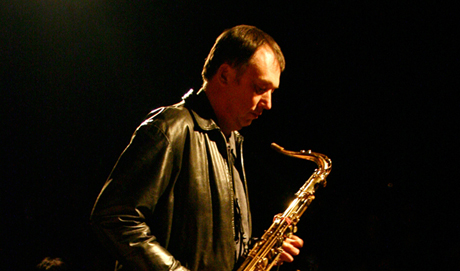
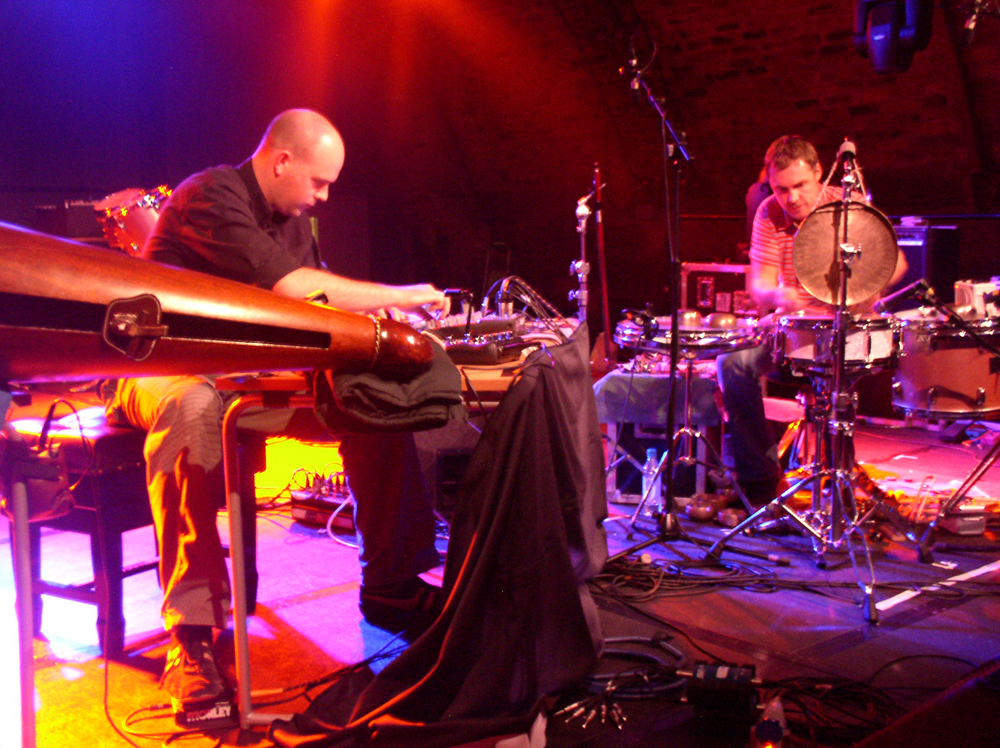
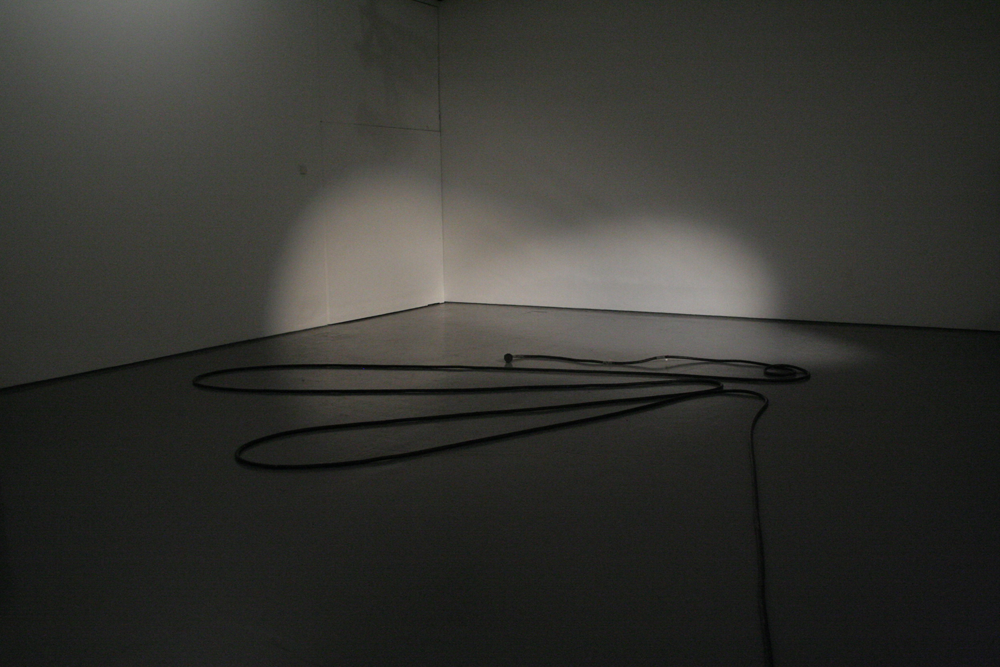
John Butcher plays and manipulates a feeding back saxophone. Benedict Drew on electronics, broken cables and standing waves.
Formed as a means to realise William Bennett’s goal of “a sound that could bludgeon an audience into submission”
Taking The Futurist Cinema’ manifesto and turning it into software to track ‘aluminium’ online, tracing relationships companies with interests in aluminum had to each other and other agencies.
Minimal details and otherworldly glistening drones, rich with sustained metallic timbres that breathe with the scrapped pulse of bowed metal.
During Episode 9 we made this clip with Storyboard P at Kinning Park Complex. Video by Ash Reid.
Introducing and setting intentions for a crip grief transformation and witness altar. A place to sit and breathe, remember our dead, wash our hands and leave offerings to and for loved ones we’ve lost – and for ourselves.
Instead of the one-way monologue of normal performance, what would be the result of an actual collective dialogue? Where would it go?
Two-parts Helhesten spit strangled shanties and cracked reeds from under a net of the Glasgow Improv Orchestra’s six-strings and one moustache.
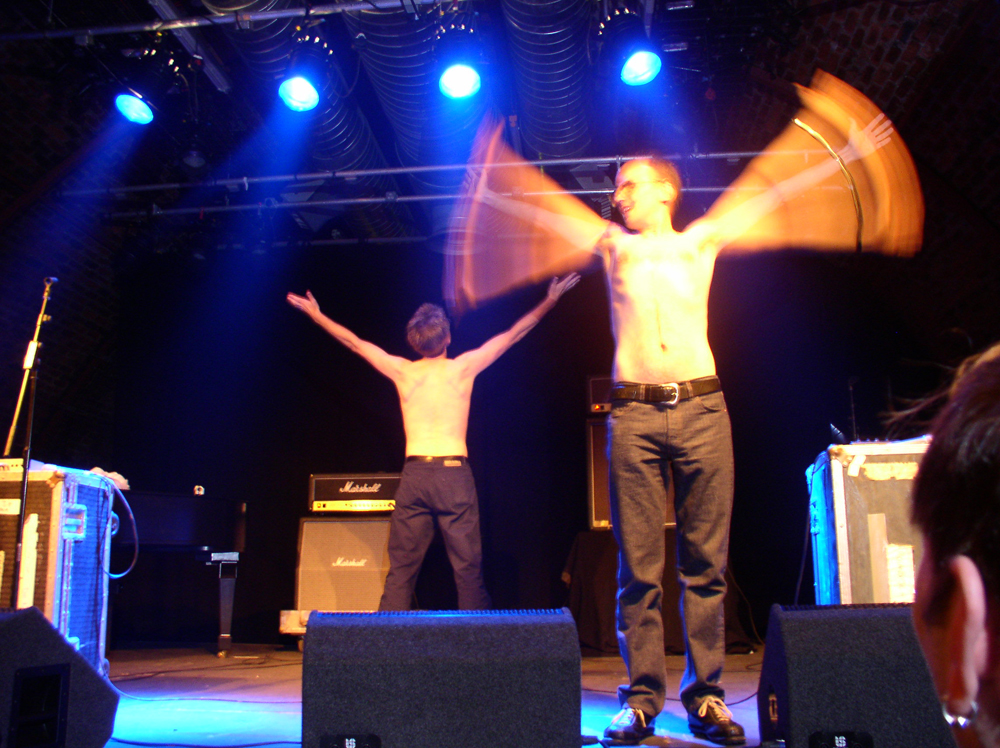
Could they be one of the most ferocious live noise acts around, or a necessary and ludicrous parody of ferocious noise acts? Could they be both?
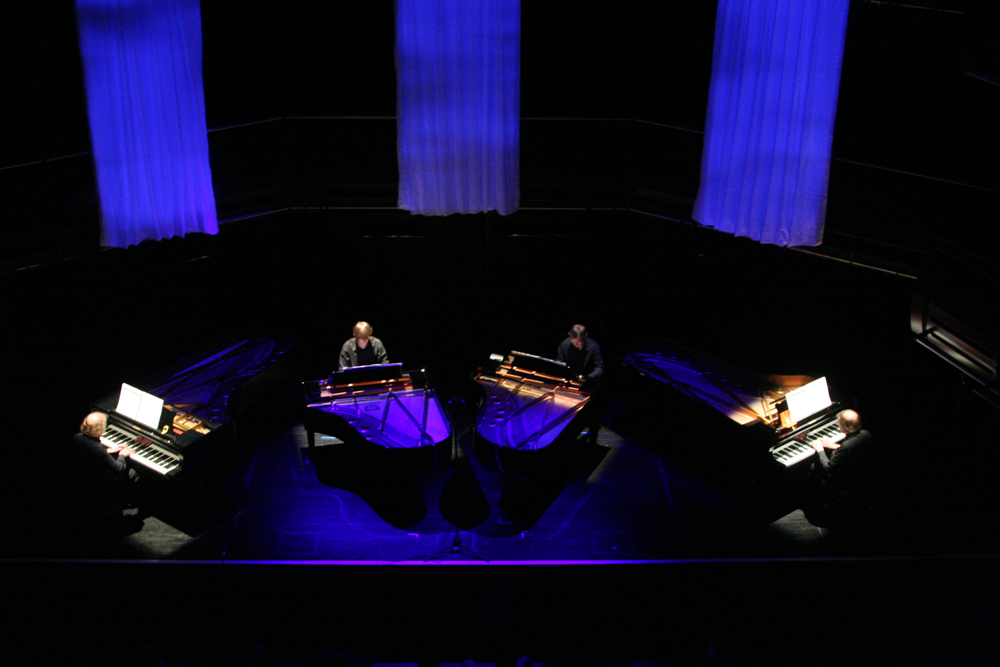
Julius Eastman’s Evil Nigger for 4 pianos performed by Joe Kubera, Kate Thompson, David Murray, Alan Fearon and Simon Passmore.
Since the 1960’s Oliverios has had a profound influence on generations of musicians through her work with myth and ritual, improvisation and meditation.