INSTAL 10
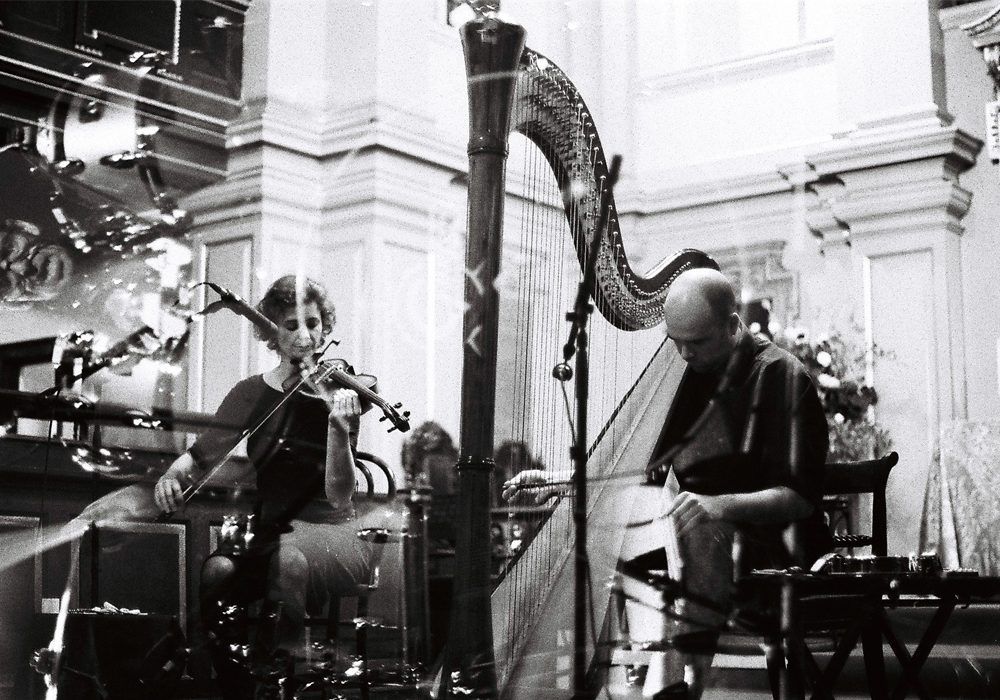
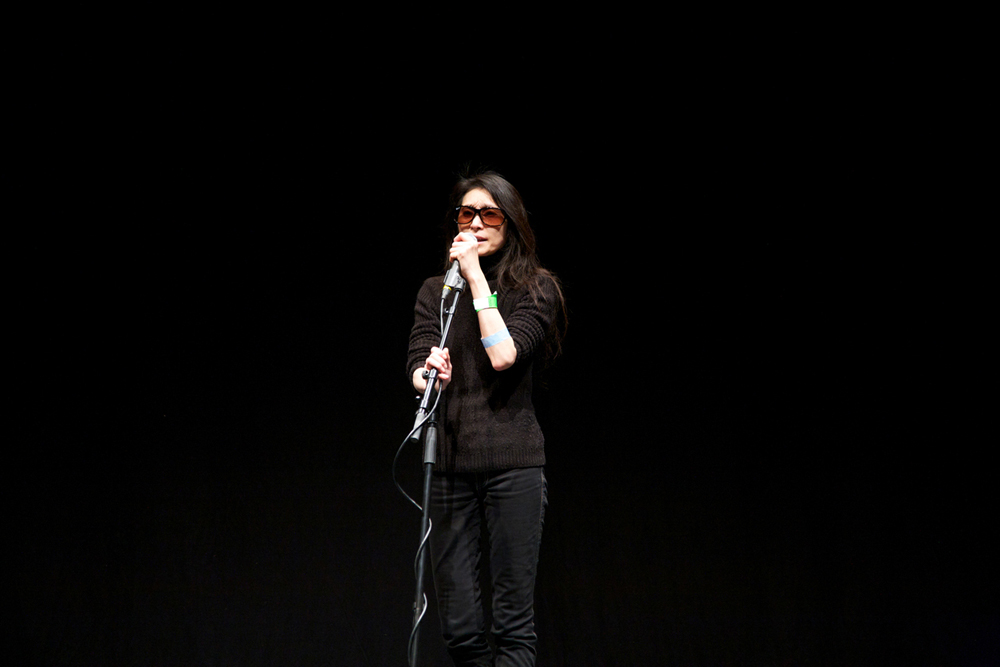
The final iteration of Arika’s INSTAL festivals, the 2010 edition was an experimental festival of experimental music – 3 days of events at the Tramway that explored un-average ideas about sound and music.
Arika have been creating events since 2001. The Archive is space to share the documentation of our work, over 600 events from the past 20 years. Browse the archive by event, artists and collections, explore using theme pairs, or use the index for a comprehensive overview.
The final iteration of Arika’s INSTAL festivals, the 2010 edition was an experimental festival of experimental music – 3 days of events at the Tramway that explored un-average ideas about sound and music.
A kind of an informal overview of INSTAL.
An open-ended moment in an ongoing series of films, notes, performances, diagrams and drawings which trace the questions they share. A “porous space between cinema time-space and lived time-space.”
Renouncing the bind of the written word, Chopin’s sound poetry is a magical evocation of the pure powers of the voices, stripped bare of language.
The production of moving image (film) by the mechanically, unfalteringly repetitive manipulation of mass-produced materials (film), in order to explore three different allegorical representations (films) of repetitive human actions and labour under capital.
Kanta is a young Japanese artist with a home-made, short circuited take on electronics and physical phenomena which he uses in performance to produce close circuit systems of audio / video feedback.
The second edition of the INSTAL festival broadened it’s scope to include performances from Francisco Lopez, Phil Niblock, Stefan Mathieu, Alva Noto, Ryoji Ikeda and John Wall.
Ray and Thomas talking about how cognitive neuroscience is unlocking the physical basis of personal experience.
Originally billed as a duo of Ingar Zach and Derek Bailey, John Butcher stood in for Bailey at the last minute.
Inhabiting a different kind of energy, Ueinzz’s open rehearsals reveal a glimpse into their ongoing daily theatrical modes of caring – multiplying the ways in which their plays are meant to be felt, rather than understood.
What’s the best way to spend time with a musician when they visit a city to perform? And when the musician in question has a great deal to say, what sort of concert do you organise to do justice to that?
Is it possible to dance our way out of the hardened stances and identity prisons we are locked in?