Word Processor
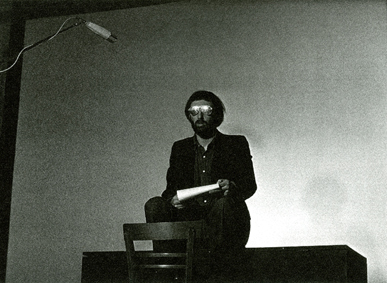
Derek Lodge The Duty Managers
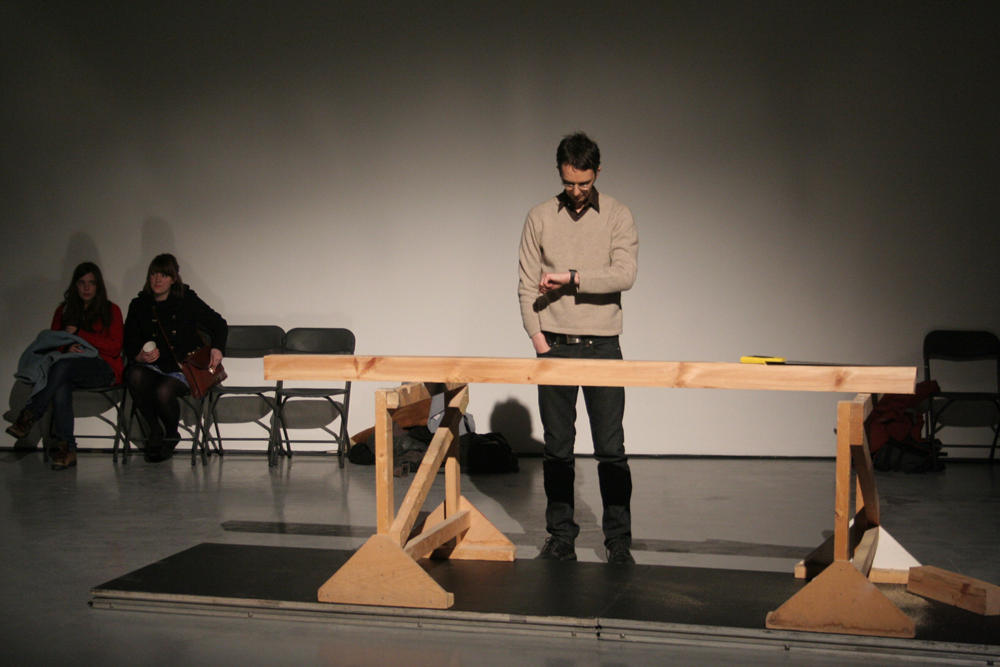
Artist Derek Lodge running a specially designed social space, somewhere for conversation, story-telling and interaction.
Arika have been creating events since 2001. The Archive is space to share the documentation of our work, over 600 events from the past 20 years. Browse the archive by event, artists and collections, explore using theme pairs, or use the index for a comprehensive overview.
Artist Derek Lodge running a specially designed social space, somewhere for conversation, story-telling and interaction.
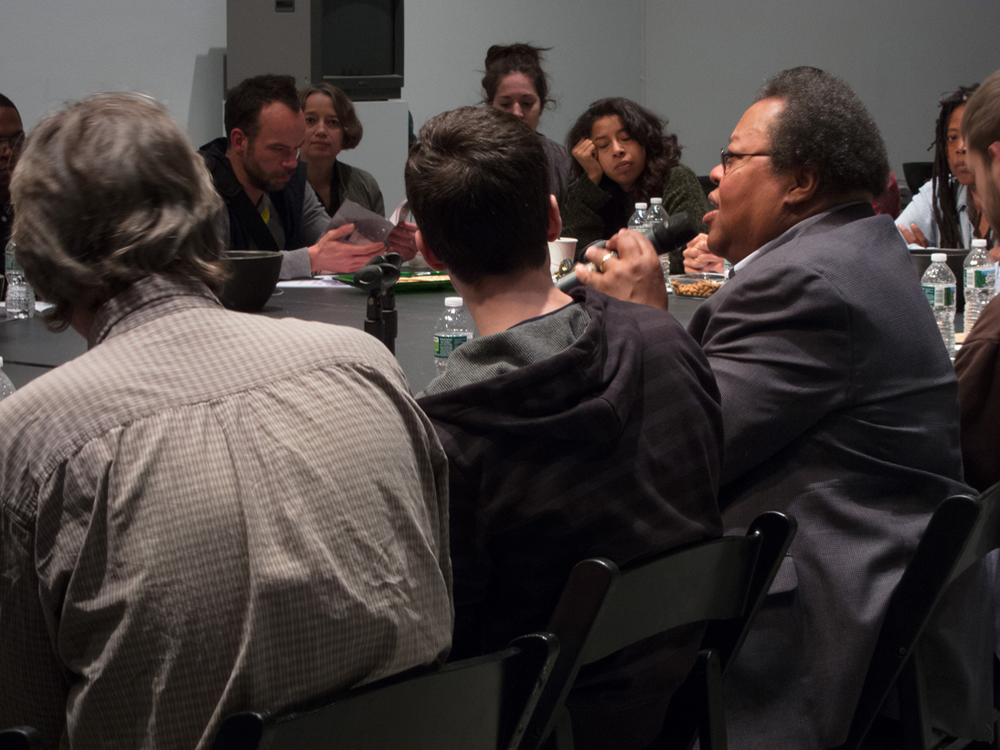
For day one of Ultra-red’s project, the investigation will take up protocols for listening to the sound of freedom composed and facilitated by George E. Lewis.
Ex-Decaer Pinga and CKDH rodeo queens; regular ladynoise hoedown gets gatecrashed by sonic chunder-huffing remedial clatter boys.
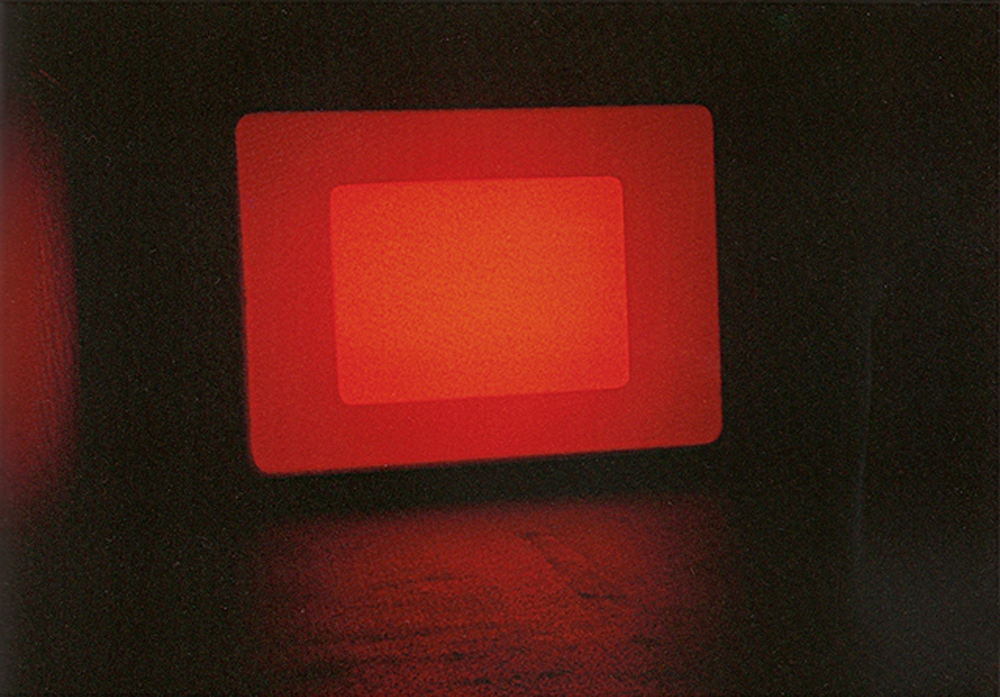
Paul Sharits is one of our all time heroes, and one of the great artist filmmakers of the 20th Century.
Live ISDN drone performance resonating between Dundee and an empty Montreal Grain Silo.
Could they be one of the most ferocious live noise acts around, or a necessary and ludicrous parody of ferocious noise acts? Could they be both?
Recently rediscovered but still very pertinent, Kino Beleške presents a series of speech acts and performative gestures by protagonists of the new artistic practice in former Yugoslavia: each a personal take on the role of art in society.
Open-ended, paradoxical and performed investigations into: misunderstanding, language games, form saturated with sense, and consecutive matters…
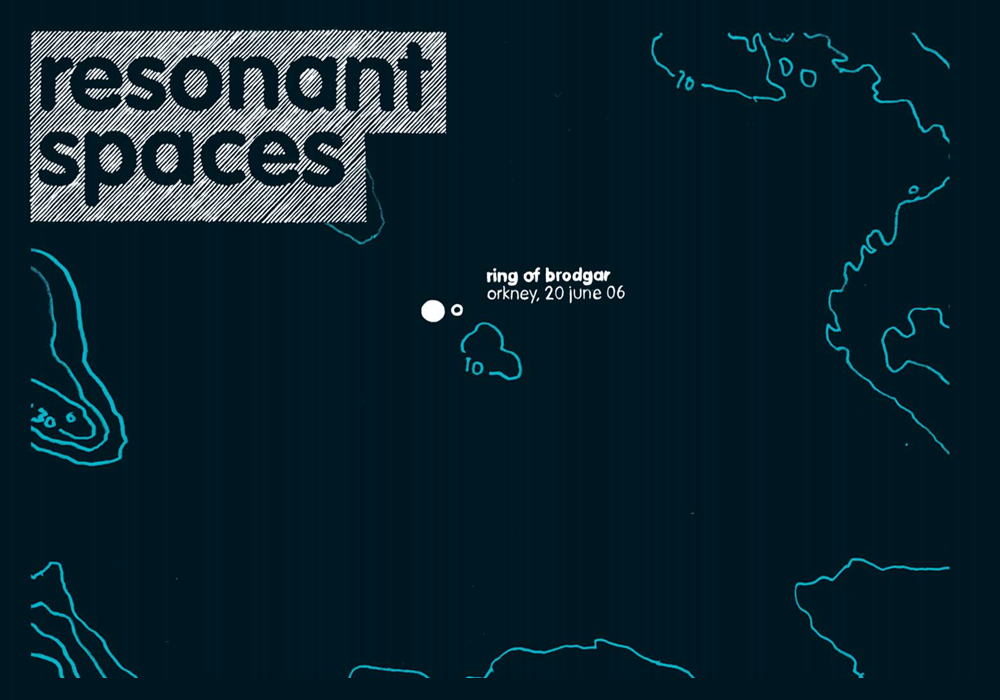
A tour with John Butcher and Akio Suzuki that set out to allow the audience to experience (and to listen to) the enviroment around them in different way.
A programme of discontinuity between narration, text and image. Including Manual Saiz’s employment of John Malkovich’s Spanish dubbing double and Peter Rose’s absurdly hilarious concrete poetry subtitling chaos.
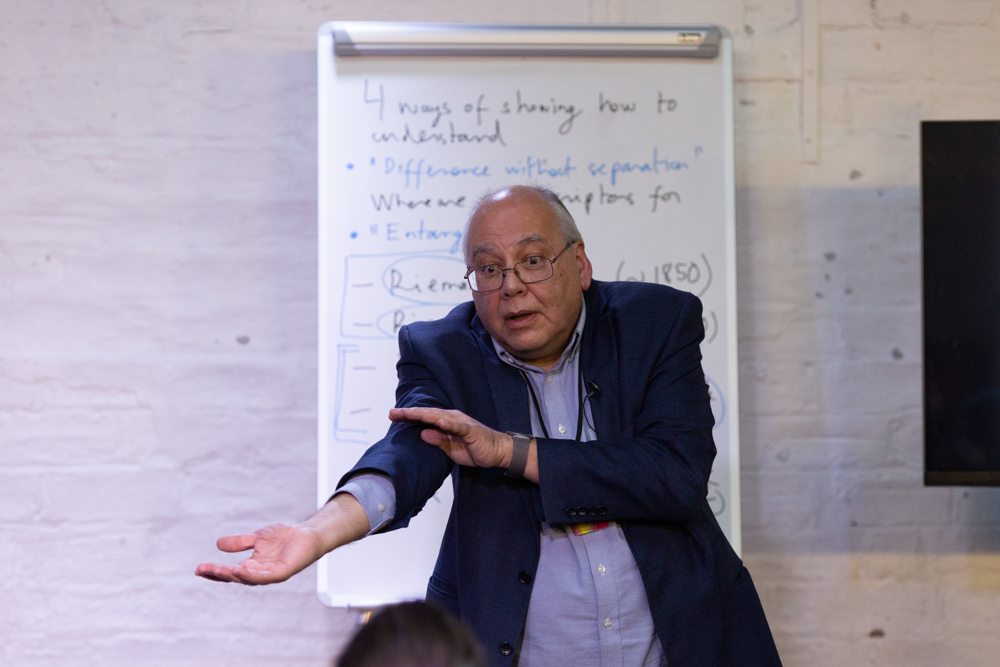
Fernando thinks that when maths is deep, it should be simple and able to be explained by hand gestures. By embodying ideas, we’re able to more clearly think about their cultural implications.
Can we use sound, repetition and difference to personally and collectively engage with space, time and labour?