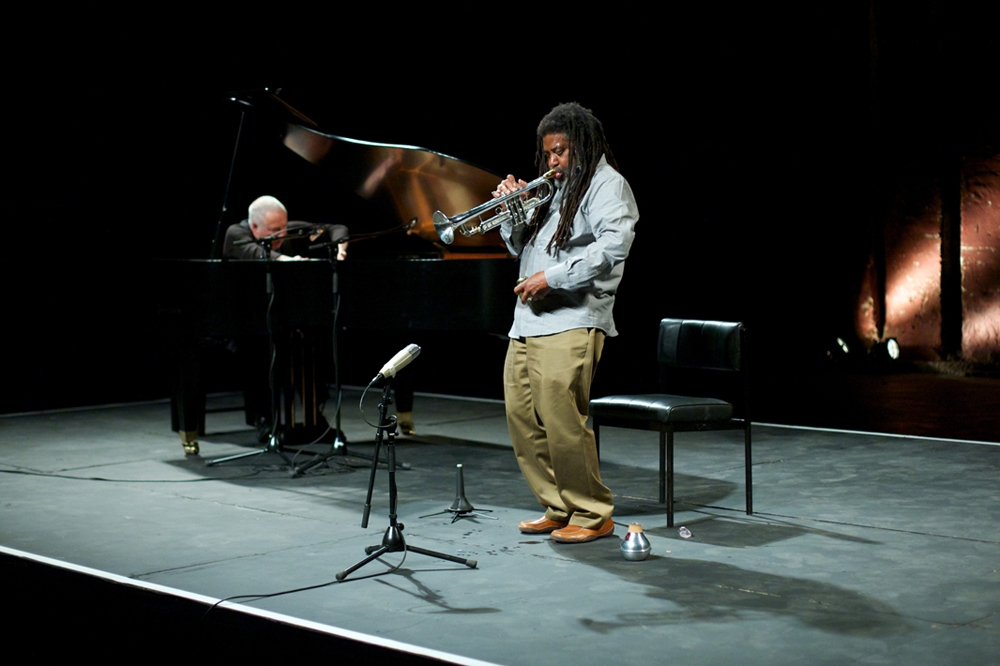
Wadada Leo Smith & John Tilbury
John Tilbury Wadada Leo Smith
How might two of the great musicians working within contrasting traditions of freedom collaborate? What might this produce: musically, socially, allegorically?
Arika have been creating events since 2001. The Archive is space to share the documentation of our work, over 600 events from the past 20 years. Browse the archive by event, artists and collections, explore using theme pairs, or use the index for a comprehensive overview.
How might two of the great musicians working within contrasting traditions of freedom collaborate? What might this produce: musically, socially, allegorically?
A trio of Tamio’s screaming and immovable slabs of sound; Mico’s dance/ performance/ piano; Fritz’s absurd, flailing percussion/ voice.
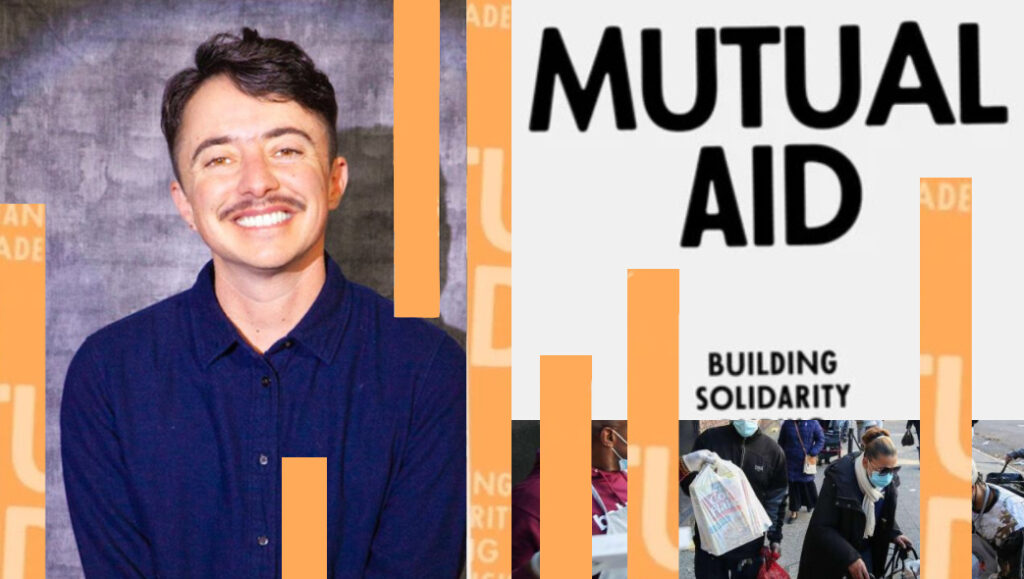
In this interactive workshop, Dean Spade, author of Mutual Aid, will share key principles, explore common challenges in mutual aid work, and offer tools for working through them.
Introducing and setting intentions for a crip grief transformation and witness altar. A place to sit and breathe, remember our dead, wash our hands and leave offerings to and for loved ones we’ve lost – and for ourselves.
Glasgow. Low-end drone guitarage army in praise of the open chord.
A full-blooded, emotional attempt to reinvigorate improvisation from a musically inclined philosopher and two philosophically inclined improvisers.
Akio Suzuki and John Butcher performing in an abandoned oil tanker on Hoy.
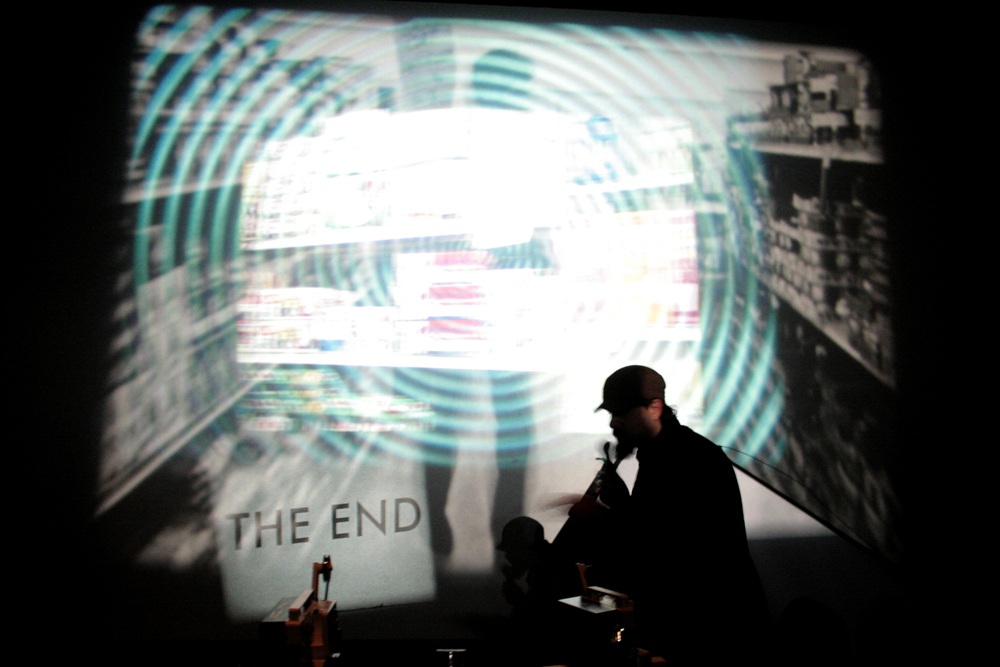
Quasi-theatrical multiple-projector pieces play with the relationship between performers, art and audiences.
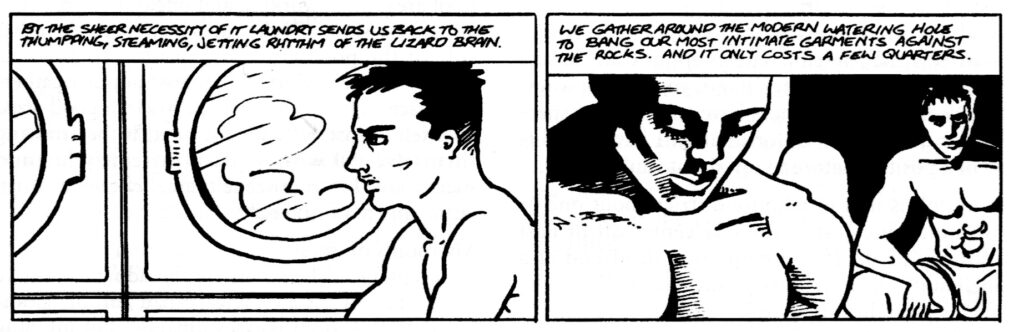
Could cruising and random public sex be the basis of an ethically organised society? A discussion with Jackie Wang, Samuel R. Delany and Huw Lemmey.
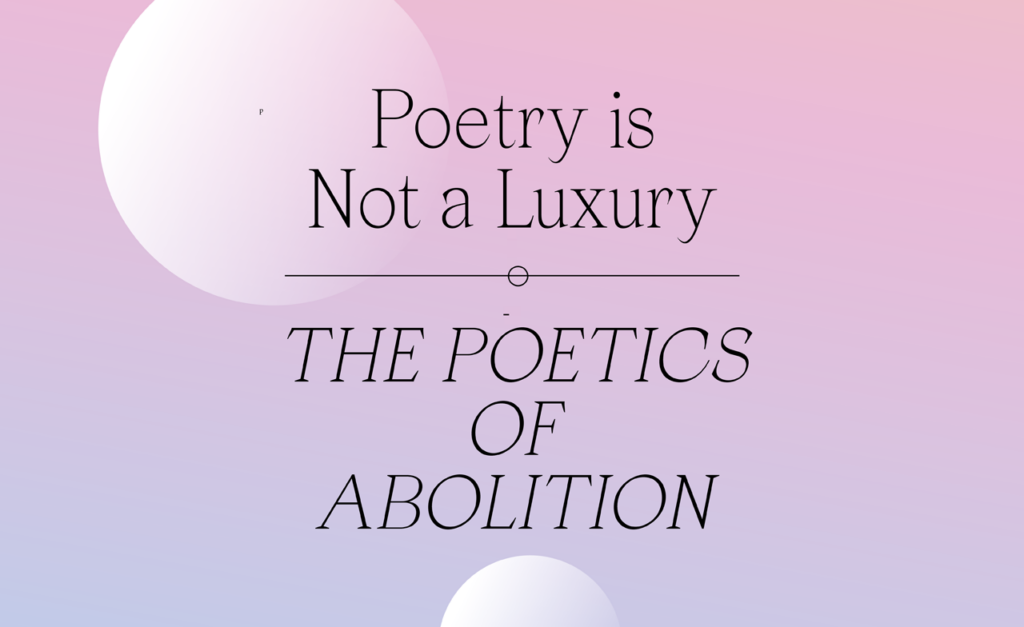
A panel exploring the poetics of abolition. “Poetry is not only dream and vision; it is the skeleton architecture of our lives. It lays the foundations for a future of change.”
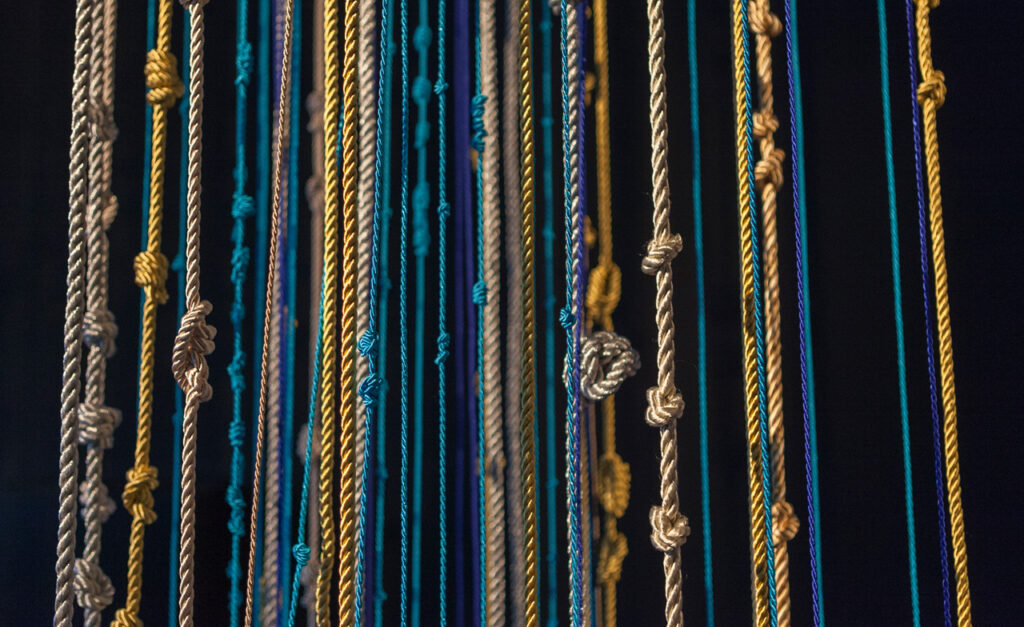
How do we sense entanglement? Can the knotting of ropes according to a poem’s rhythm make the social pulse of language matter?
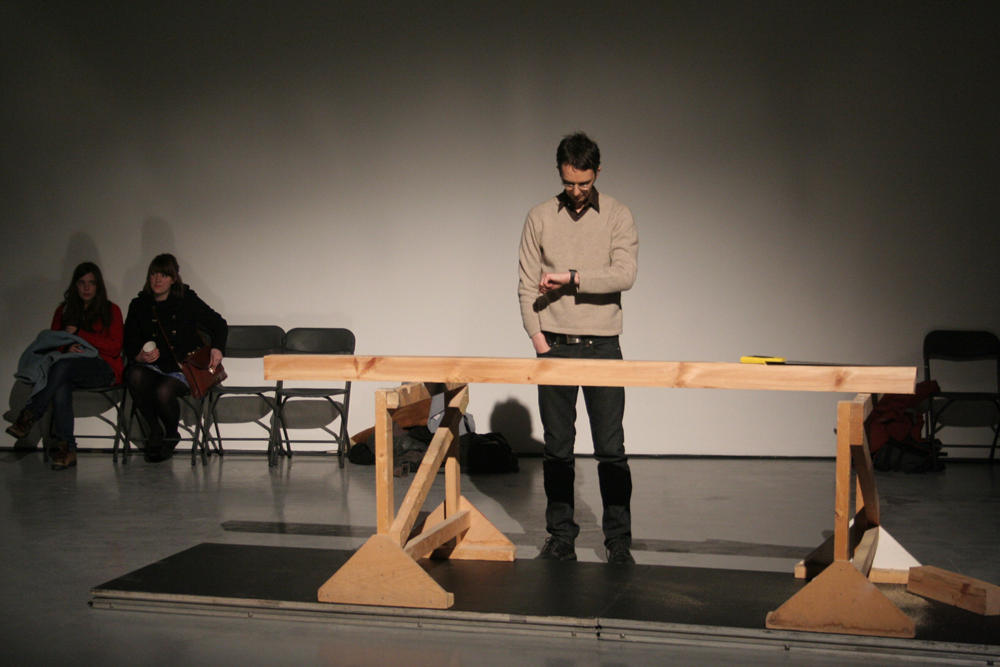
Can we use sound, repetition and difference to personally and collectively engage with space, time and labour?