The Cybernetic Cop
Jackie Wang
A prison abolitionist punk video-poetry-music mash up about our fucked-up dystopian society, RoboCop, kids toys and criminality.
Arika have been creating events since 2001. The Archive is space to share the documentation of our work, over 600 events from the past 20 years. Browse the archive by event, artists and collections, explore using theme pairs, or use the index for a comprehensive overview.
A prison abolitionist punk video-poetry-music mash up about our fucked-up dystopian society, RoboCop, kids toys and criminality.
Moor Mother is a musician, Philadelphian housing activist and black quantum futurist.
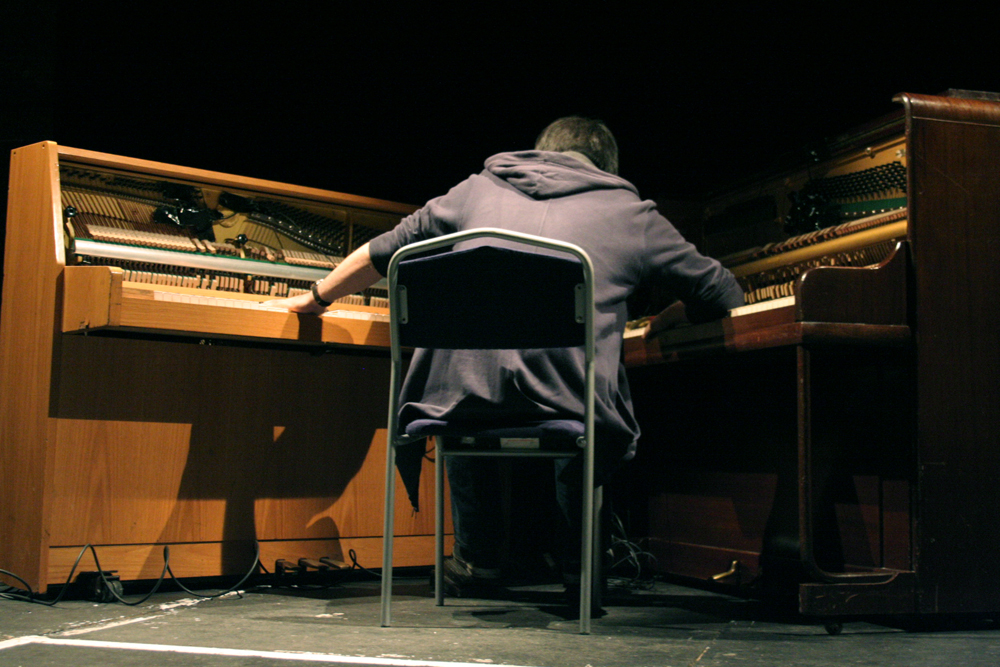
Sachiko’s very simple, pure sine tones and structures. Otomo on double pianos. Filament’s music isn’t composed and it isn’t improvised: it’s a hybrid of the two.
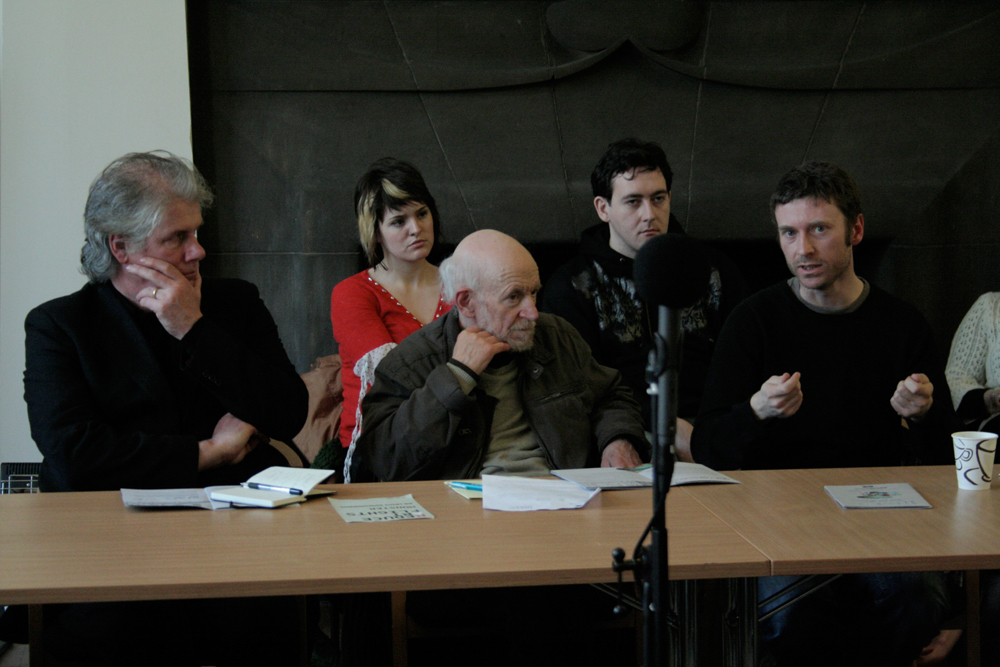
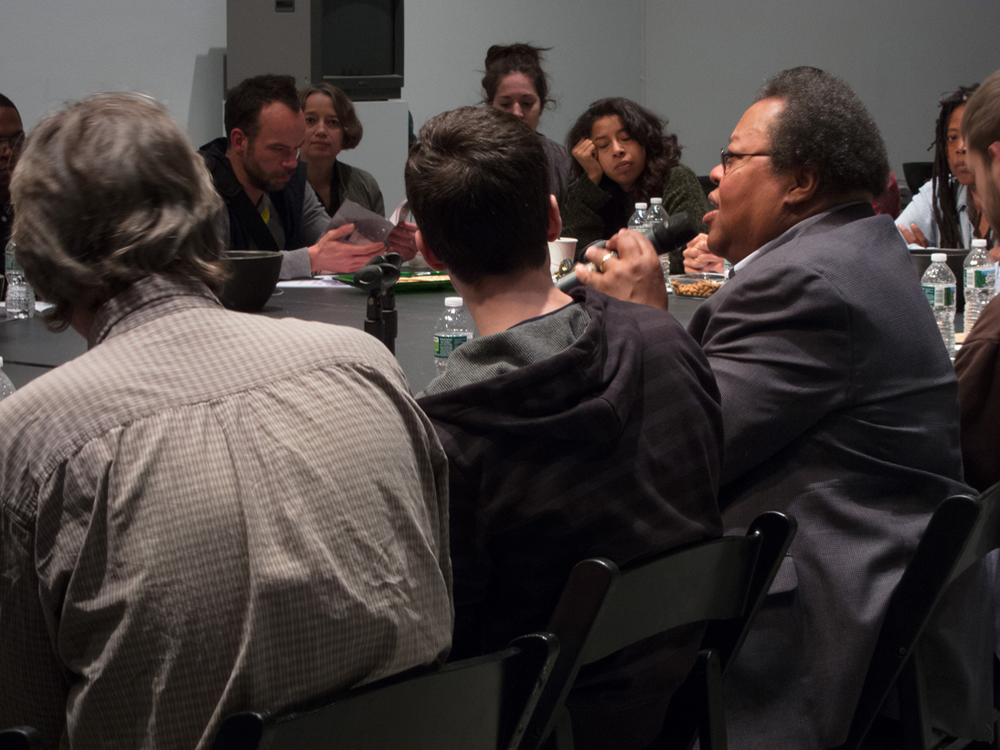
A performed self-cancelling discussion, with artists from the festival, invited speakers and local artists talking at once, over each other, or straining to be heard over the din.
Post consideration and post rationalisation… How do we think about experimental music and film after the performance?
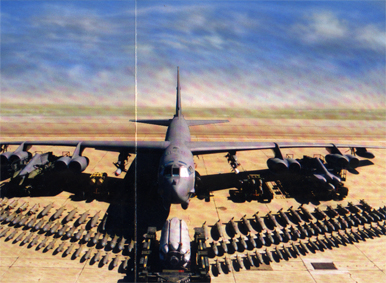
Hartmut is going to talk a little about his work at large and the politics of how his films are constructed. And we’ll screen one of his best films: B-52.
A film performance about Guy then, and Guy now, as a metaphor for the passing of time, which of course all film is inherently about.
N30 is a massive, dynamic, immersive multi-channel presentation of front-line field recordings from the protest against the WTO in Seattle
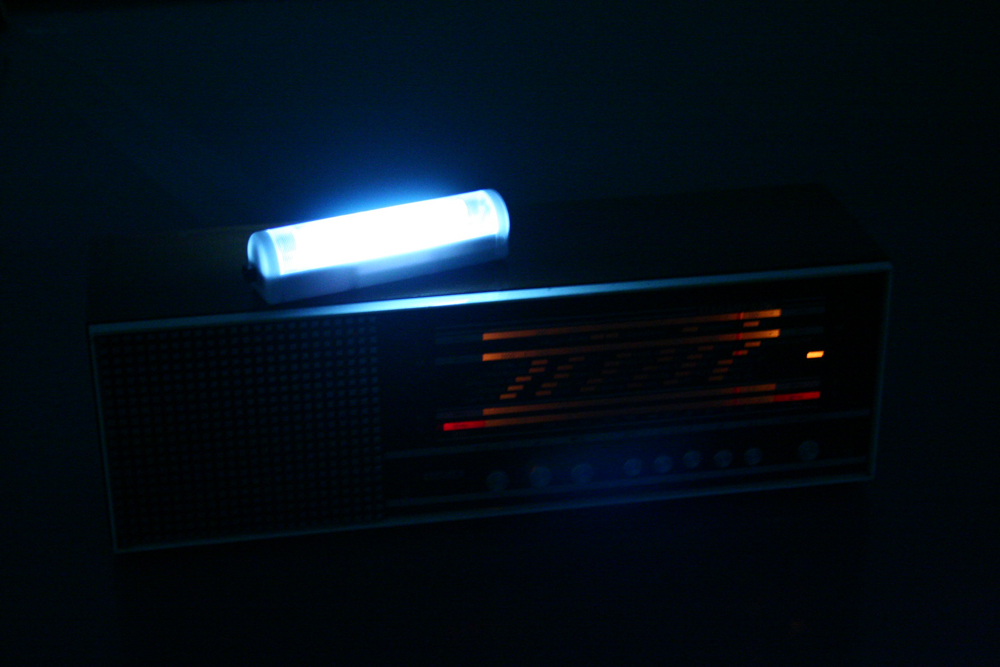
A drone installation populated by flourescent strip lights working in complicity with analogue radios – “all the lights just do their thing”.
The mutability of the body and the mobility of identity: queered pop culture, drag, lip-sync and performance.
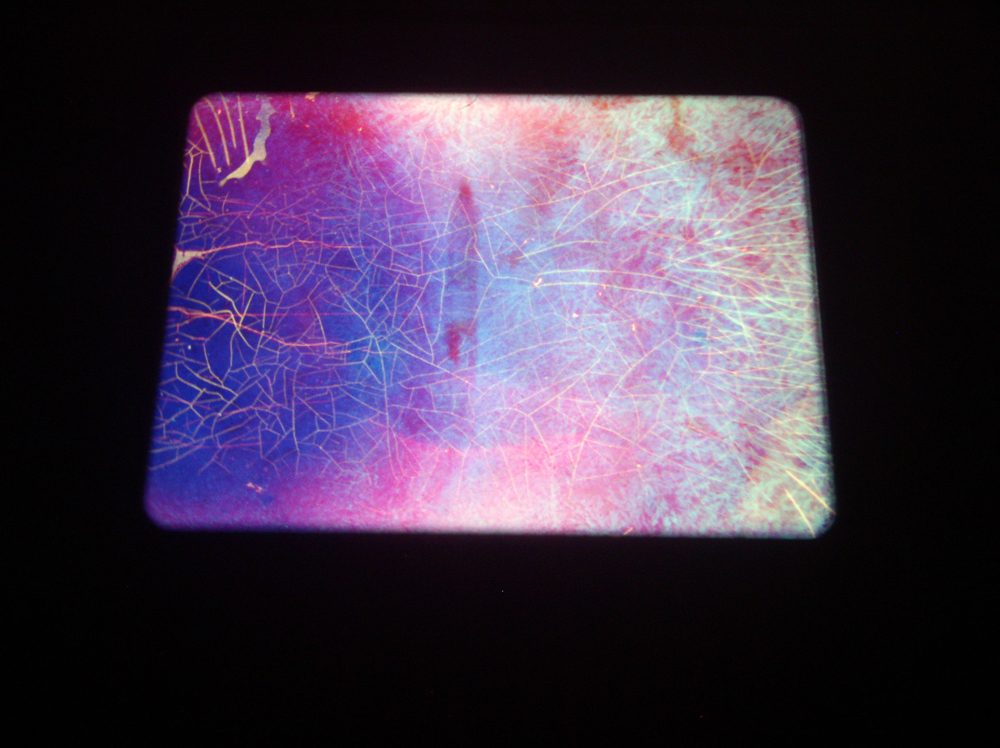
An immersive live performance for multiple 16mm film and bass clarinet, taking in the whole gallery, submerging the audience.
For day one of Ultra-red’s project, the investigation will take up protocols for listening to the sound of freedom composed and facilitated by George E. Lewis.