Mutual Aid on the Road to Abolition
Dean Spade Abolitionist Futures
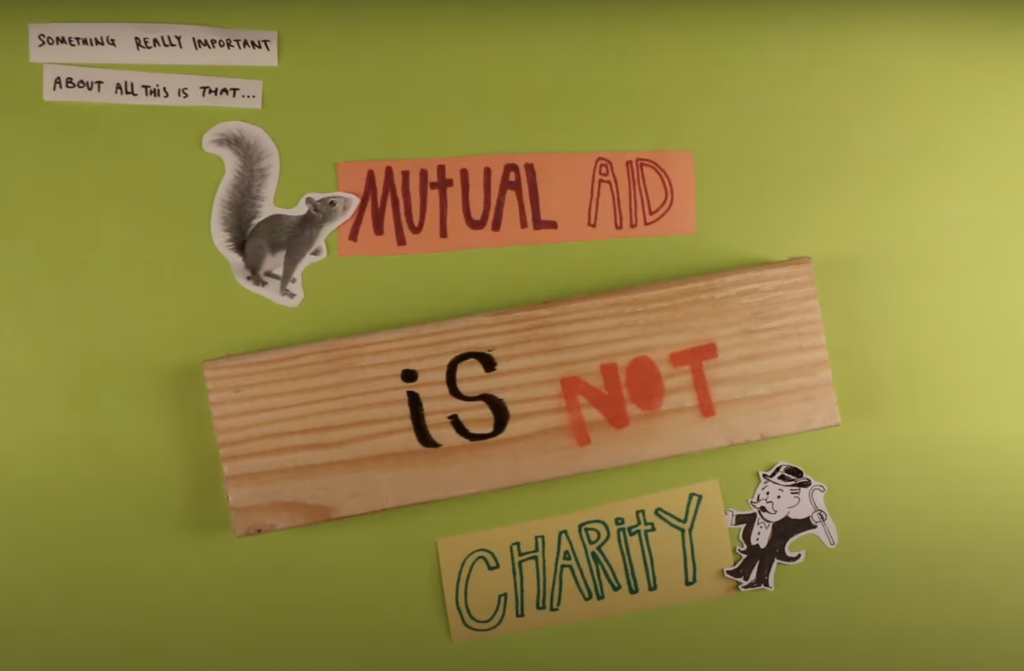
How do we make the connections between the mutual aid practices of our daily lives and anti-capitalist efforts to dismantle wider systems of exploitation?
Arika have been creating events since 2001. The Archive is space to share the documentation of our work, over 600 events from the past 20 years. Browse the archive by event, artists and collections, explore using theme pairs, or use the index for a comprehensive overview.
How do we make the connections between the mutual aid practices of our daily lives and anti-capitalist efforts to dismantle wider systems of exploitation?
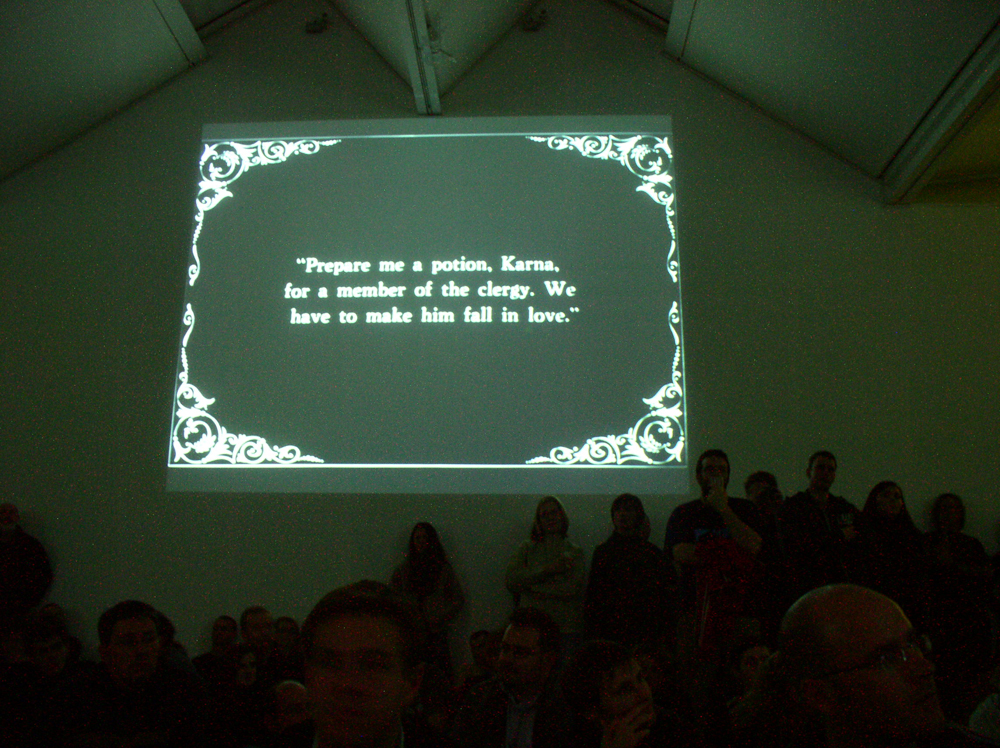
Mirror and Phantom Engineer performing an improvised soundtrack to Benjamin Christensen’s 1922 horror film prototype, Haxan: Witchcraft through the Ages.
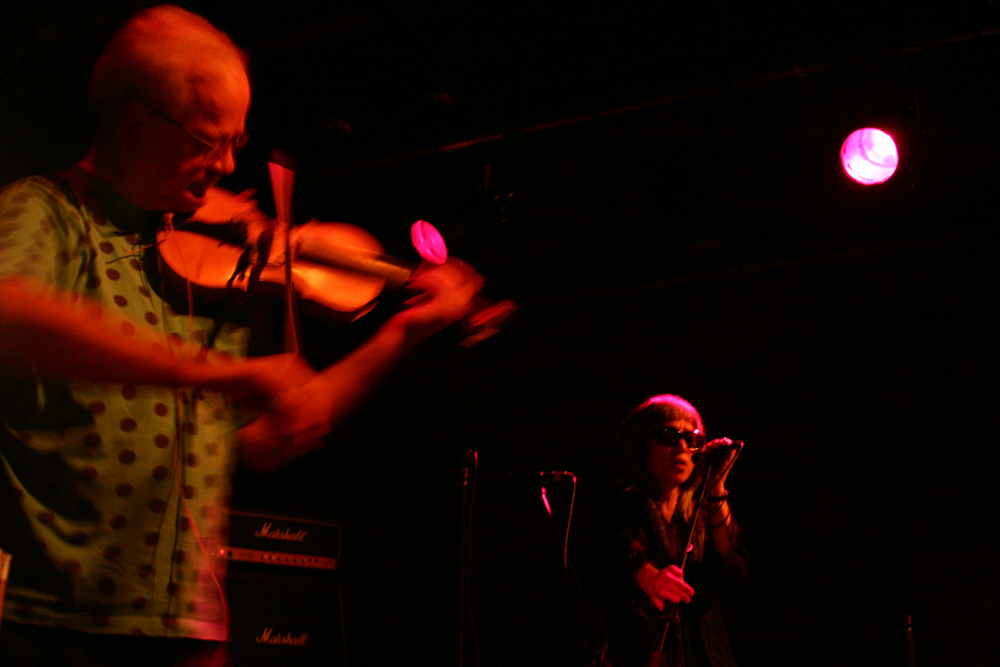
Although Tony had visited Haino in Japan, and they played together in private, this was the first time anyone other that Haino’s cat saw them perform together.
During their time in Scotland for Instal 06 Dave Dove, Bhob Rainey and Greg Kelly did some improvisation workshops and performances in and around Glasgow.
“Beginning where you and me ends, where we don’t so much come but are already here.” Join James and Nisha to talk about breath, erotics and flesh, about our social, poetic cosubstantiality.
A recently reanimated Ascension, with mighty Leeds drum hero Paul Hession bringing a dense polyrhythmic torrent into play with Jaworzyn’s reinvigorated piercing guitar.
A performed filmic conversation on queer and black world making.
Kenneth Goldsmith reads extracts of his conceptual poetry and Achim Wollscheid manipulates mobile phone signals.
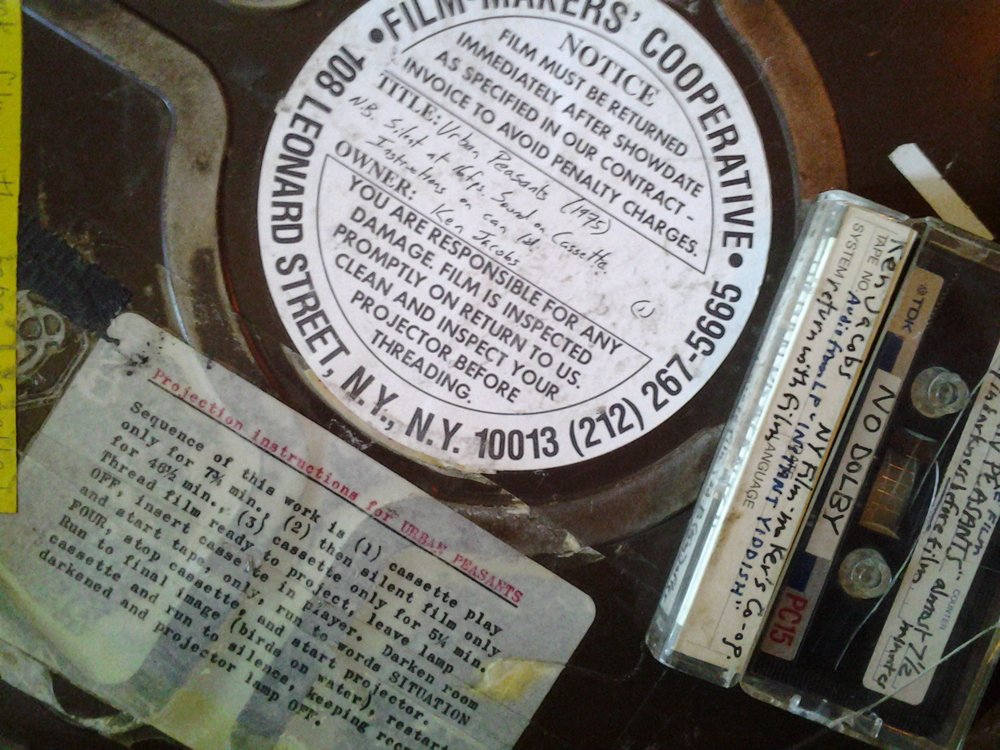
Do almost nothing: re-present (unaltered and arranged by chance) silent family home movies handed down to Flo, (Ken’s wife) and follow them with a “teach yourself Yiddish” cassette tape.
Vajra are a Japanese psychedelic rock supergroup, hewn from the collective consciousness of Fushitsusha’s Keiji Haino, folk radical Kan Mikami and percussionist Toshiaki Ishitsuka.
A performed, open, public conversation about how we might think politics from the position of intuition, in which Denise and Valentina use un-reasonable tools to map out a hybrid poetical/ ethical reading of their own situations.
Can a collective performance of NourbeSe’s poem of black life as it exceeds containment enact alternative forms of selfhood that emerge in and out of African diasporic experience?