Haxan: Witchcraft Through the Ages
Mirror Phantom Engineer
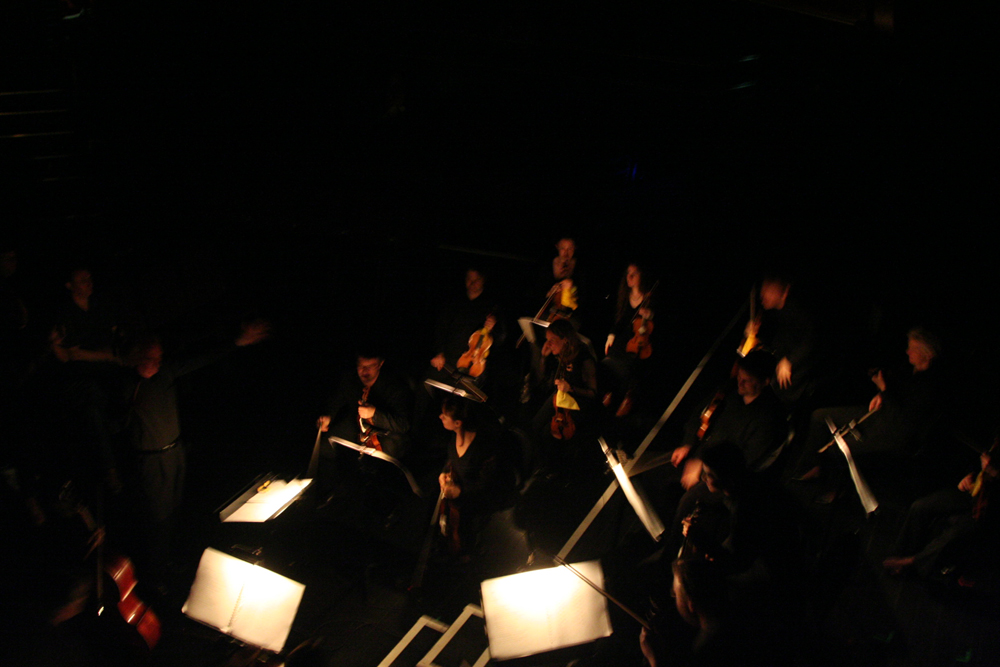
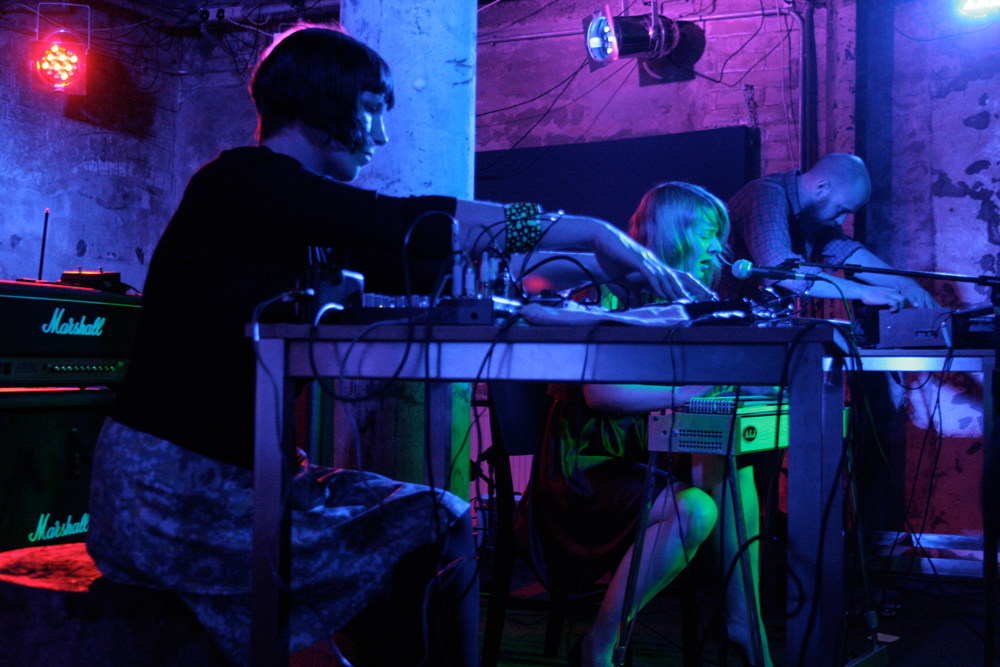
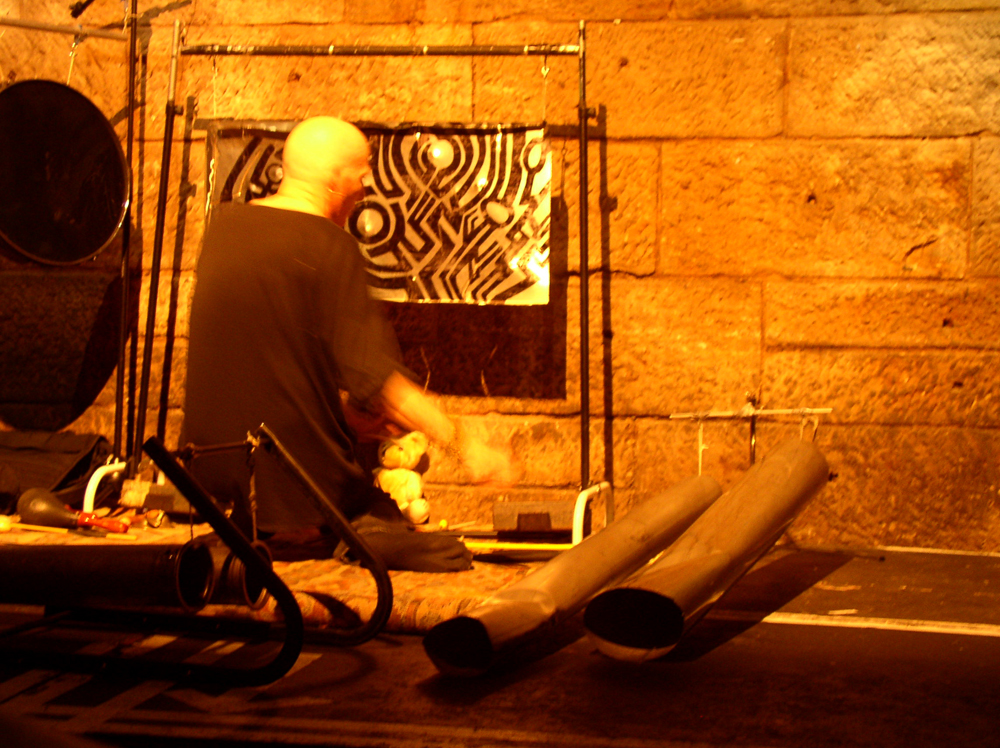
Mirror and Phantom Engineer performing an improvised soundtrack to Benjamin Christensen’s 1922 horror film prototype, Haxan: Witchcraft through the Ages.
Arika have been creating events since 2001. The Archive is space to share the documentation of our work, over 600 events from the past 20 years. Browse the archive by event, artists and collections, explore using theme pairs, or use the index for a comprehensive overview.
Mirror and Phantom Engineer performing an improvised soundtrack to Benjamin Christensen’s 1922 horror film prototype, Haxan: Witchcraft through the Ages.
A performed installation by one of Germany’s most interesting visual artists, based on edited transcripts of the 1961 trial of Adolf Eichmann in Jerusalem and the writings of Hannah Arendt
Bruno’s liberated improvisational approach stretches beyond the lyrical, tough as nails rhythmic bursts and expressive, swinging attack of his drumming.
One of the most compelling Indigenous voices of her generation discusses practices of Indigenous Resurgence drawn from Nishnaabeg poetic knowledge.
Although Tony had visited Haino in Japan, and they played together in private, this was the first time anyone other that Haino’s cat saw them perform together.
Shutter Interface is an expanded cinema piece: a series of machinegun bursts of chromatic relationships and visual harmonics in an overwhelming montage
A simple, gracefully bold set-up to allow Loïc to trace connections: of comments upon comments upon comments, of sounds next to sounds next to sounds.
Rhodri Davies plays two deconstructed harps. Lee Patterson examines the sonic properties of burning nuts.
Out of a dark haze, shafts of light emerge, as the emulsion is scratched from the surface of the film. Simultaneously, out of the black silence, noise and audible scratches bloom into a bright drone.
Sachiko M and Ami Yoshida, two of the most prominent members of the Onkyo movement, place much more emphasis on sound texture than on musical structure, distilling elements of techno, noise, and electronic music into a unique hybrid.
How might two of the great musicians working within contrasting traditions of freedom collaborate? What might this produce: musically, socially, allegorically?
Guy Sherwin gives a kind of annotated, chat through his optical sound films