An introductory salon
Hartmut Bitomsky
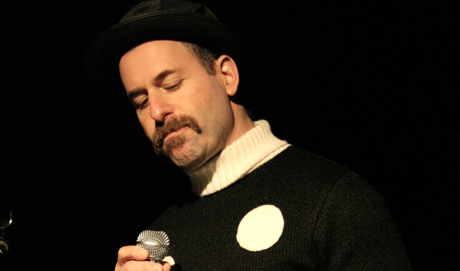
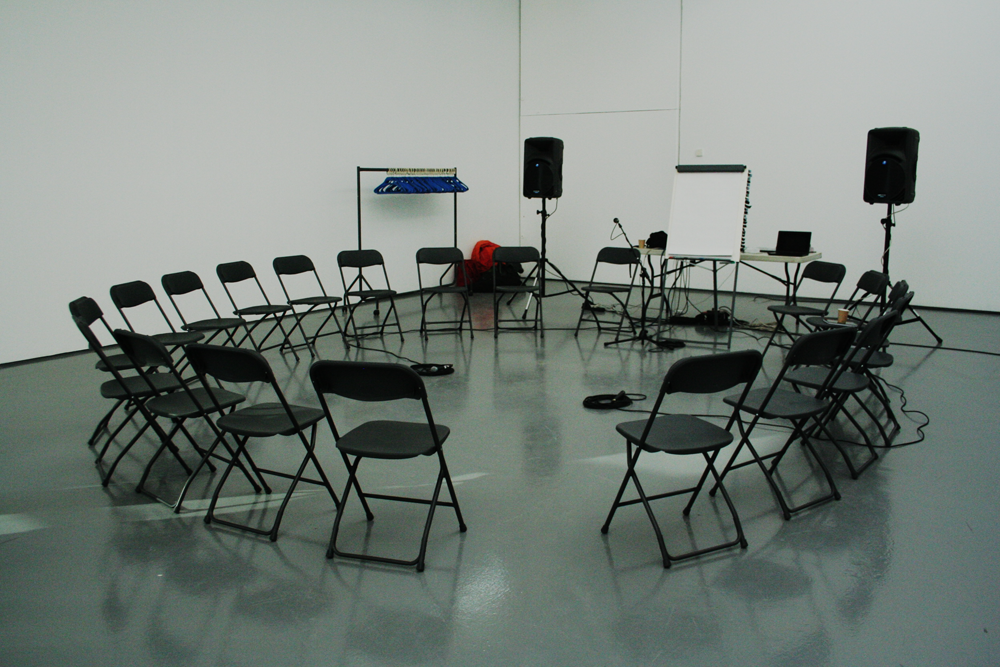
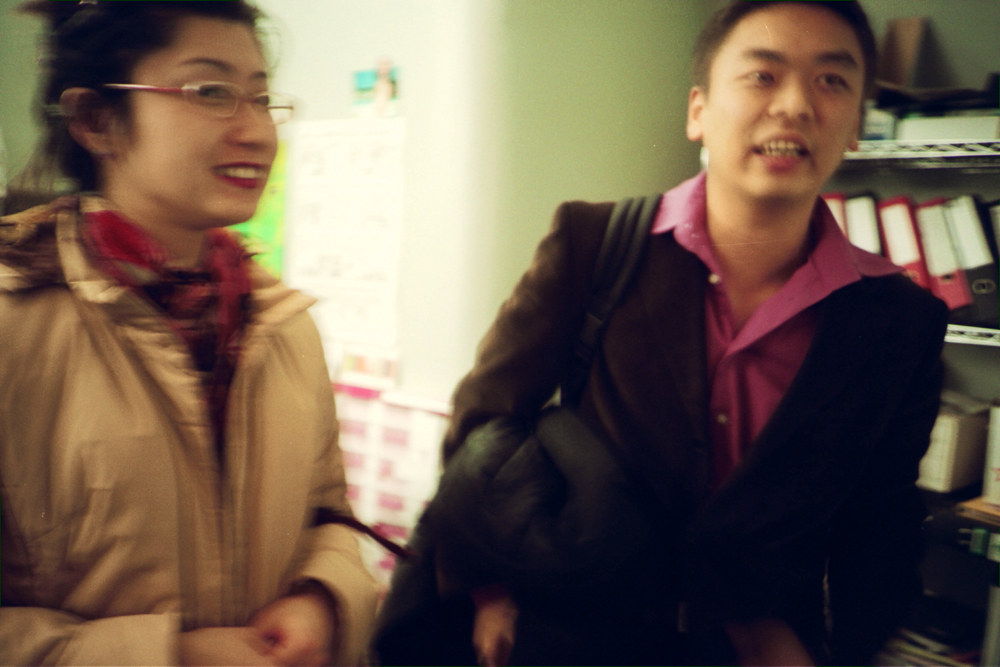
Hartmut led “a workshop in the old-fashioned way of discussion, mutual exploration of ideas and samples; trying out what can be shared and where the fault lines show.”
Arika have been creating events since 2001. The Archive is space to share the documentation of our work, over 600 events from the past 20 years. Browse the archive by event, artists and collections, explore using theme pairs, or use the index for a comprehensive overview.
Hartmut led “a workshop in the old-fashioned way of discussion, mutual exploration of ideas and samples; trying out what can be shared and where the fault lines show.”
What to do about a telethon other than fuck it up? Poet, tarotist, artist, and librarian Cyrée Jarelle Johnson returns to IWBWYE to read the 1980s and ’90s for what those decades were: practice for now.
In rethinking the body, the law, the state, gender, race, violence, care and empathy, how we might give humanness a different future?
Bringing together artists working with music, sound, film and the moving image, KYTN 2008 saw performances, improvisations, screenings and installations over three days at DCA.
MICRO 1 – Wrap a live microphone with a very large sheet of paper. Make a light bundle. Keep the microphone live for another 5 minutes. T. Kosugi – (1961)
For musical chameleon Richard Youngs both his creative and family life are focused in the room that many of us consider the centre piece of our lives.
Criminal Queers visualises a radical trans/queer struggle against the prison industrial complex, working to abolish the multiple ways our hearts, genders, and desires are confined.
Formed as a means to realise William Bennett’s goal of “a sound that could bludgeon an audience into submission”
Equal parts spectacle, installation and performance, his set for us is a specially developed work, ‘turning’, which features an orchestra of multiple turntables, 4 projections and a collection of old, and, quite probably, misfiring analogue kit.
Rather than asking the state for services, what kinds of change are made possible when we prioritise people supporting each other?
The first of two workshops that highlight correspondence as a way of working. Somewhere between song, speech, and logistical arrangement, these workshops invite participants to consider care as infrastructure.
Thinking against the monoculturalism of Western thought—of faith, affection, sexuality and gender—which completely lacks any utility to, or descriptive value of Indigenous worldviews.