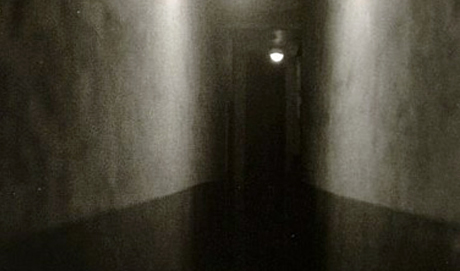
Dreams are Colder than Death
Arthur Jafa
A landmark film on black life – a poetic filmic constellation of meditations, fragments and interviews on what it means to be black in America in the 21st century, from one of its great cinematographers.
Arika have been creating events since 2001. The Archive is space to share the documentation of our work, over 600 events from the past 20 years. Browse the archive by event, artists and collections, explore using theme pairs, or use the index for a comprehensive overview.
A landmark film on black life – a poetic filmic constellation of meditations, fragments and interviews on what it means to be black in America in the 21st century, from one of its great cinematographers.
Nothing if not repetitive, film is founded on the incremental succession of minute difference. But how does repetition of the same play out, and is it a tool to comment on the standardising repetition of the mass media?
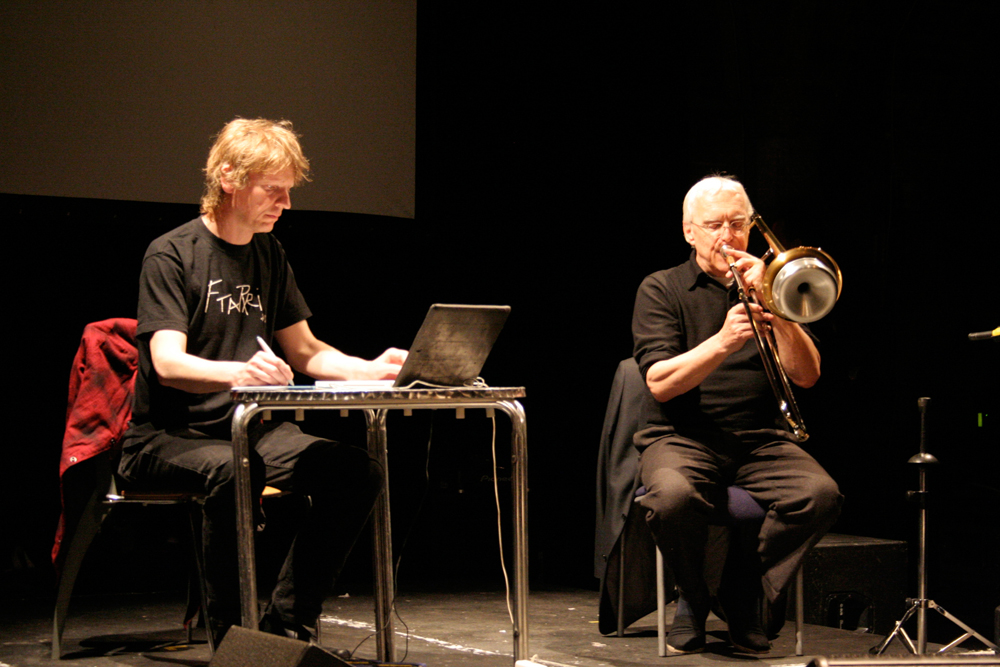
Free-jazz chat with Sabir Mateen, Daniel Cater, Andrew Barker – hosted by Byron Coley.
What might Carter and Parker’s collaboration tell us about our own performances of responsibility and liberty, whether individual, social or musical?
Transfeminist, communist, revolutionary poetry that refuses to flinch. Nat Raha presents new work in the nine.
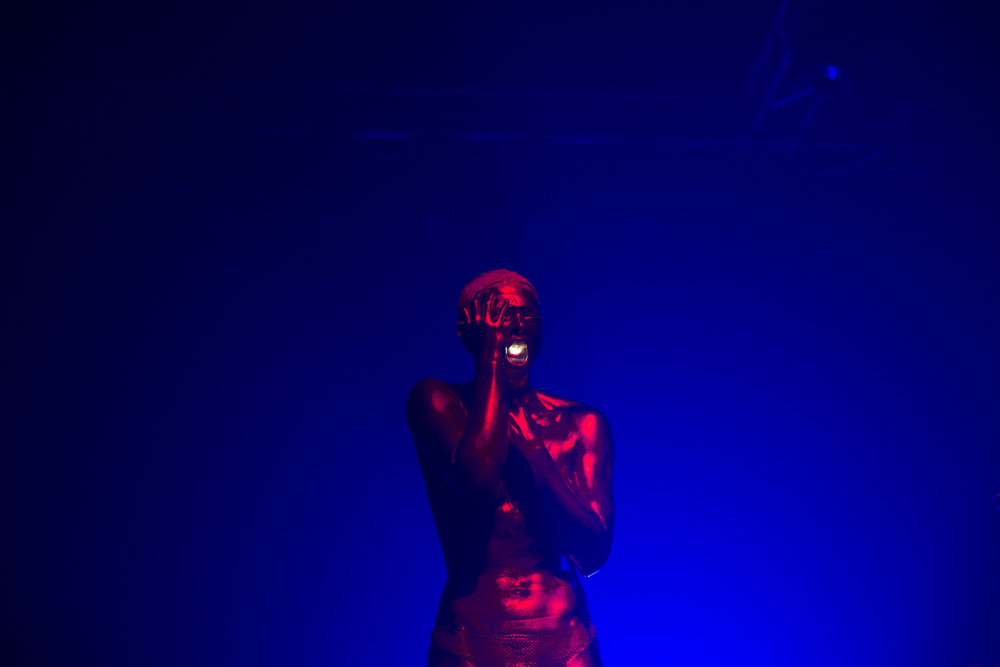
A freestyle performed conversation for bodies and voices – with the Queen of Krump, the master of Vogue Femme Dramatics and the rising star of Vogue Women’s Performance.
Two-parts Helhesten spit strangled shanties and cracked reeds from under a net of the Glasgow Improv Orchestra’s six-strings and one moustache.
Philip Jeck creates slowly evolving symphonies that are as much about the crackling hiss of old vinyl as the actual ‘musical’ material.
The first of two workshops that highlight correspondence as a way of working. Somewhere between song, speech, and logistical arrangement, these workshops invite participants to consider care as infrastructure.
A fully transcribed, described, and open-captioned film screening that’s nothing short of their actual open heart.
What is happening when systems of repression try to grasp communities’ ways of being, living or surviving, applying laws of sexuality, gender or race to cast them as criminal?
In Ramayya’s visionary poetry, the body assumes as many forms as love produces states: attraction and repulsion, excitement and exhaustion, selfishness and the dissolution of self.