Shadowed Spaces
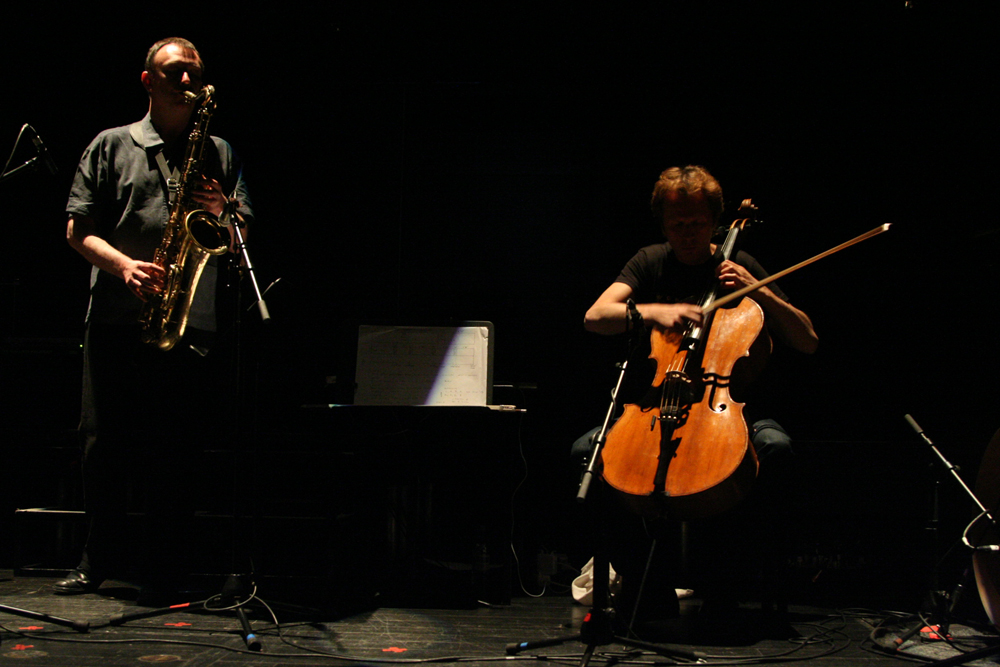
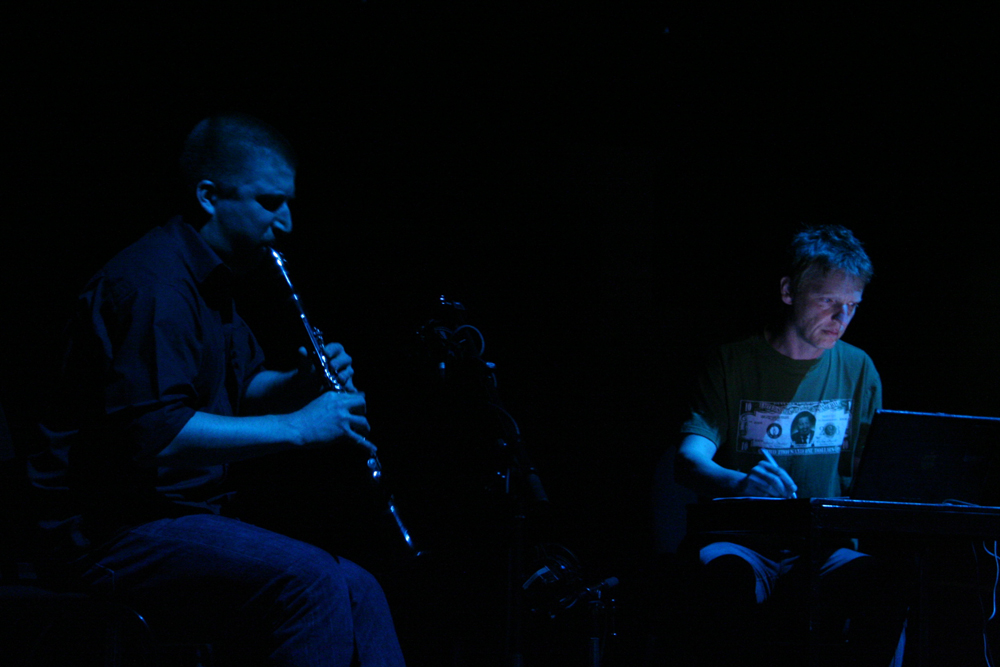
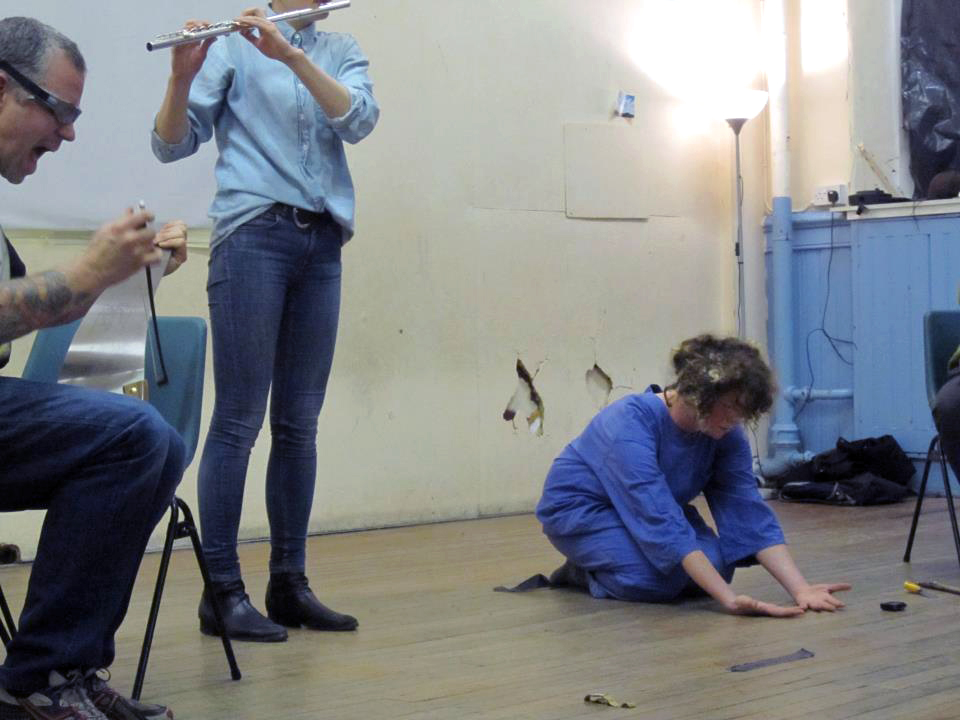
There exist places in our towns and cities that are created not by design, but by circumstance. Shadowed Spaces was a tour of overlooked, bypassed and unconsidered nooks and crannies with 3 musicians.
Arika have been creating events since 2001. The Archive is space to share the documentation of our work, over 600 events from the past 20 years. Browse the archive by event, artists and collections, explore using theme pairs, or use the index for a comprehensive overview.
There exist places in our towns and cities that are created not by design, but by circumstance. Shadowed Spaces was a tour of overlooked, bypassed and unconsidered nooks and crannies with 3 musicians.
What kind of listening and acknowledging do we offer each other? What is it to listen to an ‘elsewhere’, and do we ever do anything else when we listen to music?
Out of a dark haze, shafts of lights are picked out from the surface of film. Out of the black silence, noise, audible scratches bloom into a bright drone of broken and cracked objects.
A recreation of one of Gustav Metzger’s celebrated auto destructive performances.
Three intimate 45 minute sessions, readings of your political questions – using Tarot, Palmistry, Reiki, Astrology, and Philosophy, and the invented methods of Fake and Political Therapy.
4 days of workshops, discussions and artists presentations exploring the radical act of caring for each other while working to change the world.
A queer black operatic requiem for piano and voice that asks us to stay in the hold of the slave ship, that tries to understand the connection from the slave ship to the prison.
In a moment of social exhaustion, we want to ask how we might care for each other differently. We Can’t Live Without Our Lives is a 5-day exploration of care as a form of struggle and resistance, with communities who embody it.
The second in a series of workshops for workers and non-workers who care. What does the sharing of vulnerability entail? Can such a sharing inform progressive social relations?
A short chat about what we (Arika) might be trying to do with our program for the Biennial.
How do we sense entanglement? Can the knotting of ropes according to a poem’s rhythm make the social pulse of language matter?