Films Installed in the Foyer
Eduardo Restrepo Castaño SWARM
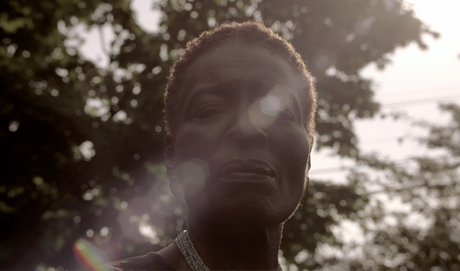
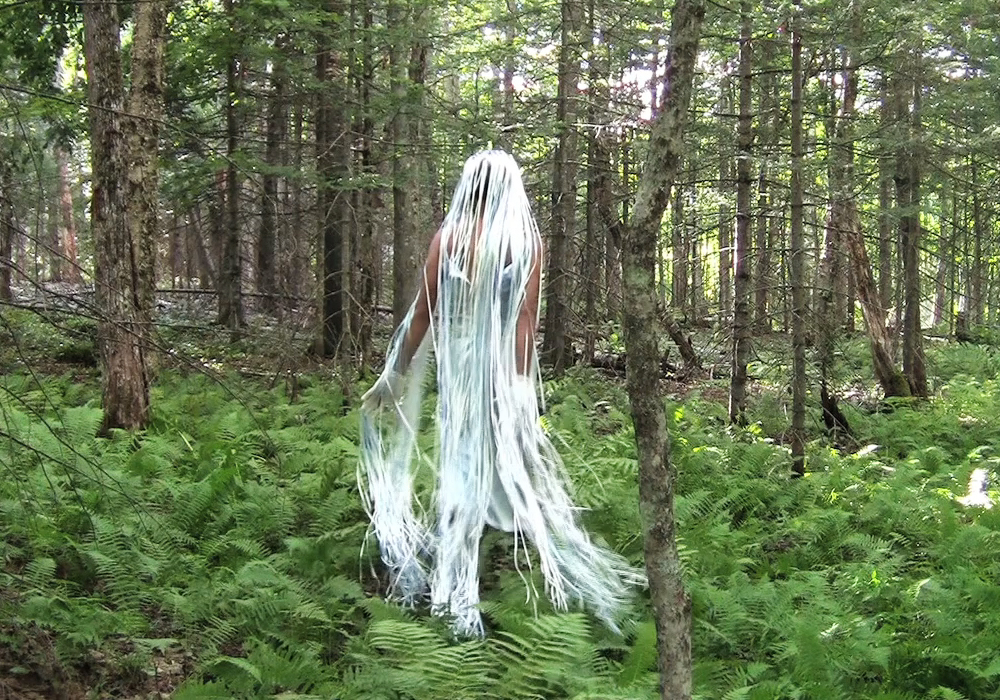
In the Foyer at the Tramway we will screen a documentary from the Sex Workers’ Festival of Resistance 2017 and La Llamada by Eduardo Restrepo Castaño.
Arika have been creating events since 2001. The Archive is space to share the documentation of our work, over 600 events from the past 20 years. Browse the archive by event, artists and collections, explore using theme pairs, or use the index for a comprehensive overview.
In the Foyer at the Tramway we will screen a documentary from the Sex Workers’ Festival of Resistance 2017 and La Llamada by Eduardo Restrepo Castaño.
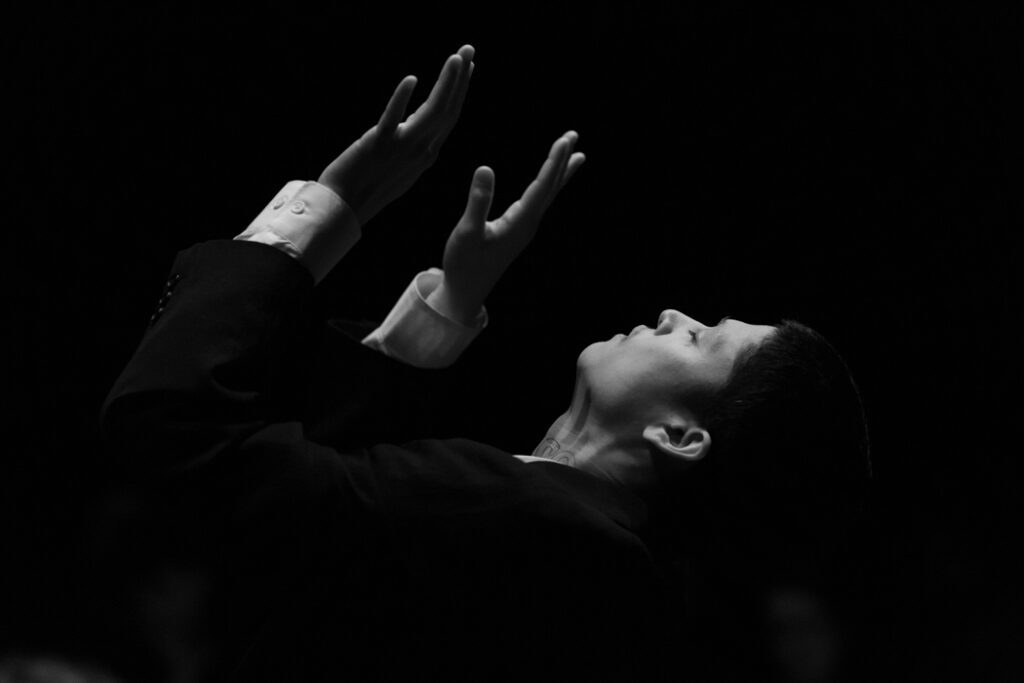
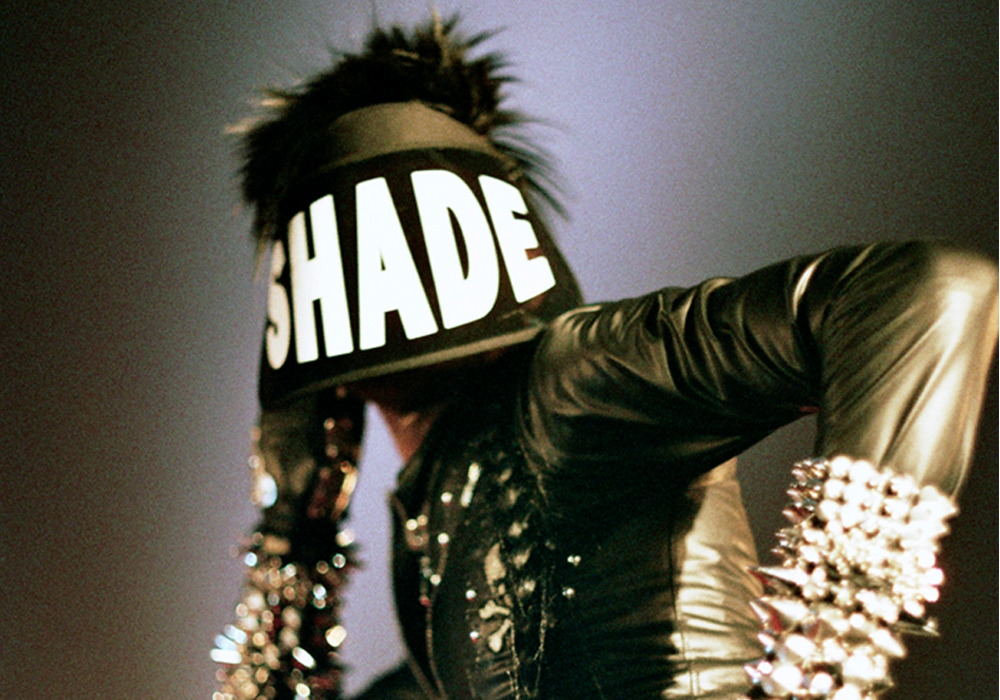
“Hidden in the hands an alluvial transcription of reach and embrace. The final flickers of the body’s expression, caress and touch.” – boychild
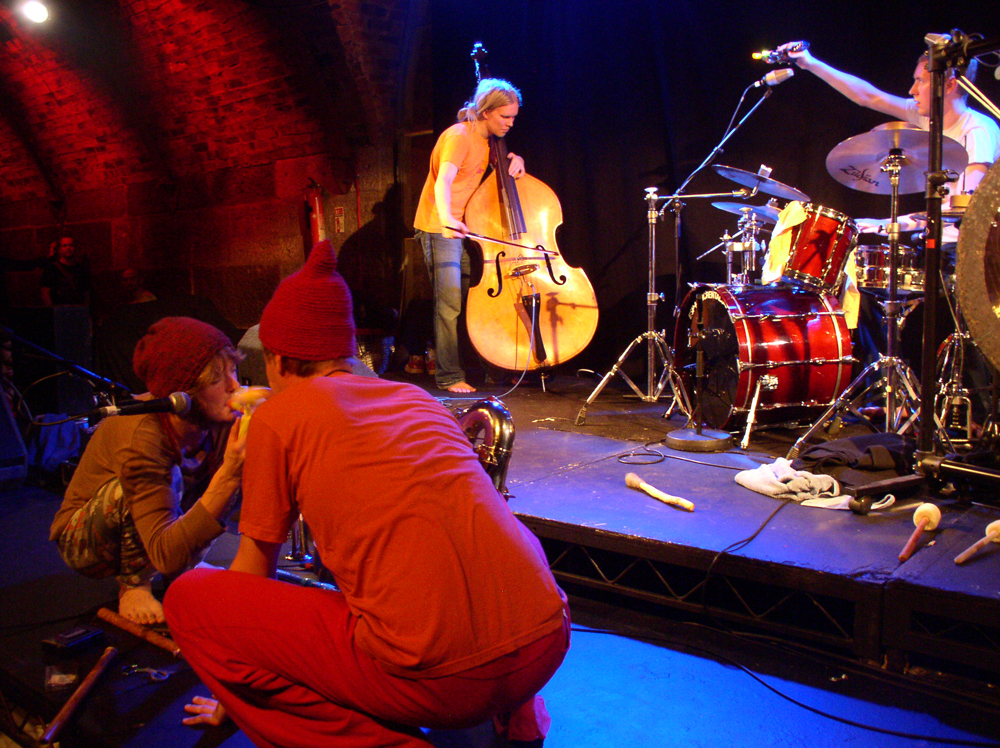
Captures the creak and rustle of the forest, with an exhilarating tension let loose in unconfined maniacal and bare-knuckle group thinking.
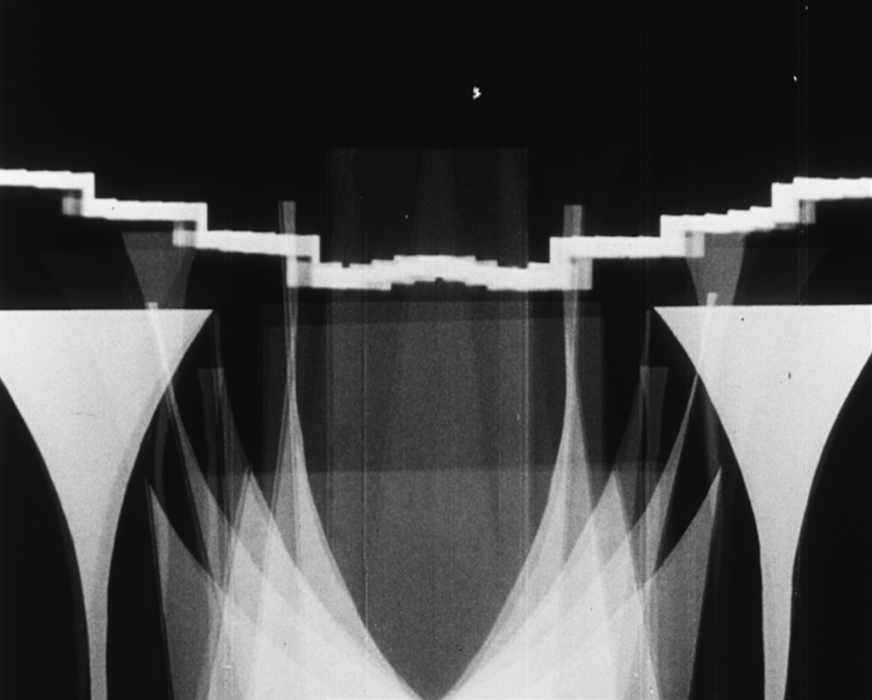
Includes: tamed TV snow, video feedback of racing particles, a remake of a polish photogram film destroyed in WWII, a visual and aural representation of Gestalt theory, hole-punched film and Guy Sherwin’s Cycles 3 double-projection.
In rethinking the body, the law, the state, gender, race, violence, care and empathy, how we might give humanness a different future?
A dense, hard, immersive, chaotic spatial performance in sound: a momentary gap in consciousness, free of order or decision.
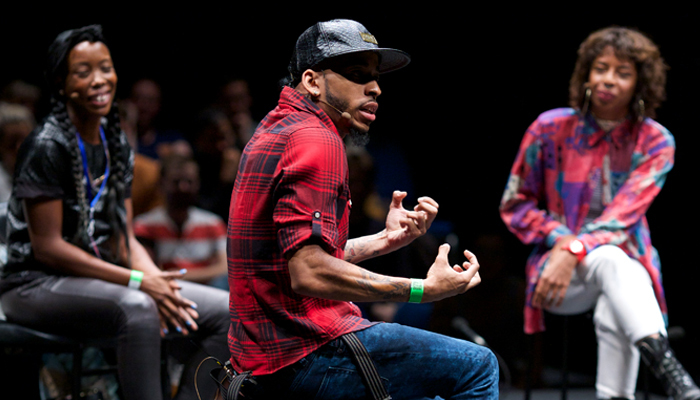
A freestyle performed conversation for bodies and voices – with the Queen of Krump, the master of Vogue Femme Dramatics and the rising star of Vogue Women’s Performance.
A festival hewn from passions for experimental music, film and visual art and for a passion in figuring out how they can relate to, cross-fertilise and inspire and each other.
Organised by Twiggy Pucci Garcon and Pony Zion, The Masters Ball focuses on the work of 50 individuals designated within the scene as ‘masters’ in their respective performance categories, which include Vogue, Runway, and Face.
How do you know what you want? Should freedom be doing what you ought, not doing what you want? How might a philosopher and artist turn this thinking into an enabling condition in the context of noise and improvisation?
Nothing if not repetitive, film is founded on the incremental succession of minute difference. But how does repetition of the same play out, and is it a tool to comment on the standardising repetition of the mass media?
Goodwin’s writing emanates from the social life of poetry, from a condition of entanglement before historically racially-specific forms of representation. Another word for this emanation is breath.