Steven Anderson
Steven Anderson
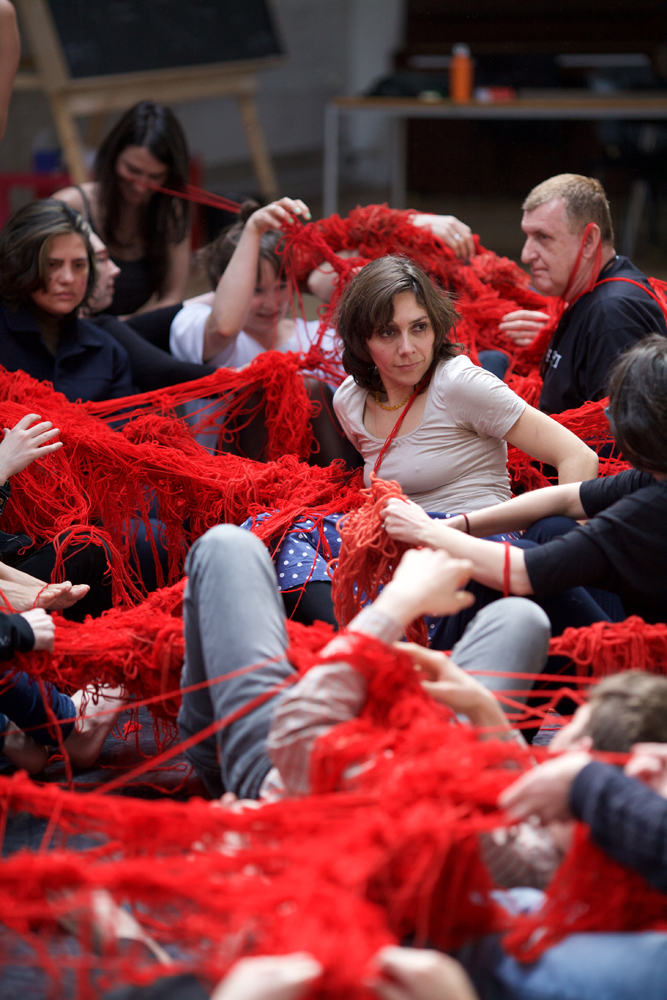
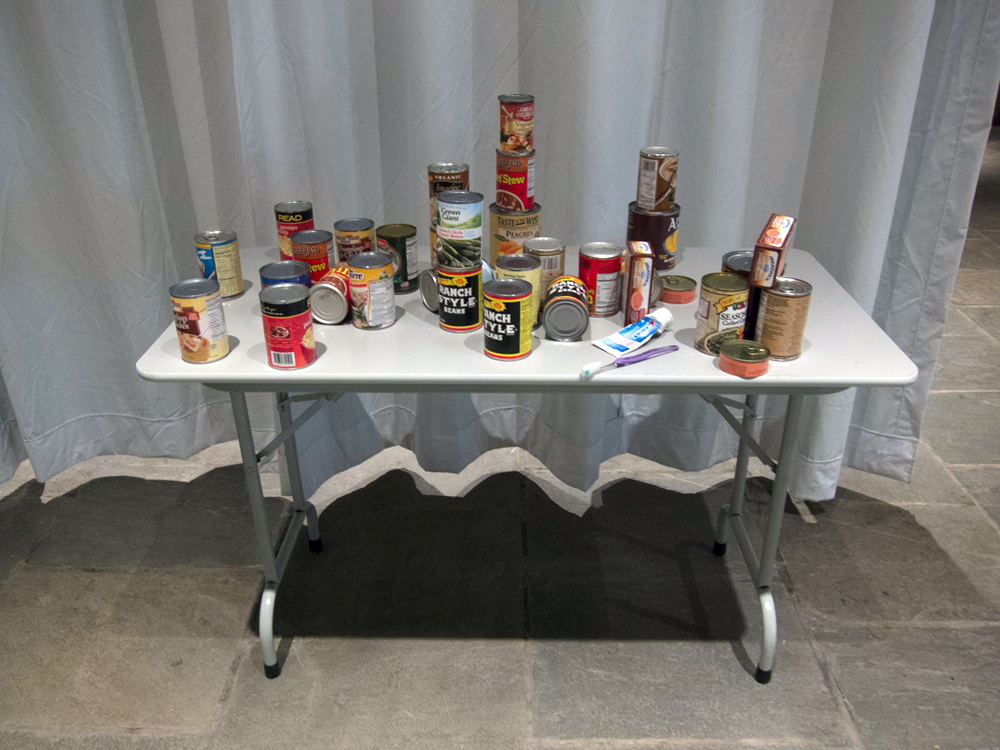
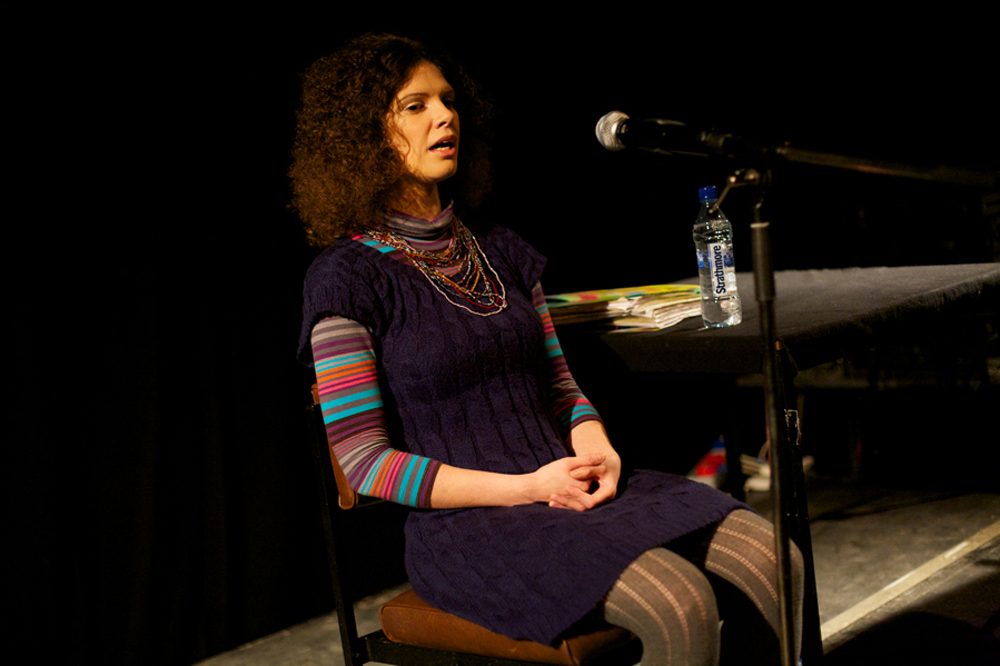
Three short performances involving social exchange (jumpers, hats, glasses…) and singing (ballads)
Arika have been creating events since 2001. The Archive is space to share the documentation of our work, over 600 events from the past 20 years. Browse the archive by event, artists and collections, explore using theme pairs, or use the index for a comprehensive overview.
Three short performances involving social exchange (jumpers, hats, glasses…) and singing (ballads)
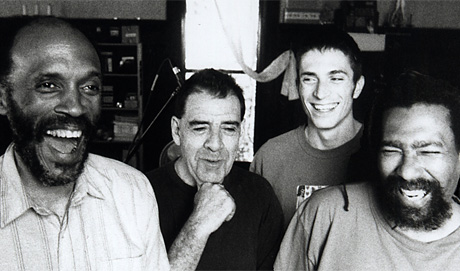
TEST is a collective creative improvising quartet based out of the NYC Underground (figuratively and literally). Their street-hardened, spatial Jazz is riotous and intense: is also makes us think about collective organization, and different ideas of responsibility and liberty.
60 cycle hums, jagged static cracklings, and clipped electron pinpricks, mutating them into sublime, post-techno grooves
Has neoliberal capitalism locked down social experience? Are our seemingly subjective desires, our identities, pre-packaged by dominating social structures?
Duo performance by two great French musique concrète improvisers using feedback, contact mics, tape, an old Revox tape machine, a vintage synth…
In this interactive workshop, Dean Spade, author of Mutual Aid, will share key principles, explore common challenges in mutual aid work, and offer tools for working through them.
An open collaborative workshop space in which games, warm-up sessions, exercises and scenes are potentially the same thing, through which to project your own concerns onto the stage.
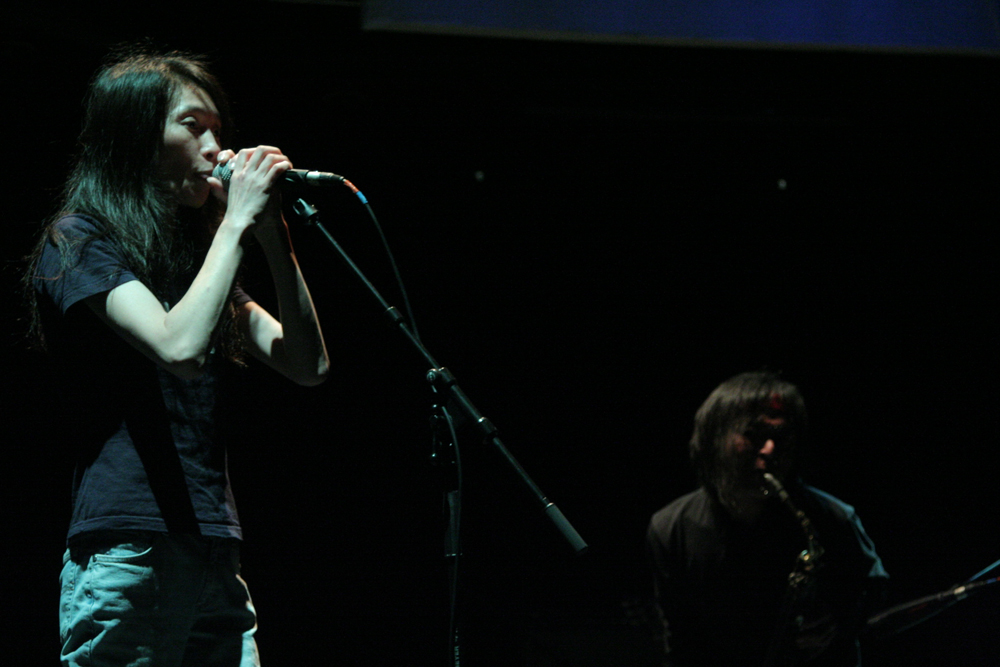
Junko’s screaming vocal in a nuanced, piercing duo with Urabe’s fuming and convulsive saxophone, far removed from the codes of musical tradition.
Sean and Taku share an interest in structure, space and time. A spartan, abstract, considered and surprisingly musical set.
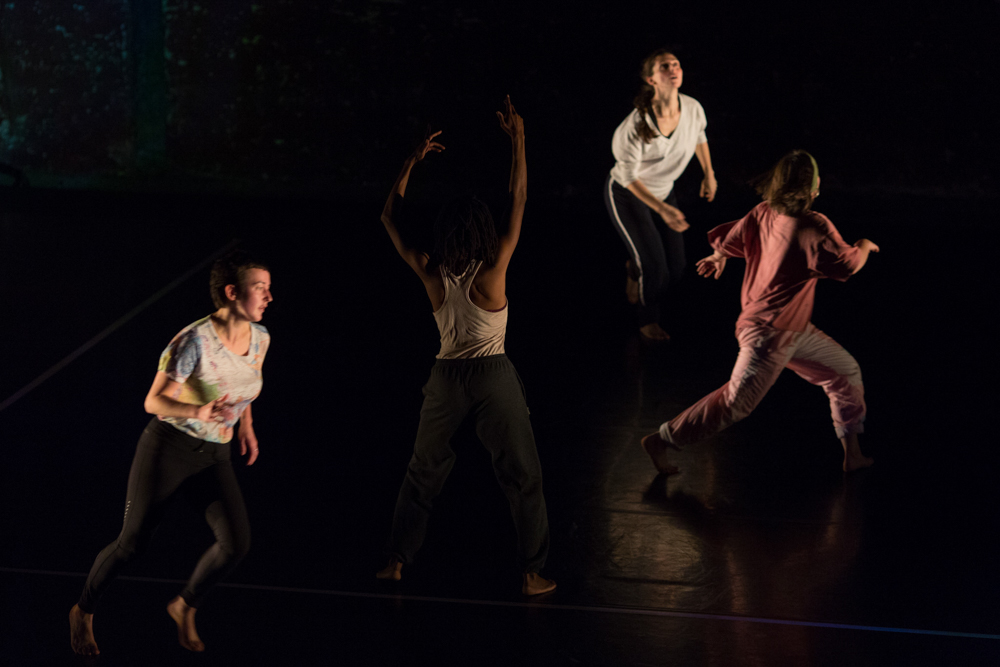
The ongoing development of [b]reach, an abolitionist black queer retelling of Marge Piercy’s incredible feminist utopian novel Woman on the Edge of Time.
There are core ways in which our listening to the radio differs from other kinds of listening. What happens when we pay attention to how we pay attention?
A testimony to poverty from Chris’s own experiences, and an invitation to engage with an all too typical situation and context through a kind of imaginary listening.