My Dog Is My Piano
Antonia Baehr
An audio/ video, lecture/ performance exploring the queer and companionly inter-activity of human-animal relations.
Arika have been creating events since 2001. The Archive is space to share the documentation of our work, over 600 events from the past 20 years. Browse the archive by event, artists and collections, explore using theme pairs, or use the index for a comprehensive overview.
An audio/ video, lecture/ performance exploring the queer and companionly inter-activity of human-animal relations.
Film and sound stripped of ‘content’ and experienced spatially, to be looked at not on the screen but in the space of the gallery
Two bottomless brunch writing workshops—with readings—speculating the relationship between space, infrastructure, technologies and sex.
Electronic music, time, thought, the word, and consecutive matters
A performed reflection on Malin’s previous re-enacting of a super influential landmark of performance art from the French feminist and artist Gina Pane.
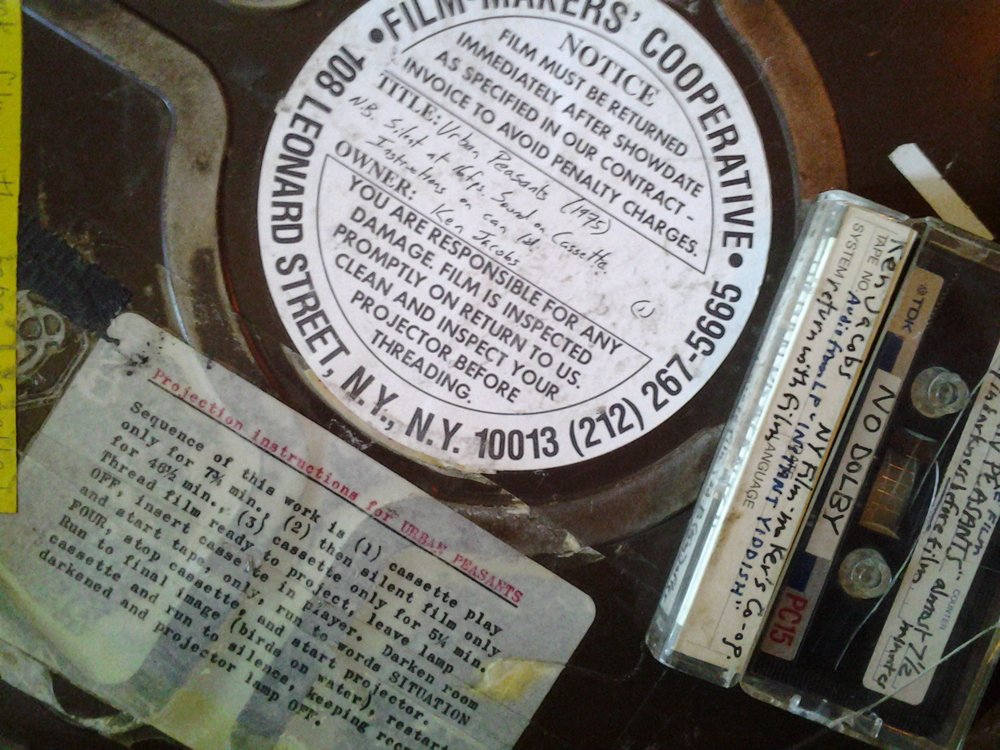
Do almost nothing: re-present (unaltered and arranged by chance) silent family home movies handed down to Flo, (Ken’s wife) and follow them with a “teach yourself Yiddish” cassette tape.
Goofily deformed, deeply thought vocal jams: like the sound of your own breath rushing through your head.
A Performance exploring the nature of acousmatic listening; sound removed from visual context and understood for it’s own properties.
A kind of performed installation of searing noise and silence, where we’re not sure who the performer is, when it starts or ends or even who it’s for.
Sax/Drums duo of raucous, pealing noise, and cries of beguiling lyricism, whispered sax phrases float in a timbral cloud of bowed metal and rumbling toms.
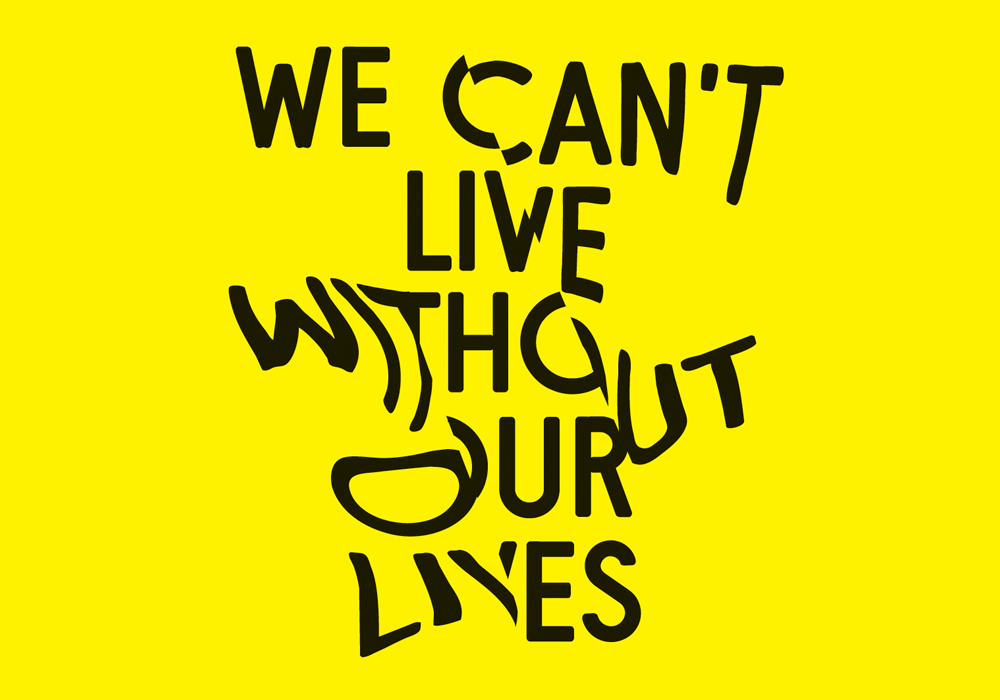
In a moment of social exhaustion, we want to ask how we might care for each other differently. We Can’t Live Without Our Lives is a 5-day exploration of care as a form of struggle and resistance, with communities who embody it.
The second in a series of workshops for workers and non-workers who care. What does the sharing of vulnerability entail? Can such a sharing inform progressive social relations?