After…After…(Access)
Jordan Lord
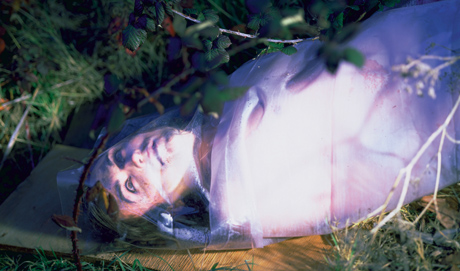
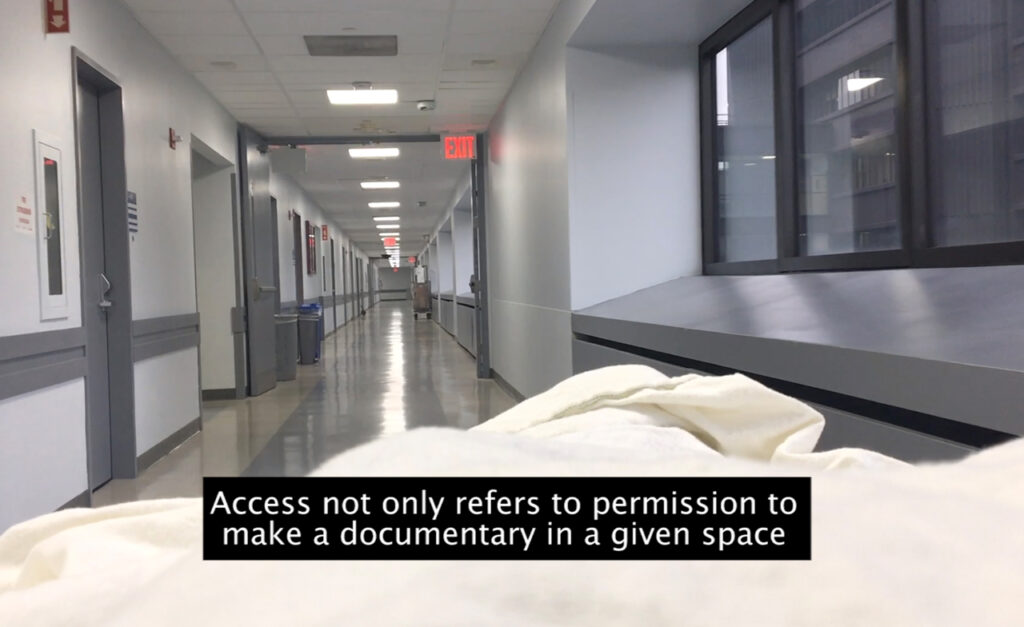
A fully transcribed, described, and open-captioned film screening that’s nothing short of their actual open heart.
Arika have been creating events since 2001. The Archive is space to share the documentation of our work, over 600 events from the past 20 years. Browse the archive by event, artists and collections, explore using theme pairs, or use the index for a comprehensive overview.
A fully transcribed, described, and open-captioned film screening that’s nothing short of their actual open heart.
Looking at and listening to different ideas about sound and music, INSTAL 09’s collection of artists included Tetsuo Kogawa, vocalist Joan La Barbara, Phil Minton (and his Century FC feral choir), Austrian Actionist Hermann Nitsch, Steve McCaffery and many more.
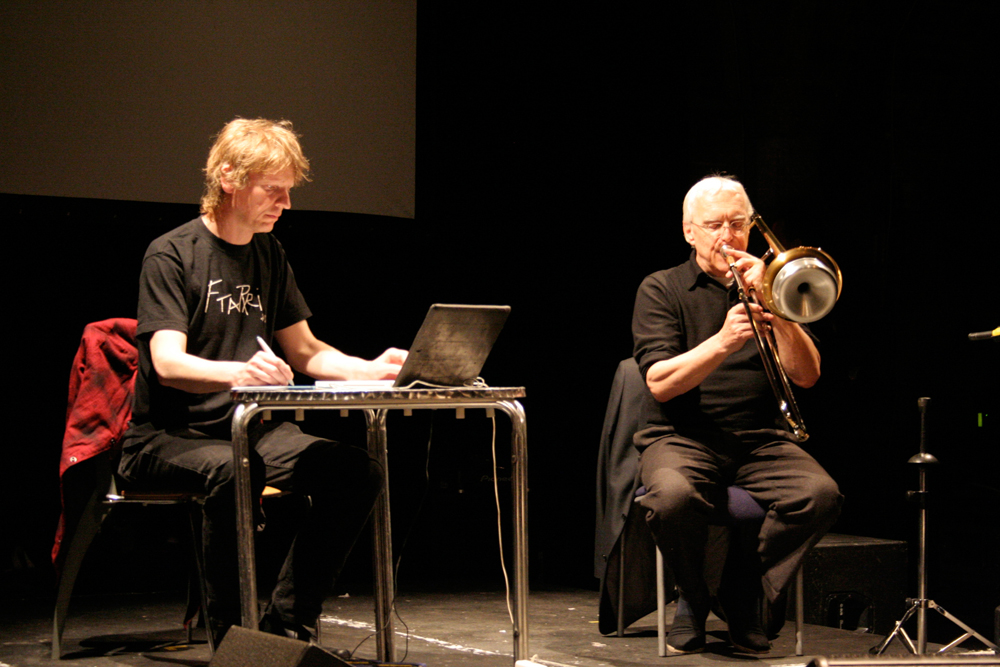
Radu plays a trombone, Klaus creates pure sine waves: they sound on their own, or sometimes together and often with considerable space and silence.
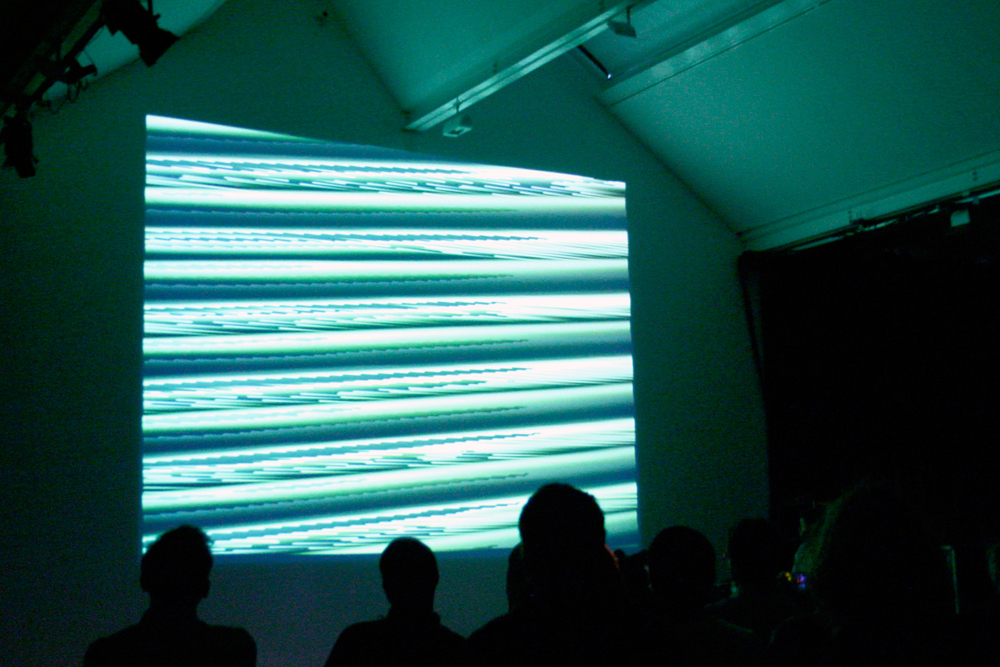
AVVA sees the internal feedback of Toshi’s no-input mixing desk is fed to Billy, and transformed into bright and variegated patters, striations and blooming colour, before being fed back to Toshi and manipulated on route to the PA.
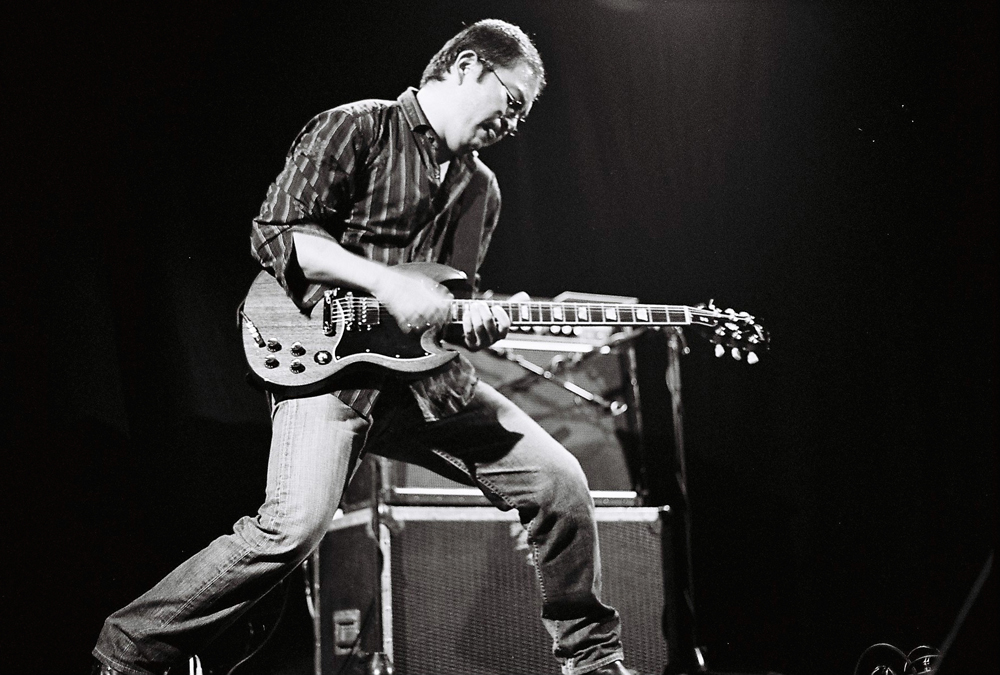
A fulcrum to the Japanese noise scene, JOJO Hiroshige has been responsible for much of the explosion of free music coming from Japan in the last 30 years.
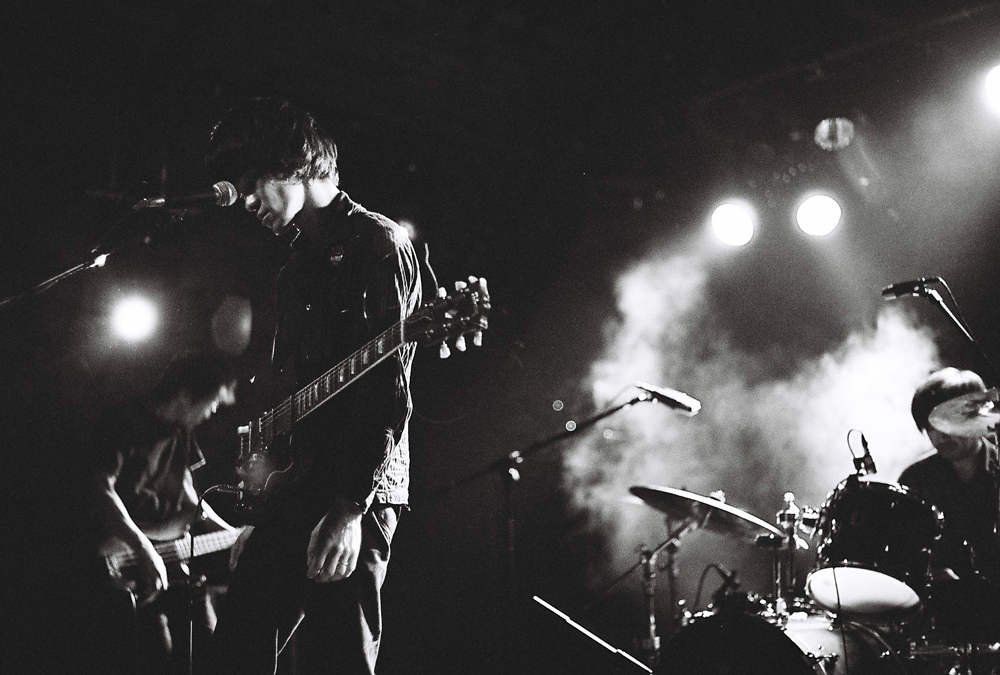
Black-clad with an ominous aura created by their distorted guitar epics, burnt-out ballads and raucous mantric jams.
“I am truly without faith. In a media marketplace that demands soulness, I can only offer soulnessless.”
Arika is working in partnership with Decriminalised Futures on a multi year collaboration featuring multiple creative projects exploring sex worker lives, experiences and movement struggles.
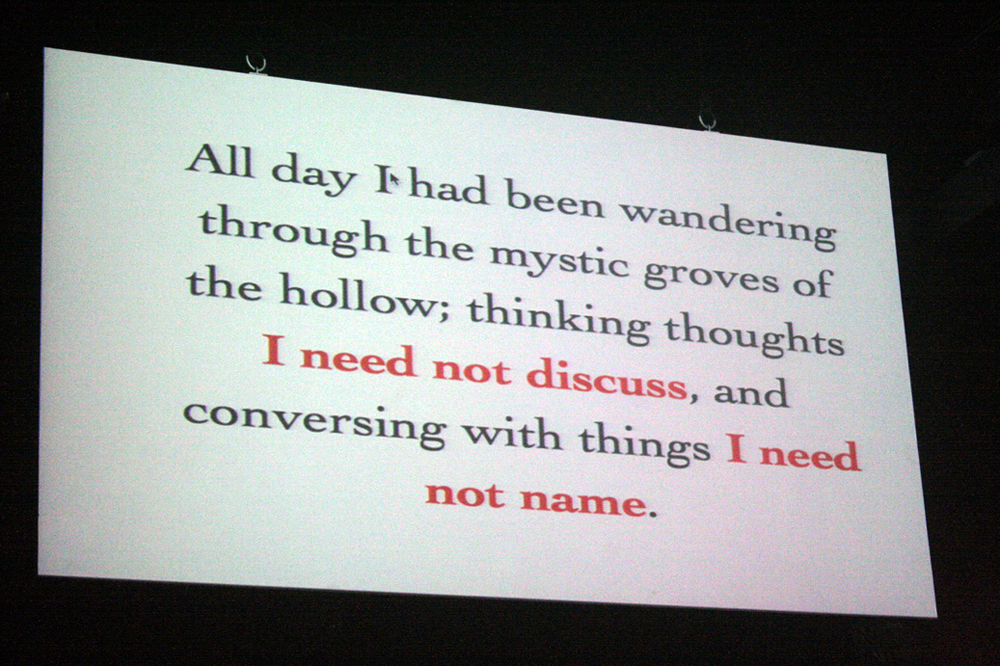
A chat, with examples (Zola, H. P. Lovecraft, Hammer Horror), about blackness and the sheer stupid thickness of what has no profundity whatsoever.
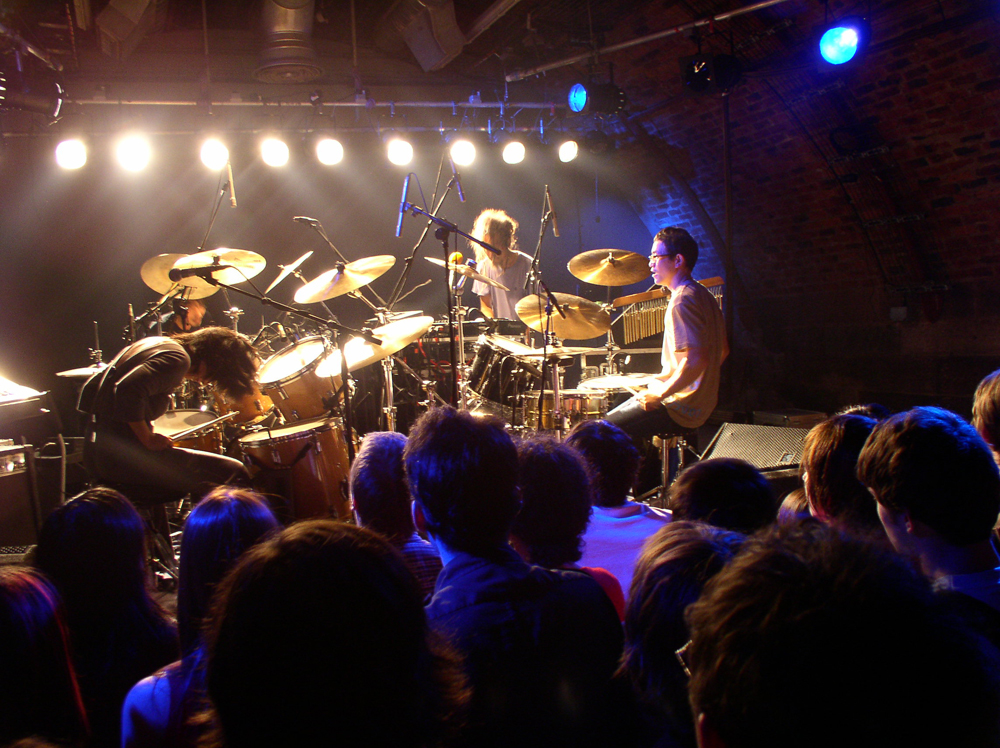
Rare UK performance by legendary Japanese post punk group during their 4 drummers + synth / vocals phase.
A conversation between influential figures thinking through Blackness and Indigeneity, asking: what if we took seriously the possibility that this world, as we know it, may be coming to an end? We dread the loss of this world, but have we begun to imagine the one to come?
Has neoliberal capitalism locked down social experience? Are our seemingly subjective desires, our identities, pre-packaged by dominating social structures?