Kill Your Timid Notion on Tour
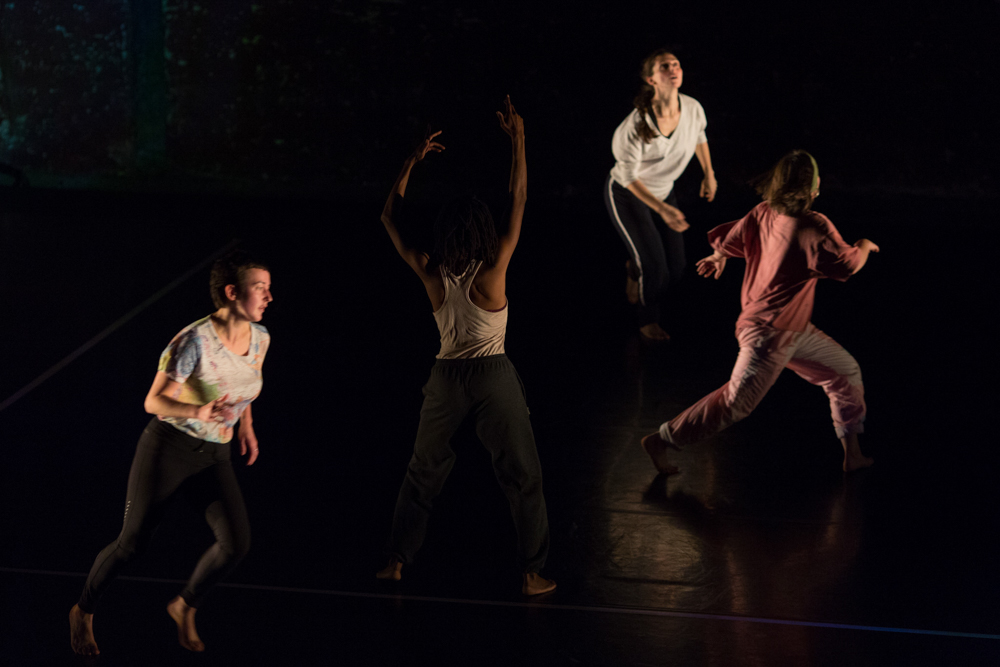
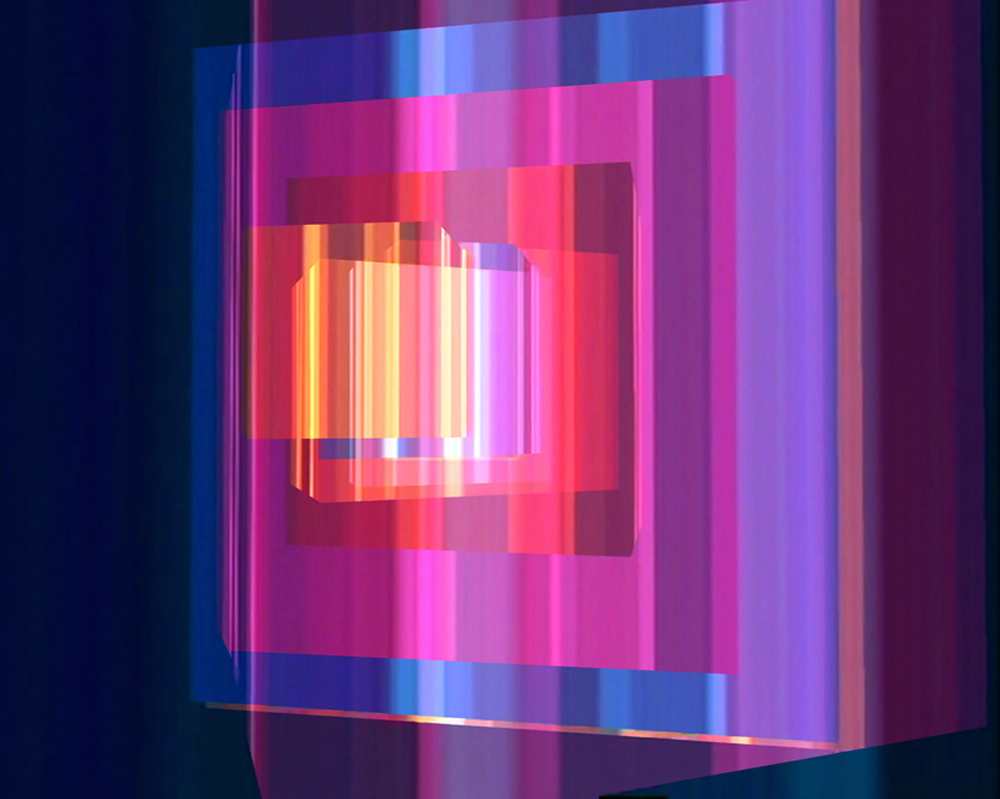
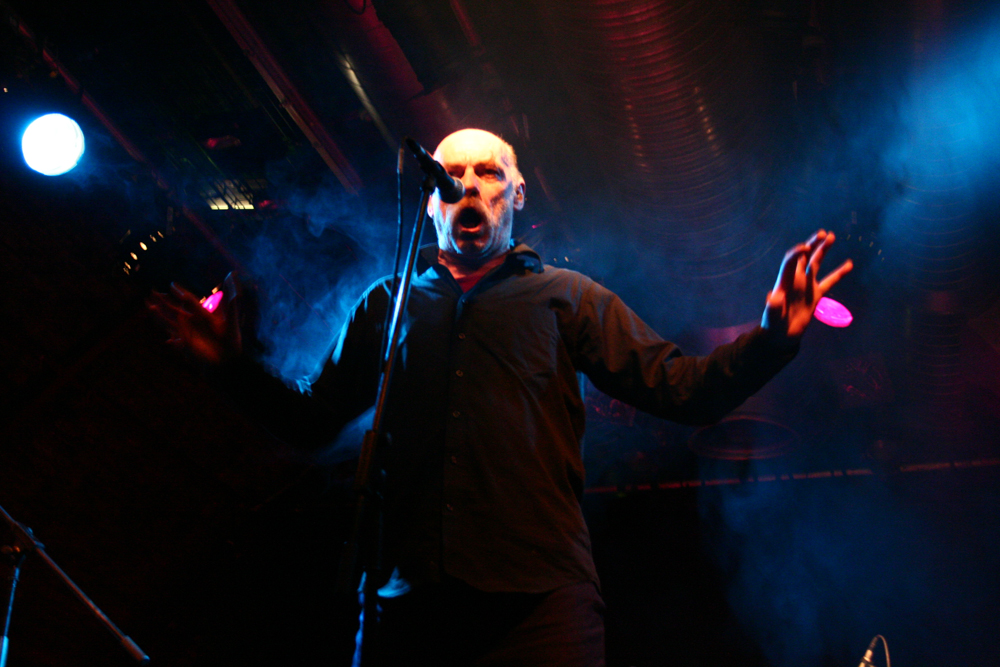
In 2008 we toured our Kill Your Timid Notion festival of experimental sound and image to London, Bristol and Glasgow, bringing audiences a taste of the previous 5 festival editions.
Arika have been creating events since 2001. The Archive is space to share the documentation of our work, over 600 events from the past 20 years. Browse the archive by event, artists and collections, explore using theme pairs, or use the index for a comprehensive overview.
In 2008 we toured our Kill Your Timid Notion festival of experimental sound and image to London, Bristol and Glasgow, bringing audiences a taste of the previous 5 festival editions.
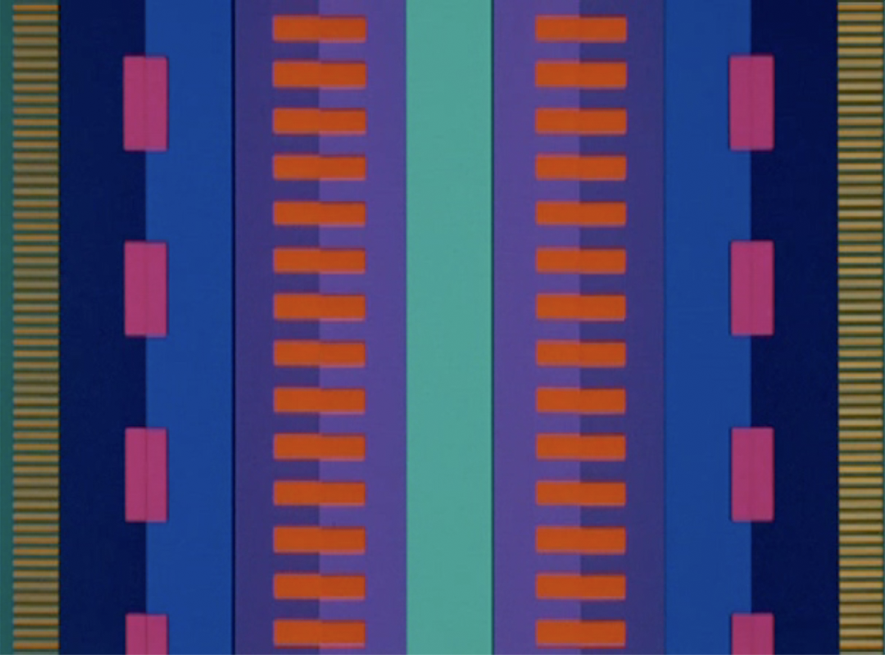
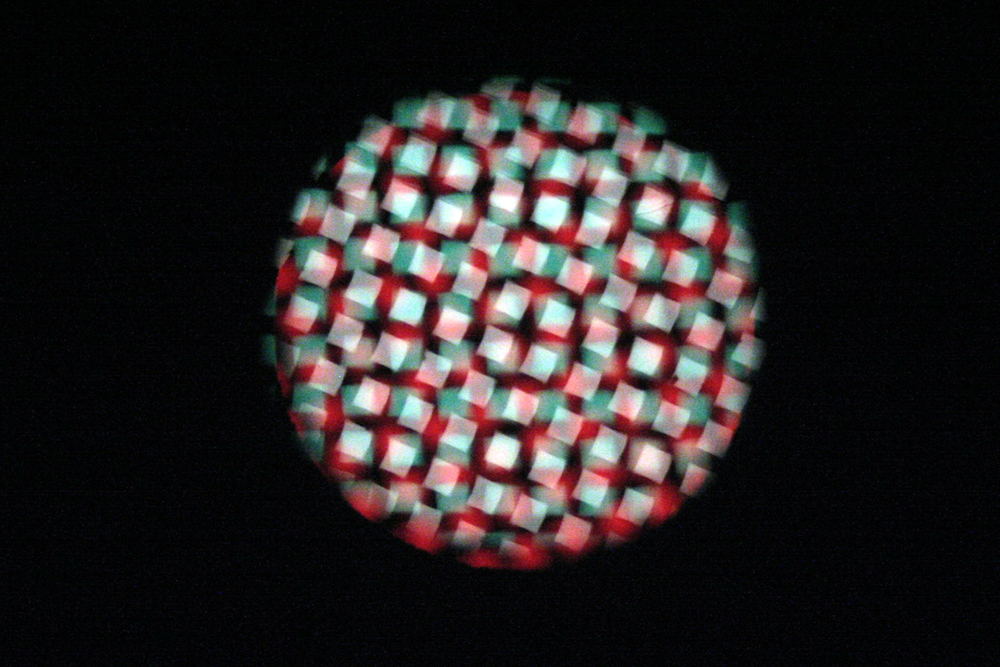
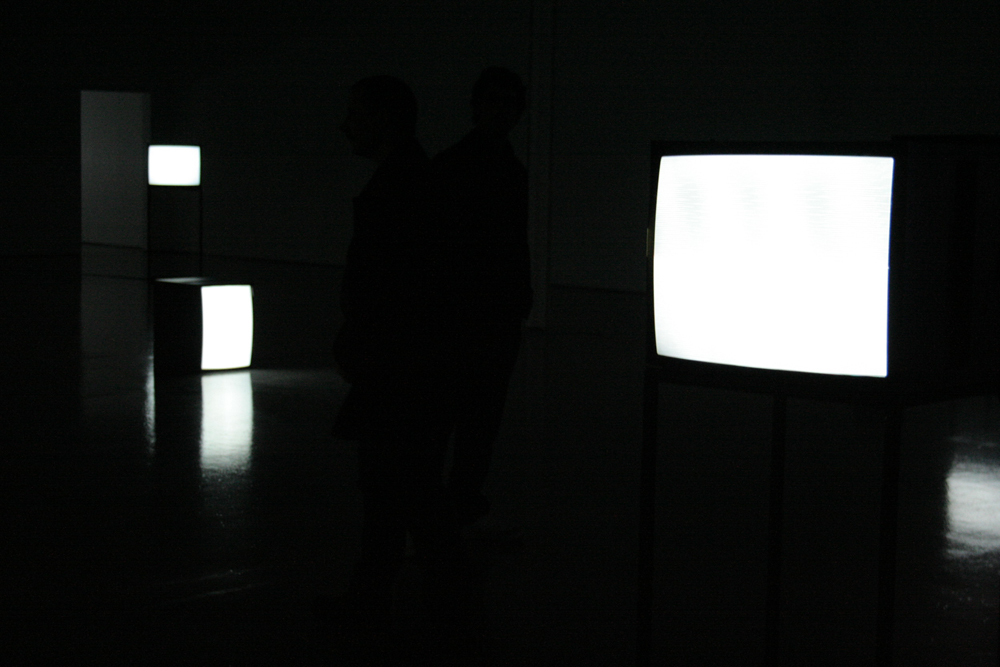
Paul Sharits’ Shutter Interface is a multi screen installation born of an intent to reveal the material substance of cinema in its purest form: spatially.
Julius’ “small music” features simple snatches of found sound, played back through small speakers, often set in bowls of pigment and dirt which shimmies in the vibrations.
Jarrod Fowler and Christof Migone kick things off with performances involving edible plants, a saw, dandruff, and Christof responding to the prompt: “as far as you can for as long as you can.”
A series of events organised by the Vogue’ology collective from the House Ballroom community in New York grounded in the scenes history of autonomous, self-organised struggle and a shared investment in collective art practices and how those intersect with the multiple and often divergent struggles for freedom.
A chat, with examples (Zola, H. P. Lovecraft, Hammer Horror), about blackness and the sheer stupid thickness of what has no profundity whatsoever.
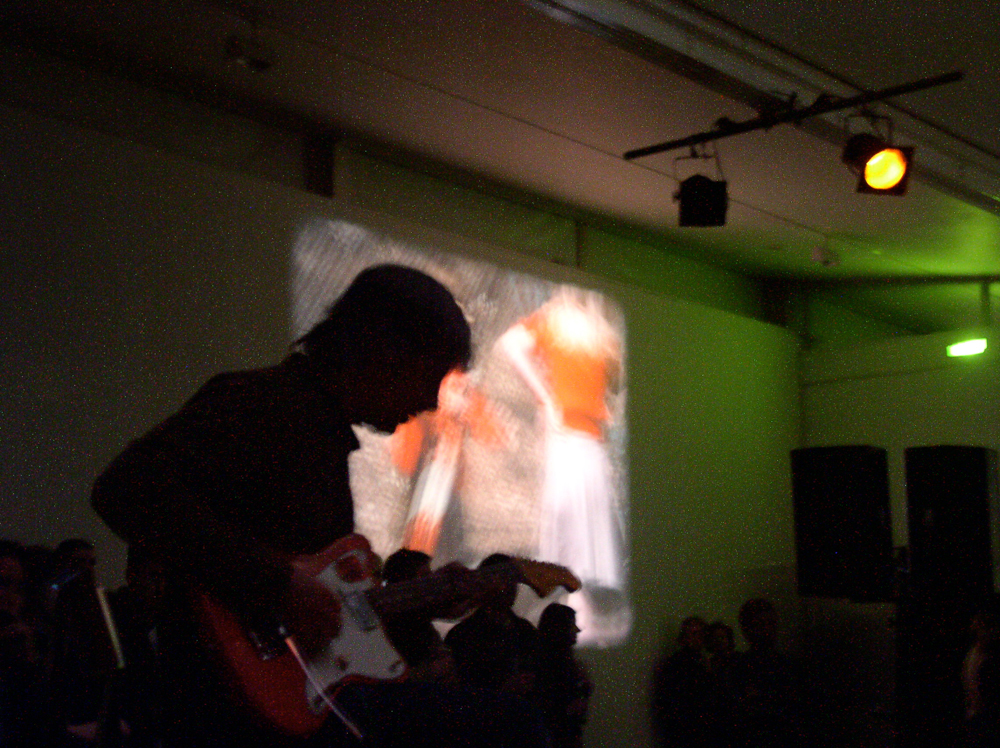
Bringing together artists working with music, sound, film and the moving image, KYTN 2008 saw performances, improvisations, screenings and installations over three days at DCA.
A kind of performed installation of searing noise and silence, where we’re not sure who the performer is, when it starts or ends or even who it’s for.
Glasgow based contemporary music group Paragon Ensemble performing an improvisation with Pete Dowling, Nick Fells, Robert Irvine and others.
Dworkin asks: What would a non-expressive poetry look like? A poetry of intellect rather than emotion?
What’s the best way to spend time with a musician when they visit a city to perform? And when the musician in question has a great deal to say, what sort of concert do you organise to do justice to that?
Reading their letters to each other, and chatting about prefigurative politics as the practice of relentlessly building worlds through unspeakable violence and loss; of building worlds and living in them anyway.