See Noise Hear Light Saturday
Jazkamer Keiji Haino Kiyoharu Kuwayama Lee Patterson Matt Hulse Ravi Padmanabha Steve Baczkowski The Bohman Brothers Tony Conrad
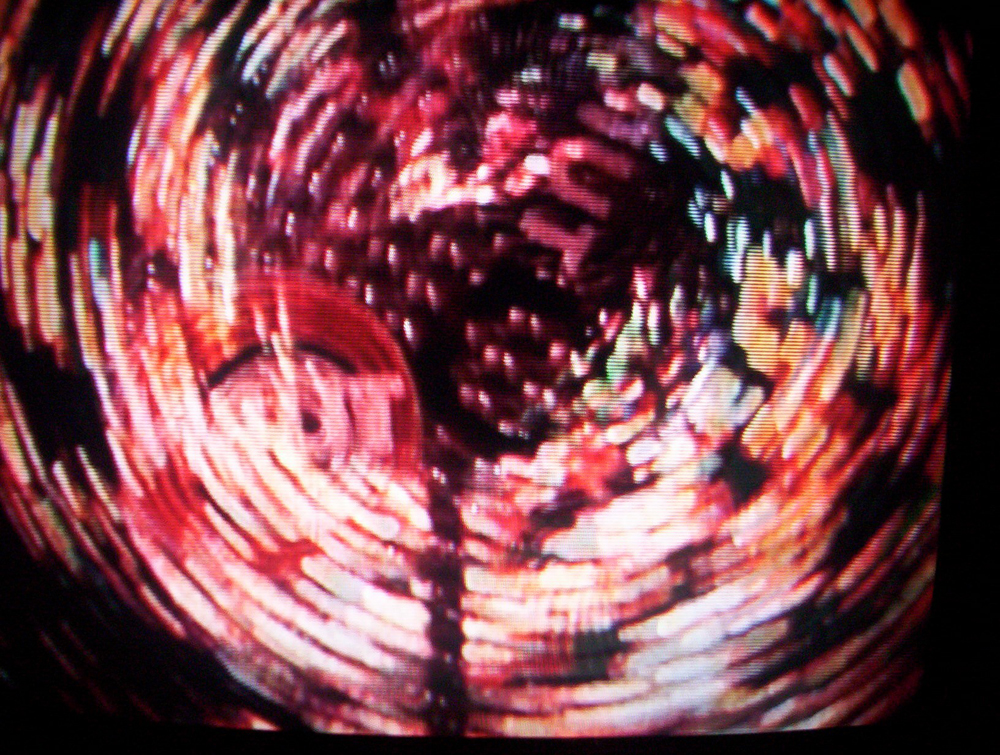
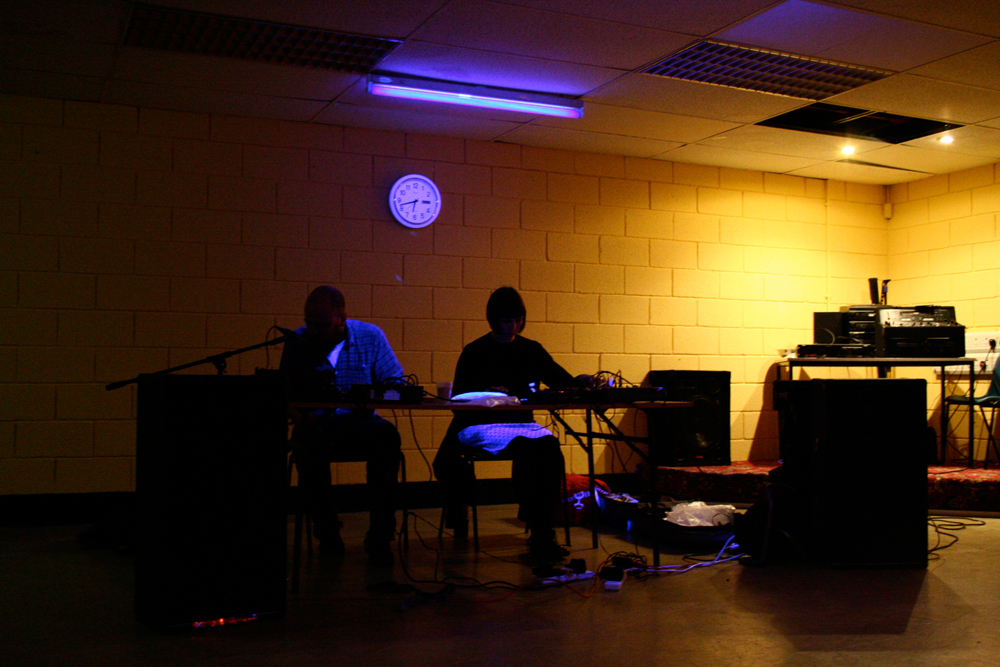
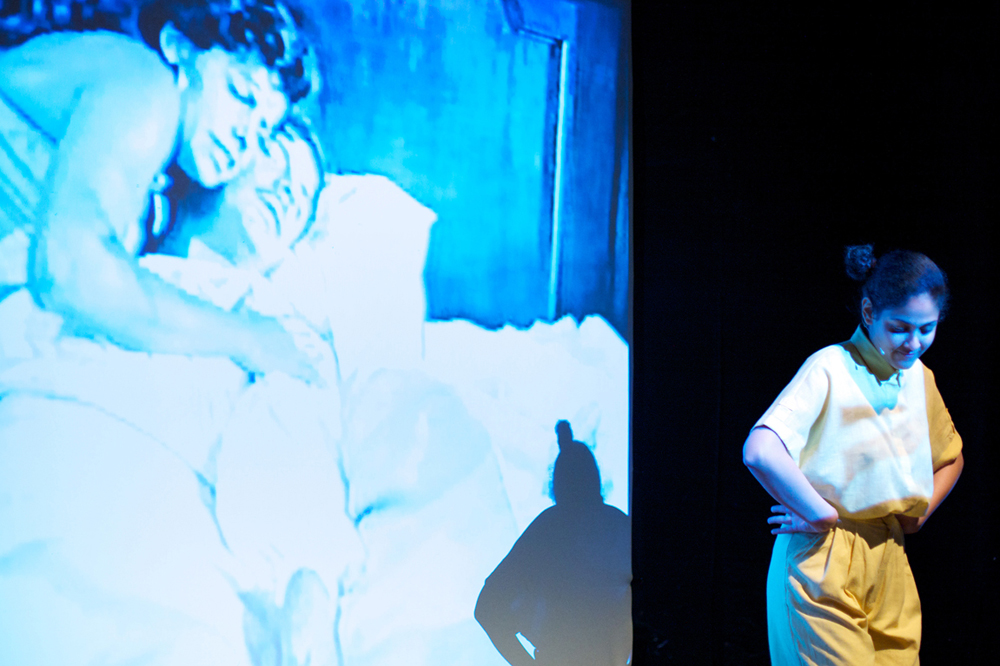
Freeform Super 8mm documentation of Saturday at Instal 06 by filmmaker Matt Hulse.
Arika have been creating events since 2001. The Archive is space to share the documentation of our work, over 600 events from the past 20 years. Browse the archive by event, artists and collections, explore using theme pairs, or use the index for a comprehensive overview.
Freeform Super 8mm documentation of Saturday at Instal 06 by filmmaker Matt Hulse.
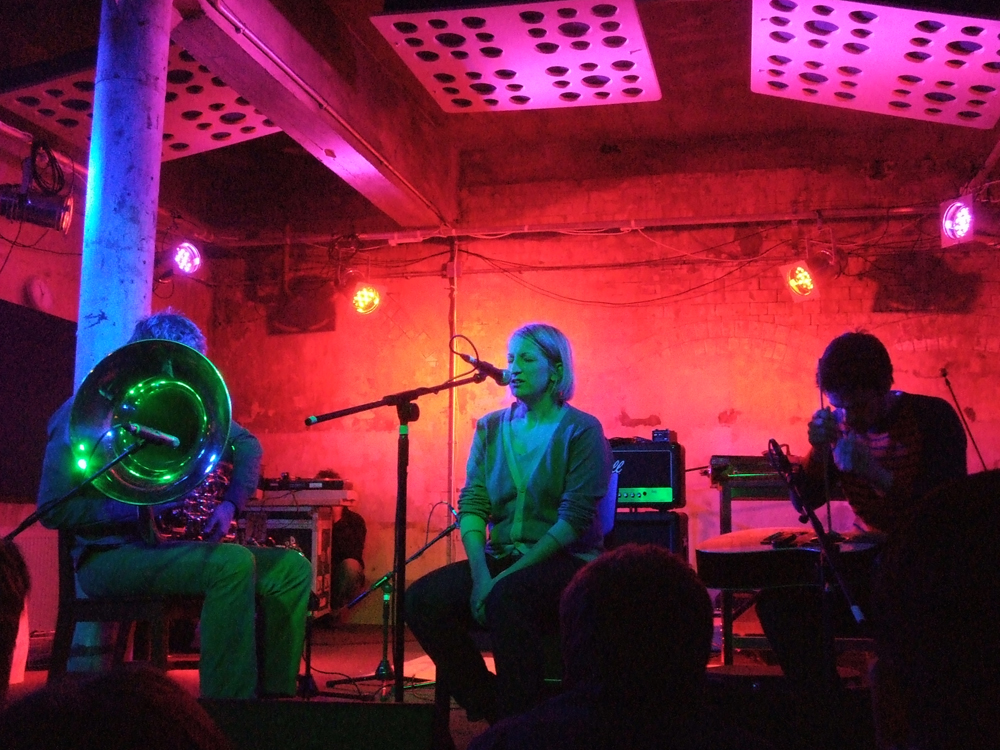
Sparse and miniature free thought workouts involving guitar, vocals and tuba.
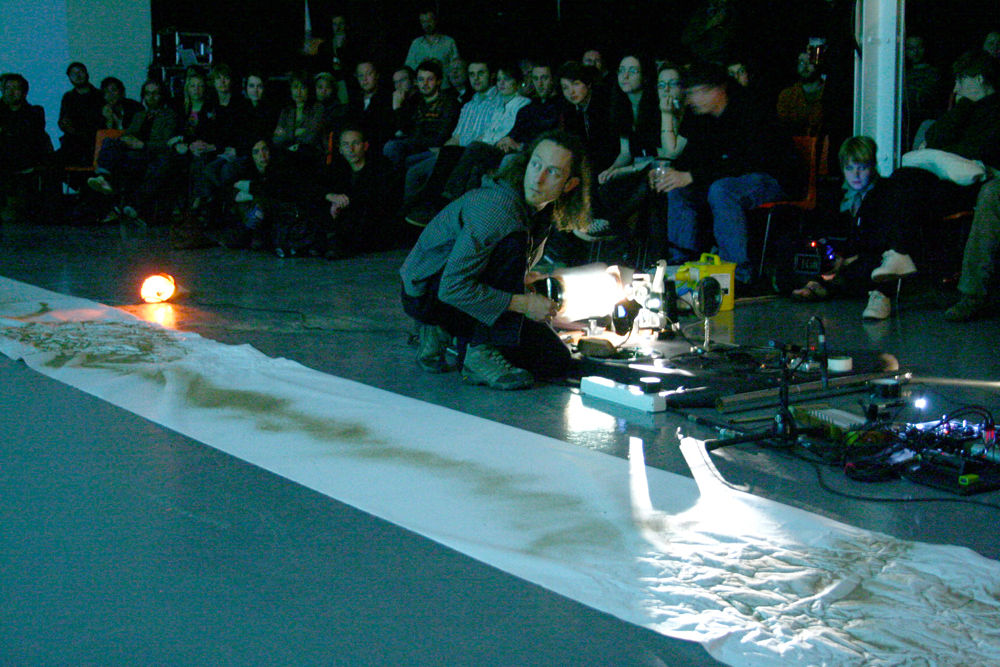
A system in which film is projected onto copper strips, captured again and then re-projected as video, somehow transforming the original imagery into molasses-slow, molten and incredibly tactile flickers of colour and light.
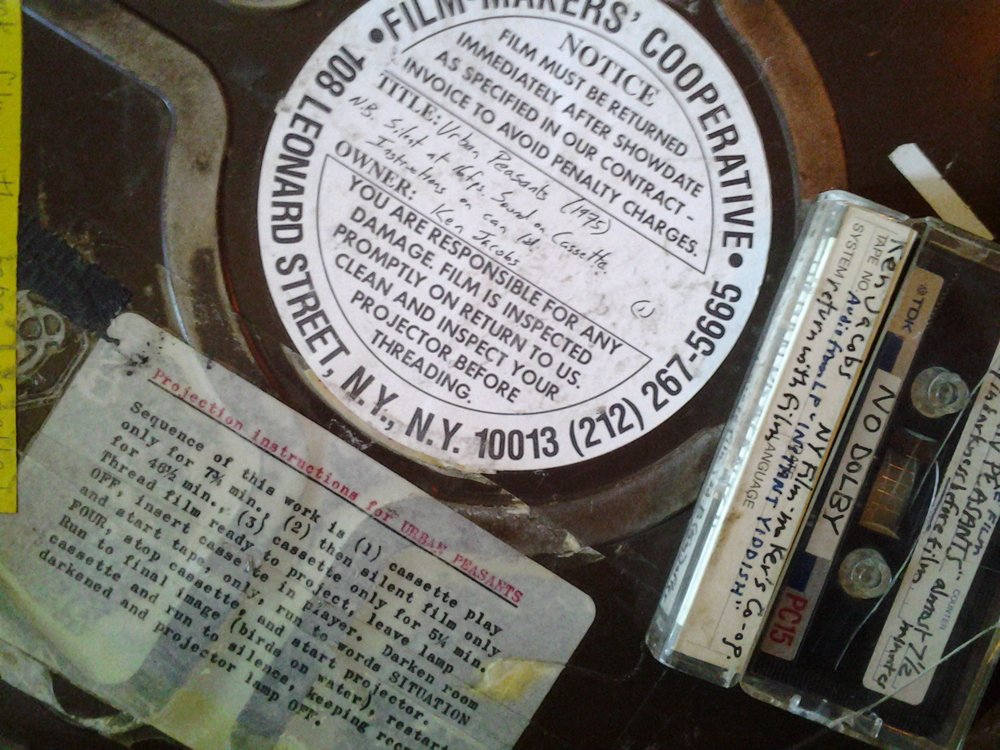
Do almost nothing: re-present (unaltered and arranged by chance) silent family home movies handed down to Flo, (Ken’s wife) and follow them with a “teach yourself Yiddish” cassette tape.
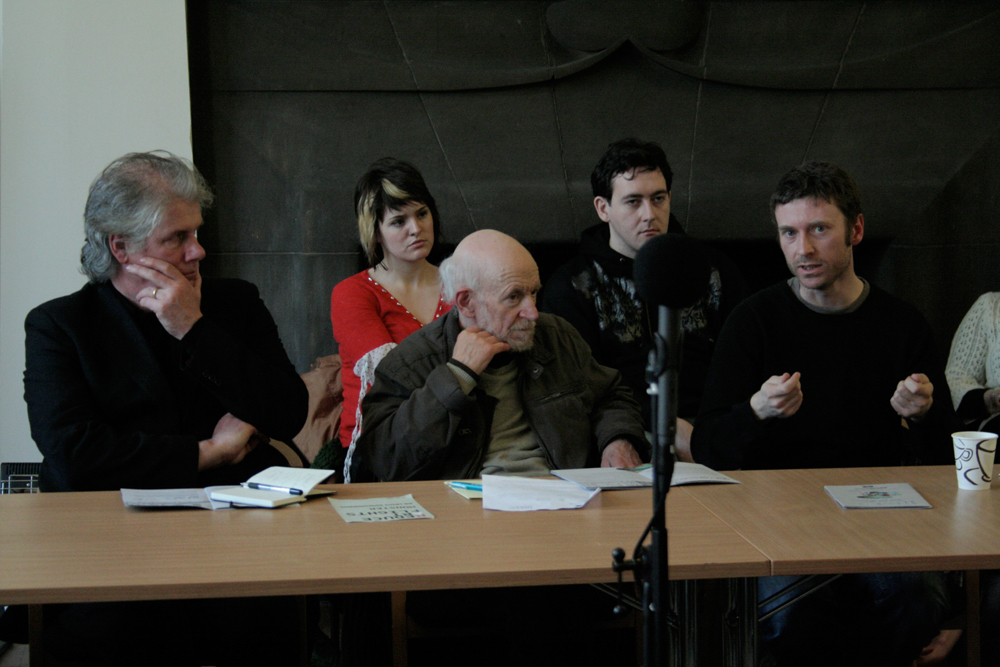
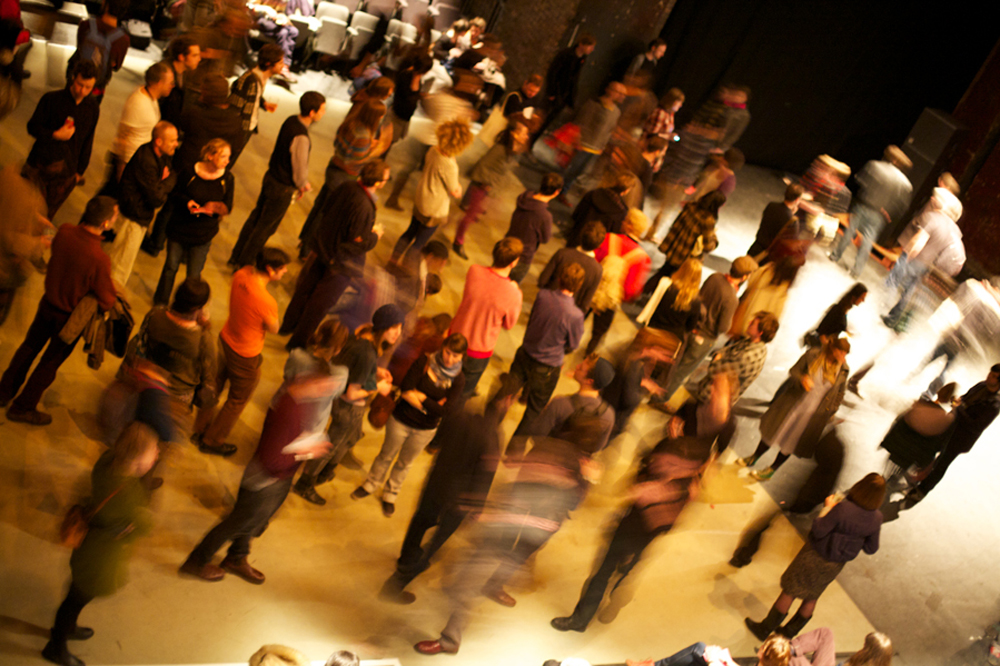
A performed self-cancelling discussion, with artists from the festival, invited speakers and local artists talking at once, over each other, or straining to be heard over the din.
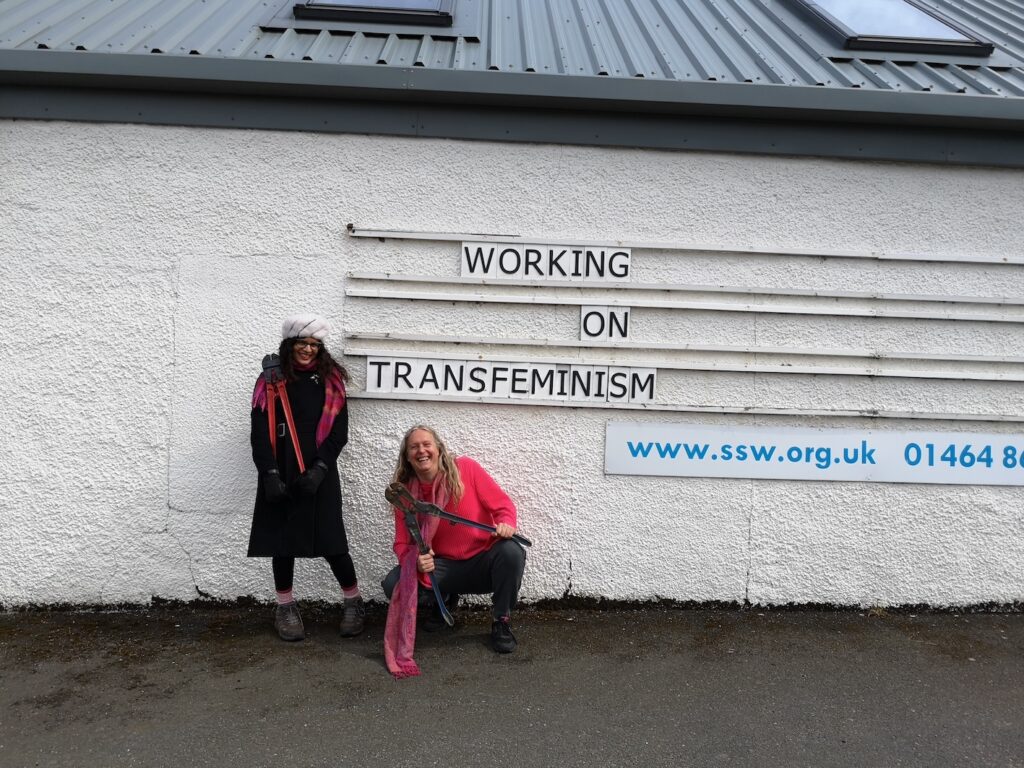
Nat Raha and Mijke van der Drift undertake two intensive writing residencies at Scottish Sculpture Workshop in Lumsden and Hospitalfield in Arbroath.
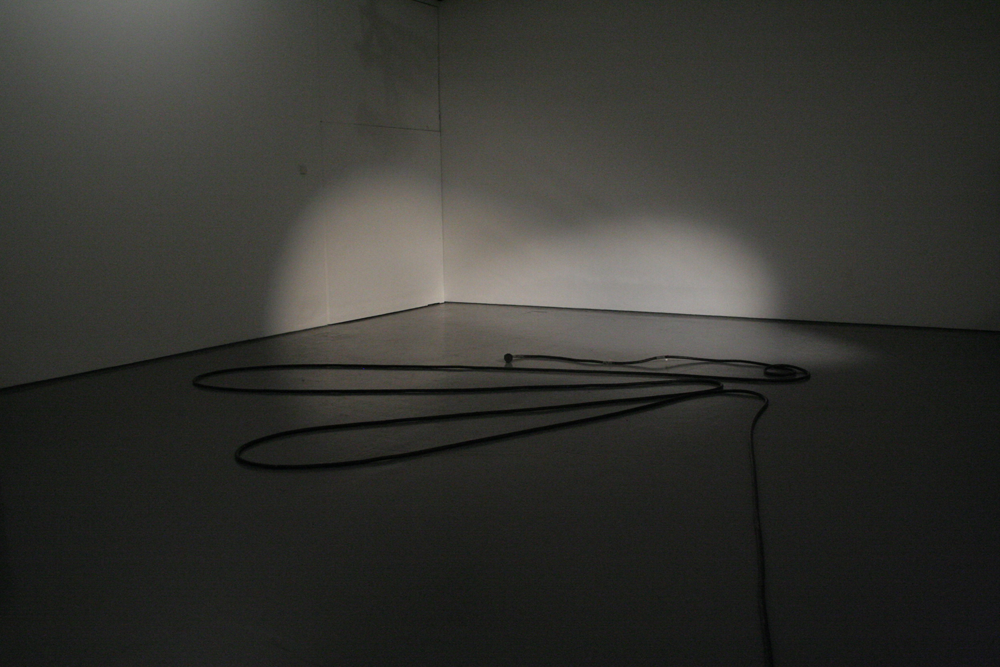
A multi-speaker, electronic, spacious and spatial performance from Florian Hecker.
Instead of the one-way monologue of normal performance, what would be the result of an actual collective dialogue? Where would it go?
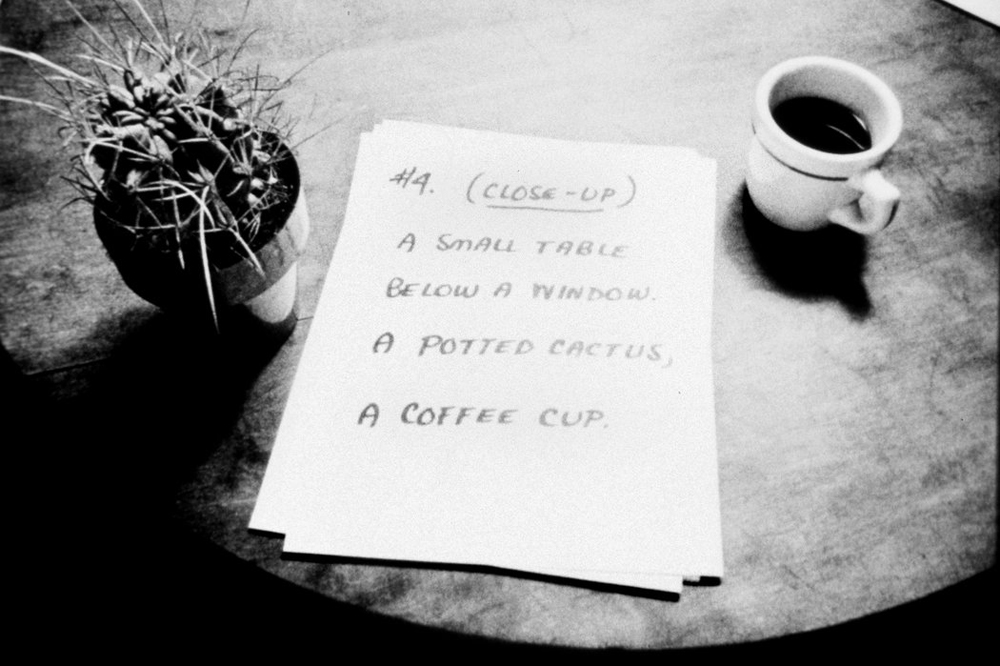
A cinema of the mind, a film to take place in the viewers’ imagination(s).
A riot of 60’s psychedelia, magick, ritual and tight black leather, this programme highlights underground innovators who use and subvert pop music for their own experimental ends; and be warned, in Anger, there’s real darkness.
Avant-wrongdoers Blood Stereo performing in Garthamlock the town spawned them.
A performed film lecture exploring how the ‘Rumberas’ of Caribbean cinema of the 40’s and 50’s subverted demeaning images of themselves through dance, sound and a sociality that insisted on blackness as being a cultural performance, not simply due to skin colour.