alva.noto
alva.noto
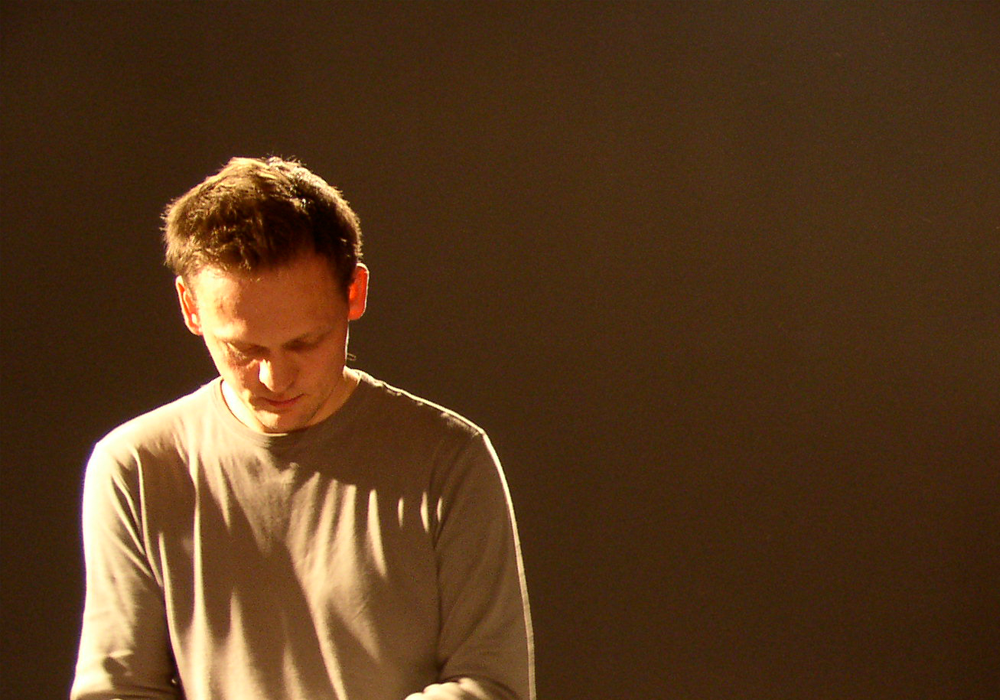
Patented 60 cycle hums, static pops, and terse electron pinpricks mutated into perfect, post-techno grooves and synaesthesic video
Arika have been creating events since 2001. The Archive is space to share the documentation of our work, over 600 events from the past 20 years. Browse the archive by event, artists and collections, explore using theme pairs, or use the index for a comprehensive overview.
Patented 60 cycle hums, static pops, and terse electron pinpricks mutated into perfect, post-techno grooves and synaesthesic video
An immersive live performance for multiple 16mm film and bass clarinet, taking in the whole gallery, submerging the audience.
Ian and Gil will host a discussion on the Argument project’s social and political commentaries, and with you try and maybe think through whether and how they might still have some currency today: what’s changed and what’s stayed the same?
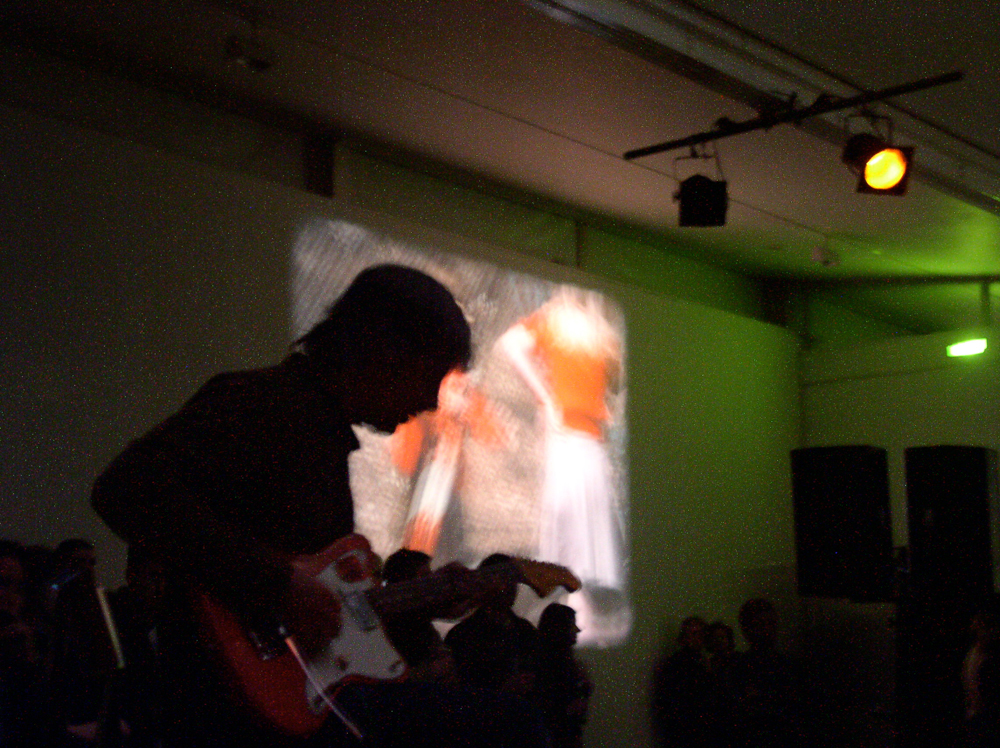
Dundee. Progressive rhythmical guitar squall vs. post-highland discorporate dusk-jockey.
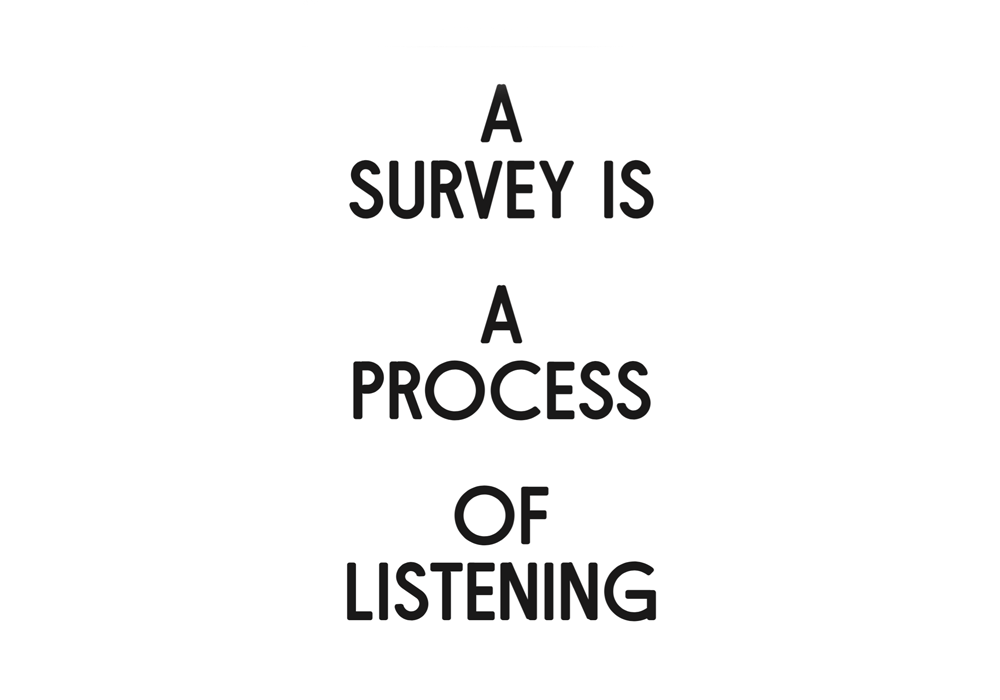
A performative survey of listening, as we managed to find it being used as a tool in different practices, disciplines and communities in North America (music, poetry, film, philosophy, activism…).
The films in the programme take the essential and fundamental building blocks of cinema (combining sound and image through time) screw about with them, interrogate them and cast them anew.
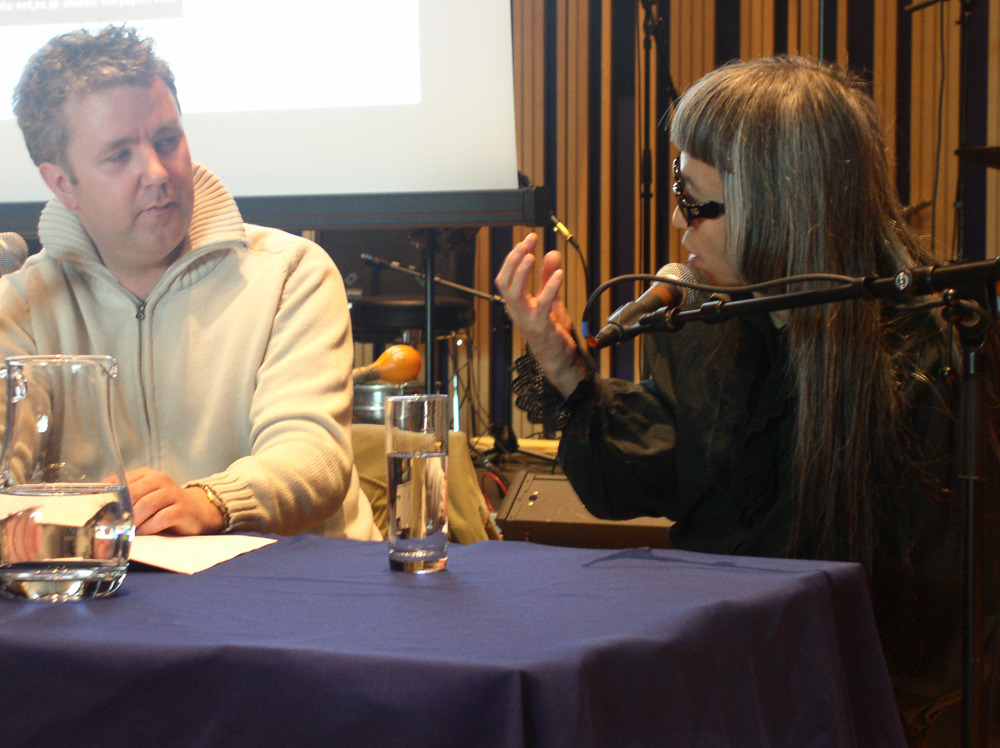
Journalist and underground music champion Alan Cummings talks to Keiji Haino about his career and his performance the previous evening.
As opposed to suggesting soundtrack’s to Brakhage’s works [which are almost entirely silent] Text of Light use his works to stimulate improvisation, enveloping them into the structure of the group much like an additional musician.
Can our favourite Vegas-born poet of prophetic blackness and a South Central transmuter of social rage into beauty feel through each other?
Taking The Futurist Cinema’ manifesto and turning it into software to track ‘aluminium’ online, tracing relationships companies with interests in aluminum had to each other and other agencies.
How do you know what you want? Should freedom be doing what you ought, not doing what you want? How might a philosopher and artist turn this thinking into an enabling condition in the context of noise and improvisation?
What might Carter and Parker’s collaboration tell us about our own performances of responsibility and liberty, whether individual, social or musical?